
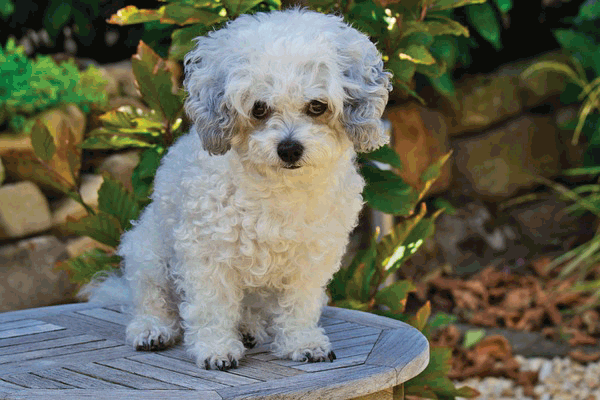
Shampoo allergies in dogs are a common and frustrating problem for both pets and their owners. What should be a routine part of hygiene can turn into a source of discomfort, itching, and skin irritation. This guide will delve into the causes, symptoms, diagnosis, and management of shampoo allergies in dogs, empowering you to keep your furry friend comfortable and healthy.
What is a Shampoo Allergy in Dogs?
A shampoo allergy in dogs is an adverse immune system reaction to specific ingredients found in dog shampoos. Unlike a direct toxin or irritant, an allergy involves the dog’s immune system mistakenly identifying a harmless substance as a threat and mounting an inflammatory response. This response manifests as various skin issues.
It’s important to distinguish between an allergy and irritation. Irritation is a direct reaction from the substance to the skin, often occurring immediately after contact. Allergies are immune-mediated and can develop over time, sometimes even after prolonged use of a product.
Common Culprits in Dog Shampoos
While any ingredient can potentially trigger an allergic reaction, some are more common offenders. These often include:
- Fragrances/Perfumes: Artificial scents are a significant cause of contact allergies in dogs.
- Dyes: Artificial colors added for aesthetic purposes can be problematic.
- Preservatives: Chemicals used to prevent microbial growth in shampoos can be allergenic. Examples include parabens and formaldehyde-releasing agents.
- Sulfates (e.g., Sodium Lauryl Sulfate – SLS, Sodium Laureth Sulfate – SLES): These are common cleansing agents that can be harsh and strip natural oils, leading to dryness, irritation, and potentially allergic reactions in sensitive dogs.
- Certain Botanicals/Essential Oils: While often marketed as natural and beneficial, some plant extracts and essential oils can be highly allergenic for some dogs. Examples include tea tree oil, eucalyptus, and citrus extracts.
- Lanolin: A waxy substance derived from sheep’s wool, often used as a moisturizer, can trigger allergies in some dogs.
- Propylene Glycol: A humectant and solvent that can cause skin irritation and allergic reactions.
Symptoms of Shampoo Allergies in Dogs
The symptoms of a shampoo allergy can vary in severity and presentation, but common signs include:
- Itching (Pruritus): This is the most prominent symptom, often starting within hours or days of bathing. The itching can be localized to the areas that came into contact with the shampoo (e.g., back, belly, paws) or be more generalized.
- Redness (Erythema): The skin will appear inflamed and reddish.
- Rash/Hives: Bumps or raised areas may appear on the skin.
- Dry, Flaky Skin: The shampoo can strip natural oils, leading to excessive dryness and scaling.
- Hair Loss (Alopecia): Persistent scratching and inflammation can lead to patches of hair loss.
- Sores and Scabs: Secondary infections or intense scratching can cause open sores and scabs.
- Oozing or Weeping Skin: In severe cases, the skin may become moist and ooze.
- Ear Infections: Dogs often scratch their ears when experiencing generalized itching. If the shampoo gets into the ears, it can exacerbate or trigger an ear infection.
- Hot Spots (Acute Moist Dermatitis): These are localized, intensely itchy, red, and inflamed areas that can quickly worsen.
- Paw Licking/Chewing: Dogs may excessively lick or chew their paws if they are experiencing itchy skin.
Diagnosing Shampoo Allergies
Diagnosing a shampoo allergy can be a process of elimination. Here’s how veterinarians typically approach it:
- Detailed History: Your veterinarian will ask about your dog’s bathing routine, the types of shampoos you’ve used, the onset and progression of symptoms, and any other known allergies or medical conditions.
- Physical Examination: The vet will examine your dog’s skin and coat to assess the extent and type of lesions.
- Rule Out Other Causes: It’s crucial to remember that itching can be caused by many other things besides shampoo allergies, including:
- Flea Allergy Dermatitis (FAD): This is the most common allergic skin disease in dogs.
- Environmental Allergies (Atopy): Allergies to pollen, dust mites, mold, etc.
- Food Allergies: Reactions to ingredients in their diet.
- Mites (e.g., Sarcoptic mange, Demodectic mange): Parasitic infestations.
- Bacterial or Fungal Infections: Primary or secondary infections.
- Irritants: Non-allergic reactions to harsh chemicals.
- Patch Testing (Less Common for Shampoos): While patch testing is common for identifying environmental allergens, it’s less frequently used for shampoo ingredients. However, in some cases, a veterinarian might perform a small patch test on a less sensitive area of skin with diluted shampoo ingredients to see if a reaction occurs.
- Elimination Trial (Most Effective Method): This involves stopping the use of all current shampoos and switching to a hypoallergenic, fragrance-free, dye-free shampoo. If symptoms improve, you can then reintroduce ingredients one by one (under veterinary guidance) to pinpoint the offending agent.
Managing Shampoo Allergies
Once a shampoo allergy is diagnosed or strongly suspected, management focuses on avoiding the trigger and treating the symptoms.
1. Selecting the Right Shampoo
The cornerstone of managing shampoo allergies is choosing an appropriate shampoo. Look for:
- Hypoallergenic: Formulated to minimize the risk of allergic reactions.
- Fragrance-Free: Avoid any artificial or natural fragrances.
- Dye-Free: No artificial colors.
- Gentle Surfactants: Opt for shampoos with mild cleansing agents that won’t strip the skin’s natural oils.
- Oatmeal-Based: Colloidal oatmeal can be very soothing for itchy skin.
- Veterinarian-Recommended: Your vet can suggest specific brands or formulations that have been successful for other allergic pets.
2. Bathing Frequency and Technique
- Avoid Over-Bathing: Bathing too frequently can strip natural oils and worsen skin issues. Discuss the ideal bathing frequency with your veterinarian.
- Cool or Lukewarm Water: Hot water can exacerbate itching and inflammation.
- Thorough Rinsing: Ensure all shampoo residue is completely rinsed from your dog’s coat. Leftover shampoo can act as an irritant or allergen.
- Drying: Gently pat your dog dry with a clean towel. Avoid harsh rubbing.
3. Treating Symptoms and Secondary Infections
- Soothing Baths: Medicated shampoos or soothing rinses (e.g., diluted apple cider vinegar, as recommended by your vet) may be prescribed to alleviate itching and inflammation between therapeutic baths.
- Topical Medications: Your veterinarian may prescribe topical sprays, mousses, or creams containing corticosteroids or other anti-inflammatory agents to reduce itching and inflammation.
- Oral Medications: In cases of severe itching or inflammation, oral antihistamines or corticosteroids may be prescribed for short-term relief.
- Antibiotics or Antifungals: If secondary bacterial or fungal infections have developed due to scratching or compromised skin barrier, your vet will prescribe appropriate medications.
4. Long-Term Strategies
- Maintain a Log: Keep a record of all products you use on your dog, including shampoos, conditioners, and even grooming wipes. This can help identify patterns if symptoms reoccur.
- Introduce New Products Gradually: If you need to switch to a new shampoo, introduce it slowly and monitor your dog closely for any adverse reactions.
- Consult Your Veterinarian Regularly: Regular check-ups are essential to monitor your dog’s skin health and adjust treatment plans as needed.
Can My Dog Ever Use Regular Shampoo?
Once a dog has developed a shampoo allergy, it’s often a lifelong condition. This means you’ll likely need to stick to hypoallergenic and specially formulated shampoos indefinitely. It’s generally not advisable to return to using “regular” pet shampoos or human shampoos, as the offending ingredients may still be present and trigger a reaction.
Prevention
While not always entirely preventable, some measures can help reduce the risk:
- Start with Gentle Shampoos: Even if your dog hasn’t shown signs of allergy, it’s wise to start with gentle, hypoallergenic, fragrance-free shampoos from a young age.
- Avoid Unnecessary Products: Don’t use products with excessive fragrances or dyes unless specifically recommended by your vet.
- Read Labels Carefully: Be aware of the ingredients in the products you use.
When to Seek Veterinary Advice
You should consult your veterinarian if you notice any of the following:
- Your dog is excessively itching or scratching.
- You see redness, rash, or sores on your dog’s skin.
- Your dog develops bald patches.
- Your dog’s symptoms worsen despite using a new shampoo.
- You suspect your dog has a shampoo allergy or any other skin condition.
Conclusion
Shampoo allergies in dogs can be challenging, but with careful observation, proper diagnosis, and the selection of appropriate grooming products, you can effectively manage the condition. By working closely with your veterinarian and being vigilant about ingredient awareness, you can ensure your dog enjoys a comfortable, itch-free coat.
#DogShampooAllergy, #CanineAllergy, #ItchyDog, #DogSkinIssues, #PetAllergy, #ShampooSensitivity, #DogDermatitis, #HotSpotsDog, #ScratchingDog, #IrritatedDogSkin, #DogHealth, #PetWellness, #HypoallergenicDogShampoo, #SensitiveSkinDog, #NaturalDogCare, #VetAdvice, #AskAVet, #DogMom, #DogDad, #PetParents, #DogWellness, #GroomingGoneWrong, #DogCareTips, #AllergicReactionDogs, #PetGrooming, #CanineHealth, #DogProblems, #PetHealthAwareness, #DogComfort, #NoMoreItch #DogShampooAllergy #ItchyDogSolutions #DogSkinCareTips #HypoallergenicDogShampooReview #CanineAllergiesExplained #DogGroomingGuide #SensitiveDogSkinCare #PetHealthEducation #DogDermatologyTips #HealthyDogHabits #DogBathingTips #AllergyManagementForDogs #DogWellnessJourney #AskAVet #dogshampooallergy #itchydog #dogskincare #hypoallergenicdogshampoo #canineallergies #doggrooming #sensitiveskinsolutions #pethealthtips #dogdermatology #healthypup #dogwellness #dogsofinstagram #instadog #allergyrelief #happydog #DogShampooAllergy #ItchyDog #DogSkinCare #HypoallergenicDogShampoo #CanineAllergies #DogGrooming #SensitiveDogSkin #PetHealth #DogDermatology #HealthyDog #DogTips #PetCare #DogLife #AllergyAwareness







Add comment