
It’s a pleasure to help you create guide! Let’s dive into the topic of bathing low-maintenance dog breeds with short coats. This guide will be comprehensive, elaborate, and educational, covering everything from preparation to post-bath care.
Short Coat, Big Clean: Bathing Low-Maintenance Dog Breeds
Bathing your dog, regardless of their coat type, is an essential part of their grooming routine. For breeds with short coats, often perceived as “low-maintenance,” the process can seem straightforward. However, even these dogs benefit from a proper and effective bathing regimen. This guide will walk you through everything you need to know to ensure a positive and thorough cleaning experience for your short-coated companion.
Why Bathe a Short-Coated Dog?
While short-coated breeds might not require the frequent brushing or intricate de-shedding of their long-haired counterparts, bathing is still crucial for several reasons:
- Hygiene and Health: Regular baths remove dirt, debris, allergens, and potential parasites that can accumulate on the skin and coat. This helps prevent skin infections, irritations, and discomfort.
- Odor Control: Even short-haired dogs can develop “doggy odor,” especially if they roll in something unpleasant or have underlying skin conditions. Bathing is the most effective way to combat this.
- Skin Health: Bathing can stimulate blood circulation to the skin, promoting a healthier coat. It also allows you to inspect your dog’s skin for any abnormalities, lumps, bumps, or signs of fleas and ticks.
- Bonding: A calm and positive bathing experience can be a great way to strengthen your bond with your dog. It’s a time for gentle interaction and physical touch.
- Maintaining Shine and Softness: The right shampoo and conditioning can enhance the natural shine and softness of a short coat, making it look and feel its best.
Understanding “Low-Maintenance”
It’s important to clarify what “low-maintenance” truly means in the context of short-coated dogs. While they may not require daily brushing, they still need:
- Regular Grooming: This includes occasional brushing, nail trims, ear cleaning, and dental care.
- Appropriate Bathing Frequency: Over-bathing can strip natural oils and lead to dry, itchy skin. Under-bathing can lead to the issues mentioned above.
- Quality Products: Using the right shampoos and conditioners tailored to their skin and coat type is vital.
Preparing for the Bath: The Foundation of Success
A well-prepared bath is a stress-free bath. Here’s what you’ll need and how to get ready:
Essential Supplies:
- Dog-Specific Shampoo: This is non-negotiable. Human shampoos have a different pH balance and can irritate a dog’s skin.
- General Purpose: For most short-coated dogs, a mild, pH-balanced dog shampoo will suffice.
- Sensitive Skin: If your dog has very sensitive skin, opt for hypoallergenic or oatmeal-based shampoos.
- Odor Control: If odor is a primary concern, look for deodorizing shampoos.
- Whitening/Brightening: For white or light-colored coats, specialized shampoos can help eliminate yellowing.
- Medicated: If your dog has a diagnosed skin condition, your veterinarian may prescribe a medicated shampoo.
- Dog-Specific Conditioner (Optional but Recommended): Even short coats can benefit from moisture, especially in dry climates or if the skin tends to be dry. Conditioner helps to detangle, add shine, and moisturize.
- Towels: Have at least two absorbent towels readily available. Microfiber towels are excellent for quickly absorbing water.
- Grooming Glove or Brush (Optional): A rubber grooming glove can help distribute shampoo and gently massage the skin during the bath, which many dogs enjoy. A soft-bristle brush can be used post-bath for drying.
- Cotton Balls or Ear Cleaner: For cleaning ears post-bath.
- Treats: High-value treats are essential for positive reinforcement throughout the process.
- Non-Slip Mat: For the tub or bathing area to prevent your dog from slipping and feeling insecure.
Pre-Bath Routine:
- Brushing: Before the bath, give your dog a good brush. This removes loose hair, dirt, and debris, allowing the shampoo to reach the skin more effectively. It also helps to prevent tangles from being exacerbated by water.
- Choose the Right Location:
- Bathtub or Shower: This is the most common choice. Ensure the area is prepared and safe.
- Sink (for small dogs): A kitchen or bathroom sink can work for very small breeds, but ensure it’s sturdy and comfortable.
- Outdoor Wash Station: On a warm day, an outdoor hose with a gentle spray can be an option, but be mindful of water temperature and protect your dog from the elements.
- Gather and Organize: Have all your supplies within easy reach. You don’t want to be searching for shampoo while your dog is shaking water everywhere.
- Prepare the Water:
- Temperature: Lukewarm water is ideal – not too hot, not too cold. Test it on your wrist, just like you would for a baby.
- Water Level: For a bathtub, a few inches of water is usually sufficient to rinse the body and legs.
- Brush Out Any Matting: If your short-coated dog has any areas where fur clumps together (though less common, it can happen), gently brush these out before wetting them. Water can make mats tighter and harder to remove.
The Bathing Process: Step-by-Step
Now that you’re prepared, let’s get to the actual bath. The key is to be calm, gentle, and thorough.
- Introduce to the Bathing Area: Gently lead your dog into the tub or designated area. If they are hesitant, use treats and praise to encourage them. Place the non-slip mat down.
- Secure Your Dog: If necessary, use a leash or a grooming loop to keep your dog in place. However, for a truly relaxed experience, many short-coated dogs can be managed without one if they are well-behaved.
- Wetting the Coat:
- Start from the Neck Down: Begin by thoroughly wetting your dog’s coat, starting from the neck and working your way down their body, legs, and tail.
- Avoid the Face Initially: Be careful not to get water directly into their eyes, ears, or nose. You’ll clean the face at the end.
- Thorough Saturation: Ensure the water penetrates down to the skin for a proper cleanse.
- Applying Shampoo:
- Dilute if Necessary: Some shampoos can be diluted with a little water in a separate container, making them easier to apply and lather. Check the shampoo bottle instructions.
- Work Up a Lather: Apply a generous amount of shampoo and gently massage it into your dog’s coat, working it all the way down to the skin. Pay attention to areas that tend to get dirtier, like paws, belly, and hindquarters.
- Gentle Massage: Many dogs enjoy a gentle massage during this stage.
- Rinsing Thoroughly: This is one of the most critical steps! Incomplete rinsing can leave shampoo residue, leading to skin irritation and a dull coat.
- Rinse, Rinse, Rinse: Continue rinsing until the water runs completely clear and there are no signs of suds.
- Work Against the Grain: Gently run your hands through the fur against the natural direction of growth to ensure all shampoo is washed out.
- Applying Conditioner (If Used):
- Apply to Damp Coat: After thoroughly rinsing out the shampoo, gently squeeze out excess water and apply conditioner.
- Focus on Coat: Apply it to the length of the coat, avoiding the skin if you’re concerned about greasiness (though most dog conditioners are designed to be skin-friendly).
- Let it Sit: Allow the conditioner to sit on the coat for the time recommended on the product (usually 1-3 minutes). This allows it to moisturize and detangle.
- Rinse Out Completely: Just like shampoo, conditioner must be rinsed thoroughly. Leaving it in can weigh down the coat and make it appear greasy.
- Cleaning the Face:
- Gentle Wipe: Use a damp washcloth (no soap unless specifically recommended by a vet for a facial condition) to gently wipe around your dog’s eyes, muzzle, and chin.
- Eyes: Be extremely careful around the eyes. You can use a damp corner of a washcloth to gently wipe away any discharge.
- Ears: Do NOT pour water or shampoo into the ear canal. After the bath, you’ll address ear cleaning separately.
- Final Rinse: Give your dog a final quick rinse to ensure all products are gone.
Post-Bath Care: Drying and Finishing Touches
The bath isn’t over until your dog is dry and comfortable.
- Initial Towel Dry:
- Squeeze, Don’t Rub Vigorously: Gently squeeze excess water out of the coat with your hands.
- Towel Off: Use your absorbent towels to pat your dog dry. You can also gently rub, but avoid harsh scrubbing, which can cause tangles or irritation. Work the towel through their fur to absorb as much moisture as possible.
- The Shake Off: Most dogs will instinctively shake themselves vigorously. Stand back, or you’ll get wet! You can gently hold a towel around their body during the shake to minimize the splash zone.
- Further Drying (Optional):
- Air Dry: For short-coated dogs, air drying is often sufficient, especially in warm weather. Ensure they are in a warm, draft-free environment until fully dry.
- Blow Dryer: If your dog tolerates it and you have a dog-specific or pet-safe hair dryer (on a cool or low heat setting), you can use it to speed up drying. Keep the dryer moving constantly and at a distance to avoid overheating or startling your dog. Use a soft brush attachment to help fluff the coat as you dry.
- Brushing (After Drying): Once your dog is mostly or completely dry, a light brush can help to smooth the coat, remove any remaining loose hairs, and restore its natural sheen. A soft-bristle brush or a grooming glove is ideal for short coats.
- Ear Cleaning:
- Use a Vet-Approved Cleaner: Gently lift your dog’s ear flap and place a few drops of a veterinarian-approved ear cleaner into the ear canal.
- Massage: Gently massage the base of the ear for about 20-30 seconds. You should hear a squishing sound.
- Wipe: Allow your dog to shake their head. Then, use a soft cloth or cotton ball to gently wipe away any debris and excess cleaner from the outer ear flap and visible parts of the canal. Never insert cotton swabs deep into the ear canal.
- Reward and Praise: Throughout the drying and finishing process, continue to offer praise and treats. This reinforces that bath time is a positive experience.
Bathing Frequency: Finding the Right Balance
The ideal frequency for bathing a short-coated dog varies significantly based on several factors:
- Breed: Some short-coated breeds have oilier skin than others.
- Activity Level: Dogs that spend a lot of time outdoors, rolling in dirt, or swimming will need baths more frequently.
- Skin Condition: Allergies, infections, or dry skin might necessitate specific bathing schedules.
- Environment: Dogs living in dusty or polluted areas might get dirty faster.
- Owner’s Sensitivity: Some owners are more sensitive to dog odor.
General Guidelines:
- Most short-coated dogs: Every 1-3 months is often sufficient.
- Active or “smelly” dogs: May need bathing more frequently, perhaps every 2-6 weeks.
- Dogs with specific skin conditions: Follow your veterinarian’s recommendations precisely.
Signs you might need to bathe your dog:
- Obvious dirt or mud.
- Unpleasant odor.
- Dull or greasy coat.
- Excessive scratching or discomfort.
Over-bathing Warning: Bathing too frequently can strip the natural oils from your dog’s skin and coat, leading to dryness, flakiness, itching, and potential skin irritations. Always err on the side of caution and consult your vet if you’re unsure.
Troubleshooting Common Bathing Issues
- Fear of Water/The Tub:
- Desensitization: Start by letting your dog just hang out in the dry tub with treats. Gradually introduce water, starting with just a small amount.
- Positive Reinforcement: Pair every step of the process with high-value treats and enthusiastic praise.
- Non-Slip Surface: This is crucial for confidence.
- Gentle Handling: Never force your dog.
- Shaking Off Too Soon:
- Towel Tent: Gently try to wrap them in a towel to somewhat contain the shake.
- Post-Bath Location: Guide them to a less absorbent area (like a tiled floor) for their initial big shake.
- Calm Drying: Focus on calm, gentle towel drying.
- Getting Water/Shampoo in Eyes or Ears:
- Face Shield: You can fashion a temporary “shield” using your hand or a toy to block the spray from eyes and ears.
- Face Last: Clean the face with a damp cloth after the main rinse.
- Ear Protection: Consider loosely placing cotton balls (not too deep!) in the ears before the bath to help prevent water from entering. Remember to remove them immediately after.
- Residue Left Behind: This is almost always due to inadequate rinsing. Be patient and rinse until the water runs crystal clear.
Top Short-Coated Breeds and Their Bathing Needs
While all short-coated dogs benefit from proper bathing, here are a few popular examples:
- Labrador Retriever/Golden Retriever (short to medium coat): Active dogs that often get dirty. Regular baths (every 1-2 months) are good for hygiene and odor control. They benefit from good rinsing due to their density.
- Beagle: Prone to “hound smell” if not bathed regularly. Baths every 1-2 months help manage odor. Their short coat is easy to clean.
- Boxer/Bulldog/Pug: Their short, smooth coats are generally easy to manage. However, wrinkles (especially in Bulldogs/Pugs) need special attention during bathing and drying to prevent skin infections. Bathe as needed, typically every 1-3 months.
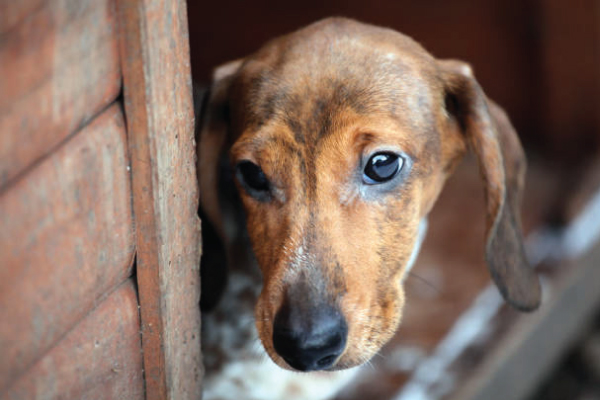
- Dachshund: Their short coat is low-maintenance, but they can still get dirty. Baths every 1-2 months are usually fine.
- Whippet/Greyhound: Their incredibly short coats require less frequent bathing, often only when they get particularly dirty or smelly (every 2-4 months). They are also more sensitive to cold, so ensure they are dried thoroughly.
- German Shorthaired Pointer/Vizsla: Energetic breeds that may require more frequent baths if they’re often outdoors. Every 1-2 months is a good starting point.
Conclusion
Bathing your short-coated dog doesn’t have to be a chore. By understanding the importance of hygiene, preparing your supplies, following a gentle yet thorough process, and providing positive reinforcement, you can make bath time a rewarding experience for both you and your canine companion. Regular, proper bathing contributes significantly to your dog’s overall health, comfort, and happiness, ensuring their short coat remains clean, healthy, and lustrous.
====================
#DogBathing, #LowMaintenanceDogs, #ShortCoatDogs, #DogGrooming, #CleanDogs, #PetCare, #EasyDogBathing, #DogHygiene, #BreedSpecificGrooming, #HappyDog





Add comment