
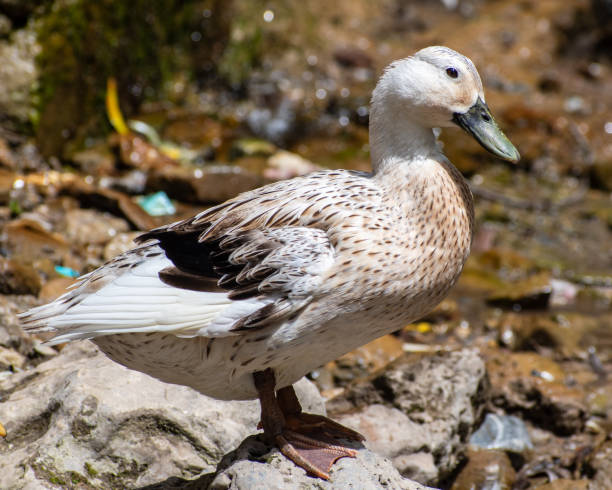
The Silver Appleyard Duck is a rare and striking breed renowned for its elegant appearance and exceptional egg-laying capabilities. Developed in the 1930s by British breeder Charles Appleyard, this breed is a result of crossbreeding between the White Pomeranian, Mallard, and the Cayuga. The Silver Appleyard is celebrated for its slate-gray plumage, robust health, and adaptability to backyard environments.
As a dual-purpose breed, it is prized for both its meat and eggs, though the latter is its primary asset. With an average of 200-250 eggs per year, Silver Appleyards are highly valued by small-scale farmers and homesteaders. Their calm demeanor, coupled with their vibrant coloring, makes them a popular choice for ornamental flocks and poultry shows.
This guide will delve into every aspect of the Silver Appleyard duck, from its physical traits and historical origins to its nutritional needs, breeding practices, and environmental impact. Whether you’re an experienced poultry keeper or a beginner, this resource will equip you with the knowledge to raise, care for, and profitably manage these remarkable birds.
Other Names & Synonyms
The Silver Appleyard is known by several alternative names, including:
- Appleyard Duck (a term that may refer to both Silver and Golden variants)
- Slate-Gray Appleyard
- British Appleyard
- Horseshoe Duck (due to the distinctive white ring around the neck)
It is important to distinguish the Silver Appleyard from its cousin, the Golden Appleyard, which shares the same lineage but exhibits a golden-brown coloration instead of silver-gray. Both variants are part of the broader Appleyard family, but the Silver variant is more prevalent in modern flocks.
Primary Purpose of the Breed
The Silver Appleyard was primarily developed for egg production, though it has been utilized as a meat bird in niche markets. Key purposes include:
- Backyard Egg Production: High egg yield (200-250 eggs/year) and year-round laying make them ideal for small-scale farms.
- Ornamental and Exhibition: Their striking appearance and elegant posture make them popular in poultry shows.
- Dual-Purpose Breeding: While not as prolific for meat as specialized breeds, their quality meat is often used in gourmet markets.
Physical Characteristics
Silver Appleyard ducks are visually distinct, with a unique combination of features that set them apart from other breeds.
Size and Build
- Weight:
- Males: 9-10 lbs (4.1-4.5 kg) at maturity.
- Females: 6.5-7.5 lbs (3-3.4 kg) at maturity.
- Body Shape: Broad, compact, and well-muscled, with a long, sloping back resembling a mallard.
Plumage and Coloration
- Slate-Gray Feathers: A defining trait, with iridescent undertones that shimmer in sunlight.
- Horseshoe Marking: A white band encircling the neck, resembling a horseshoe.
- Facial Features: A small, neat head with a slender, elongated beak.
- Wings and Tail: Rounded wings and a straight, upright tail feather.
Distinction from Golden Appleyard
While the Silver variant is slate-gray, the Golden Appleyard has a rich mahogany-brown plumage with a similar horseshoe marking. Both share the same temperament and productivity.
Weight & Growth Curve
Silver Appleyard ducks grow steadily, reaching adult weight within 3-4 months.
Males vs. Females
- Maturity Age: 8-10 months.
- Growth Rate:
- Week 3: ~70g (2.5 oz).
- Week 10: ~1.5 kg (3.3 lbs).
- Week 20: ~4 kg (8.8 lbs for males; 3 kg for females).
Their slower growth rate compared to commercial breeds ensures better meat quality and fewer developmental issues.
Climatic Tolerances
Silver Appleyards are hardy ducks but thrive best in temperate climates.
Temperature Range
- Ideal: 50-75°F (10-24°C).
- Resilience: Can tolerate cold (down to 0°F/-18°C) with proper shelter and windbreaks.
- Heat Tolerance: Susceptible to heat stress above 90°F (32°C); provide shaded areas and cool water.
Humidity and Water Access
- Require access to clean water for swimming (at least 20 gallons/day per duck).
- High humidity in hot climates increases disease risk; ensure good ventilation.
Reproduction & Egg Production
Silver Appleyards are among the most productive duck breeds, with reliable egg-laying capabilities.
Maturity and Broodiness
- Sexual Maturity: 5-6 months.
- Broodiness: Lightly seasonal; females often go broody 2-3 times per year.
Egg Laying Cycle
- Annual Yield: 200-250 large, creamy-white eggs.
- Laying Season: Peaks in spring/summer; declines with shorter daylight hours.
- Egg Size: 65-75g (2.3-2.6 oz) per egg.
Nesting Habits
- Females prefer quiet, secluded nests in low-lying areas.
- Provide soft bedding (straw or wood shavings) in nesting boxes.
Flying Ability
Silver Appleyard ducks have limited flying ability due to their heavier build. They can glide short distances (10-15 ft) but cannot sustain prolonged flight.
- Escape Risk: Minimal, but some juveniles may jump over low fences.
- Security Measures: Use 3-4 ft (0.9-1.2 m) high fencing with no overhangs to prevent climbing.
Breed History & Origin
The Silver Appleyard was developed in 1930s England by Charles Appleyard of Shropham, Norfolk.
Breed Development
- White Pomeranian: Contributed its slate-gray coloration and upright posture.
- Mallard: Provided the distinct wing pattern and general hardiness.
- Cayuga: Imparted the black tail feathers and greenish tinge to the body.
Appleyard aimed to create a duck with “a long, full, and flat back from the neck to the rump,” as described in the British Poultry Standards.
Consistency and Recognition
By the 1950s, the breed had stabilized and gained recognition in the UK. Today, it is a vulnerable breed in terms of population, with fewer than 10,000 kept as of 2023.
Life Expectancy
With proper care, Silver Appleyard ducks can live 8-12 years, though most backyard flocks average 5-7 years due to disease, predation, or culling for meat.
Factors Affecting Longevity
- Disease management (e.g., preventing parasites).
- Nutrition and genetics.
- Environmental conditions (e.g., clean water, predator-proof housing).
Common Health Issues
Silver Appleyards are generally hardy, but they are susceptible to specific ailments.
1. Duck Virus Enteritis (DVE)
- Symptoms: Sudden death, hemorrhaging, greenish diarrhea.
- Prevention: Quarantine new ducks and disinfect coops.
2. Lice and Mites
- Symptoms: Restlessness, feather loss.
- Treatment: Dust baths with diatomaceous earth or herbal sprays.
3. Nutritional Deficiencies
- Symptoms: Soft-shelled eggs, leg weakness.
- Prevention: Provide layer feed with adequate calcium.
4. Egg Retention
- Symptoms: Painful abdomen, reduced activity.
- Prevention: Ensure calcium-rich diets and stress-free environments.
Breeding & Genetics – Tips for the Advanced Keeper
Breeding Silver Appleyards requires attention to genetic health, mating dynamics, and selective breeding goals.
1. Genetic Diversity
- Inbreeding Risk: Avoid mating closely related ducks to prevent birth defects. Use pedigree tracking software to monitor bloodlines.
- Outcrossing: Occasionally introduce birds from other reputable flocks to enhance vigor.
2. Mating Ratio
- Drake to Hen Ratio: 1:5 (1 male per 5-6 females). Too many males cause aggression; too few reduce fertility.
3. Selective Breeding Goals
- Egg Production: Prioritize hens with consistent laying histories.
- Color and Conformation: Choose ducks that meet British Poultry Standards (e.g., correct wing shape, leg structure).
- Temperament: Select for calm, non-aggressive individuals.
4. Incubation and Hatching
- Egg Incubation: 28 days under a broody hen or in a forced-air incubator at 99.5°F (37.5°C).
- Hatching Success: 60-70% under ideal conditions.
5. Raising Ducklings
- Brooder Requirements: Heat lamp at 95°F (35°C) for the first week, decreasing by 5°F weekly.
- Nourishment: Starter feed (16-18% protein) and shallow water for drinking.
Nutritional Requirements
Silver Appleyards require a balanced diet to support growth, egg production, and health.
1. Layer Feed
- Crude Protein: 16-18% to sustain egg-laying.
- Calcium: 4-5% for strong eggshells.
2. Foraging and Supplementary Feeding
- Forage: Allow 20-30% of the diet to come from insects, grass, and greens.
- Supplements: Oyster shell (free-choice calcium), grit for digestion, and occasional fruits/vegetables.
3. Water Access
- Provide clean, chlorine-free water at all times; ducks require 2-3 times more water than chickens.
Housing & Environmental Design
Proper housing is critical for the health and productivity of Silver Appleyard ducks.
1. Coop Design
- Space Requirements: 2-3 sq ft per duck inside the coop; 10 sq ft per duck outdoors.
- Ventilation: Ensure cross-ventilation to prevent ammonia buildup.
- Bedding: Use pine shavings or straw; replace regularly.
2. Swimming and Dust Bathing Areas
- Swimming Pond: Minimum 6×6 ft with 2 ft depth; clean weekly.
- Dust Bath: A shallow pit with sand or diatomaceous earth for parasite control.
3. Predator Protection
- Fencing: 3-4 ft high with 1×1 inch mesh. Bury 1 ft of fencing underground to deter diggers.
- Coop Security: Secure with padlocks; avoid chicken wire (easily chewed by raccoons).
Behavioral Traits & Enrichment
Silver Appleyards are social and intelligent, requiring mental stimulation and social interaction.
1. Social Behavior
- Flock Dynamics: Hierarchies form quickly; avoid introducing too many unrelated ducks to prevent fighting.
- Human Interaction: Docile and trainable; use clicker training for commands.
2. Environmental Enrichment
- Toys: Floating logs, balls, or mirrors to encourage interaction.
- Foraging Areas: Create a “treasure hunt” with scattered treats or earthworms.
3. Free-Range Management
- Allow supervised free-ranging in predator-free zones to promote natural behaviors.
- Rotate pastures to prevent overgrazing and disease buildup.
Economic Considerations
While Silver Appleyards are not as commercialized as Pekins or Khaki Campbells, they offer unique economic opportunities.
1. Egg Sales
- Price per Dozen: $12-15 in local markets (compared to $5-7 for chicken eggs).
- Niche Markets: Sell as “organic” or “heritage breeds” to premium consumers.
2. Meat Production
- Market Value: $10-12 per pound for properly raised roosters (e.g., 9-10 lbs).
- Challenges: Higher production costs due to lower growth rates and longer maturity periods.
3. Cost-Benefit Analysis
- Initial Costs: $4-6 per duckling.
- Annual Costs: $20-30 per duck for feed, bedding, and healthcare.
- Profit Potential: $150-200 per female annually (200 eggs at $0.75/egg + occasional meat sales).
Environmental Impact
Silver Appleyards can be raised sustainably but require mindful management of resources.
1. Foraging Benefits
- Reduce feed costs by 25-30% with pasture access.
- Ducks help control pests (e.g., ticks, slugs) and aerate soil.
2. Waste Management
- Duck manure is high in nitrogen; compost and use as fertilizer.
- Avoid overstocking to prevent runoff contamination.
3. Carbon Footprint
- Lower than chickens due to foraging and better efficiency in converting feed to eggs.
Conclusion
The Silver Appleyard is a versatile, resilient breed that excels in both productivity and aesthetics. Whether you’re raising them for eggs, meat, or ornamental purposes, understanding their unique needs and history ensures a rewarding experience. With proper care, housing, and selective breeding, these ducks can contribute to a sustainable, profitable homestead.
Frequently Asked Questions (FAQs)
1. Are Silver Appleyards good for beginners?
Yes, their calm temperament and hardiness make them suitable for both novices and experienced duck keepers.
2. Can they live with chickens?
They can, but ensure separate nesting areas and monitor for competition at feeders.
3. How do I prevent predators from attacking them?
Use 3-4 ft high fencing with solid panels, secure coop doors at night, and use motion-activated lights.
4. What’s the best feed for laying Appleyards?
A 16-18% protein layer feed with free-choice oyster shell for calcium. Supplement with greens and insects.
5. Are they noisy?
They are quieter than many breeds but vocalize when alarmed. Quacking is similar to chickens.
#SilverAppleyardDuck, #DuckBreed, #BackyardDucks, #HeritageBreeds, #DuckKeeping, #EggLayingDucks, #DuckCare, #PoultryFarming, #SilverAppleyard, #DuckHousing, #DuckBreeding, #SustainableFarming, #DuckNutrition, #DuckEggProduction, #DuckFarmLife, #DuckBehavior, #RarePoultryBreeds, #DuckkeepingTips, #DuckFarm, #DuckEnrichment
Add comment