
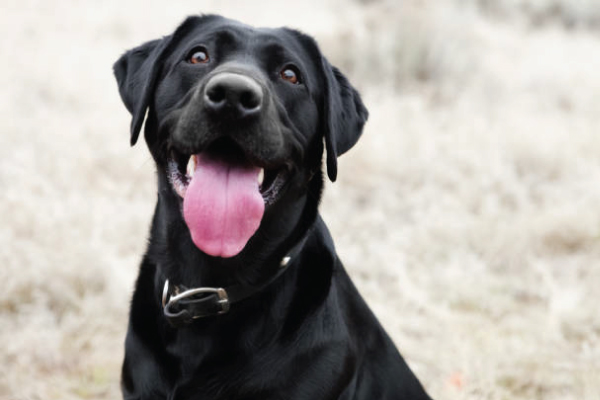
Bringing a new dog into your life is an incredibly rewarding experience. From the boundless joy of puppyhood to the quiet companionship of a seasoned senior, dogs enrich our lives in countless ways. But with that joy comes responsibility, and one of the most fundamental aspects of responsible dog ownership is obedience training. For new dog owners, the world of commands, positive reinforcement, and consistent practice can seem overwhelming. Where do you even begin?
Fear not! This comprehensive guide is your blueprint to mastering the three foundational commands that form the bedrock of a well-behaved canine companion: Sit, Stay, and Come. These commands are not just about impressing your friends at the park; they are essential for your dog’s safety, your peace of mind, and the strengthening of your bond. We’ll delve deep into the “how-to,” explore common pitfalls, and equip you with the knowledge and confidence to embark on this rewarding journey with your furry friend.
Why These Three Commands Matter
Before we dive into the specifics, let’s understand why Sit, Stay, and Come are so crucial.
- Sit: This is often the first command taught and for good reason. A dog that can sit reliably is a dog that can be controlled in a variety of situations. It’s an excellent way to manage excitement, prevent jumping, and encourage a moment of calm. Imagine your dog sitting patiently at the door before going for a walk, or sitting politely when guests arrive. It’s a game-changer for household harmony.
- Stay: This command teaches impulse control and patience. A solid “stay” is paramount for safety. It can prevent your dog from darting into traffic, chasing after a squirrel into a dangerous area, or snatching food off a table. It builds trust, knowing your dog will remain where you’ve asked them to, even with distractions.
- Come: The recall command, or “come,” is arguably the most important for your dog’s safety. A strong recall can save your dog’s life if they ever get loose or find themselves in a precarious situation. When your dog comes when called, it means freedom for them to explore safely and peace of mind for you.
Mastering these three commands forms the foundation of a well-trained dog and opens the door to teaching more complex behaviors. Let’s get started!
The Philosophy of Positive Reinforcement
Before we break down each command, it’s vital to understand the training philosophy we’ll be employing: positive reinforcement. This approach focuses on rewarding desired behaviors, making them more likely to occur in the future. It’s about building a positive association with training and with you.
Key Principles of Positive Reinforcement:
- Rewards: These can be high-value treats (small, soft, and incredibly tasty), praise, or even a favorite toy. Discover what motivates your dog.
- Timing is Crucial: Reward your dog immediately after they perform the desired behavior. This helps them connect the action with the reward.
- Consistency: Use the same command word and expect the same behavior every time. Everyone in the household should be on the same page.
- Patience: Every dog learns at their own pace. Frustration will hinder progress. If you or your dog is feeling stressed, take a break.
- Short, Fun Sessions: Keep training sessions brief (5-10 minutes) and enjoyable. Multiple short sessions throughout the day are more effective than one long, drawn-out one.
- Start Simple, Gradually Increase Difficulty: Begin in a quiet, distraction-free environment and slowly introduce more challenging scenarios.
Never punish your dog for not understanding or for making mistakes. This can create fear and anxiety, making training difficult and damaging your relationship. Instead, redirect them or break down the behavior into smaller, more manageable steps.
Command #1: Sit – The Foundation of Control
The “sit” command is your gateway to a more obedient dog. It’s relatively easy to teach and provides immediate visible results.
What You’ll Need:
- High-value treats (small, bite-sized)
- A quiet environment with minimal distractions
Step-by-Step Guide to Teaching “Sit”:
- Get Your Dog’s Attention: Stand or kneel in front of your dog. Hold a treat in your hand, letting your dog sniff it.
- The Lure: Hold the treat a few inches from your dog’s nose. Slowly move the treat upwards and slightly back over their head, towards their tail.
- Why this works: As your dog’s nose follows the treat, their head will tilt up and back. To maintain balance as their head goes up, their rear end will naturally lower into a sit.
- Add the Command Word: As their rear end starts to lower, say the word “Sit” in a clear, cheerful voice.
- Reward Instantaneously: The moment your dog’s bum hits the floor, say “Yes!” (or use a clicker if you’re clicker training) and immediately give them the treat and enthusiastic praise.
- Repeat: Practice this several times in short sessions. Most dogs grasp the physical lure quickly.
Troubleshooting “Sit”:
- My dog backs up instead of sitting: You might be holding the treat too high or moving it too far back. Adjust the angle and distance. Try moving the lure slightly up and just a little back.
- My dog jumps up for the treat: Your lure is likely too high. Keep it closer to their nose initially.
- My dog still isn’t sitting: If the lure isn’t working, you can gently guide your dog into a sit by placing one hand on their back and gently encouraging their rear end down, while simultaneously using the lure. Only do this for a few repetitions if needed, and immediately reward. The goal is for them to learn to do it on their own.
- My dog only sits when they see the treat: This means they are performing the action purely for the lure, not understanding the command. Once they reliably sit with the lure, start making the lure motion without a treat in your hand (but still have treats in your pocket!). Reward them after they sit. Gradually fade the lure altogether, relying solely on the verbal cue “Sit.”
Generalizing “Sit”:
Once your dog reliably sits in a quiet environment, start introducing distractions:
- Different Locations: Practice in other rooms of your house, in the backyard, on walks (in quiet areas first).
- Varying Distractions: Practice with other people present, with the TV on, with other dogs at a distance.
- Duration: Once your dog sits easily, start asking them to hold the sit for a few seconds before rewarding. Gradually increase the duration.
- Distance: Ask for a sit when you are a step or two away.
Pro-Tip: Before giving your dog their food, ask them to sit. This integrates the command into their daily routine and reinforces that good behavior earns good things.
Command #2: Stay – The Art of Patience
“Stay” teaches your dog to remain in a specific position (often a sit or down) until released. This command requires impulse control and is built upon a solid “sit” (or “down”).
What You’ll Need:
- A dog that reliably understands “Sit.”
- High-value treats.
- A quiet environment.
Step-by-Step Guide to Teaching “Stay”:
- Cue “Sit”: Ask your dog to sit.
- Open Hand Signal and Command: Immediately after they sit, present them with an open palm (like a “stop” sign) directly in front of their face, and say “Stay” in a calm, firm voice.
- Short Duration First: Wait for only one second. If they stay, immediately say “Yes!” and give them the treat and praise.
- Release Word: Introduce a release word like “Okay,” “Free,” or “Break.” Say your release word and encourage your dog to move. This clearly signals the end of the “stay.”
- Gradually Increase Duration: Over several short training sessions, slowly increase the amount of time you ask your dog to stay. Go from one second to two, then three, and so on. If your dog breaks the stay, don’t scold them. Simply reset them in the original position and try again with a shorter duration.
- Gradually Increase Distance: Once your dog can hold a stay for a reasonable duration (e.g., 10-15 seconds) with you standing right in front of them, start to take one step back. If they stay, return immediately, reward, and release. Slowly increase the distance, one step at a time. Always return to your dog to reward them initially; don’t call them to you while in a stay.
- Add Distractions: Once duration and distance are good, begin to introduce very mild distractions.
More Advanced “Stay” Training:
- Moving Away: Gradually increase the distance you move away. Eventually, you’ll be able to walk around the room.
- Turning Away: Turn your back to your dog while they are in a stay.
- Adding Visual Distractions: Have someone walk by at a distance, drop a toy.
- Adding Auditory Distractions: Play music softly, have the TV on.
Troubleshooting “Stay”:
- My dog breaks the stay immediately: You are likely asking for too much too soon. Go back to very short durations and minimal distance. Ensure you are rewarding them for staying, not for breaking.
- My dog creeps forward instead of staying: This often happens when you are increasing the distance. Make sure you are returning to your dog to reward them and release them. If you call them during the stay, they learn that moving towards you is part of the command.
- My dog gets up when I say the release word: Make sure your release word is distinct and always used to signal the end of the stay. Give a highly enticing reward or a fun game after the release word.
- My dog only stays if I’m looking: Practice turning away for brief moments. If they break, gently guide them back to the original position and try again for a shorter duration.
Pro-Tip: Always go back to your dog to reward and release them during the initial stages of teaching “stay” with distance. This reinforces that they remain in place, and you return to them.
Command #3: Come – The Lifesaving Recall
The “come” command, or recall, is the most critical for your dog’s safety. A solid recall means your dog will abandon any distraction and return to you when called. This is often the hardest command to master because it requires your dog to override their natural instincts and distractions.
What You’ll Need:
- A long, lightweight training lead (15-30 feet). This is crucial for safely practicing recall.
- High-value treats (extra special ones they only get for recall).
- A large, safe, enclosed area (a fenced yard or a secure park).
- Enthusiasm and a happy, inviting tone of voice.
Step-by-Step Guide to Teaching “Come”:
- Start in a Safe, Enclosed Area: Begin with the long lead attached. This prevents your dog from running off if they don’t respond.
- Get Their Attention: When your dog is distracted but still aware of you, say their name in a happy, excited tone.
- Example: “Fido!”
- Cue “Come”: As soon as they look at you, say “Come!” in a joyful, encouraging voice, with a slightly higher pitch than normal. Clap your hands, pat your legs, and make yourself exciting.
- Encourage Movement: As you say “Come,” take a few steps backward, away from your dog. This encourages them to move towards you.
- Reward Enthusiastically: The moment your dog reaches you, shower them with praise, excitedly call their name, and give them one of their extra-special treats. Make a HUGE fuss!
- Release Word (Optional but Recommended): You can use a release word like “Okay” or “Free” to let them know the recall is over and they can go play again.
- Repeat, Repeat, Repeat: Practice this many times, in short sessions, in the safe area with the long lead.
Important Rules for “Come”:
- NEVER use “Come” for something unpleasant: Never call your dog to come to you for a bath, nail trim, medication, or punishment. This will create a negative association with the command. If you need to do something unpleasant, go get them.
- Always make it a party: Your recall cue should be the most exciting thing happening.
- If they don’t come, don’t chase: If your dog doesn’t respond, don’t chase them. This can turn into a game of chase, and they learn that ignoring you is okay. Instead, give a gentle tug on the long lead to guide them, or try to make yourself more exciting.
- Vary your rewards: Sometimes it’s a super treat, other times it’s a quick game of tug, or a happy fuss.
- Don’t call them if you know they won’t come: In the early stages, if they are engrossed in something and you know they won’t respond, go to them. Don’t risk a failed recall.
Gradually Increasing the Challenge for “Come”:
- Varying Distances: Practice recalls from further away.
- Introducing Mild Distractions: Practice in areas with a few more distractions (e.g., a quiet park with a few other people walking at a distance).
- Increasing Duration of Distraction: As your dog gets better, you can start to introduce more significant distractions (e.g., a ball being thrown, another friendly dog at a distance).
- Using the Long Lead in Less Enclosed Areas: Once your recall is very strong, you can use the long lead in less enclosed but still safe areas, allowing for more freedom.
Troubleshooting “Come”:
- My dog won’t come when I call: You’ve likely made it too difficult too soon, or you’ve used “come” for negative things. Go back to basics in a distraction-free environment with high-value rewards. Rebuild the positive association.
- My dog comes but then runs away: You might not be rewarding them with enough enthusiasm, or you haven’t established a clear release word. Make the reward and praise over the top!
- My dog is distracted by everything: This is normal! You need to make yourself more exciting than the distraction. Practice in progressively more distracting environments, always ensuring you have the ability to enforce the recall with the long lead if needed.
Pro-Tip: When you are out and about and your dog is off-leash (in safe, legal areas), practice short, random recalls. Call them, reward them, and then immediately release them to go play. This reinforces that coming to you is not always the end of their fun.
Beyond the Basics: Making Training a Lifestyle
Mastering Sit, Stay, and Come is a significant achievement. But obedience training is not a one-time event; it’s an ongoing process that strengthens your bond and keeps your dog mentally stimulated.
Tips for Long-Term Success:
- Keep it Fun: Always end training sessions on a positive note, even if it means asking for an easy-to-do command.
- Vary Your Rewards: Keep your dog guessing and motivated.
- Integrate into Daily Life: Use commands throughout the day, not just in dedicated training sessions.
- Socialization is Key: Expose your dog to various sights, sounds, people, and other well-behaved dogs from a young age. This helps them stay calm and focused in different environments.
- Seek Professional Help if Needed: If you are struggling, don’t hesitate to consult a certified professional dog trainer. They can offer personalized guidance.
- Be Patient and Persistent: Every dog is an individual. Celebrate small victories and don’t get discouraged by setbacks.
Conclusion: A Journey of Connection
Teaching your dog “Sit,” “Stay,” and “Come” is more than just imparting commands; it’s about building a language of trust and understanding between you and your canine companion. It’s about empowering yourself to manage your dog safely and confidently in any situation. With positive reinforcement, patience, consistency, and a whole lot of love, you’ll be well on your way to a well-behaved, happy, and truly connected dog. Enjoy the process, cherish the moments, and revel in the incredible bond you are forging, one command at a time.
#dogtraining #dogobedience #puppytraining #sitcommand #staycommand #comecommand #dogrecall #positivereinforcement #dogtrainingtips #caninetraining #trainingyourdog #newdogowner #dogbehavior #wellbehaveddog #doglife #doglove #dogtraining101 #dogcommands #obedience #dogtrainer #happydog #dogtraining #dogobediencetraining #puppytraining #dogcommands #sitstaycome #dogrecall #positivereinforcement #dogtips #dogownerlife #trainingadog #dogbehavior #puppylove #dogtrainingguide





Add comment