
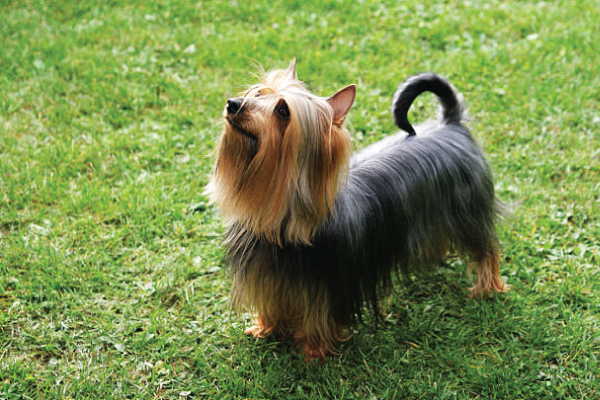
Sit & Stay Mastery: Your Comprehensive Guide to Advanced Duration, Distractions, and Distance
The “Sit & Stay” command is one of the foundational pillars of dog training. It’s more than just a trick; it’s a crucial communication tool that builds impulse control, strengthens your bond, and enhances your dog’s safety and your peace of mind. But what happens when your dog masters the basic “Sit & Stay” a few feet away with no distractions? That’s where the real magic begins. This comprehensive guide will take you on an in-depth journey into advanced “Sit & Stay” training, focusing on mastering duration, navigating inevitable distractions, and extending the distance, transforming your canine companion into a truly reliable and impressive performer.
We’ll explore the science behind reinforcement, delve into the art of progressive training, and equip you with the strategies to overcome common challenges. By the end of this guide, you’ll have a clear roadmap to elevate your dog’s “Sit & Stay” from a basic cue to a testament to their focus, obedience, and your dedicated training efforts.
The Science Behind the Sit & Stay: Understanding Reinforcement
Before we dive into the advanced techniques, it’s essential to have a solid understanding of the principles that make “Sit & Stay” work. At its core, dog training relies on operant conditioning, specifically positive reinforcement.
- Positive Reinforcement: This means adding something desirable (a treat, praise, a toy) immediately after a behavior occurs to increase the likelihood of that behavior happening again. For “Sit & Stay,” this involves rewarding your dog for remaining in the sit position.
- Intermittent Reinforcement: Once your dog reliably performs the behavior, you can transition from rewarding every successful instance to rewarding intermittently. This is where the real strength of the “Stay” is built. Randomly rewarding a good stay makes the behavior more resistant to extinction – meaning your dog is less likely to break the stay even if they don’t get a reward every single time.
- The Power of the Release Cue: A clear and consistent release cue (like “Okay,” “Free,” or “Break”) is vital. It signals to your dog that the “Stay” is over and they are allowed to move. Without a release cue, dogs can become anxious or confused about when they are permitted to move, potentially leading to premature breaking of the stay.
- Understanding Drive: Some dogs are naturally high-drive and easily excited, while others are more laid-back. Understanding your dog’s individual temperament and drive level will help you tailor your training approach and set realistic expectations. High-drive dogs may require more engaging rewards and shorter, more frequent training sessions initially, especially when introducing distractions.
Building a Rock-Solid Foundation: The Pre-requisites
Before embarking on advanced training, ensure your dog has a strong grasp of the basics. They should:
- Understand and reliably perform a “Sit” on cue. This should be immediate and consistent.
- Hold a “Sit” for at least 10-15 seconds without breaking.
- Respond to their name with focus.
- Be comfortable with you being in their general vicinity while they are sitting.
If your dog struggles with these fundamentals, take a step back and solidify them before proceeding. Rushing the process will only lead to frustration for both of you.
Advanced “Sit & Stay”: The Three Pillars of Mastery
Advanced “Sit & Stay” training can be broken down into three interconnected pillars: Duration, Distractions, and Distance. We will explore each of these in detail, emphasizing the importance of gradual progression and positive reinforcement.
Pillar 1: Mastering Duration – The Art of Patience
Duration training is about teaching your dog to hold a “Stay” for progressively longer periods. This builds their impulse control and teaches them to remain calm and settled even when you’re not actively supervising them.
The Gradual Progression:
- Start Small, Then Grow: Begin with your dog in a “Sit.”
- Introduce the “Stay” Cue: Use your chosen verbal cue (“Stay”) and a hand signal (often an open palm facing your dog).
- Take One Tiny Step Back (or just pause): Immediately return to your dog.
- Reward: If they held their “Stay,” reward with a high-value treat and praise. If they moved, no reward, simply reset and try again with an easier step.
- Increase Gradually: Slowly increase the time you wait before returning. Aim for just a few seconds longer each time. Think 2 seconds, then 4, then 6, then 8, and so on. Never push your dog too far too fast.
- The “Look At That” Game (for duration): Once you’re comfortable with them staying for 10-15 seconds, start incorporating a technique to help them relax and not anticipate your return. When you’re in the “Stay,” if your dog looks at you, praise them softly and then look away. This teaches them that looking at you is okay and doesn’t necessarily mean the stay is over.
- Practice with Variations: Once they can hold a stay for 30 seconds to a minute, start practicing in different positions (down-stay), but always return to the sit-stay focus for now.
- The Importance of a “Break” Cue: Always end the “Stay” with a clear release cue. Make it exciting – a cheerful “Okay!” or “Free!” and perhaps a little flourish of movement. You want them to understand that this is the signal to relax and move.
Common Challenges and Solutions for Duration:
- Dog Breaks the Stay Immediately: You’re likely moving too fast or asking for too much duration too soon. Shorten the time you expect them to stay and reduce the movement you’re making.
- Dog Gets Anxious or Whines: This can indicate they’re being asked to hold a stay for too long or are experiencing separation anxiety. Go back to shorter durations where they are successful and gradually increase. Consider engaging in relaxation exercises outside of formal training.
- Dog “Stalks” You: They are anticipating your return. Use the “Look At That” game to teach them that looking at you is acceptable and doesn’t always mean the stay is over. Vary your returns – sometimes you return quickly, sometimes you wait a bit longer.
Troubleshooting Tip: If your dog is consistently breaking the stay after a certain duration (e.g., 30 seconds), aim to practice at that duration successfully several times before trying to extend it. Gradually adding just a few extra seconds each session will lead to greater success and prevent frustration.
Pillar 2: Introducing Distractions – The Real World Test
This is where “Sit & Stay” moves from controlled environments to the unpredictable world outside. Distractions are anything that diverts your dog’s attention from their “Stay” cue. This can range from a falling leaf to another dog walking by.
The Hierarchy of Distractions:
It’s crucial to introduce distractions in a controlled and systematic way, starting with low-level distractions and gradually increasing complexity. Think of it as building a distraction ladder.
- Environment is Key: Start in a quiet room in your house. No one else around.
- Low-Level Distractions (in the controlled environment):
- Noises: Drop a pen, rustle a piece of paper, or gently close a door.
- Visuals: Someone walks across the room at a distance, a toy is dropped on the floor away from your dog.
- Your Movement: Walk around your dog, crouch down, stand up.
- Gradually Increase Intensity:
- Household Distractions: Now progress to the garden or backyard.
- Visuals: A squirrel runs past at a distance, a leaf blows by, someone walks by the fence.
- Sounds: A car drives down the street, a siren in the distance, another dog barking far away.
- Household Distractions: Now progress to the garden or backyard.
- Moving to More Challenging Environments:
- Quiet Public Parks (off-peak hours):
- People: Someone walks by at a distance.
- Other Dogs (very far away and calm): This is a big step. Ensure you have control and can manage your dog’s reaction.
- Busy Parks (progressively):
- Increase proximity of people and other dogs.
- Introduce children playing, other animals (birds, squirrels).
- Traffic noise.
- Quiet Public Parks (off-peak hours):
- Everyday Scenarios:
- Sitting outside a cafe.
- Waiting at the vet’s office.
- At the dog park waiting for your turn to enter.
Key Strategies for Distraction Training:
- “Look At That” Game (for distractions): This is a powerful tool! When your dog notices a distraction, instead of letting them fixate or break the stay, you can subtly point it out with your gaze or a gentle nod and say “Look at that.” As soon as they acknowledge it and then look back at you (even for a split second), reward them. This teaches them to acknowledge stimuli without reacting inappropriately.
- Reward for Ignoring: Reward your dog for not reacting to the distraction. The moment they choose to keep their focus on you despite the distraction, that’s a jackpot moment.
- Desensitization and Counter-Conditioning: For particularly strong distractions (like other dogs for a reactive dog), you might need to employ desensitization (gradually exposing them to the distraction at a very low intensity) and counter-conditioning (associating the distraction with positive experiences).
- Maintain High-Value Rewards: When working with distractions, your treats need to be extra special. Think small pieces of cooked chicken, cheese, or hot dogs.
- Know Your Dog’s Threshold: Always work within your dog’s “threshold” – the point at which they can still function and learn. If they are too stressed or overwhelmed by a distraction, they won’t be able to learn and will likely fail, leading to frustration. Move further away from the distraction if needed and build up again.
- End on a High Note: Always aim to finish your distraction training sessions with a successful “Stay” in a less distracting environment or at a shorter duration where you know they will succeed. This builds confidence.
Common Challenges and Solutions for Distractions:
- Dog Constantly Looks Away: You’re exposing them to too much distraction too soon. Retreat to a less distracting environment or increase the distance from the distraction.
- Dog Tenses Up or Becomes Anxious: The distraction is too overwhelming. Take a step back. Consider if your dog is truly ready for this level of distraction. Ensure they have a strong foundation in duration and distance first.
- Dog Wants to Chase: This is a prey drive issue. While “Stay” can help, it’s also important to work on impulse control specifically related to chasing. Reward heavily for not reacting when a squirrel or other fast-moving object appears at a distance.
- Dog Barks: This indicates over-arousal. Again, retreat and work at a lower intensity. Focus on rewarding calm behavior.
Troubleshooting Tip: If your dog is particularly reactive to other dogs, start by practicing “Sit & Stay” at a distance where they notice the other dog but don’t react. Reward them heavily for remaining calm. Gradually decrease the distance over many sessions. If they show any signs of stress, you’ve moved too close too soon.
Pillar 3: Extending Distance – The Freedom of Independence
Distance training is about teaching your dog to maintain their “Stay” as you move further away. This is crucial for practical applications like having your dog stay at the door while you answer it, or waiting patiently at a distance while you’re in a shop.
The Gradual Expansion:
- Start Where You Left Off: Begin from your established duration success.
- One Step Away: Ask for a “Sit & Stay.” Take just one small step away, pause, and then return to reward.
- Two Steps Away: Gradually increase the steps. Focus on returning to your dog before they break the stay.
- The “Hide and Seek” Variation: Once your dog can hold a stay while you’re a few steps away, try hiding behind a corner or a large object for a few seconds. Call them to you with their release cue. This is a fun way to practice distance and recall simultaneously.
- Increasing the Distance in Stages:
- Across the room.
- To another room (door ajar).
- To another room (door closed).
- Outside the front door.
- Across the street (in a safe, controlled area).
- Combine with Distractions: As your dog becomes more confident with distance, start reintroducing low-level distractions while you’re further away. This is where true mastery begins to shine.
Key Strategies for Distance Training:
- Return to Your Dog: Initially, it’s crucial to return to your dog to reward them. This reinforces that they held the stay for you. Gradually, you can begin to call them to you occasionally for a reward, but always prioritize returning to them to reinforce the “stay.”
- Use a Long Leash (if necessary): For added security in slightly more distracting environments, a long lead can provide peace of mind without hindering the training process. However, ensure your dog is not just leaning on the line for support.
- Maintain Visual Contact: While you’re increasing distance, try to maintain some visual contact with your dog. This allows you to see if they are starting to get restless.
- Be Patient and Consistent: Distance training can take time. Dogs are naturally inclined to be near their owners, so asking them to stay far away requires significant impulse control.
- Reward Calmness at a Distance: If your dog is sitting calmly while you are at a distance, reward them for that quiet focus.
Common Challenges and Solutions for Distance:
- Dog Breaks the Stay as Soon as You Move: You’re asking for too much distance too quickly. Go back to just one step away and focus on rewarding immediately upon return.
- Dog Seems Unsure or Anxious: They might be questioning the command or feeling insecure. Ensure you’re still using a clear release cue. Sometimes, simply increasing the length of your “return to reward” can help.
- Dog Loses Focus: This is where combining distance with distractions becomes challenging. Break it down: first master distance with minimal distractions, then gradually reintroduce them.
Troubleshooting Tip: If your dog consistently breaks the stay at a particular distance, it means you’ve reached their current limit. Don’t push it. Go back to a distance where they are consistently successful and practice there for several sessions before trying to extend again.
Putting It All Together: The Synergy of Duration, Distractions, and Distance
The true brilliance of advanced “Sit & Stay” mastery lies in the synergistic combination of these three pillars. You don’t train them in isolation forever. As your dog improves in one area, you can slowly and systematically introduce elements of the others.
The Progressive Ladder Example:
- Beginner: Sit for 5 seconds, 2 feet away, no distractions.
- Intermediate: Sit for 30 seconds, 5 feet away, low household distractions (e.g., someone walking by at the window).
- Advanced: Sit for 1 minute, 20 feet away, moderate distractions (e.g., a calm dog walking by at a distance in a park).
- Mastery: Sit for 3 minutes, 50 feet away (or out of sight around a corner), significant distractions (e.g., children playing nearby, other dogs at a distance, ambient city noise).
Important Considerations for Advanced Training:
- High-Value Rewards are Non-Negotiable: For advanced training, especially with distractions, you need treats that are more exciting than anything happening around your dog.
- Keep Sessions Short and Fun: 5-10 minutes of focused training is far more effective than a long, drawn-out session where both you and your dog become fatigued.
- End on a Positive Note: Always finish your training sessions with a successful exercise and enthusiastic praise. This builds confidence and makes your dog eager for the next session.
- Proofing is Key: “Proofing” means testing your dog’s “Stay” in a wide variety of environments and situations to ensure the command is reliable.
- Listen to Your Dog: Pay attention to their body language. If they are showing signs of stress, anxiety, or frustration, you are asking for too much. Back off and reassess.
- Celebrate Small Victories: Advanced training can be challenging, so acknowledge and celebrate every step of progress.
- Consider a Professional Trainer: If you encounter persistent challenges or feel you’re not making progress, don’t hesitate to seek guidance from a certified professional dog trainer. They can offer tailored advice and hands-on support.
The Rewards of Mastering “Sit & Stay”
Mastering “Sit & Stay” at an advanced level brings a wealth of benefits:
- Enhanced Safety: A reliable “Stay” can prevent your dog from running into traffic, approaching strangers who may be fearful of dogs, or getting into potentially dangerous situations.
- Increased Impulse Control: This training significantly strengthens your dog’s ability to resist temptation and manage their impulses, leading to better overall behavior.
- Stronger Bond: The trust and communication built through consistent, positive training forge a deeper connection between you and your dog.
- Peace of Mind: Knowing you can rely on your dog in various situations offers immense relief and allows you to enjoy your time together more fully.
- Impressive Canine Citizen: A dog with a rock-solid “Sit & Stay” is a joy to behold and a wonderful ambassador for responsible dog ownership.
Conclusion: The Journey to Canine Confidence
Advanced “Sit & Stay” mastery is not a sprint; it’s a rewarding marathon. It requires patience, consistency, and a deep understanding of your dog’s learning process. By diligently working through duration, distractions, and distance, employing positive reinforcement, and celebrating each milestone, you will not only transform your dog’s obedience but also unlock a new level of partnership and mutual respect. Your dog will become a confident, reliable companion, ready to face the world with a calm and controlled demeanor, all thanks to your dedication to “Sit & Stay” mastery.
#dogsitstay #dogtraining #advanceddogtraining #canineobedience #impulsecntrol #positivereinforcement #dogbehavior #dogtrainingtips #wellbehaveddog #doglover #dogtrainingadvice #puppytraining #dogobedience #proofyourdog #dogtrainer #doglife #dogsofinstagram #dogsofyoutube






Add comment