
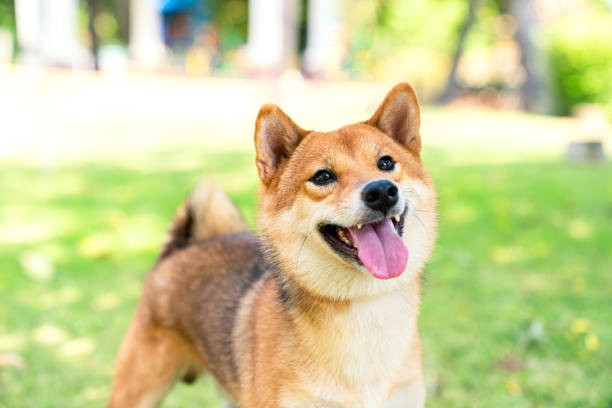
The “sit” command is more than just a trick; it’s the cornerstone of building a well-behaved and confident puppy. It teaches your canine companion impulse control, focus, and a valuable way to remain calm in various situations. Mastering “sit” is the first and arguably most important step in establishing a strong foundation for all other obedience training and a harmonious relationship with your dog.
This comprehensive guide will delve into why “sit” is so crucial, various methods for teaching it, common challenges and solutions, and how to generalize the command for real-world success.
Why “Sit” is the Foundation of Calmness
Before we dive into the “how,” let’s understand the “why.” The “sit” command offers your puppy several key benefits that contribute to their overall calmness and good behavior:
- Impulse Control: By teaching your puppy to sit, you are teaching them to pause and think before acting. This is vital for preventing jumping on guests, snatching food, or darting out of doors. They learn to wait for your cue.
- Focus and Attention: The act of performing a sit requires your puppy to focus on you and the task at hand. This reinforces their attention span and makes them more receptive to further training.
- Calming Signal: For a puppy, sitting is a naturally less aroused position than standing and wiggling or jumping. It encourages a more relaxed state of mind.
- Communication Bridge: “Sit” provides a clear and concise way for you to communicate your expectations to your puppy. It simplifies interactions and reduces frustration for both of you.
- Preventative Behavior: A well-trained “sit” can prevent a multitude of unwanted behaviors. For example, asking for a sit before putting their food bowl down can prevent them from rushing the bowl. Asking for a sit before greeting someone can prevent them from jumping.
- Confidence Builder: As your puppy successfully learns and executes the “sit” command, their confidence grows. This positive reinforcement encourages them to engage in training and tackle new challenges.
- Safety: In potentially dangerous situations, a reliable “sit” can be a lifesaver. It can prevent them from running into traffic, approaching unknown animals, or getting into trouble.
Methods for Teaching the “Sit” Command
There are several effective methods to teach your puppy to sit. The key is to be patient, consistent, and use positive reinforcement. Choose the method that best suits your puppy’s personality and your training style.
Method 1: The Lure Method (Most Common and Effective)
This is the most popular and often easiest method for puppies and beginners.
What you’ll need:
- High-value treats (small, soft, and enticing for your puppy)
- A quiet environment with minimal distractions
- Your puppy!
Steps:
- Get your puppy’s attention: Hold a treat near your puppy’s nose.
- Lure the sit: Slowly move the treat upwards and slightly back over your puppy’s head. As their nose follows the treat, their rear end will naturally lower into a sit.
- Mark and reward: The moment your puppy’s rear touches the ground, say “Yes!” or use a clicker (if clicker training) and immediately give them the treat. Timing is crucial here – reward the instant the sit happens.
- Repeat: Perform this several times in short, frequent sessions (2-5 minutes).
- Add the verbal cue: Once your puppy consistently sits when you lure them, start saying the word “Sit” just as you begin to move the lure.
- Fade the lure: Gradually make the lure motion smaller and less obvious. Eventually, you should be able to say “Sit” and give a subtle hand motion, and your puppy will respond.
- Remove the lure: Continue practicing with just the verbal cue and a minimal hand signal. Reward generously.
Tip: If your puppy backs up instead of sitting, you might be holding the lure too far back. Try moving it more directly over their head.
Method 2: Capturing the Sit
This method involves observing your puppy and rewarding them when they naturally perform the desired behavior.
What you’ll need:
- High-value treats
- Your puppy
Steps:
- Observe: Keep treats handy and watch your puppy.
- Catch them in the act: The moment your puppy naturally lowers themselves into a sit, enthusiastically say “Yes!” (or click) and immediately toss them a treat.
- Repeat consistently: This method requires patience. You’ll need to be ready to mark and reward every time you see them sit.
- Add the verbal cue: Once your puppy starts to understand that sitting earns them a reward, begin saying “Sit” just as they begin to sit.
- Shape the behavior: Over time, you can begin to request the sit more actively, eventually fading the need to wait for them to do it on their own.
Tip: If your puppy is very wiggly, this method might take longer.
Method 3: The Gentle Push (Use with Caution and Only if Necessary)
This method involves a very gentle physical prompt. It’s important to use this sparingly and with extreme gentleness to avoid any discomfort or negative association for your puppy.
What you’ll need:
- High-value treats
- Your puppy
Steps:
- Hold a treat: Hold a treat near your puppy’s nose.
- Gentle guidance: As you lure, use your other hand to very gently apply light pressure on their rear end, encouraging it downwards into a sit.
- Mark and reward: The instant their rear touches the ground, say “Yes!” and give the treat.
- Fade the pressure: Gradually reduce the amount of physical pressure needed until your puppy is sitting with just the lure and verbal cue.
Caution: This method should be a last resort and only used with the utmost gentleness. Never force your puppy into a sit. If they seem resistant or uncomfortable, revert to the lure method.
Key Principles for Success
Regardless of the method you choose, these principles are vital for effective “sit” training:
- Positive Reinforcement: Always use praise, treats, and toys to reward desired behavior. Avoid punishment, as it can create fear and anxiety.
- Consistency: Use the same verbal cue (“Sit”) and hand signal every time. Ensure all family members are on the same page.
- Short, Frequent Sessions: Puppies have short attention spans. Aim for multiple 2-5 minute training sessions throughout the day rather than one long session.
- Timing is Everything: Mark the precise moment your puppy performs the correct behavior.
- Patience: Every puppy learns at their own pace. Don’t get discouraged if your puppy doesn’t grasp it immediately.
- High-Value Rewards: Use treats that your puppy absolutely loves and doesn’t get at other times.
- End on a Positive Note: Always end your training sessions with a successful repetition and a generous reward, leaving your puppy eager for the next session.
Common Challenges and Solutions
- Puppy backs up instead of sitting: You might be pulling the lure too far back. Try luring more directly over their head.
- Puppy jumps to get the treat: Keep the treat closer to their nose when you start the lure. Don’t hold it too high.
- Puppy is too excited and won’t focus: Try training in a quieter environment with fewer distractions. Ensure your puppy isn’t overtired or overstimulated.
- Puppy won’t “sit” on a slippery surface: Some puppies find it hard to maintain balance on hard floors. Try training on carpet or grass.
- Puppy only sits when I have a treat: This indicates you’re relying too heavily on the lure. Start fading the lure earlier and practice with just the verbal cue and hand signal.
Generalizing the “Sit” Command
Once your puppy reliably sits in a quiet environment, it’s time to generalize the command to real-world situations. This means practicing in various locations and with increasing distractions.
- Different Rooms: Practice “sit” in different rooms of your house.
- Outside: Move to your backyard, then the front yard.
- Low-Distraction Public Areas: Practice in a quiet park, on a quiet street, or at a friend’s house.
- Gradually Increase Distractions: As your puppy improves, introduce more distractions:
- Other people walking by
- Other dogs at a distance
- Noises (cars, children playing)
- Food on the ground (practice “sit” before they can get it)
- Vary Rewards: Start rewarding every few sits, then randomly. This helps your puppy learn to sit because they know it’s the right thing to do, not just for a treat.
- Incorporate into Daily Routines:
- Before meals: Ask for a “sit” before placing their food bowl down.
- Before going outside: Ask for a “sit” at the door before opening it.
- When greeting people: Ask for a “sit” when guests arrive.
- During walks: Ask for a “sit” at intersections or when you need to pause.
Beyond the Basics: Advanced “Sit” Applications
As your puppy becomes a pro at “sit,” you can use it for more advanced applications:
- “Stay”: The “sit” is the prerequisite for teaching a reliable “stay.”
- “Leave It”: A “sit” can precede a “leave it” command, teaching the puppy to disengage from something they want.
- Calm Greetings: Teaching a polite “sit” when meeting new people is essential for preventing jumping and excitement.
- Waiting for Resources: Using “sit” for food, toys, or going through doors teaches patience and impulse control.
Conclusion
The “sit” command is the bedrock of good canine behavior and a vital tool for building a calm, confident, and well-adjusted puppy. By employing positive reinforcement, consistency, and patience, you can effectively teach your puppy this fundamental command. Remember, training is not just about obedience; it’s about strengthening the bond with your furry companion and setting them up for a lifetime of happy and well-behaved companionship. Embrace the journey, celebrate the small victories, and enjoy the rewarding process of building a strong foundation with your puppy, one “sit” at a time.





Add comment