
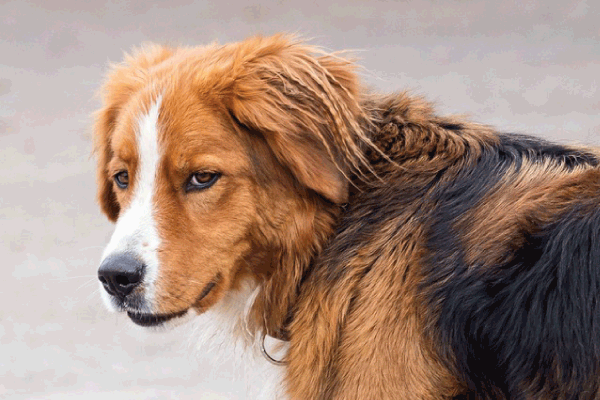
The skin and hair coat of a dog are far more than just a superficial covering. This complex integumentary system serves as a vital barrier, a thermoregulatory organ, a sensory apparatus, and a crucial component of communication. Understanding the intricate structure and diverse functions of a dog’s skin and hair coat is essential for proper care, health monitoring, and appreciating the unique adaptations of our canine companions.
I. Structure of the Dog’s Skin
The dog’s skin is a multi-layered organ, composed primarily of two main layers, supported by a deeper subcutaneous layer.
A. Epidermis: The outermost layer, the epidermis, is avascular (lacks blood vessels) and relatively thin. Its primary role is protection. It is further subdivided into several strata (layers):
- Stratum Corneum: The topmost layer, composed of flattened, dead keratinocytes. It forms a tough, water-resistant barrier that prevents the entry of pathogens, chemicals, and excessive water loss. This layer is constantly shedding and regenerating.
- Stratum Lucidum: A thin, translucent layer found only in areas of thick skin, such as paw pads. It provides an additional protective layer.
- Stratum Granulosum: Characterized by granules that play a role in keratinization and the formation of the epidermal water barrier.
- Stratum Spinosum (Prickle Cell Layer): Contains cells connected by desmosomes, giving them a spiny appearance. These cells are actively dividing and contribute to skin thickening. It also houses Langerhans cells, important immune cells.
- Stratum Basale (Basal Layer): The deepest layer of the epidermis, where cell division (mitosis) occurs. It contains melanocytes, which produce melanin, the pigment responsible for skin and hair color, providing UV protection.
B. Dermis: Lying beneath the epidermis, the dermis is a thicker, vascularized connective tissue layer. It provides structural support and houses many vital structures.
- Papillary Layer: The superficial layer of the dermis, characterized by dermal papillae that interdigitate with the epidermal ridges. This interdigitation increases the surface area for nutrient and waste exchange and enhances the skin’s resistance to shearing forces. It contains capillaries, nerve endings (for touch and pain), and Meissner’s corpuscles (for light touch).
- Reticular Layer: The deeper, thicker layer of the dermis. It is composed of dense irregular connective tissue, rich in collagen and elastic fibers, providing strength and elasticity to the skin. This layer contains:
- Hair Follicles: The structures from which hair grows.
- Sebaceous Glands: Produce sebum, an oily substance that lubricates the hair and skin, preventing dryness and providing a hydrophobic barrier.
- Sweat Glands (Apocrine and Merocrine): Apocrine glands are associated with hair follicles and secrete a milky substance that contributes to scent marking. Merocrine glands are more numerous on paw pads and nose leather, contributing to evaporative cooling.
- Blood Vessels: Supply nutrients and oxygen to the skin and regulate body temperature.
- Nerve Endings: Responsible for transmitting sensory information such as pressure, temperature, and pain.
- Arrector Pili Muscles: Small muscles attached to hair follicles. Contraction causes the hairs to stand on end (“goosebumps”), which can trap more air for insulation or make the animal appear larger when threatened.
C. Hypodermis (Subcutaneous Tissue): The deepest layer, composed of loose connective tissue and adipose (fat) tissue. It serves as an insulator, shock absorber, and energy reserve. It also contains larger blood vessels and nerves.
II. Structure of the Dog’s Hair Coat
The hair coat, also known as the pelage, is a defining characteristic of dogs and comprises several components.
A. Hair Follicle: The fundamental unit of hair production. Each follicle is an invagination of the epidermis into the dermis. Within the follicle, specialized cells form the hair shaft.
B. Hair Shaft: The visible part of the hair, emerging from the skin surface. It is composed of three layers:
- Medulla: The innermost core of the hair shaft, which may be absent in fine hairs.
- Cortex: The middle layer, composed of keratinized cells. It contains pigment granules (melanin) that determine hair color.
- Cuticle: The outermost layer, formed by overlapping, scale-like keratinized cells. It protects the inner layers and gives hair its sheen.
C. Types of Hairs: Dog coats are typically composed of two main types of hairs:
- Guard Hairs (Primary Hairs): The longer, coarser hairs that form the visible outer coat. They provide protection from the elements, physical injury, and camouflage.
- Undercoat Hairs (Secondary Hairs): Shorter, finer, and often more abundant hairs that lie beneath the guard hairs. They provide insulation by trapping air close to the skin.
D. Hair Growth Cycle: Hair follicles undergo cyclical phases of growth:
- Anagen (Growth Phase): Active hair growth.
- Catagen (Transition Phase): A brief period where hair growth stops and the follicle begins to shrink.
- Telogen (Resting Phase): The hair is fully formed, and the follicle is dormant. Eventually, new hair growth will push the old hair out.
- Exogen (Shedding Phase): The shedding of the old hair.
The length of these phases varies depending on the breed, genetics, season, and hormonal influences, leading to distinct shedding patterns.
III. Functions of the Dog’s Skin and Hair Coat
The integumentary system performs a multitude of vital functions:
A. Protection:
- Physical Barrier: The epidermis, particularly the stratum corneum, acts as a robust barrier against mechanical injury, abrasion, and impact.
- Chemical Barrier: Prevents the absorption of harmful chemicals and toxins.
- Pathogen Defense: The intact skin impedes the entry of bacteria, viruses, fungi, and other microorganisms. Sebaceous and apocrine gland secretions also have antimicrobial properties.
- UV Protection: Melanin produced by melanocytes in the epidermis absorbs harmful ultraviolet (UV) radiation from the sun, protecting underlying tissues.
B. Thermoregulation (Temperature Regulation):
- Insulation: The hair coat, especially the undercoat, traps a layer of air close to the skin, providing insulation against both cold and heat.
- Evaporative Cooling: While dogs don’t sweat efficiently over most of their body, merocrine sweat glands on paw pads and the nose help dissipate heat. Panting is their primary mechanism for evaporative cooling.
- Vasodilation/Vasoconstriction: Blood vessels in the dermis can dilate (vasodilation) to release heat or constrict (vasoconstriction) to conserve heat.
C. Sensory Perception:
- Touch: Numerous nerve endings in the dermis detect tactile stimuli such as pressure, vibration, and texture. Specialized receptors like Meissner’s corpuscles and Merkel cells are highly sensitive.
- Pain: Nociceptors alert the dog to tissue damage and potential harm.
- Temperature: Thermoreceptors detect hot and cold stimuli, allowing the dog to react to thermal extremes.
D. Waterproofing:
- Sebum secreted by sebaceous glands coats the hair and skin, providing a hydrophobic (water-repellent) barrier that prevents excessive water absorption and loss.
E. Vitamin D Synthesis:
- Skin plays a role in synthesizing Vitamin D when exposed to sunlight, although this is less significant in dogs compared to some other mammals.
F. Storage:
- The hypodermis stores fat, which serves as an energy reserve and provides insulation.
G. Communication and Identification:
- Scent Marking: Apocrine glands, particularly those in anal sacs, produce pheromones and scent compounds that dogs use for identification, territorial marking, and social signaling.
- Visual Cues: The coat’s texture, color, and length can convey information about a dog’s breed, health status, and emotional state (e.g., raised hackles indicating arousal or fear).
H. Wound Healing:
- The skin has a remarkable ability to repair itself following injury. This process involves inflammation, cell proliferation, and tissue remodeling.
IV. Factors Affecting Skin and Hair Coat Health
Several factors can influence the health and appearance of a dog’s skin and coat:
- Genetics/Breed: Different breeds have varying coat types, densities, and growth cycles.
- Nutrition: A balanced diet rich in essential fatty acids, proteins, vitamins, and minerals is crucial for skin and coat health.
- Grooming: Regular brushing removes loose hair, stimulates blood circulation, distributes natural oils, and allows for early detection of skin issues.
- Parasites: Fleas, ticks, mites, and internal parasites can cause irritation, inflammation, and secondary infections.
- Allergies: Environmental or food allergies can manifest as itchy skin, hair loss, and infections.
- Hormonal Imbalances: Conditions like hypothyroidism or Cushing’s disease can significantly impact coat quality.
- Age: Skin and coat can change with age, becoming drier or thinner.
- Environment: Exposure to harsh weather, chemicals, or poor sanitation can affect skin health.
- Underlying Medical Conditions: Various systemic diseases can manifest with dermatological signs.
Conclusion
The skin and hair coat of a dog is a dynamic and multifaceted organ system. Its intricate structure supports a wide array of essential functions, from protecting the body and regulating temperature to facilitating sensory input and communication. By understanding these anatomical complexities and functional roles, owners can better appreciate the needs of their canine companions and provide optimal care to maintain healthy skin and a lustrous coat, which are often indicators of overall well-being.
#DogAnatomy, #CanineAnatomy, #DogSkin, #DogHair, #DogCoat, #DogSkinAnatomy, #CanineSkinHealth, #DogDermatology, #PetDermatology, #VetDermatology, #DogHairCoat, #HealthyDogSkin, #DogCoatCare, #CanineSkinFunction, #DogSkinAndHair, #HairFollicle, #Epidermis, #Dermis, #Piloerection, #Thermoregulation, #SkinBarrier, #DogCoatTypes, #DoubleCoat, #SingleCoat, #CanineFur, #DogHealthFacts, #LearnAboutDogs, #VetMed, #VeterinaryScience, #PetEducation, #SebaceousGland, #DogGroomingTips, #AnatomyOfDogs, #CanineBiology, #DogAnatomy, #CanineSkin, #DogHairCoat, #DogGrooming, #DogHealth, #CanineHealth, #DogCare, #PetAnatomy, #VeterinaryScience, #DogFacts, #DogLovers, #PetCare, #AnimalAnatomy, #DogBreeds, #CoatCare, #DogGroomer, #Dermatology, #AnimalPhysiology, #ScienceForPets, #SmartPetOwner






Add comment