
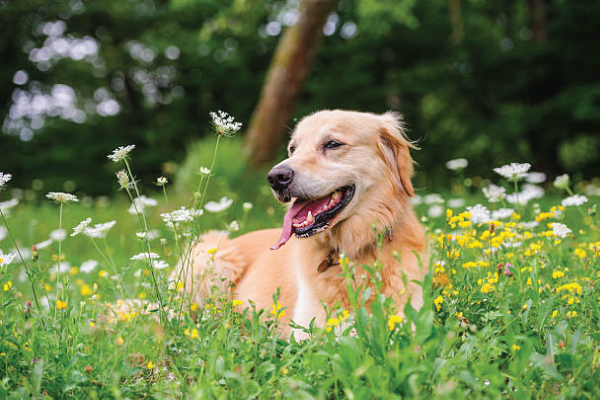
Canine Allergic Dermatitis, often simply referred to as “dog skin allergies,” is one of the most common reasons pet owners seek veterinary care. It is not merely a cosmetic issue; it is a chronic, painful, and often frustrating condition that significantly impacts a dog’s quality of life. Unlike humans, who often exhibit respiratory symptoms when exposed to allergens, dogs primarily manifest their allergic reactions through their skin (a condition called pruritus, or chronic itching).
Ⅰ. THE MECHANISM: WHY DO DOGS ITCH?
Allergic skin disease is a result of a hypersensitivity reaction—the dog’s immune system overreacts to common, otherwise harmless substances (allergens). This immune response releases inflammatory mediators (like histamine) into the skin, leading to intense inflammation, redness, and itching.
The intense itching causes the dog to scratch, lick, or chew excessively. This self-trauma compromises the skin barrier, creating a moist, warm environment where secondary invaders thrive, leading to the development of painful secondary infections (bacterial pyoderma or yeast dermatitis).
Ⅱ. THE MAIN ALLERGIC CULPRITS
While the symptoms often look similar, the source of the allergy dictates the diagnosis and treatment plan. Allergies in dogs generally fall into three primary categories:
1. Flea Allergy Dermatitis (FAD)
- The Cause: This is the most common canine allergy. The reaction is not to the flea itself, but to proteins in the flea’s saliva.
- The Reaction: A dog with FAD can experience severe, widespread itching from the bite of a single flea.
- Target Areas: Typically concentrated around the base of the tail, the inner thighs, and the inguinal (groin) area.
2. Environmental Allergies (Atopic Dermatitis or Atopy)
- The Cause: Hypersensitivity to inhaled or absorbed environmental allergens, similar to hay fever in humans. Common culprits include pollen (trees, grass, weeds), dust mites, molds, and dander.
- The Reaction: Atopy is often seasonal, peaking when the specific allergen is high (e.g., grass pollen in spring/summer). However, allergies to indoor allergens (dust mites) tend to be year-round.
- Target Areas: Paws (leading to constant licking and brown staining), ears (chronic infections), armpits, groin, muzzle, and around the eyes.
3. Food Allergies or Sensitivities
- The Cause: An adverse reaction to a protein source (e.g., chicken, beef, dairy, wheat) after repeated exposure. This is less common than Atopy or FAD, but still significant.
- The Reaction: Unlike food sensitivities (which cause digestive upset), true food allergies primarily manifest as skin issues and often do not respond well to standard anti-inflammatory medications.
- Target Areas: Generalized itching, combined with recurrent ear infections and, occasionally, gastrointestinal distress (vomiting, diarrhea).
Ⅲ. CLINICAL SIGNS AND SYMPTOMS
The symptoms of skin disease from allergies are progressive and chronic:
| Initial Signs (Acute) | Chronic Signs (Severe) |
|---|---|
| Pruritus: Excessive scratching, licking, and chewing. | Hyperpigmentation: Darkening of the skin due to chronic inflammation. |
| Erythema: Red, inflamed skin (especially on the belly or paws). | Lichenification: Thickening and “elephant skin” appearance. |
| Papules/Pustules: Small, red bumps or pimples (often indicative of secondary bacterial infection). | Chronic Otitis Externa: Recurrent, painful ear infections. |
| Rubbing/Shaking: Head shaking or ear rubbing against furniture. | Hot Spots (Acute Moist Dermatitis): Rapidly developing, wet, painful lesions caused by relentless licking. |
| Hair Loss (Alopecia): Due to self-trauma, not the allergy itself. | Odor: A distinctive musty or sweet odor, indicating yeast (Malassezia) overgrowth. |
Ⅳ. DIAGNOSTIC STRATEGIES (THE EXCLUSION PROCESS)
Diagnosing allergic dermatitis is a process of exclusion, meaning the veterinarian must systematically rule out other causes (like parasites, fungal infections, or hormonal diseases) before confirming an allergy.
1. Ruling Out Other Causes
- Skin Scrapings, Cytology, and Fungal Cultures: Used to rule out mites (Sarcoptic or Demodectic mange), bacterial infections (Pyoderma), and ringworm.
- Trial Therapy: Intensive flea control is initiated immediately, even if no fleas are visible, to rule out FAD.
2. Identifying the Specific Allergy
A. Food Allergy Testing
The gold standard for diagnosing a food allergy is the Elimination Diet Trial (or Exclusion Diet).
- The dog is fed a novel protein (e.g., duck, venison, alligator) or a hydrolyzed protein diet (proteins broken down so the immune system doesn’t recognize them) for 8–12 weeks.
- During this strict trial, all other foods, treats, and flavored medications must be completely avoided.
- If symptoms resolve, the original food ingredients are systematically reintroduced (a “challenge”) to pinpoint the allergen.
B. Environmental Allergy Testing (Atopy)
Once FAD and food allergies are ruled out, Atopy is confirmed through specialized tests:
- Intradermal Skin Testing (IDST): The gold standard. Small amounts of common allergens (pollen, molds, dust mites) are injected under the skin. A localized hive-like reaction confirms sensitivity.
- Serum Allergy Testing (Blood Test): Measures the level of antibodies (IgE) against specific allergens in the blood. While convenient, results may not correlate perfectly with clinical symptoms compared to IDST.
Ⅴ. TREATMENT AND MANAGEMENT PROTOCOLS
Treatment for allergic skin disease is lifelong and multi-faceted, focusing on immediate symptom relief, controlling secondary infections, and modifying the immune response.
1. Immediate Symptomatic Relief (The “Itch Stopper”)
These medications are used to break the vicious “scratch-itch cycle”:
| Therapy | Mechanism | Notes |
|---|---|---|
| Corticosteroids (Prednisone) | Powerful anti-inflammatory and immunosuppressant. | Highly effective but reserved for short-term use due to side effects (increased thirst, weight gain, long-term organ damage). |
| Oclacitinib (Apoquel) | Targets specific immune pathways (JAK enzymes) that transmit the itch signal. | Fast-acting and highly effective with fewer side effects than steroids. Suitable for acute flare-ups and long-term maintenance. |
| Lokivetmab (Cytopoint) | An injectable antibody that directly targets and neutralizes a key protein (IL-31) responsible for the itch signal. | Provides 4–8 weeks of relief. Excellent safety profile and is not metabolized by the liver/kidneys. |
| Antihistamines | Block histamine receptors. | Generally ineffective for severe canine allergies, though sometimes used as a mild adjunct therapy. |
2. Controlling Secondary Infections
Secondary bacterial (Pyoderma) and yeast (Malassezia) infections must be treated aggressively.
- Antibiotics: Oral antibiotics (e.g., cephalexin) often required for 3–6 weeks to fully clear bacterial pyoderma.
- Antifungals: Oral antifungal medication (e.g., Ketoconazole) or topical products required for yeast infections.
- Topical Therapy: Medicated shampoos (Chlorhexidine/Miconazole), mousse, or wipes are essential to decrease the microbial load on the skin.
3. Long-Term Immunomodulation (The Root Cause Fix)
The only treatment that changes the underlying immune response is Allergen-Specific Immunotherapy (ASIT), often called “allergy shots.”
- Creation: A customized vaccine is formulated based on the results of the dog’s IDST or blood test.
- Mechanism: Repeated, calculated exposure to small doses of the allergen gradually retrains the immune system to tolerate the substance rather than overreacting.
- Effectiveness: Effective in about 60–80% of dogs. Requires patience, as improvement can take 6–12 months.
Ⅵ. SUPPORTIVE CARE AND PREVENTION
1. Essential Fatty Acid (EFA) Supplementation
Omega-3 fatty acids (DHA/EPA) help repair the damaged skin barrier, reduce overall inflammation, and improve coat quality. These are best sourced from high-quality fish or algae oils.
2. Barrier Maintenance
Frequent bathing with soothing, soap-free shampoos (oatmeal, ceramides) helps wash away environmental allergens and hydrates the skin. Topical emollients or leave-on conditioners can help restore the skin’s natural protective layer.
3. Strict Parasite Control
Use year-round, high-quality flea and tick prevention (oral or topical) to ensure FAD is fully eliminated as a contributing factor.
4. Environmental Modification
For Atopic dogs, minimizing exposure is key:
- Wash bedding frequently in hot water.
- Use air purifiers with HEPA filters.
- Wipe down paws after outdoor exposure to remove pollen (a crucial step, especially during peak seasons).
#DogAllergies, #CanineAllergies, #DogSkinProblems, #ItchyDog, #DogDermatitis, #PetAllergies, #DogHealth, #PetCare, #DogSkinCare, #HotSpotsDogs, #EnvironmentalAllergies, #FoodAllergiesDog, #FleaAllergies, #CanineAtopy, #DogAllergyRelief, #DogWellness, #VetMed, #AskAVet, #DogLife, #InstaDog, #DogsofInstagram, #PetParents, #MyDogIsItchy, #HealthyDog, #DogTips, #CanineHealth, #DogRash, #DogAllergyTreatment, #SkinHealthForDogs, #AllergicDog #dogallergies #canineskincare #itchydog #doghealth #vetmed #fleaallergy #atopy #foodallergies #dogskinproblems #veterinarydermatology #pethealth #doglovers #caninehealth #helicobacter #dogstomach #gastritis #digestivehealth #dogbreeds #germanshepherd #goldenretriever #labradorretriever #dachshund #dogtips #petcare #animalhealth #bacteriaindogs #caninevet #dermatology







Add comment