
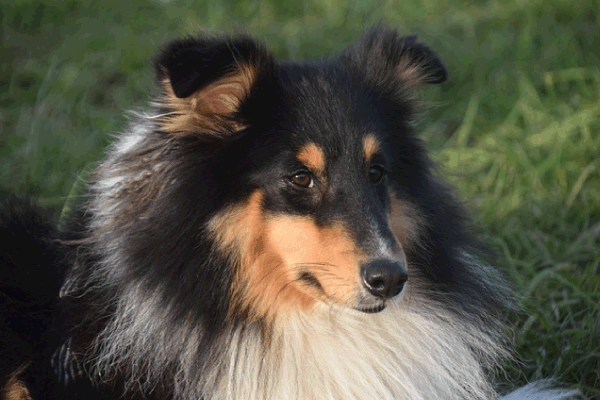
It’s a great question that gets at the heart of how much your groomer truly sees when they’re working with your pet. They’re not just about making your dog look pretty; they’re on the front lines of spotting potential health concerns that might otherwise go unnoticed.
Here’s a comprehensive and elaborate guide to the skin issues your groomer is likely to see first, and what those observations might mean for your pet’s health:
Skin Issues Your Groomer Sees First (And What They Mean)
Your groomer is in a unique and intimate position to observe your pet’s skin and coat. They spend significant time running their hands over every inch of your dog, bathing them, and trimming their fur. This hands-on approach allows them to identify subtle changes that might be missed during a quick cuddle or a routine vet visit.
Why Groomers are Crucial for Early Detection:
- Uninhibited Access: They can feel and see areas you might not easily access or notice, especially on the back, belly, and between toes.
- Frequency of Observation: Regular grooming appointments mean consistent monitoring, allowing for the detection of changes over time.
- Comparison to Normal: A good groomer develops a sense of what’s “normal” for your individual pet, making deviations more apparent.
- Focus on Detail: Their job requires meticulous attention to their client’s coat and skin condition.
Common Skin Issues Groomers Spot First:
Here’s a breakdown of the most frequent culprits and their potential implications:
1. Excessive Shedding and Bald Patches (Alopecia)
- What the Groomer Sees: More hair in the tub or on the floor than usual, thinning patches, or complete areas of hair loss. This can be localized or generalized.
- What it Might Mean:
- Parasites: Fleas, ticks, and mites are notorious culprits. Flea allergy dermatitis (FAD) is extremely common, causing intense itching and subsequent hair loss from scratching. Mites (like Sarcoptic or Demodectic) can cause distinct bald patches and irritation.
- Allergies: Environmental (pollen, dust mites, mold) or food allergies can manifest as itchy skin leading to over-grooming and hair loss. Often, you’ll see thinning over the flanks, belly, or base of the tail.
- Hormonal Imbalances: Conditions like hypothyroidism (low thyroid hormone) or Cushing’s disease (overproduction of cortisol) can lead to symmetrical hair loss, thinning coat, and sometimes darkened or thickened skin.
- Infections: Bacterial or fungal (yeast, ringworm) infections can cause inflammation, itching, and subsequent hair loss. Ringworm is zoonotic, meaning it can spread to humans.
- Stress: Significant stress can trigger a condition called “telogen effluvium,” where a large number of hairs enter the shedding phase simultaneously.
- Age: Some older dogs naturally experience a thinning of their coat.
- Underlying Medical Conditions: In rare cases, severe shedding or baldness can be a sign of more serious internal issues.
2. Redness, Inflammation, and Irritation (Dermatitis)
- What the Groomer Sees: Pink or red skin, particularly in areas like the ears, belly, armpits, groin, and paws. The skin might appear warm to the touch.
- What it Might Mean:
- Allergies: As mentioned above, allergies are a primary cause of inflammation.
- Bacterial Infections (Pyoderma): Often secondary to allergies or minor injuries, these can cause pustules, crusts, and redness.
- Fungal Infections (Yeast Dermatitis): Yeast thrives in warm, moist areas and can cause greasy, smelly, and red skin, often seen on the paws, ears, and under the folds.
- Contact Dermatitis: Reaction to something the dog has been in contact with, such as certain fabrics, cleaning products, plants, or even grooming products themselves.
- Irritation from Grooming Products: If the groomer uses a new or harsh shampoo, it can cause a reaction. (Good groomers are usually aware of this and will note it.)
- Chafing/Friction: Especially in overweight dogs or those with loose skin, areas can become irritated from constant rubbing.
3. Lumps, Bumps, and Growths
- What the Groomer Sees: Discrete masses, nodules, or raised areas on the skin. These can vary in size, texture, and color.
- What it Might Mean:
- Cysts: Common, benign fluid-filled sacs that can occur anywhere on the body.
- Lipomas: Benign fatty tumors, often soft and movable under the skin.
- Warts: Viral growths, more common in younger or immunocompromised dogs.
- Skin Tags: Small, benign growths, often on the face, eyelids, or groin.
- Abscesses: Pockets of infection, often firm, painful, and may have a draining opening.
- Mast Cell Tumors: These are crucial for a groomer to spot and report. They are a type of cancer that can be highly variable in appearance, from small bumps to large, ulcerated masses. Their malignancy varies, but early detection is key.
- Other Tumors: Various other benign or malignant tumors can occur on the skin.
4. Dry, Flaky, or Scaly Skin (Dandruff)
- What the Groomer Sees: Visible flakes of skin in the coat, which can sometimes be accompanied by itching.
- What it Might Mean:
- Dry Skin: Can be due to low humidity, excessive bathing with harsh shampoos, or simply a normal variation for some breeds.
- Poor Diet: Lack of essential fatty acids can lead to dry skin and a dull coat.
- Parasites: While not the primary sign, some parasites can contribute to flakiness.
- Seborrhea: A common skin condition where the skin produces too much or too little sebum (oil), leading to either greasy or dry, flaky skin.
- Underlying Medical Conditions: Similar to shedding, hormonal imbalances or autoimmune diseases can contribute.
5. Greasy or Smelly Coat and Skin
- What the Groomer Sees: A coat that feels oily, looks dull, and has a distinct “doggy” odor, often more pronounced than usual.
- What it Might Mean:
- Seborrhea: As mentioned above, an overproduction of sebum.
- Bacterial or Yeast Infections: These organisms thrive in natural oils and can produce foul odors.
- Ear Infections: A pervasive ear infection can often lead to a general “yeasty” or “sour milk” smell that permeates the entire dog.
- Poor Diet: Can sometimes contribute to an unhealthy skin oil balance.
6. Sores, Wounds, and Scabs
- What the Groomer Sees: Open sores, cuts, abrasions, nips, or crusty scabs in the fur.
- What it Might Mean:
- Self-Trauma: Intense itching from allergies, parasites, or infections leads to scratching, biting, and licking, causing wounds.
- Parasite Bites: Fleas, ticks, and mites leave behind bites that can become inflamed and infected.
- Accidental Injury: Glancing off objects, minor fights with other animals, or rough play.
- Fungal or Bacterial Infections: These can directly cause lesions.
- Autoimmune Diseases: Some conditions can cause the skin to become fragile and prone to sores.
7. Ear Issues
- What the Groomer Sees: Redness, discharge, debris, odor, or a “waxy” build-up inside the ear canal. The dog might also be shaking its head or pawing at its ears.
- What it Might Mean:
- Ear Infections: Bacterial or yeast infections are very common, especially in dogs with floppy ears.
- Ear Mites: Tiny parasites that cause irritation and dark, crumbly discharge.
- Allergies: Food or environmental allergies frequently manifest as allergic ear infections.
- Foreign Bodies: Grass seeds, dirt, or other debris can get lodged in the ear.
8. Paw Pad Problems
- What the Groomer Sees: Cracked, dry, or overly soft paw pads; cuts, abrasions, or foreign objects lodged between the toes; redness or swelling.
- What it Might Mean:
- Environmental Irritation: Hot pavement, ice-melting salts, rough terrain.
- Dryness: Similar to general dry skin.
- Allergies: Paws are a common target for environmental allergens, leading to chewing and licking, which can cause irritation and secondary infections.
- Injury: Cuts, punctures, or burns.
- Fungal or Bacterial Infections: Can occur between the toes.
What to Do With Your Groomer’s Observations:
- Listen Carefully: Pay close attention to what your groomer tells you. They are often the first to notice something is wrong.
- Ask Questions: Don’t be afraid to ask for details about where the issue is, what it looks like, and if they’ve seen it before on your dog.
- Don’t Panic, But Be Proactive: Most skin issues are treatable, but early intervention is key.
- Consult Your Veterinarian: This is the most crucial step. Your groomer is not a diagnostician. Their role is to observe and report. They will likely advise you to see your vet.
- Provide Detailed Information to Your Vet: Tell your veterinarian exactly what your groomer observed, where it was located, and when it was noticed. This information can be invaluable for diagnosis.
- Follow Through: Adhere to your veterinarian’s treatment plan and grooming recommendations.
- Communicate with Your Groomer: Let your groomer know what your vet said and any changes in your pet’s skin condition. This helps them track progress and identify recurring issues.
In Summary:
Your groomer is an invaluable ally in maintaining your pet’s health. The routine care they provide offers a unique window into your dog’s well-being. By being observant and communicating their findings to you, they empower you to seek prompt veterinary attention, ensuring your beloved companion stays healthy and comfortable. Always remember to treat your groomer’s observations as a vital heads-up that warrants a discussion with your veterinarian.







Add comment