
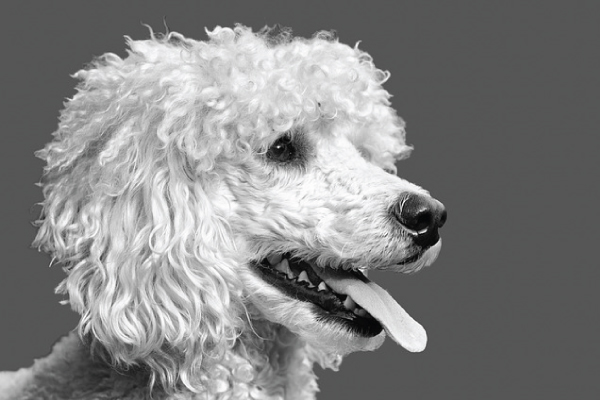
Choosing the right grooming tool for your beloved canine companion can feel like navigating a complex maze. Two of the most common, yet distinct, tools often cause confusion: the slicker brush and the undercoat rake. While both aim to keep your dog’s coat healthy and free of tangles, their design, purpose, and application are fundamentally different.
This comprehensive guide will break down everything you need to know about slicker brushes and undercoat rakes, empowering you to select the perfect tool for your dog’s specific needs.
Understanding the Basics: Why Grooming Matters
Before diving into the tools, let’s quickly reiterate why regular grooming is crucial:
Healthier Skin & Coat: Removes dead hair, debris, and distributes natural oils.
Prevents Matting: Mats can cause skin irritation, infections, and discomfort.
Reduces Shedding: Less hair on your furniture and clothes.
Early Detection: Allows you to spot skin issues, parasites, lumps, or injuries.
Bonding: A positive grooming experience strengthens your bond with your pet.
Tool 1: The Slicker Brush
What is a Slicker Brush?
A slicker brush is characterized by its broad, flat, or curved head covered in dozens (sometimes hundreds) of fine, short metal wires that are bent at an angle. The bristles are usually tightly packed.
Key Features:
Bristle Design: Fine, slightly bent wire pins.
Shape: Typically rectangular or square head. Some have a curved head for ergonomic use.
Handle: Ergonomic handles are common for comfortable gripping.
Sizes: Available in various sizes to suit different dog breeds and coat areas.
Primary Purpose:
The slicker brush is a versatile, general-purpose grooming tool primarily designed for:
Detangling & Removing Minor Mats: The bent wires effectively grab and separate tangled hair.
Removing Loose Topcoat Hair: Excellent for collecting shed hair from the outer layer of the coat.
Smoothing & Finishing: Leaves the coat looking tidy and smooth after initial grooming.
Fluffing: Can help to “fluff up” a coat, especially in breeds like Poodles or Bichon Frises.
Light Undercoat Removal: While not its primary job, it can pull out some loose undercoat from less dense double coats or during lighter shedding seasons.
Ideal For (Breed/Coat Types):
Slicker brushes are suitable for a wide range of breeds, especially those with:
Medium to Long Coats: Golden Retrievers, Border Collies, Shih Tzus, Yorkshire Terriers, Afghan Hounds.
Curly or Wavy Coats: Poodles, Bichon Frises, Portuguese Water Dogs (can help prevent mats).
Double Coats (for the topcoat and general detangling): Huskies, Samoyeds, German Shepherds (used in conjunction with other tools).
Fine or Silky Coats: Maltese, Lhaso Apsos.
Not ideal for: Dogs with very short, smooth coats (like Boxers or Pit Bulls), as the bristles can be too harsh and ineffective.
How to Use a Slicker Brush:
Start Gentle: Always use a light touch. Pressing too hard can scratch the skin (known as “brush burn”).
Section the Coat: For long or dense coats, part the hair and brush in small sections, working from the roots to the ends. This is called “line brushing.”
Brush in the Direction of Hair Growth: Always follow the natural direction of the hair.
Work Through Tangles Carefully: When encountering a tangle, gently pick at it with the tips of the brush, or use your fingers, before trying to brush through. Never tug forcefully.
Clean the Brush Regularly: Remove accumulated hair from the brush throughout the grooming session for maximum effectiveness.
Check Skin: Periodically lift the hair and check your dog’s skin for any redness, irritation, or bumps.
Pros of a Slicker Brush:
Very effective for general detangling and mat prevention.
Excellent for removing loose topcoat hair.
Leaves the coat smooth and shiny.
Versatile for many coat types.
Often more affordable than specialty tools.
Cons of a Slicker Brush:
Can cause “brush burn” if used with too much pressure.
Not designed for deep undercoat removal in heavily double-coated breeds.
Can be ineffective on very dense or heavily matted undercoats.
The fine wires can bend or break over time.
Tool 2: The Undercoat Rake
What is an Undercoat Rake?
An undercoat rake features a single or double row of long, sturdy, widely spaced teeth. These teeth can be either stationary or rotating. It often resembles a small garden rake, hence the name.
Key Features:
Tooth Design: Long, blunt, widely spaced metal teeth. Some have rotating teeth to prevent snagging.
Shape: Typically a head with a single or double row of teeth attached to a handle.
Handle: Sturdy handle for control and leverage.
Sizes/Styles: Varies in tooth length and spacing depending on the coat type and density.
Primary Purpose:
The undercoat rake is a highly specialized tool designed for one primary purpose:
Deep Undercoat Removal: Its long teeth are engineered to penetrate the topcoat and reach deep into the dense undercoat to pull out loose, dead, and shedding undercoat while leaving the healthy topcoat intact.
Preventing Undercoat Mats: By regularly removing dead undercoat, it significantly reduces the likelihood of the undercoat packing down and forming painful mats close to the skin.
Reducing Seasonal Shedding: Essential during shedding seasons for breeds with thick undercoats.
Ideal For (Breed/Coat Types):
Undercoat rakes are essential for breeds with a double coat, which consists of a harsh outer guard coat and a soft, dense inner undercoat. Examples include:
Heavy Double-Coated Breeds: Huskies, Alaskan Malamutes, Samoyeds, Great Pyrenees, Newfoundlands.
Medium Double-Coated Breeds: Golden Retrievers, Labrador Retrievers (seasonal), German Shepherds, Australian Shepherds, Bernese Mountain Dogs.
Not ideal for: Single-coated breeds (Poodles, Shih Tzus, Greyhounds, Boxers) or dogs with very short coats. Using an undercoat rake on these breeds can pull healthy hair, irritate the skin, or be completely ineffective.
How to Use an Undercoat Rake:
Ensure Coat is Free of Surface Tangles: Before using an undercoat rake, ensure the topcoat is free of any large tangles or mats. A slicker brush or comb can be used for this first step.
Brush in Sections: Work in small sections, parting the hair if necessary, especially in heavily coated areas.
Use Light, Long Strokes: Gently rake through the coat, pulling the rake in the direction of hair growth. Do not press hard or “dig” into the skin. Let the teeth do the work of catching the loose undercoat.
Work Gradually: Be patient. You’ll likely pull out a lot of hair, especially during shedding season. Repeat strokes in the same area until less hair comes out.
Check for Mats: If the rake snags heavily, stop. There might be a mat. Do not force the rake through a mat – this will cause pain and skin damage. Mats should be gently worked out with a slicker brush or a dematting tool, or professionally removed.
Clean the Rake Frequently: The teeth will quickly fill with hair, reducing effectiveness.
Pros of an Undercoat Rake:
Highly effective at removing dead, loose undercoat.
Significantly reduces shedding in double-coated breeds.
Prevents undercoat mats and skin irritation.
Promotes healthier skin and a cleaner coat.
Can help reduce “doggy odor” by removing trapped dead hair.
Cons of an Undercoat Rake:
Can be irritating or pull healthy hair if used improperly or on single-coated dogs.
Not suitable for detangling surface mats or general grooming.
Can be harsh if used on tangles or true mats.
Requires patience and proper technique.
Can be more expensive than basic slicker brushes.
Slicker Brush vs. Undercoat Rake: A Direct Comparison
| Feature | Slicker Brush | Undercoat Rake |
| Design | Flat/curved head with many fine, bent wire pins. | Sturdy handle with one/two rows of long, blunt, widely spaced teeth (stationary or rotating). |
| Primary Function | Detangling, removing surface loose hair, smoothing, minor mat removal, fluffing. | Penetrates topcoat to pull out dead, loose undercoat, prevents undercoat mats. |
| Best For | Most medium to long-haired breeds, curly/wavy coats, general grooming, topcoat shedding. | Double-coated breeds ONLY (Huskies, Goldens, Shepherds, Malamutes, etc.) |
| Coat Layer | Primarily topcoat and upper layers of undercoat. | Deeply into the undercoat layer. |
| Shedding Type | Surface shedding and general loose hair. | Heavy seasonal undercoat shedding. |
| Matting | Good for minor tangles and preventing surface mats. | Prevents undercoat mats; NOT for existing mats. |
| Technique | Light, gentle strokes; line brushing; careful detangling. | Long, gentle strokes; rake through sections; avoid pressing hard. |
| Risk of Skin Irritation | “Brush burn” if too much pressure. | Can irritate skin or pull healthy hair if used on single coats or with excessive force. |
| Frequency | Daily to a few times a week, as needed. | 1-3 times a week, more during heavy shedding season. |
Choosing the Right Tool: A Decision Guide
The choice between a slicker brush and an undercoat rake (or both!) ultimately depends on your dog’s specific coat type, shedding habits, and grooming needs.
Ask Yourself These Questions:
Does my dog have a double coat?
YES (e.g., Husky, Golden Retriever, German Shepherd): An undercoat rake is essential for removing shed undercoat. You will also need a slicker brush for general detangling of the topcoat and for finishing.
NO (e.g., Poodle, Shih Tzu, Greyhound, Boxer): An undercoat rake is NOT suitable. Focus on a slicker brush (for long/curly coats) or a rubber curry brush/grooming mitt (for short/smooth coats).
Does my dog shed heavily, especially seasonally?
YES, with a double coat: The undercoat rake will be your best friend during shedding seasons.
YES, but a single coat: A slicker brush will help manage loose hair.
Does my dog get tangles or mats easily?
YES (most long-haired/curly dogs): A slicker brush is crucial for daily detangling and preventing mats.
YES, deep into the undercoat: An undercoat rake will help prevent these by removing the packed dead undercoat.
What are my primary grooming goals?
General tidiness, detangling, frizz control, smoothing: Slicker brush.
Reduce shedding significantly, prevent deep mats, maintain a healthy double coat: Undercoat rake.
Scenarios & Recommendations:
Dog with a Long, Single Coat (e.g., Yorkshire Terrier, Afghan Hound):
Primary Tool: Slicker brush for detangling, removing loose hairs, and smoothing.
Secondary: A metal comb for precise detangling.
Dog with a Curly/Wavy Coat (e.g., Poodle, Goldendoodle, Bichon Frise):
Primary Tool: Slicker brush for daily detangling, preventing mats, and fluffing.
Secondary: A wide-tooth comb for initial detangling.
Dog with a Double Coat (e.g., Golden Retriever, Husky, German Shepherd):
Primary Tools (BOTH ESSENTIAL):
Undercoat rake for removing dead undercoat during shedding season and weekly maintenance.
Slicker brush for detangling the topcoat, removing loose surface hair, and finishing.
Secondary: A metal comb for checking for mats in sensitive areas.
Dog with a Short, Smooth Coat (e.g., Pit Bull, Pug, Boxer):
Neither is ideal. A rubber curry brush or grooming mitt is best for removing loose hair and stimulating the skin.
Important General Grooming Tips:
Positive Reinforcement: Always make grooming a positive experience with praise and treats.
Start Early: Acclimate puppies to grooming tools early.
Be Patient: Don’t rush. Short, frequent sessions are better than long, stressful ones.
Check Skin: Always inspect your dog’s skin for any abnormalities during grooming.
Never Brush Dry Fur: If your dog’s coat is severely tangled or matted, use a detangling spray or conditioner to lubricate the hair and prevent breakage.
Don’t Force It: If you encounter a severe mat, do not pull or yank the brush. This is painful for your dog. Try working it out gently with your fingers or a dematting tool, or seek professional grooming assistance.
Consider Professional Groomers: For heavily matted coats, complex double coats, or just for guidance, professional groomers are invaluable.
Conclusion
Both the slicker brush and the undercoat rake are invaluable tools in their own right, but they serve different purposes. The slicker brush is your go-to for general detangling, removing surface shed, and achieving a smooth finish across a broad spectrum of medium to long-haired breeds. The undercoat rake is a specialized powerhouse, a non-negotiable for double-coated breeds to manage their dense undercoat, prevent painful mats, and significantly reduce shedding.
By understanding your dog’s unique coat type and grooming needs, you can confidently choose the right tools, ensuring your canine companion remains happy, healthy, and beautifully groomed. Happy brushing!
================================
#SlickerBrush, #UndercoatRake, #DogGrooming, #DogGroomingTools, #DogShedding, #Deshedding, #PetGrooming, #DogCare, #BrushingDogs, #GroomingTips





Add comment