
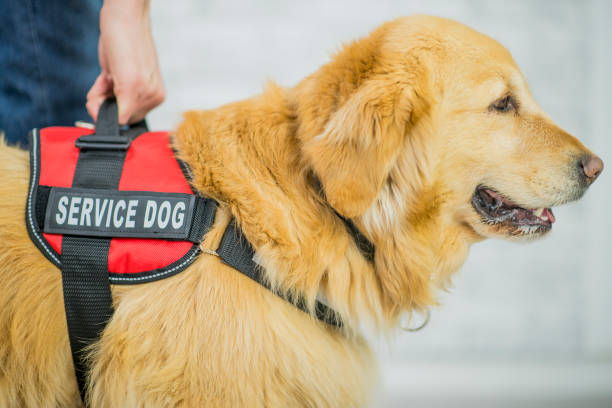
It sounds like you’re interested in understanding how to provide enriching and safe experiences for dogs who are unwell, focusing on gentle activities like slow walks and sniff safaris. This is a wonderful and compassionate approach to helping an ill dog maintain a good quality of life.
Here’s a comprehensive and elaborate guide on slow walks and sniff safaris for ill dogs:
Slow Walks and Sniff Safaris for Ill Dogs: A Comprehensive Guide
When our beloved canine companions are feeling under the weather, their world can suddenly shrink. While rest is crucial, complete inactivity can lead to boredom, anxiety, and a decline in their overall well-being. Slow walks and sniff safaris are invaluable tools for providing mental stimulation, gentle physical activity, and a sense of normalcy for ill dogs, catering to their specific needs and limitations.
Understanding the “Why”: The Benefits for Ill Dogs
Before diving into the “how,” it’s essential to grasp the profound benefits these activities offer:
- Mental Stimulation: Olfaction (sense of smell) is a dog’s primary sense. Sniffing engages their brains, provides information about their environment, and can be incredibly satisfying. This mental engagement can distract them from pain or discomfort and prevent boredom-induced distress.
- Gentle Physical Activity: Even a short, slow walk can help maintain muscle tone, improve circulation, and prevent stiffness. It’s about controlled movement that doesn’t exacerbate their condition.
- Emotional Well-being: Getting outside, even for a short period, can be incredibly uplifting. It provides a change of scenery, social interaction (if appropriate), and a sense of purpose. This can combat feelings of isolation and sadness often associated with illness.
- Connection and Bonding: The act of taking your dog on a slow walk or sniff safari is a powerful bonding experience. You’re actively participating in their care and showing them that you are there for them.
- Monitoring: These outings offer opportunities to observe your dog’s behavior, energy levels, gait, and any changes in their condition. This information is vital for your veterinarian.
- Routine and Predictability: For dogs who are experiencing a disruption to their normal lives, maintaining some semblance of routine can provide comfort and reduce anxiety.
Important Considerations Before You Begin
1. Veterinary Consultation is Paramount:
- Always consult your veterinarian before initiating any new activity, especially with an ill dog. They can advise on:
- The nature and severity of the illness.
- Recommended exercise levels (frequency, duration, intensity).
- Any specific precautions to take (e.g., avoiding stairs, rough terrain, extreme temperatures).
- Pain management strategies to ensure their comfort during outings.
- Signs to watch for that indicate they need to stop or return home immediately.
2. Assess Your Dog’s Capabilities (and Limitations):
- Energy Levels: Are they able to stand and walk for a few minutes, or can they only manage a few steps?
- Pain: Are they showing signs of pain when moving? This might include limping, yelping, stiffness, or reluctance.
- Mobility Issues: Do they have issues with balance, arthritis, or weakness that require support?
- Respiratory or Cardiac Conditions: These might limit their stamina and require very short, very slow outings, perhaps in cooler environments.
- Sensory Impairments: Blind or deaf dogs may need extra consideration for safety and navigation.
- Age: Senior dogs often have lower energy reserves and more physical limitations.
3. Equip Appropriately for Safety and Comfort:
- Secure Harness or Collar: Ensure a well-fitting harness that doesn’t put undue pressure on any injured or sensitive areas. A regular collar might suffice if there are no neck issues, but a harness offers better control and distribution of pressure.
- Sturdy Leash: A standard 4-6 foot leash is usually best for control. Avoid retractable leashes, as they offer less control and can be a tripping hazard.
- Comfortable Footwear (for you): You’ll need to be comfortable and stable.
- Appropriate Clothing (for the weather): For your dog, consider:
- Winter Coat/Sweater: If they are prone to getting cold, especially if they have thin fur or are recovering from surgery.
- Boots: If they have paw injuries or are walking on rough, hot, or cold surfaces. Ensure they are well-fitting and the dog is accustomed to them if possible.
- Assistance Tools (if needed):
- Slings or Support Harnesses: For dogs with hind-end weakness, these can provide crucial support.
- Wheelchairs (Gait Harnesses): For more severe mobility issues, a wheelchair can allow for longer excursions.
- Hydration: Carry a small water bottle and collapsible bowl, especially for longer excursions or in warm weather.
- Poop Bags: Always be prepared!
- Treat Pouch: For positive reinforcement and to encourage engagement.
- Blanket or Towel: To help them rest or to cushion a resting spot.
Implementing Slow Walks
Slow walks are about controlled, gentle movement, prioritizing comfort and observation over distance or speed.
Key Principles:
- Short Durations: Start with durations of just 5-10 minutes. Gradually increase as tolerated, always observing for fatigue or discomfort.
- Slow Pace: Walk at your dog’s pace. This means very slow. If they stop, let them stop. If they sniff, let them sniff.
- Familiar and Safe Routes: Stick to predictable, flat, and smooth surfaces. Avoid busy roads, uneven terrain, and areas with lots of distractions that could cause them to pull or get excited.
- Quiet Times: Choose times of day when it’s less busy and quieter. Early mornings or late evenings can be ideal.
- Focus on Observation: Pay close attention to your dog’s body language.
How to Execute a Slow Walk:
- Preparation: Gently help your dog put on their harness. Ensure it’s comfortable and doesn’t restrict breathing or movement.
- The Exit: If getting out the door is difficult, consider a ramp or gentle assistance.
- The “Walk”:
- Leash Management: Keep the leash loose but secure. Avoid any tension or pulling. Let your dog lead the way in terms of pace.
- Encourage Movement (gently): If they are hesitant, a soft voice and a few enticing treats can help.
- Breaks are Essential: If they start to tire, look for a comfortable spot (a patch of grass, a low wall, a shaded bench) and let them rest. You can sit with them.
- Monitor Closely: Watch for:
- Panting (excessive)
- Limping or favoring a limb
- Stiffness or reluctance to move
- Dropping to the ground
- Changes in respiration
- Signs of pain (whining, stiffness)
- The Return: When you notice signs of fatigue, or after your predetermined short duration, gently guide them back home.
- Post-Walk: Offer water and allow them to rest in a comfortable, safe space. Note any observations for your vet.
Implementing Sniff Safaris
Sniff safaris are even more specialized, prioritizing the act of sniffing and exploration over physical exertion. These are perfect for dogs who can barely walk or are too weak for even a slow stroll.
Key Principles:
- Location, Location, Location: The “safari” can happen just outside your door, in your backyard, or in a small, quiet area.
- Sensory Richness: The goal is to expose them to a variety of smells.
- Minimal Movement: The dog might only take a few steps, or just stand and sniff.
- Patience and Encouragement: This is all about their nose doing the work.
How to Execute a Sniff Safari:
- Choose the “Venue”:
- Front Porch/Patio: Sit with your dog, allowing them to sniff the air and any surrounding plants or objects.
- Backyard: Let them wander a small, safe area, focusing on their nose.
- Quiet Sidewalk Section: If they can manage a few steps, a short section of pavement can offer interesting smells.
- Designated “Sniff Spot”: You can even bring interesting, safe natural items (e.g., a safe fallen leaf, a twig) to your dog’s resting area for them to investigate.
- The “Safari” Experience:
- Let Them Lead: Allow your dog to dictate where they sniff and for how long.
- Point Out Smells (Subtly): You can gently point your own nose towards something interesting or use a soft encouraging word.
- No “Work”: Don’t expect them to “find” anything or perform tricks. The act of sniffing is the reward.
- Rest as Needed: If they are lying down, let them sniff from that position.
- Safety First: Ensure the area is safe and free from hazards. If they are weak, ensure they have stable footing.
- Duration: Sniff safaris can be very short (a few minutes) or longer if the dog is engaged and comfortable. The focus is on quality of sensory input, not quantity of time.
- Observation: Watch their tail wags, ear twitches, and overall relaxed demeanor. Are they engaged and content?
- Home Again: Return them to their comfortable resting place.
Adapting for Specific Conditions
- Arthritis/Joint Pain: Focus on smooth, padded surfaces. Avoid inclines and declines. Use supportive harnesses. Shorter, more frequent outings might be better than one long one.
- Respiratory Issues (e.g., heart conditions, collapsing trachea): Avoid extreme temperatures (hot or cold). Very short, slow walks are essential. Consider morning or evening outings when the air is cooler. Monitor for labored breathing.
- Post-Surgery: Follow your vet’s specific post-operative instructions meticulously. This might mean no walks at all initially, progressing to very short, controlled sniff safaris.
- Weakness/Neurological Issues: Slings and support harnesses are crucial. Ensure stable footing. Sniff safaris from a comfortable resting position might be the only option.
- Blind or Deaf Dogs: Keep them on a leash at all times. Use verbal cues consistently for blind dogs. Be extra vigilant about environmental hazards. For deaf dogs, visual cues and gentle leash pressure are important.
Signs Your Dog Has Had Enough (and Needs to Stop)
It’s crucial to be able to recognize when your dog is overdoing it.
- Excessive Panting: More than usual for them, even after resting.
- Limping or Favoring a Limb: A noticeable change in gait or reluctance to put weight on a leg.
- Stiffness or Reluctance to Move: Hesitation, groaning, or refusing to budge.
- Dropping to the Ground: Unable to continue standing or walking.
- Increased Respiratory Rate or Irregular Breathing: Difficulty catching their breath.
- Vocalization: Whining, yelping, or groaning that seems related to movement or exertion.
- Lethargy or Extreme Fatigue: A significant drop in energy after activity.
- Disinterest in Sniffing: If they usually engage their nose and suddenly stop even showing interest.
Making it a Positive Experience
- Your Attitude Matters: Be calm, patient, and encouraging. Your dog will pick up on your energy.
- Positive Reinforcement: Use soft praise and occasional small, tasty treats (approved by your vet) to reward engagement and good behavior.
- Comfort is Key: Ensure they are not in pain or discomfort. Adjust the activity as needed.
- Small Victories: Celebrate even the smallest signs of engagement and enjoyment.
- Don’t Push: It’s always better to do less and have a positive experience than to push too hard and cause distress or setback.
Conclusion
Slow walks and sniff safaris are not just about exercise; they are acts of love and compassionate care for our ill dogs. By understanding their limitations, prioritizing their comfort, and engaging their senses, we can significantly enhance their quality of life during difficult times. Always partner with your veterinarian to ensure these activities are safe and beneficial for your individual dog’s needs. These gentle explorations can provide moments of joy, connection, and normalcy, reminding both you and your furry friend that even in illness, life can still hold moments of gentle beauty.





Add comment