
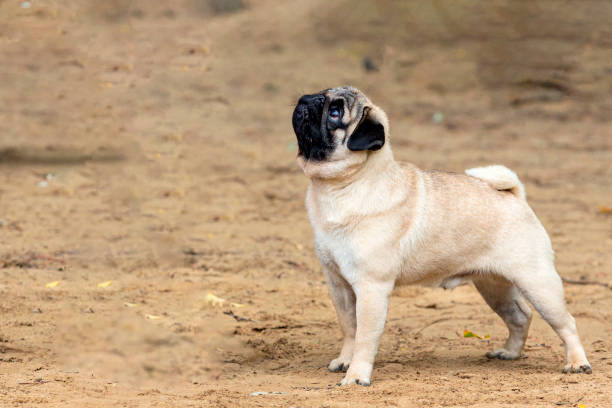
I. Introduction: The Necessity of Specialized Small-Dog Training
The world of dog obedience often defaults to methodologies suitable for medium-to-large breeds. However, the unique physiology, psychological profile, and environmental interaction of toy and small breeds—typically defined as dogs under 15 pounds (e.g., Chihuahuas, Yorkshire Terriers, Pomeranians, Poodles, Maltese)—demand a specialized, nuanced approach.
Ignoring specialized training for small dogs often leads to the manifestation of “Small Dog Syndrome” (SDS), a cluster of undesirable behaviors including excessive barking, nipping, territoriality, and generalized anxiety. These behaviors are often inadvertently reinforced by owners who mistakenly believe their small size exempts them from the rigorous requirements applied to larger dogs. A 5-pound dog with poor impulse control is still a dog with poor impulse control, albeit one whose actions are often dismissed as “cute” or “harmless.”
This elaborate guide focuses on dismantling the one-size-fits-all training model, emphasizing two critical areas where small-dog training differs fundamentally: the precise tailoring of positive rewards and the essential mechanical adjustments required for proper leash handling and equipment safety.
II. Understanding the Unique Toy Breed Psyche
Small dogs operate within a vastly different perceptual reality than their larger counterparts. They live perpetually in a world of giants, where everyday obstacles (curbs, high furniture, large people, and large dogs) pose potential threats or barriers. This context fundamentally shapes their response to training and environmental stimuli.
A. The Fragility and Fear Factor
Toy breeds possess delicate skeletal structures, making them susceptible to injury from accidental drops, rough handling, or inappropriate equipment. This fragility often translates into owner anxiety, leading to a tendency to shield the dog excessively, which, paradoxically, increases behavioral insecurity and reactivity.
Their small stature also means they often perceive the world through a lens of defensive fear. A large, approaching Labrador or even a strong gust of wind can be genuinely terrifying. Training must account for this inherent environmental vulnerability, prioritizing desensitization and counter-conditioning over forced compliance.
B. High Energy and Misplaced Intent
Many small breeds (such as Jack Russell Terriers, Dachshunds, and certain types of Miniature Poodles) possess energy levels that far exceed their physical size. If this energy is not properly channeled through mentally stimulating training, it manifests as disruptive behaviors like hyper-vigilance, incessant barking, or destructive chewing. The key is understanding that a 10-pound dog needs just as much, if not more, structured mental work than a 50-pound dog.
C. Proximity and Handler Reliance
Small dogs are often carried, held, or kept in close proximity to their owners, fostering intense handler dependency. While endearing, this closeness can exacerbate separation anxiety and hinder the development of self-confidence and independent problem-solving skills—abilities crucial for successful obedience work, especially recall and stay commands.
III. Tailoring Rewards: Precision and Palatability for the Petite Palate
Positive reinforcement (R+) is the cornerstone of effective dog training, adhering to the Least Intrusive, Minimally Aversive (LIMA) principles. For toy breeds, the effectiveness of R+ hinges entirely on the reward’s size, value, and delivery mechanism.
A. The Mechanics of Treat Delivery: Size and Frequency
The most critical difference in treating small dogs is the volume of the reward. A standard training treat suitable for a Golden Retriever is often too large for a Chihuahua, requiring too much chewing time, which interrupts the training flow and reduces the rate of reinforcement.
- Micro-Rewards: Treats must be reduced to pea-sized or even pinhead-sized portions. This allows the dog to consume the treat instantly, enabling rapid repetition of commands—a necessary strategy for dogs with shorter attention spans.
- Palatability vs. Volume: Since a toy breed’s stomach fills quickly, treats must be extremely high-value to maintain motivation. A small piece of dehydrated liver or cheese is often more motivating than a larger, less appealing piece of biscuit kibble.
- The “Jackpot” Strategy (The Big Win): While most reinforcement should be small, occasional “jackpots” (three or four micro-rewards given in quick succession for truly exceptional behavior, like a successful recall in a distracting environment) are crucial for locking in vital commands.
B. Curating the High-Value Toy Breed Menu
For training success, owners must establish a clear hierarchy of rewards calibrated to their dog’s preferences:
| Reward Value | Description | Examples for Toy Breeds | Training Application |
|---|---|---|---|
| Low Value (Maintenance) | Standard daily food or dry, crunchy treats. Used for easy, known commands in low-distraction environments. | One piece of daily kibble; small, dry training pellets. | Practicing ‘Sit’ in the kitchen; simple daily routines. |
| Medium Value (Work Rewards) | Slightly moist, appealing treats requiring minimal chewing. Used for proofing known behaviors in moderate distraction. | Small pieces of boiled chicken breast; dehydrated sweet potato; soft, commercially prepared small-dog squares. | Practicing ‘Stay’ while the doorbell rings silently; short walks. |
| High Value (Motivation/Distraction) | Highly desirable, usually aromatic, moist foods. Used for new behaviors, fear counter-conditioning, and high-distraction environments. | Pureed liver pâté (delivered via a syringe or lick mat); tiny shreds of premium cheese; commercial training paste. | Recall at the dog park; exposure to scary stimuli (e.g., loud trucks); complex tricks. |
C. Integrating Non-Food Rewards
Relying solely on food can be detrimental, potentially leading to weight gain and creating a dog who only works when food is present. Non-food rewards are vital, but they must be adapted to the small dog’s size and play style.
- Praise and Tone: Voice rewards must be delivered in a high-pitched, enthusiastic tone immediately upon successful completion of the desired behavior. The smaller the dog, the more auditory excitement is needed to convey true pleasure.
- Micro-Play: Unlike larger dogs who enjoy long fetch sessions, toy breeds often prefer short, intense bursts of interaction. Use small, lightweight fluff toys or short tug sessions (always monitoring for injury) as instant rewards. A quick, enthusiastic game lasting only five seconds can be an incredibly high-value reward for completing a difficult ‘Down-Stay.’
- Access Rewards: Use permission as a reward. For a small dog desperate to be picked up, the ability to jump into the owner’s lap (after performing a quick ‘Sit’) is a highly effective motivator.
IV. Mastering Leash Techniques and Equipment for Fragile Frames
Leash work presents one of the greatest mechanical challenges in small-dog obedience. Standard methods designed to control the heft of a larger animal are inappropriate and potentially dangerous for a delicate toy breed. The goal is to achieve a “Featherlight Connection”—a gentle, informative line rather than a coercive restraint.
A. Equipment Selection: Prioritizing Safety
1. The Harness Imperative: For toy breeds, collars should generally be avoided for routine walking and training. The pressure exerted by a collar during pulling or sudden tension can easily injure the delicate trachea, especially in brachycephalic (flat-faced) breeds like Pugs and French Bulldogs, and those prone to tracheal collapse (like Yorkshire Terriers and Pomeranians).
- Recommended Equipment: A well-fitted, Y-shaped, non-restrictive harness that distributes pressure across the chest and shoulders, away from the throat. Ensure the harness is snug enough to prevent the dog from backing out—a common and dangerous escape maneuver for small dogs.
- Discouraged Equipment: Retractable leashes (Flexi-Leads). While popular, these teach dogs that pulling extends their range, inherently rewarding tension. They also pose severe safety risks, including entanglement and the inability to quickly control the dog in an emergency.
2. Leash Type and Length: A lightweight, 4-foot to 6-foot nylon or leather leash is ideal. The material must be thin and light enough so that the weight of the hardware (clip) does not pull down on the dog’s harness. Keep the leash short during training to maintain close proximity, essential for small dogs who can disappear quickly in foliage or underfoot.
B. The Physics of Leash Handling: Compensating for Size
When training a 5-pound dog, the handler’s movements often exert disproportionate force.
- The Featherlight Grip: Handlers must learn to hold the leash with a loose, guiding grip, relying on verbal cues and body movement rather than constant leash tension. Any correction should be a quick, barely perceptible pulse or release of tension, never a sustained pull.
- Counter-Pressure and Gravity: Because the small dog is so low to the ground, handlers often pull up to compensate, leading the dog into an unnatural, rear-up posture. Remember to direct pressure forward or to the side to guide the dog, keeping the line parallel to the ground as much as possible.
- Addressing the Freeze/Flight Response: Small dogs often freeze or panic when encountering new stimuli, sometimes dropping to the ground. A handler’s attempt to pull them forward will only increase the fear response. Instead, use high-value treats to lure the dog past the scary object or change direction immediately, rewarding movement rather than forcing progress.
C. Heel Training (Loose-Leash Walking) for the Small Dog
The goal of heeling is not the rigid competition position but comfortable, non-pulling walking.
- The Proximity Advantage: Since the dog is already close to the ground, lure-based training is highly effective. Hold a tiny treat close to the dog’s nose, keeping the hand near the seam of the handler’s pants. Reward continuously for steps taken in the correct position.
- Avoiding Overhead Distraction: Handlers often accidentally hover the reward too high above the small dog’s head, causing them to crane their neck and lose balance. Keep the lure low and slightly forward.
- Managing Overstimulation Pulling: Small dogs often pull because they are overwhelmed by smells, sounds, or other dogs. If the dog begins to pull, stop instantly (Treeing). Only move again when the leash slackens. Implement frequent directional changes (U-turns, quick left/rights) to keep the dog focused on the handler rather than the environment. These continuous, unpredictable changes break the dog’s focus on the stimulus and redirect attention back to the high-value reward hand.
V. Adapting Core Obedience Commands
While the commands (Sit, Stay, Recall) are universal, their implementation, duration, and proximity requirements must be adjusted for the toy breed trainee.
A. The Foundation: Sit, Down, and Stay
For small dogs, the proximity and precision of these commands are crucial:
- Sit and Down (Lure Proficiency): Due to their flexible spines, small dogs are often easier to lure into positions. However, ensure the dog understands the verbal cue before eliminating the lure. Use the smallest possible hand motion as a visual cue replacement as quickly as possible.
- Stay (Duration vs. Distance): When proofing the ‘Stay’ command, focus initially on duration (up to 60 seconds) while staying very close. Small dogs find distance much more challenging because their perception of the environment and potential threats increases exponentially when the owner is far away. Gradually increase distance only after rock-solid duration is established.
- Automatic Impulse Control: Train the small dog to automatically ‘Sit’ or ‘Down’ before receiving anything of value (food bowl, putting the leash on, exiting the crate). This is essential for controlling the frantic, high-arousal energy often seen in toy breeds.
B. The Life-Saving Command: Small-Dog Recall
Given their speed and tendency to bolt (often out of fear), a reliable recall (‘Come’) is the single most important command for a small dog.
- Value Maximization: Recall must always be associated with the absolute highest-value reward available (as detailed in Section III). It should feel like winning the lottery.
- The “Chase Me” Trick: Since small dogs are often anxious about approaching tall strangers, handlers can make themselves smaller and more inviting. Instead of standing rigid and demanding, crouch down and excitedly move away from the dog for a step or two while calling them. This triggers the dog’s natural chasing instinct, making the return fun rather than compulsory.
- Proximity Practice: Practice recall indoors and in quiet, fenced areas, transitioning slowly to high-distraction environments. Use a long line (30+ feet) attached to a harness to practice recall in open spaces, ensuring safety without relying on constant tension.
C. Handling and Grooming Tolerance (Cooperative Care)
Small dogs require frequent grooming (nail trims, tooth brushing, coat care) and veterinary handling. Resistance here can lead to lifelong stress and danger. Training must incorporate cooperative care.
- Touch Desensitization: Systematically pair high-value treats with handling. Start with quick touches to the ears, paws, and tail, followed by an immediate reward.
- The Towel/Wrap Method: Teach the dog to be comfortable being gently wrapped in a towel. This technique, when properly conditioned with R+, reduces struggle for procedures like nail trims, turning the necessary restraint into a positive, predictable experience.
- Muzzle Conditioning (If Necessary): Even small dogs can bite when terrified or in pain. If procedures are painful or anxiety is high, condition the dog to wear a lightweight basket muzzle using high-value treats, ensuring that the muzzle is associated with safety and reward, not punishment.
VI. Addressing Common Behavioral Challenges Unique to Toy Breeds
The behavioral issues of toy breeds often stem from handler inconsistency, fear, and lack of mental stimulation.
A. Excessive Barking and Alerting
Toy breeds are often bred or encouraged to be alert guardians. This can escalate into nuisance barking that disrupts household peace.
- The Root Cause: Determine if the barking is fear-based (at the mail carrier) or attention-seeking (at the owner).
- The “Quiet” Command and Redirection: Teach a specific ‘Speak’ command first. Once the dog barks on cue, immediately follow it with a ‘Quiet’ cue, rewarding the silence. Simultaneously, introduce a displacement activity (e.g., retrieving a specific indoor toy or going to a mat) to replace the alerting behavior.
- Environmental Management: Reduce the stimuli that trigger barking. This may involve closing curtains, using frosted window film, or employing white noise machines to dampen outdoor sounds.
B. House Training Hurdles (Small Bladders, High Arousal)
House training is often harder for small dogs because they have frequent needs and internal cues are less obvious to the handler.
- Increased Frequency: Small puppies need potty breaks every 30 minutes when awake, exponentially more often than larger breeds. Adult small dogs often require breaks every 2-3 hours.
- Thorough Cleanup: Use enzyme cleaners meticulously. The olfactory signature of even a tiny accident area can lure the dog back to the spot.
- Oversight and Proximity: Crates or confinement spaces must be appropriately sized (just enough room to stand and turn around). When the dog is free in the house, they must be tethered to the handler or kept in the same room for continuous supervision to interrupt accidents and rush them outside.
C. Separation Anxiety and the “Velcro Dog” Phenomenon
The tendency to carry and coddle small dogs often prevents them from developing resilience when separated, leading to debilitating separation anxiety.
- Independent Relaxation Protocol: Train the dog to spend time on a mat or in a crate independently, even when the owner is home. Reward heavily for periods of calm, non-interactive rest. This teaches the dog that lying down away from the owner is rewarding.
- The False Exit Drill: Practice pre-departure cues (grabbing keys, putting on a coat) dozens of times per day without actually leaving. This desensitizes the dog to the panic-inducing rituals of departure.
- Crate as a Sanctuary: Ensure the crate is a positive space, associated with high-value chews (like frozen Kongs) that are only given when the dog is settling in their designated area, reinforcing the concept of the crate as a safe, rewarding decompression zone.
VII. Integrating Small Dogs into a Large, Scary World
Successful obedience results in a dog who can navigate the real world confidently. For toy breeds, this requires proactive exposure and counter-conditioning.
A. Overcoming Environmental Obstacles
Training must address the specific physical challenges small dogs face:
- Stairs and Ramps: Teach proper body mechanics for navigating stairs or provide ramps, especially for breeds prone to back issues (Dachshunds) or luxating patella.
- High Ground: Utilize objects like low stools, park benches, or safe tree stumps during training sessions. Rewarding the dog for voluntarily standing on high surfaces builds confidence and provides a safe vantage point for observation.
B. Positive Exposure to Large Dogs
Fear of large dogs is a common trigger for aggression, barking, or freezing in small breeds.
- Controlled Distance: Always manage the environment to ensure the small dog is never overwhelmed. This means starting exposure sessions far away (50+ feet) from a calm, known large dog.
- Counter-Conditioning: Every time the large dog appears, the small dog receives the highest-value reward possible (liver paste). The presence of the large dog predicts good things, changing the emotional response from fear to anticipation.
- Avoidance of Dog Parks: High-traffic dog parks are generally unsafe for toy breeds due to the risk of accidental injury or predatory behavior from larger, less supervised dogs. Controlled playdates with known, calm large dogs are far superior.
VIII. Conclusion: The Commitment to the Toy Companion
Obedience training for toy and small breeds is not about demanding perfect robotic performance; it is about building confidence, reliability, and safety in a world not designed for their size. By meticulously adjusting the methodology—focusing on micro-rewards for rapid reinforcement and adopting specialized, injury-preventing leash techniques—handlers can empower their petite companions.
The success of small-dog obedience rests on recognizing the unique needs of the dog, establishing consistent boundaries (thereby preventing Small Dog Syndrome), and maintaining a lifelong commitment to structure and positive reinforcement. A well-trained toy breed is a testament to the powerful effectiveness of tailored training, proving that confidence and control have no size limit.
#SmallDogObedience #ToyBreedTraining #PositiveReinforcement #DogTrainingTips #PetSafety #HappyPup #TrainingHacks #SmallDogLife #LeashSkills #DogBehavior #ChihuahuaLove #PomeranianPower #TinyButMighty #LittleDogBigTraining #MicroRewards #HarnessHacks #FeatherlightLeash #ObedienceGoals #DogsofInstagram #InstaDogs





Add comment