
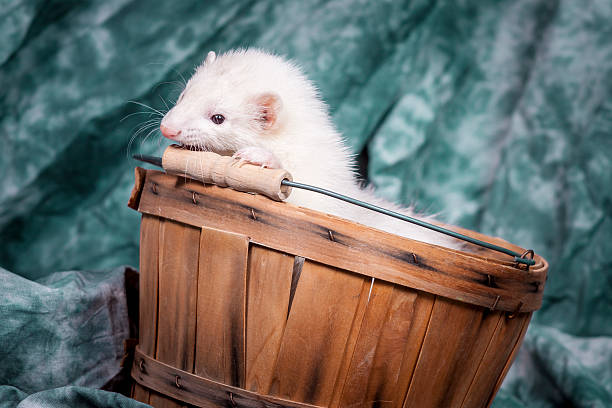
Ferrets, with their playful antics, curious natures, and boundless energy, have charmed their way into the hearts of many pet owners. These fascinating mustelids are highly intelligent and social creatures, thriving on interaction and mental stimulation. However, like any animal, a ferret’s ability to comfortably navigate the world of new experiences, people, and other pets is not innate; it’s a learned skill that requires patience, understanding, and consistent effort from their human companions. This process is known as socialization, and it is arguably one of the most critical aspects of ferret ownership.
A well-socialized ferret is a joy to behold. They are confident, curious, less prone to fear-based aggression or excessive shyness, and generally more adaptable to changes in their environment. Conversely, a poorly socialized ferret might exhibit problematic behaviors such as biting, extreme hiding, unwarranted aggression, or chronic stress, leading to a less fulfilling life for the ferret and a more challenging experience for the owner. Imagine a ferret that greets visitors with a playful nip rather than a fearful retreat, or one that confidently explores a new room instead of trembling in a corner. This ideal is achievable through a dedicated and thoughtful socialization strategy.
This comprehensive guide aims to equip ferret owners, both new and experienced, with the knowledge and tools necessary to successfully socialize their beloved companions. We will delve into the nuances of ferret behavior, establish foundational trust, provide detailed steps for introducing ferrets to new people (including children and other family members), and meticulously outline the process for integrating them with other household pets – from fellow ferrets to dogs and cats, and importantly, recognizing which pairings are inherently dangerous. Our journey will emphasize positive reinforcement, safety, and the importance of reading your ferret’s unique body language, ensuring that the socialization process is a positive and enriching experience for everyone involved. By the end of this guide, you will be well-prepared to foster a confident, friendly, and harmonious life for your ferret within your home and beyond.
Part 1: Understanding Ferret Social Behavior and Needs
Before embarking on the journey of socialization, it’s crucial to understand the inherent nature and social psychology of ferrets. This foundational knowledge will inform every step of your approach.
Ferret Psychology 101: Natural Instincts and Social Dynamics
Ferrets (Mustela putorius furo) are domesticated descendants of the European polecat. In the wild, polecats are solitary hunters, but domestic ferrets have been selectively bred for thousands of years to be more social with humans and, often, with each other. They exhibit a fascinating blend of curious exploration and cautious assessment.
- Curiosity vs. Caution: Ferrets are instinctually curious. They explore new environments with their noses first, followed by tactile investigation. This curiosity is a powerful tool for socialization. However, they are also prey animals in the wild (though they are efficient predators themselves for smaller creatures), which instills a natural caution towards the unknown. Loud noises, sudden movements, or unfamiliar smells can trigger their instinct to flee or, if cornered, to defend themselves.
- “Pack” Animals (of a sort): While not pack animals in the same vein as wolves, ferrets do form strong social bonds with their “business” (the term for a group of ferrets) and with their human families. They enjoy mutual grooming, playing, and sleeping together. This social inclination makes them adaptable to living with other ferrets and responsive to human companionship, provided trust is established.
- Scent-Driven World: Ferrets perceive their world largely through scent. They use scent glands for marking territory and communicating with other ferrets. New people and pets introduce novel scents, which can be intriguing or alarming. Understanding this helps in managed introductions where scent plays a vital role.
- Play Behavior: Ferrets are highly playful animals, and much of their social learning occurs through play. Their characteristic “weasel war dance” is a sign of extreme excitement and joy, often accompanied by happy chortles and bounciness. Understanding their play style, which can include mock battles and playful nips, is key to distinguishing it from genuine aggression.
Importance of Early Socialization: Kits vs. Adults
The adage “you can’t teach an old dog new tricks” isn’t entirely true for ferrets, but early socialization certainly lays the strongest groundwork.
- Critical Window in Kits: Like puppies and kittens, ferret kits (babies) have a critical socialization window, typically from 6 to 14 weeks of age. During this period, positive exposure to a variety of sights, sounds, smells, people, and gentle handling helps them develop into confident, well-adjusted adults. Breeders who handle their kits frequently from birth provide an invaluable head start.
- Adult Ferrets: While a ferret adopted as an adult might require more time and patience, they are absolutely capable of being socialized. Adult ferrets might come with pre-existing fears or negative associations, making trust-building a longer process, but it is rarely impossible. Consistency and positive reinforcement are paramount.
Signs of a Well-Socialized Ferret
A well-socialized ferret typically exhibits the following characteristics:
- Curiosity and Exploration: Approaches new objects, people, or environments with curiosity rather than fear.
- Playfulness: Engages in playful interactions with owners, other ferrets, and sometimes even other pets (if introduced safely).
- Comfortable with Handling: Tolerates being picked up, held, and petted without excessive squirming, biting, or vocalization (hissing).
- Relaxed Body Language: Often seen sleeping deeply, “dead-ferret sleeping,” or relaxing openly in their environment. Happy ‘dooking’ sounds.
- Appropriate Bite Inhibition: Nips are gentle and exploratory, not aggressive or painful, and can be easily deterred.
- Adaptability: Adjusts relatively quickly to changes in routine, new places, or new people.
Signs of a Poorly-Socialized Ferret
Recognizing these signs indicates a need for dedicated socialization efforts:
- Excessive Biting: Hard, painful bites that draw blood, often accompanied by hissing or screaming.
- Hiding/Fear: Constantly retreats from interaction, trembles, or hides whenever new stimuli are present.
- Aggression: Hissing, spitting, bristling fur, or lunging when approached, especially if feeling cornered.
- Skittishness: Overly reactive to sudden movements or sounds, easily startled.
- Lack of Play: Appears uninterested in play or interaction.
Common Ferret Misconceptions
Dispelling common myths helps foster better understanding:
- “Ferrets are rodents”: No, ferrets are mustelids, related to weasels, otters, and badgers. Their care and behavior are distinct from rodents.
- “Ferrets always bite”: While kits often nip exploratory, well-socialized ferrets learn bite inhibition and rarely bite hard. Persistent biting is a behavioral issue, not a species characteristic.
- “Ferrets are dirty/stinky”: Ferrets naturally have a musky scent (from their sebaceous glands, distinct from anal glands which are only expressed when stressed or scared), which can be managed with proper hygiene, diet, and cage cleaning. They are very clean animals themselves, usually litter training easily.
- “Ferrets are low maintenance”: Ferrets are high-maintenance pets, requiring significant daily interaction, enrichment, exercise, specific diet, and specialized veterinary care.
Understanding these fundamentals provides a solid context for the practical steps of socialization that follow. It emphasizes that socialization is not just about training, but about building a trusting relationship based on respect for your ferret’s natural instincts and individual personality.
Part 2: Establishing a Strong Foundation: Socializing Your Ferret to YOU and Your Home
Before you can introduce your ferret to the world, you must first build a strong, trusting relationship with them within the safety of your own home. This foundational socialization with you, your family, and their immediate environment is paramount.
Building Trust: The Cornerstone of Socialization
Trust is not given; it’s earned through consistent, positive interactions.
- Gentle Handling: Always approach your ferret calmly. Avoid sudden grabs or loud noises. When picking them up, scoop gently, supporting their body. Talk to them in a soft, reassuring voice. Frequent, gentle handling teaches them that human touch is safe and pleasant.
- Positive Reinforcement: Ferrets learn best through rewards. Use small, high-value treats (like ferret paste, salmon oil, or meat baby food without onion/garlic) to reward desired behaviors: calmly accepting handling, coming when called, or exploring new objects without fear. Never punish or scold your ferret; this erodes trust and can lead to fear-based aggression.
- Consistent Routine: Ferrets thrive on routine. Predictable feeding times, play sessions, and sleep schedules reduce anxiety and help them feel secure in their environment. Consistency helps them understand what to expect from their day and from you.
- Respecting Their Space: Learn to recognize when your ferret needs alone time. If they are sleeping soundly, let them rest. If they are exploring or playing contentedly by themselves, don’t interrupt unnecessarily. Forcing interaction can create negative associations.
The Power of Play: Interactive Bonding
Play is a ferret’s natural language and one of the most effective tools for bonding and socialization.
- Interactive Toys: Provide a variety of toys that encourage natural behaviors. Crinkly tunnels, crinkle balls, sturdy plush toys (ensure no small parts can be swallowed), and puzzle toys are excellent. Rotate toys to keep them novel and engaging.
- Chase Games: Ferrets love to chase. Dragging a feather wand or toy across the floor, allowing them to “catch” it occasionally, is a fantastic bonding activity.
- “Ambush” Games: Ferrets love to ambush. Wiggling your fingers under a blanket or towel for them to “attack” is a favorite. Just ensure your fingers are protected, especially with young kits still learning bite inhibition.
- Water Play: Some ferrets enjoy playing in shallow water (supervised). A small plastic bin with an inch or two of water and some floating toys can provide immense entertainment.
- The “Weasel War Dance”: When your ferret performs this joyful, bouncy, sometimes clumsy dance, it’s a sign they are happy and excited. Engage with them during these moments to reinforce positive associations with play.
Creating a Safe and Stimulating Environment
A ferret’s environment significantly impacts their confidence and social development.
- Ferret-Proofing Your Home: Before allowing free-roam time, meticulously ferret-proof the area. Block off small spaces they can squeeze into (under appliances, behind cabinets), secure dangerous items (cleaning supplies, medications), remove small ingestible objects, and cover electrical cords. A safe environment allows them to explore without danger, reducing your stress and fostering their independence.
- Enrichment: Provide plenty of mental and physical enrichment. This includes tunnels, multiple sleeping spots (hammocks, blankets, boxes), digging boxes (with rice, pasta, or shredded paper), and safe chew toys. A stimulated ferret is a happy, less destructive ferret.
- Dedicated Play Areas: If your ferret cannot free-roam your entire home, designate specific ferret-proofed rooms or use large playpens to give them ample space to run, dig, and explore outside their cage daily. Aim for at least 2-4 hours of out-of-cage time per day.
Handling Techniques: The Art of Gentle Interaction
Proper handling prevents fear and fosters comfort.
- Picking Up: Gently scoop your ferret under their chest and hindquarters. Avoid grabbing them by the tail or scruffing them unless necessary for medical inspection or bite inhibition training.
- Holding: Support their body fully. Allow them to sit on your lap or shoulder if they are comfortable. Some ferrets enjoy being cradled; others prefer to perch and observe. Learn your ferret’s preference.
- “Scruffing”: This technique involves gently but firmly grasping the loose skin on the back of their neck. When done correctly, it causes ferrets to relax and yawn, similar to how a mother ferret carries her kits. It’s useful for administering medication, nail trims, or as a last resort for correcting a hard bite (briefly, then redirecting to positive behavior). Do not lift them solely by the scruff for extended periods.
Bite Inhibition Training: Teaching Gentle Manners
Ferrets, especially kits, often explore with their mouths. Teaching them what is acceptable is crucial.
- The “Ouch!” Method: When your ferret nips too hard, immediately exclaim “Ouch!” or give a high-pitched yelp. This mimics the sound another ferret would make and tells them they’ve hurt you.
- Scruffing and Redirection (for hard bites): For persistent, hard bites, gently scruff them for a few seconds until they yawn, then immediately redirect their attention to an appropriate chew toy or a playful game.
- Bitter Apple Spray: Some owners find success with bitter apple spray applied to their hands or clothing, making them unappealing to chew on.
- Time Out: For extremely persistent biters, a very brief (1-2 minute) “time out” in a carrier or a small dog crate can be effective, but ensure it’s not seen as a punishment. The goal is to interrupt the behavior and cool down.
- Consistency: Every family member must enforce bite inhibition consistently. Inconsistency confuses the ferret.
- Never Punish Physically: Hitting, flicking, or otherwise physically punishing a ferret will only make them fearful and potentially more aggressive.
Cage vs. Free Roam Time: Balancing Security with Exploration
While a safe cage is essential, extended free-roam time is vital for socialization and well-being.
- Cage as a Sanctuary: Their cage should be a comfortable, safe space with food, water, litter box, and cozy sleeping areas. It’s their retreat.
- Daily Out-of-Cage Time: As mentioned, aim for several hours daily. This allows for exercise, exploration, and meaningful interaction with you. Always supervise free-roam time, especially during initial socialization.
By laying this strong foundation of trust, positive interaction, a safe environment, and clear behavioral boundaries, you prepare your ferret not only for a happy life with you but also for successful introductions to new people and other pets. The confidence they gain from this base will be invaluable as they encounter the wider world.
Part 3: Introducing Your Ferret to New People
Once your ferret is comfortable and trusting within their immediate household and with you, it’s time to expand their social circle. Introducing them to new people requires preparation, patience, and a controlled environment to ensure a positive experience.
Preparation is Key: Setting the Stage for Success
The success of a first meeting often depends on how well you prepare both your ferret and your visitor.
- Explain Ferret Behavior to Visitors: Before they even arrive, educate your guests. Explain that ferrets are curious and playful but can also be nippy, especially if excited or startled. Teach them about ferret body language (e.g., the ‘weasel war dance’ is good, hissing/puffing tail is bad).
- Set Expectations: Advise visitors not to grab, chase, or make sudden loud noises. Emphasize that patience is crucial and that the ferret dictates the pace of interaction. Suggest they sit on the floor to be less intimidating.
- “Ferret Rules”: Establish clear rules: no shoes on the floor (potential for stepping on ferret, or chemicals on soles), no strong perfumes/colognes (can overwhelm a ferret’s sensitive nose), no food or drinks that could be toxic to ferrets lying around.
- Have Treats Ready: Prepare small, high-value treats like ferret paste or salmon oil. These will be essential for positive reinforcement.
Creating a Calm Environment: Minimizing Stress
The environment of the introduction can make or break the experience.
- Quiet Space: Choose a calm, quiet room for the introduction, away from excessive noise or other distractions. A ferret-proofed play area is ideal.
- Familiar Smells: If possible, have an item of your visitor’s clothing (e.g., a clean t-shirt they’ve worn) without strong perfume, for your ferret to smell beforehand. This helps them get used to the person’s scent.
- No Sudden Movements: Instruct your guest to move slowly and deliberately. Fast movements can trigger a ferret’s prey instinct or fear response.
- Give Them an Escape Route: Ensure your ferret has access to tunnels, blankets, or secure hiding spots if they feel overwhelmed and need a retreat. This gives them a sense of control.
The First Meeting: A Controlled Introduction
Follow these gradual steps to introduce your ferret to new people, allowing them to acclimate at their own pace.
- Step 1: Observation from Afar (Passive Introduction):
- Initially, have your guest sit quietly in the room while your ferret is out playing, but not directly interacting with the guest. Allow your ferret to observe the new person from a distance, get used to their presence and scent.
- The guest should remain still, maybe reading or quietly talking to you, allowing the ferret to approach if curious.
- Step 2: Scent Introduction (Indirect Contact):
- The guest can gently offer a closed fist (to avoid accidental nips on fingers) or a clean, worn item of their clothing for the ferret to sniff. This allows for scent investigation without pressure for direct physical contact.
- If the ferret approaches and sniffs, use a calm, reassuring voice.
- Step 3: Supervised, Brief Physical Contact (Optional & Gentle):
- If the ferret shows curiosity and approaches willingly, the guest can try offering a finger (still clenched in a fist, or a knuckle) for the ferret to lick or sniff.
- If the ferret seems comfortable, the guest can try a very gentle, slow pet on the back, avoiding the head initially, as some ferrets dislike being petted on the head by strangers.
- Crucially: The ferret must initiate or clearly accept the contact. Never force interaction. If the ferret retreats, let them.
- Step 4: Gradual Increase in Interaction:
- Once the ferret is comfortable with gentle petting, the guest can try offering a small, high-value treat. This creates a positive association with the new person.
- Encourage the guest to engage in gentle, supervised playtime using a toy, allowing the ferret to chase and interact indirectly.
- Only if the ferret is completely relaxed and accepting, the guest can attempt to gently pick up the ferret, always supporting the body and keeping the interaction brief and calm.
- Keep first interactions short and positive. End on a good note before the ferret gets overstimulated or tired.
Tips for Different Types of Visitors
- Children: This requires extra caution and supervision.
- Education is Paramount: Teach children (especially young ones) how to interact gently. Show them how to sit quietly, how to offer a hand for sniffing, and how to pet softly.
- “Ferret Rules” for Kids: No screaming, no chasing, no pulling tails, no sudden grabs. Explain that ferrets use their mouths to explore and may nip, but it’s not meant to hurt (usually).
- Constant Supervision: Never leave a child and a ferret unsupervised, even if both are generally well-behaved. Accidents can happen quickly.
- Allow Escape: Ensure the ferret can retreat to a safe, child-free area if overwhelmed.
- Elderly/Less Mobile Guests:
- Bring the ferret to them (if the ferret is comfortable being handled).
- Allow the ferret to explore their lap or sit beside them.
- Emphasize slow movements and soft voices.
- New Roommates/Partners: These individuals will become part of the ferret’s daily life, so their integration is more extensive.
- Involve them in daily care: feeding, play, cage cleaning.
- Encourage consistent positive interactions over time.
- Ensure they understand ferret body language and bite inhibition training.
- The goal is for the ferret to see them as part of their trusted “business.”
Dos and Don’ts
- DO:
- Be patient and go at your ferret’s pace.
- Use positive reinforcement (treats, gentle praise).
- Supervise all interactions closely.
- Ensure the ferret has an escape route.
- Reward calm behavior.
- Educate your guests.
- DON’T:
- Force interaction or chase a retreating ferret.
- Allow loud noises, yelling, or sudden movements.
- Let visitors grab or pick up the ferret without your guidance.
- Allow unsupervised interactions between ferrets and young children.
- Punish your ferret for fear-based reactions; instead, calmly remove them from the stressful situation.
Reading Ferret Body Language During Introductions
- Positive Signs: “Weasel war dance” (bouncy, clumsy movements), “dooking” (soft chortling sounds), sniffing, gentle nudging, playful nipping (easily deterred), relaxed posture, deep sleep after interaction.
- Warning Signs: Hissing, spitting, bristling fur (especially on the tail, sometimes called “bottle brush tail”), lunging, hard painful bites, constant hiding, screaming (a sign of extreme fear or pain). If you see these, calmly remove your ferret from the situation and try a slower approach next time.
Troubleshooting: What to Do if Your Ferret is Scared or Aggressive
- Scared Ferret:
- Do not force interaction. End the session.
- Next time, reduce the intensity: start with observation from a greater distance, or just scent swappings.
- Consider putting the ferret in a carrier in the room for observation, giving them a sense of security.
- Revert to foundational trust-building with you.
- Aggressive Ferret:
- Immediately remove the ferret from the situation.
- Review previous training: Was bite inhibition adequately taught?
- Reassess the guest’s behavior: Were they too pushy?
- Work on desensitization: Start with just the person’s scent on an item, then having them in the same room but completely ignoring the ferret.
- If aggression persists despite consistent positive reinforcement, consider consulting a ferret-experienced veterinarian or behaviorist to rule out underlying health issues or develop a more specific behavior modification plan.
Successful introductions to new people enrich your ferret’s life, making them a more adaptable and joyful companion who can confidently interact with the wider world beyond your immediate family. It’s a process built on trust, respect, and a deep understanding of your ferret’s unique personality.
Part 4: Introducing Your Ferret to Other Pets
Introducing your ferret to other animals in your home is perhaps the most delicate and potentially risky aspect of socialization. It requires extreme caution, meticulous supervision, and a realistic understanding of inherent predator-prey dynamics.
General Principles for Multi-Pet Households
Regardless of the species, these principles are non-negotiable:
- Safety First: The absolute priority is the safety of ALL animals involved. Never risk injury to any pet due to an unsupervised or poorly managed introduction.
- Patience and Gradual Steps: Rushing introductions is the fastest way to failure. Take weeks, or even months, if necessary.
- Separate Spaces: Maintain separate living areas for different species, particularly at the beginning and especially for vulnerable pets.
- Supervision is 100% Mandatory: NEVER leave a ferret unsupervised with any new pet, not even for a moment, until you are absolutely certain of their compatibility (and even then, caution is advised for some pairings).
- Know Your Animals: Understand the temperament, breed instincts, and individual personalities of ALL your pets. A high-prey-drive dog is a very different proposition from a calm, senior dog.
- Health Checks: For new ferrets joining existing pets (or vice-versa), ensure the new addition has a clean bill of health from a vet and has completed a quarantine period to prevent disease transmission.
Sub-Part A: Introducing Ferrets to Other Ferrets
Ferrets are typically very social with their own kind, making these introductions generally the easiest and most successful. Getting a second ferret (or more) is often recommended for their well-being.
- Why it’s usually a good idea: Ferrets enjoy sleeping, grooming, and playing with other ferrets. A companion can provide enrichment you can’t fully replicate.
- Health Checks First: Before any physical contact, the new ferret must visit a vet and undergo a mandatory quarantine period (usually 2-4 weeks) in a separate area of your home, away from your existing ferrets. This prevents the spread of diseases (e.g., Canine Distemper, Aleutian Disease, internal parasites, fleas). Maintain strict hygiene during this time (wash hands between handling, separate feeding/water dishes).
- Scent Swapping: After quarantine, begin scent swapping. Exchange bedding, hammocks, or toys between the new ferret’s cage and your current ferret’s cage. This allows them to get used to each other’s smell without direct contact. Observe reactions: curiosity is good, fear or aggression is a warning.
- Neutral Territory: The first face-to-face meeting should occur in a completely neutral area that neither ferret considers “theirs.” A bathtub (empty, dry, and clean), a large playpen, or a room your existing ferret rarely uses is ideal. This minimizes territorial aggression.
- Initial Supervised Meetings:
- Keep first meetings very brief (5-10 minutes) and highly supervised.
- Watch body language closely. Expect some initial huffing, sniffing, and chasing. This is normal exploratory behavior.
- Identifying Play vs. Aggression:
- Normal Play: Lots of chasing, wrestling, scruffing, “play bites” (not hard enough to draw blood or cause distress), happy “dooking” sounds, switching roles (one chases, then the other). They might tumble and roll together.
- Aggression: Hissing, screaming, “bottle brush tail,” drawing blood, one ferret consistently being chased and unable to get away, one ferret constantly attacking the other without reciprocation, sustained fighting.
- When to Intervene: If you see signs of aggression, calmly separate them using a towel or cardboard (never your bare hands). End the session.
- Gradual Increase in Time Together:
- If initial meetings go well, gradually increase the duration of supervised playtimes.
- Once they are consistently playing well, you can try letting them play together in a more familiar ferret-proofed room with you supervising.
- Eventually, if they are fully compatible, they can share a sleeping space or even a cage. Start with overnight stays in the same cage with separate food/water dishes.
- Integrating into the “Business”:
- Ensure there are enough resources for all ferrets: multiple litter boxes, food and water bowls, and diverse sleeping arrangements (hammocks, tunnels, blankets) to prevent resource guarding.
- Ferrets often form hierarchies. Don’t worry if one seems more dominant, as long as no real harm is occurring.
- Dealing with Difficult Introductions:
- If persistent fighting occurs, go back to scent swapping and very brief, highly controlled introductions.
- Consider using a playpen where they can see and smell each other but not physically interact for extended periods.
- Sometimes, specific ferrets simply won’t get along. In rare cases, they may need to live in separate cages with separate playtime rotations. This is unfortunate but prioritizes their safety and well-being.
Sub-Part B: Introducing Ferrets to Dogs
This is a high-risk introduction and should only be attempted with extreme caution and with specific types of dogs.
- High-Risk, High-Reward (or Disaster): Ferrets are small, fast, and emit scents that can trigger a dog’s prey drive. Many dogs, regardless of breed, have an instinctual urge to chase and kill small, fleeing animals. Ferrets are also natural predators themselves and can nip a dog if scared.
- Dog Temperament is Crucial: Only consider this with a dog that is:
- Calm and Gentle: Not overly excitable.
- Low Prey Drive: Has shown no interest in chasing squirrels, rabbits, or other small animals.
- Well-Trained: Responds immediately to commands like “leave it” and “stay.”
- Accustomed to Small Animals: Has a history of peaceful coexistence with small pets (though ferrets are very different from cats or other dogs).
- Breeds like Greyhounds, Terriers, and many Hounds typically have high prey drives and are often unsuitable.
- Muzzle and Leash (for dog): For initial introductions, the dog MUST be on a leash AND, ideally, wearing a muzzle. This is non-negotiable for safety. Remove sharp dog claws before contact.
- Controlled Environment: Use a room where the ferret can escape easily (tunnels, under furniture) and the dog can be contained. A baby gate can be useful to put the dog in one half of the room, ferret in the other, to gauge reactions.
- Scent Introduction: Allow the dog to sniff a used ferret blanket and vice-versa. Observe reactions before any visual contact.
- Supervised Meetings (Brief First Encounters):
- With the dog leashed and muzzled (if recommended), allow the ferret to be in the same room.
- Keep the dog calm with praise and treats.
- Allow the ferret to approach the dog (or not) at its own pace. Do not force interaction.
- If the ferret approaches, allow a brief sniff. Reward both animals for calm behavior.
- Keep initial sessions very short (a few minutes).
- Gradual Increase in Contact (If Successful):
- If multiple sessions go well with the dog muzzled and leashed, you can try removing the muzzle for very brief, highly supervised sessions with the dog still on a leash.
- Only consider off-leash interaction after many problem-free sessions, and only if the dog’s behavior is consistently exemplary.
- Never Leave Unsupervised: Even if your dog and ferret seem to be best friends, never leave them unsupervised. A sudden movement, a misstep, or a re-emerging instinct could lead to tragedy. This rule cannot be stressed enough.
Sub-Part C: Introducing Ferrets to Cats
Similar to dogs, introducing ferrets to cats carries risks due to their differing natures and potential predator-prey dynamics.
- Similar to Dogs, but Different Dynamics: Cats often stalk and pounce on small, fast-moving objects, which a ferret embodies. Ferrets, being natural hunters, may also harass or annoy cats.
- Cat Temperament is Key: Only attempt this with a cat that is:
- Very mellow, calm, and passive.
- Experienced with other small pets without showing aggression.
- Not a “hunter” type who brings home prey.
- A young, playful cat or an older, less energetic cat is generally better than a highly territorial or aggressive one.
- Controlled, Supervised Introductions: Follow steps similar to dog introductions:
- Scent Swapping: Exchange bedding.
- Visual through Barriers: Use baby gates or separate rooms. Let them see each other but not interact physically.
- First Physical Meeting: Cat on a leash (if possible, or confined to a space), ferret free to explore. Supervise intensely.
- Watch for: Cats batting, chasing aggressively, hissing, growling. Ferrets excessively harassing the cat, biting hard.
- Safe Spaces for Both: Ensure the cat has high places to escape to (cat trees, shelves) and the ferret has tunnels and hiding places on the ground.
- Never Leave Unsupervised: Just like with dogs, never leave a ferret and cat unsupervised. While not as powerful as a dog, a cat can inflict serious injury or even kill a ferret, and a ferret can also annoy or nip a cat.
Sub-Part D: Introducing Ferrets to Small Animals (Rabbits, Guinea Pigs, Hamsters, Birds, Reptiles, etc.)
ABSOLUTELY NOT RECOMMENDED AND EXTREMELY DANGEROUS.
- Ferrets are Natural Predators: Ferrets are obligate carnivores and natural hunters of small rodents and birds. Their instincts are incredibly strong.
- Risk is Too High: Any interaction, even under strict supervision, carries an unacceptably high risk of injury or death to the smaller animal. A ferret can quickly kill a rabbit, guinea pig, or bird.
- Separate Living Quarters at All Times: These animals must be kept in completely separate, secure rooms. No shared play areas, no “just for a minute” interactions.
- No Contact, Ever: Do not attempt any form of introduction, scent swapping, or supervised interaction. The risk is simply too great for the prey animal. Prioritize the safety and well-being of all your pets by maintaining strict separation.
Successfully integrating ferrets with other pets requires an immense commitment to safety, an understanding of animal behavior, and an abundance of patience. Always err on the side of caution.
Part 5: Advanced Socialization & Maintaining Good Habits
Socialization isn’t a one-and-done process; it’s an ongoing journey that evolves with your ferret and their experiences. Maintaining good habits ensures your ferret remains well-adjusted and confident throughout their life.
Continual Exposure: Keeping Social Skills Sharp
Just like humans, ferrets benefit from ongoing social interaction and novel experiences.
- Regular Visitors: Encourage friends and family to continue visiting and interacting positively with your ferret, reinforcing their comfort with new people.
- Outings (if safe and appropriate): If your ferret is fully vaccinated and comfortable with a harness and leash, occasional supervised outings to safe, ferret-friendly environments (e.g., a quiet park where no other animals frequent, or a pet-friendly store with careful supervision) can provide novel scents, sights, and sounds. Ensure the environment is clean and free of hazards like pesticides or other animal waste. Always prioritize your ferret’s safety and stress levels; some ferrets prefer the comfort of home.
- New Toys and Environments: Regularly introduce new toys, rearrange their cage, or allow them to explore different ferret-proofed rooms in your home. This keeps their environment stimulating and prevents boredom.
Travel and New Environments: Preparing Your Ferret
Eventually, you might need to travel with your ferret or move to a new home. Preparation is key to minimizing stress.
- Carrier Training: Acclimate your ferret to their travel carrier. Make it a positive space with treats and cozy bedding. Leave it open in their play area so they can explore it voluntarily.
- Short Car Rides: Start with short car rides around the block, rewarding calm behavior. Gradually increase the duration.
- Familiar Items: When traveling or moving, bring familiar items from their cage (bedding, favorite toys) to provide comfort in new surroundings.
- Routine During Travel: Try to maintain as much of their usual routine (feeding, playtimes) as possible to reduce anxiety.
- Safety: Always ensure your ferret is secured in a carrier during car travel. Never let them roam freely in a moving vehicle.
Addressing Behavioral Regressions: What to Do if Your Ferret Becomes Shy or Aggressive Again
It’s not uncommon for even well-socialized ferrets to experience periods of regression, perhaps due to stress, illness, or a negative experience.
- Identify the Cause: Try to pinpoint what might have triggered the change. Has there been a change in routine, a new scent, a stressful event, or an illness? A vet check is always recommended to rule out pain or sickness as a cause for behavioral changes.
- Go Back to Basics: If your ferret starts biting again or becomes fearful, revert to foundational socialization techniques:
- More gentle handling from you.
- Increased positive reinforcement for calm behavior.
- Re-initiate bite inhibition training.
- Limit exposure to triggers.
- Patience and Consistency: Overcoming regression requires the same patience and consistency as initial socialization. Don’t get discouraged.
- Avoid Punishment: Never punish a ferret for fear or aggression, as this will only exacerbate the problem.
The Role of Enrichment: Keeps Them Happy and Well-Adjusted
A mentally and physically enriched ferret is less likely to develop behavioral issues.
- Daily Play: Ensure at least 2-4 hours of active, supervised play outside their cage daily.
- Variety of Toys: Rotate toys frequently to keep them novel.
- Digging/Foraging Opportunities: Provide dig boxes (rice, pasta, shredded paper) or puzzle feeders to stimulate their natural foraging instincts.
- Exploration: Allow access to ferret-proofed areas of your home or safe outdoor enclosures (if applicable and secure).
- Social Interaction: Consistent interaction with you and other appropriate pets is vital.
When to Seek Professional Help
While this guide provides extensive advice, some situations warrant professional intervention.
- Persistent Aggression: If your ferret exhibits severe, sustained aggression towards people or other ferrets that you cannot manage with the techniques outlined, consult a vet or certified animal behaviorist specializing in ferrets.
- Extreme Fear/Phobias: If your ferret is extremely fearful, hides constantly, or shows signs of chronic stress despite your best efforts, professional guidance can help.
- Sudden, Unexplained Behavioral Changes: Any sudden, drastic change in behavior (e.g., a previously friendly ferret becoming aggressive, or an active ferret becoming lethargic) should always prompt a visit to a ferret-experienced veterinarian first to rule out underlying medical conditions.
- Introductions Gone Wrong: If you’re struggling to introduce ferrets to each other, or you’re concerned about interactions with other pets, a behaviorist can offer tailored strategies.
Conclusion
Socializing your ferret is much more than just training; it’s about forming a deep, trusting bond that enriches both your lives. It’s a journey that requires patience, consistency, and a profound understanding of your ferret’s unique personality and natural instincts. From building the initial foundation of trust with you, their primary caregiver, to carefully introducing them to the wider world of new people and other pets, every step plays a crucial role in shaping a confident, happy, and well-adjusted companion.
Remember the key takeaways: patience is paramount, as every ferret learns at their own pace. Consistency in your approach and routine instills security and clarity. Positive reinforcement builds trust and encourages desired behaviors without fear. And above all, safety must always be your guiding principle, especially when introducing ferrets to other animals.
A well-socialized ferret is a joy to live with. They greet visitors with curiosity, engage playfully with their human family, and navigate new experiences with a delightful blend of caution and confidence. Their lives are fuller, less stressful, and more fulfilling when they feel secure in their environment and with those around them. By investing your time and effort into comprehensive socialization, you are not just managing a pet; you are fostering a beloved family member who will thrive and bring endless delight into your home for years to come. Embrace the process, celebrate the small victories, and cherish the unique bond you build with your wonderfully social little mustelid.
#FerretsOfInstagram, #FerretLife, #FerretLove, #SocializingFerrets, #FerretCare, #FerretTips, #PetFerrets, #Mustelids, #WeaselWarDance, #FerretsAndFriends, #FerretTraining, #FerretBehavior, #FerretAdoption, #ExoticPets, #HappyFerret, #FerretsMakeMeHappy, #FerretFun, #FerretFamily, #FerretGuide, #IntroducingPets, #FerretsAndDogs, #FerretsAndCats, #FerretPals, #FerretOwners, #EnrichmentForFerrets, #FerretsAreAwesome






Add comment