
I. Introduction: The Ferret Imperative
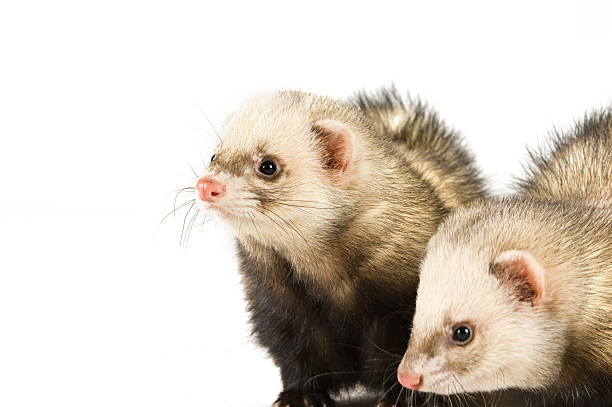
Ferrets (Mustela putorius furo) are captivating, intelligent, and highly social domestic pets. However, unlike dogs and cats, for whom sterilization is often a choice driven by population control, spaying and neutering a ferret is not merely advisable—it is a critical, life-saving necessity. For the female ferret, specifically, the failure to sterilize results in a medical emergency that is almost guaranteed to be fatal.
This comprehensive guide delves into the anatomical, physiological, behavioral, and controversial aspects of ferret sterilization. We will explore the dire medical consequences of unneutered ferrets, the standardized practices of the pet trade, the optimal timing for surgery, and the crucial connection between early sterilization and the elevated risk of Adrenal G Gland Disease (AGD).
Defining the Terminology
To understand ferret reproduction and care, specific terms must be utilized:
- Jill: An intact female ferret.
- Hob: An intact male ferret.
- Sprite/Gib: A spayed female ferret.
- Hoblet: A neutered male ferret.
- Business: A group of ferrets.
II. The Biological Necessity: Understanding the Ferret Reproductive Cycle
Ferrets are seasonal breeders, primarily entering their reproductive phase between March and September in the Northern Hemisphere. Their reproductive physiology is profoundly different from most common pets, particularly the female’s cycle.
A. The Female Cycle: The Threat of Induced Ovulation
Jills are induced ovulators. This means that they do not release eggs (ovulate) on a schedule determined by internal timing. Instead, ovulation is triggered by mating.
If a Jill enters estrus (heat) through seasonal light cycles and increased hormones but is not bred, she remains in an elevated, prolonged state of estrus. Critically, this prolonged estrus leads to chronic exposure to high levels of estrogen.
The Physiological Disaster: Aplastic Anemia
The unrelenting exposure to estrogen is toxic to the bone marrow, the factory responsible for producing red blood cells, white blood cells, and platelets.
- Estrogen Toxicity: High estrogen levels actively suppress the bone marrow.
- Pancytopenia: This suppression leads to a deficiency of all three major blood components (red cells, white cells, platelets).
- Aplastic Anemia: The fatal outcome where the bone marrow fails completely.
Symptoms of Aplastic Anemia include extreme lethargy, paleness of the mucous membranes (gums and vulva), petechial hemorrhages (small red spots on the skin due to lack of platelets), and eventual systemic collapse. If a Jill is not spayed or chemically brought out of heat quickly, Aplastic Anemia is fatal in 90-100% of cases. This single, life-threatening condition makes spaying an absolute necessity for any pet Jill.
B. The Male Cycle: Hormonal Drive and Physical Changes
Hobs experience a dramatic transformation during breeding season, driven by testosterone.
- Physical Changes: The testicles descend and enlarge significantly. The ferret’s coat becomes thicker, coarser, and often yellowed due to oil production.
- Increased Odor: While ferrets have scent glands (anal glands) that can be expressed when startled, the intense, musky body odor associated with intact males is primarily hormonal. This smell is pervasive, powerful, and often unacceptable in a domestic environment.
- Behavioral Changes: Unaltered Hobs become intensely territorial, often displaying heightened aggression toward other ferrets (especially other males) and sometimes toward humans. They are driven to roam and mark territory extensively inside the home, making litter training virtually impossible.
III. The Crucial “Why” – Comprehensive Health Benefits of Sterilization
Sterilization offers profound medical and behavioral benefits that extend far beyond simply preventing litters.
A. Health Benefits for the Jill (Sprite/Gib)
Beyond the catastrophic risk of Aplastic Anemia, spaying prevents several other common reproductive tract malignancies and infections:
| Condition | Description and Prevention |
|---|---|
| Aplastic Anemia | Direct bone marrow suppression from chronic estrogen exposure. Prevention: Immediate spaying removes the source of the hormones. |
| Pyometra | A severe, potentially fatal uterine infection common in many unspayed mammals. Pus fills the uterus, often requiring emergency spay (Ovariohysterectomy). |
| Dystocia | Birthing complications/difficulty (if bred). Spaying eliminates this risk. |
| Mammary Tumors | While less common than in dogs, spaying significantly reduces the lifetime risk of both benign and malignant mammary tumors, which are often hormone-driven. |
| Uterine and Ovarian Cancers | Removal of the reproductive organs eliminates the possibility of these specific cancers. |
B. Health Benefits for the Hob (Hoblet)
While life-threatening conditions like Aplastic Anemia are absent in males, neutering significantly improves their quality of life, mitigates behavioral issues, and prevents specific cancers:
- Testicular Cancer: Although less prevalent than in other species, neutering eliminates the risk of testicular tumors entirely.
- Prostatic Enlargement and Disease: Hormone fluctuations in intact Hobs can lead to prostatic issues, though full-blown prostatic disease in ferrets is often linked to adrenal disease later in life. Neutering reduces immediate hormonal stress on the prostate.
- Reduced Territorial Aggression: Neutered males are dramatically less likely to fight, display dominance behaviors, or injure cage mates. This allows them to be successfully introduced into a “business” (group) of ferrets.
IV. The Behavioral and Social Imperatives
The primary drivers for sterilization (aside from the medical emergency in Jills) are related to pet companionship and environmental harmony.
1. Odor Management and Musking
The most immediate change noticed by owners post-neutering is the drastic reduction in the powerful, musky scent.
- Misconception Alert: Spaying/neutering does not remove the anal glands. Ferrets retain the ability to “musk” when terrified or startled. However, the pervasive, intense, hormone-driven body odor, which saturates the fur and bedding during breeding season, is eliminated by sterilization. A neutered ferret still has a mild, distinct smell, but it is manageable and clean.
2. Temperament and Handling
Intact Hobs, particularly during breeding season, can become challenging pets. They may bite harder, exhibit sexual behavior (such as dragging or humping objects/other ferrets/owners’ feet), and are generally more restless and difficult to bond with. Neutering calms these hormonal drives, resulting in a more affectionate, docile, and reliable companion.
3. Cohabitation Success
Ferrets are highly social animals and thrive in groups. Successful cohabitation requires that all individuals are altered. Placing an intact Jill or Hob into a business is stressful for all involved, leading to fighting, dominance displays, and potential injury. Sterilization allows for peaceful introduction and stable social groupings.
V. Timing is Everything: When to Perform the Surgery
The decision of when to sterilize a ferret is perhaps the most nuanced and controversial topic in modern exotic pet medicine, directly tied to the risk of Adrenal Gland Disease (AGD).
A. The Standard Practice (The US Mill Ferret)
In the United States, the majority of ferrets sold in pet stores come from large breeding facilities (Mills, primarily Marshall Farms). These ferrets are typically sterilized very early—often between 6 to 8 weeks of age.
- Why so early? The primary goal is to ensure the ferrets are non-reproductive (reducing population risk) and non-smelly (increasing marketability) before they are shipped to retailers. These ferrets are identifiable by the small, two-dot tattoo placed near their ear.
B. The Optimal Timing for Pet-Bred Ferrets (European/Delayed Protocol)
A strong body of veterinary evidence suggests that early sterilization may interfere with the normal development of the Hypothalamic-Pituitary-Gonadal (HPG) axis, leading to hormonal imbalances later in life that can trigger AGD.
For ferrets bred by small, reputable breeders who do not perform early sterilization, the current recommendation to reduce AGD risk is to delay the operation until the ferret is sexually mature but before they enter their first breeding season.
- Optimal Age Range: 4 to 6 months of age.
- Rationale: This allows the gonads (testes/ovaries) to produce sufficient sex hormones (testosterone and estrogen) during the crucial early developmental phase, which helps regulate the pituitary gland and prevents the overproduction of Luteinizing Hormone (LH) later on.
C. The Risk of Late Sterilization
While delaying surgery is linked to potentially lower AGD risk, it is vital to avoid delaying it past the age of first sexual maturity (around 6-9 months). If a Jill enters her first estrus, she must be immediately treated (either spayed or given chemical treatment) to prevent Aplastic Anemia.
VI. Adrenal Gland Disease (AGD): The Compromise and Controversy
Adrenal Gland Disease is an extremely common, progressive, and life-limiting endocrine disorder affecting domestic ferrets, characterized by the overproduction of sex steroids (not necessarily cortisol) from the adrenal glands.
A. The Proposed Link: Early Sterilization and AGD
The most accepted hypothesis regarding the prevalence of AGD in US ferrets is the disruption of the HPG axis caused by early sterilization:
- The Feedback Loop: Normally, the Hypothalamus in the brain releases GnRH (Gonadotropin-releasing hormone), spurring the Pituitary Gland to release LH (Luteinizing Hormone) and FSH (Follicle-stimulating hormone). These hormones travel to the gonads (ovaries/testes) and signal them to produce sex steroids (estrogen/testosterone).
- Negative Feedback: The sex steroids then travel back to the brain, providing negative feedback that tells the Pituitary to slow down LH/FSH production.
- The Disruption: When the gonads are removed at 6 weeks of age, the source of the crucial sex steroids is eliminated.
- Chronic Overstimulation: Without the negative feedback, the Pituitary gland continues to release high, chronic levels of LH/FSH. It is hypothesized that these excessive levels of LH/FSH migrate down the body and begin stimulating the cells of the adrenal cortex, causing them to hypertrophy (enlarge) and eventually become neoplastic (tumorous), leading to the symptomatic overproduction of sex steroids (AGD).
B. Addressing the Risk: Chemical Alternatives
Because of the strong association between early spay/neuter and AGD, veterinary science has developed proactive strategies utilizing GnRH agonists to manage the risk.
1. The Deslorelin Implant (Chemical Castration)
The Deslorelin implant (Suprelorin) contains a GnRH agonist that effectively achieves chemical sterilization and hormonal downregulation for long periods.
- Function: Deslorelin initially causes a surge in LH/FSH, followed by a sustained downregulation (shutdown) of the pituitary gland’s ability to release LH/FSH.
- Use in Intact Ferrets: Deslorelin is highly effective at immediately bringing a Jill out of estrus, preventing Aplastic Anemia without the need for surgery. It is often used as a long-term alternative to surgical spay, especially in older ferrets or those with pre-existing conditions.
- Use in Already Sterilized Ferrets (AGD Prevention): Many exotic veterinarians recommend implanting young, already-sterilized pet store ferrets with Deslorelin around 6 months (or shortly after adoption) and subsequently every 8–18 months. The goal is to chemically suppress the pituitary gland to prevent the chronic release of LH/FSH, thereby reducing the likelihood of adrenal stimulation and subsequent AGD.
2. The Surgical Compromise: Delayed Spay + Deslorelin
For those seeking the benefits of surgical sterilization (permanent removal of reproductive cancers/pyometra risk) while mitigating AGD risk, the suggested protocol is:
- Delay Surgery: Wait until 4–6 months of age.
- Surgery: Perform the Ovariohysterectomy (Jill) or Castration (Hob).
- Prophylaxis: Begin Deslorelin implants after the surgery (usually within the first year) to manage the pituitary response.
VII. The Surgical Procedures: What Owners Need to Know
Sterilization is a common procedure, but it carries inherent risks in all species, particularly ferrets, who are highly sensitive to respiratory and anesthetic complications.
A. Pre-Operative Care and Assessment
- Fasting: Unlike dogs and cats who require long fasts, ferrets cannot go long without food due to their fast metabolism and risk of hypoglycemia. Ferrets should only be fasted for 2–4 hours before surgery.
- Blood Work: Pre-anesthetic blood work (PCV, total solids, basic chemistries) is essential to ensure the ferret is not anemic and has healthy organ function. For intact Jills, a complete blood count (CBC) is crucial to assess for signs of early Aplastic Anemia.
- Temperature Regulation: Ferrets are highly prone to hypothermia during surgery. Warm surgical tables and post-operative monitoring are mandatory.
B. Ovariohysterectomy (Spaying the Jill)
This is the removal of the ovaries and uterus. The procedure is typically performed on the midline of the abdomen. Due to the small size of the ferret’s anatomy, this surgery requires meticulous technique. The incision is often smaller than in a cat spay, but the anatomy is delicate.
C. Castration (Neutering the Hob)
This is the removal of the testes. Because the testes are small and close to the body, castration in ferrets is typically a straightforward procedure, often done via two small incisions over the scrotal sacs.
D. Anesthesia and Monitoring
Exotic veterinarians specializing in ferrets rely on gas anesthesia (isoflurane or sevoflurane) delivered via an endotracheal tube or mask. Monitoring must be continuous and aggressive, tracking heart rate, respiratory rate, oxygen saturation (SPO2), and temperature.
E. Post-Operative Recovery
- Recovery Area: Recovery must be warm, quiet, and supervised. Ferrets should be offered food immediately upon waking.
- Incision Care: Owners must carefully monitor the incision site for redness, swelling, or discharge.
- Pain Management: Appropriate pain medication (e.g., buprenorphine, meloxicam) must be prescribed and administered for several days post-operatively.
- Suture Management: Most vets use internal, dissolving sutures, eliminating the need for removal. If external sutures or staples are used, an e-collar or restrictive bandage may be needed to prevent the ferret from chewing them out—a common behavior in mustelids.
VIII. Addressing Common Myths and Misconceptions
Despite the overwhelming medical necessity, myths about sterilization persist.
Myth 1: “Surgery is too risky for a small animal like a ferret.”
Reality: While anesthesia always carries risk, modern veterinary techniques, specialized monitoring equipment, and experienced exotic vets make sterile surgery highly successful. The risk of death from an anesthetic event is extremely low compared to the near-certainty of death from untreated Aplastic Anemia in an intact Jill or the risk of AGD complications later in life.
Myth 2: “The ferret needs to have one litter to be healthy.”
Reality: This is a detrimental myth with no basis in science. Reproduction offers zero health benefits to any domestic pet and significantly increases health risks (dystocia, Pyometra, stress on the body).
Myth 3: “Neutering makes them lazy and fat.”
Reality: Sterilization can slightly slow down a ferret’s metabolism, requiring owners to monitor food intake and exercise. However, a neutered ferret is not inherently lazy; behavioral changes are typically positive (less aggression, more cuddles), provided they maintain a good diet and sufficient “dook time” (play).
Myth 4: “If I have a pet store ferret, I don’t need to worry about the breeding issues.”
Reality: While pet store ferrets are already sterilized, owners must still be aware of the consequences of their early sterilization. The primary concern shifts from Aplastic Anemia to the need for proactive adrenal disease prevention strategies (Deslorelin implants).
IX. Conclusion: The Lifelong Commitment to Care
Spaying or neutering a ferret is the most important medical decision an owner can make, directly correlating with the animal’s longevity and quality of life. For Jills, it is a non-negotiable, life-saving measure against Aplastic Anemia. For Hobs, it transforms an aggressive, intensely odorous animal into a manageable, affectionate companion.
While sterilization provides immense immediate benefits, owners must acknowledge the potential long-term risk of Adrenal Gland Disease imposed by the current common practice of early alteration. A proactive partnership with an exotic veterinarian who understands the crucial HPG axis link is mandatory. This involves:
- Determining the optimal timing (delayed spay is preferred when possible).
- Utilizing the Deslorelin implant strategically throughout the ferret’s life as a preventative hormonal management tool.
- Committing to routine veterinary care that includes annual blood work and monitoring for AGD symptoms (hair loss, swollen vulva, aggression).
By understanding the unique biology of Mustela putorius furo and embracing modern preventative care protocols, owners can ensure their ferrets live the longest, healthiest, and happiest lives possible. Sterilization is not just about population control; it is the foundation of responsible ferret ownership and lifelong health.
#FerretHealth, #SpayNeuterSave, #ExoticPetVet, #FerretsOfInstagram, #MustelidCare, #AdrenalDiseaseAwareness, #FerretDad, #FerretMom, #Ferrets, #AplasticAnemia, #PetCareTips, #FerretSurgery, #Deslorelin, #ResponsiblePetOwner.




Add comment