
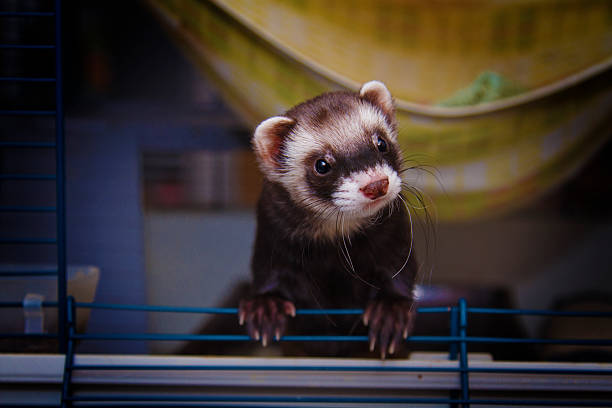
Ferrets are playful, curious, and highly active animals, making them beloved pets for many. However, their energetic nature and unique spine anatomy make them particularly susceptible to spinal injuries, especially Intervertebral Disc Disease (IVDD), which can lead to partial or complete paralysis. Understanding these conditions is essential for early detection, effective treatment, and improving the long-term quality of life for affected ferrets.
This comprehensive guide delves into the causes, signs, diagnosis, treatment, prognosis, complications, prevention, diet, and nutritional considerations related to spinal cord injuries and paralysis in ferrets. It is intended for ferret owners, veterinary professionals, and animal caregivers seeking in-depth knowledge about managing this serious health issue.
Understanding the Ferret Spine and Spinal Cord
The ferret (Mustela putorius furo) has an elongated vertebral column consisting of 7 cervical (neck), 15 thoracic, 6 lumbar, 3 sacral, and 14–18 caudal (tail) vertebrae. This flexible spine enables ferrets to twist, coil, and squeeze through tight spaces — behaviors crucial for their natural foraging and play. However, the length and flexibility also predispose them to spinal trauma and degeneration.
The spinal cord runs through the vertebral canal, transmitting signals between the brain and the body. Any damage to the spine — whether from trauma, disc herniation, tumors, or vertebral malformations — can interfere with neural transmission, leading to sensory loss, motor dysfunction, and paralysis.
One of the most common spinal conditions in ferrets is Intervertebral Disc Disease (IVDD), which involves the degeneration or herniation of the soft discs that cushion the vertebrae. While IVDD is often associated with dogs (especially Dachshunds and other chondrodystrophic breeds), ferrets share similar spinal vulnerabilities due to their elongated bodies and active lifestyles.
Causes of Spinal Cord Injuries and Paralysis in Ferrets
Spinal cord injuries in ferrets can be broadly categorized as traumatic or non-traumatic. While trauma is a frequent cause, degenerative diseases like IVDD are equally significant.
1. Trauma
Ferrets are prone to high-impact accidents due to their tendency to explore elevated areas. Common traumatic causes include:
- Falling from furniture, shelves, or stairs
- Being stepped on or squeezed accidentally
- Collisions with walls or heavy objects during play
- Dog or cat attacks
- Improper handling, especially lifting by the tail or scruff
These incidents can cause fractures, luxations (dislocations), or spinal cord compression, resulting in immediate or delayed paralysis.
2. Intervertebral Disc Disease (IVDD)
IVDD is a degenerative condition where the intervertebral discs lose their elasticity and cushioning ability. Over time, the discs may bulge or rupture, pressing on the spinal cord.
There are two primary types of IVDD:
- Hansen Type I: Sudden disc extrusion, often seen in acute injuries or genetically predisposed individuals.
- Hansen Type II: Gradual disc degeneration and bulging, common in older ferrets.
Ferrets aged 3 to 7 years are most vulnerable, but IVDD can occur at any age. Obesity, sedentary lifestyle, and poor nutrition can accelerate disc degeneration.
3. Vertebral Malformations
Some ferrets are born with spinal abnormalities such as hemivertebrae, scoliosis, or spina bifida. These congenital issues may not cause problems early in life but can progress into instability and cord compression.
4. Tumors and Infections
Neoplastic growths (e.g., lymphoma, bone tumors) or spinal infections (rare but possible) can compress the spinal cord, leading to neurological deficits.
5. Ischemic Myelopathy
A stroke-like event in the spinal cord due to reduced blood flow can result in sudden paralysis, though this is uncommon in ferrets.
6. Metabolic and Nutritional Disorders
Severe deficiencies in essential nutrients, particularly calcium, vitamin D, and protein, can weaken bones and connective tissues, increasing susceptibility to injury.
Signs and Symptoms of Spinal Cord Injuries in Ferrets
Early recognition of spinal issues is crucial for effective treatment. Symptoms can range from mild discomfort to complete paralysis, and their progression depends on the cause and severity.
Common Signs of Spinal Trauma or IVDD:
- Abnormal Gait or Weakness: Wobbly walking, dragging hind legs, or reluctance to climb
- Reluctance to Move: Sudden lethargy or avoiding playful behaviors
- Pain Response: Yelping when touched, hunched posture, teeth grinding (bruxism)
- Incontinence: Loss of bladder or bowel control
- Paralysis: Partial (paresis) or complete loss of movement in the hind limbs; in severe cases, all four limbs may be affected
- Loss of Tail Function: Flaccid tail or lack of tail movement
- Pain with Touch: Sensitivity along the back or spine
- Muscle Atrophy: Wasting of hind limb muscles due to disuse
Neurological Assessment Signs:
Veterinarians use specific tests to evaluate the extent of spinal injury:
- Withdrawal Reflex: Does the ferret pull its paw away when pinched?
- Deep Pain Sensation: A crucial indicator of spinal cord integrity; absence of deep pain suggests a poor prognosis.
- Proprioception: Ability to correct paw position when flipped over; loss indicates spinal dysfunction.
Delayed onset of symptoms after trauma (e.g., hours or days) can occur due to progressive swelling or hemorrhage around the spinal cord.
Diagnosis of Spinal Cord Injuries
Accurate diagnosis is essential for determining treatment and prognosis. Veterinarians use a combination of clinical evaluation, imaging, and laboratory tests.
1. Physical and Neurological Examination
- Assess gait, posture, reflexes, pain perception, and coordination
- Identify areas of tenderness or swelling along the spine
2. Radiography (X-rays)
- Can detect fractures, dislocations, or changes in intervertebral disc spaces
- Limited in visualizing soft tissues like the spinal cord or herniated discs
- Often used as a first-line imaging tool due to availability and affordability
3. Advanced Imaging:
- Myelography: Injection of contrast dye into the spinal canal followed by X-rays to detect cord compression. Invasive but effective.
- Computed Tomography (CT Scan): Provides detailed cross-sectional images of bones and can reveal disc herniations or fractures.
- Magnetic Resonance Imaging (MRI): Gold standard for spinal imaging, especially soft tissue evaluation. Clearly shows herniated discs, tumors, and spinal cord swelling.
4. Laboratory Testing
- Blood work to rule out systemic illness or infections
- Urinalysis to assess kidney function and check for urinary tract infections (common in paralyzed ferrets)
5. Biopsy (if tumor suspected)
- Tissue sampling for histopathological analysis to confirm malignancy
Treatment Options for Spinal Cord Injuries in Ferrets
Treatment depends on the cause, severity, and duration of symptoms. Options range from conservative medical management to surgical intervention.
1. Conservative (Non-Surgical) Management
Used for mild cases, early IVDD, or when surgery is not feasible.
- Strict Cage Rest: Confine the ferret to a small, padded enclosure for 4–6 weeks to prevent further injury and allow healing.
- Anti-inflammatory Medications:
- Nonsteroidal anti-inflammatory drugs (NSAIDs) like meloxicam (under veterinary supervision)
- Corticosteroids (e.g., prednisone) in acute cases to reduce spinal swelling — though use is controversial due to side effects
- Pain Management:
- Buprenorphine or other opioids for severe pain
- Muscle Relaxants: In some cases, to relieve spasms
- Physical Therapy: Gentle massage, passive range-of-motion exercises, and hydrotherapy (under professional guidance) may aid recovery
2. Surgical Intervention
Indicated for severe disc herniation, fractures, or irreversible cord compression.
- Decompressive Laminectomy: Removal of part of the vertebra to relieve pressure on the spinal cord
- Vertebrectomy or Spinal Stabilization: In cases of severe trauma or instability
- Disc Removal: Direct removal of herniated disc material
Surgery should be performed by an experienced exotic animal or neurologic veterinary surgeon. Success rates depend on the timing and severity of injury.
Pros of Surgery:
- Immediate decompression of the spinal cord
- Higher chance of recovery in ferrets with deep pain sensation
Cons of Surgery:
- Risk of anesthesia (ferrets have high metabolic rates)
- Post-operative complications: infection, dehiscence, or re-injury
- High cost (especially with MRI and surgery)
3. Supportive Care for Paralyzed Ferrets
Even if full recovery is not possible, many paralyzed ferrets can live happy lives with proper care.
- Bladder Management: Manual expression of the bladder 2–4 times daily to prevent urinary retention and infection
- Hygiene: Regular cleaning of the hindquarters to prevent urine scalding and pressure sores
- Mobility Aids: Ferret wheelchairs or carts (though rare, custom-made options exist) or supportive harnesses
- Physical Therapy: Daily assisted movement to maintain muscle tone and circulation
Prognosis and Long-Term Management
The prognosis for ferrets with spinal cord injuries varies greatly depending on the etiology, severity, and treatment response.
Favorable Prognostic Factors:
- Early diagnosis and treatment
- Presence of deep pain sensation in the affected limbs
- Mild to moderate weakness (not complete paralysis)
- Younger age and otherwise healthy ferret
Ferrets with deep pain sensation have a 70–90% chance of recovering ambulation with appropriate treatment, especially if surgery is performed promptly.
Poor Prognostic Indicators:
- Complete paralysis without deep pain sensation for over 48 hours
- Advanced age or comorbid conditions (e.g., insulinoma, adrenal disease)
- Severe spinal cord trauma or irreversible damage
Despite a guarded prognosis, many paralyzed ferrets adapt remarkably well and can enjoy quality lives for months or even years with dedicated care.
Long-Term Care Considerations:
- Frequent veterinary check-ups (every 3–6 months)
- Weight monitoring to prevent obesity and pressure sores
- Mental stimulation through toys, interaction, and environmental enrichment
- Preventing secondary infections (urinary, skin)
Euthanasia may be considered only when the ferret shows no improvement, suffers from chronic pain, or develops life-threatening complications despite care.
Complications of Spinal Injuries and Paralysis
Untreated or poorly managed spinal injuries can lead to several serious complications:
1. Pressure Sores (Decubitus Ulcers)
Prolonged immobility causes constant pressure on bony areas (hips, tail base), leading to skin breakdown and infection.
Prevention:
- Frequent repositioning
- Soft, absorbent bedding
- Clean, dry environment
2. Urinary Tract Infections (UTIs)
Inability to empty the bladder fully increases infection risk.
Management:
- Regular bladder expression
- Antibiotics if infection is confirmed via urinalysis
- Encourage hydration
3. Muscle Atrophy and Joint Stiffness
Lack of movement leads to weakening and contractures.
Prevention:
- Daily passive range-of-motion exercises
- Physical therapy
4. Constipation or Megacolon
Reduced abdominal muscle strength may impair defecation.
Solution:
- High-fiber diet
- Laxatives or stool softeners (e.g., psyllium, lactulose)
- Manual stimulation if needed
5. Pneumonia
Immobility can lead to poor lung expansion and aspiration, especially if the ferret eats in a recumbent position.
Prevention of Spinal Injuries in Ferrets
Prevention is the best strategy, especially given the limited treatment options and high recovery stakes.
1. Ferret-Proofing the Environment
- Block access to high furniture, balconies, and stairs
- Install baby gates or barriers
- Use low-sided enclosures to minimize fall risks
2. Safe Handling Techniques
- Always support the entire body when lifting
- Avoid grabbing the tail or scruff
- Train children and visitors on proper handling
3. Weight Management
- Obesity increases spinal stress and reduces mobility
- Maintain lean body condition through diet and exercise
4. Exercise and Environmental Enrichment
- Provide tunnels, ramps (low gradient), and safe climbing structures
- Encourage play and exploration in a secure area
5. Regular Veterinary Check-Ups
- Early detection of degenerative spinal changes
- Monitoring for signs of IVDD, tumors, or metabolic disease
6. Nutrition for Spinal Health
- Feed a species-appropriate, high-protein, low-carbohydrate diet
- Avoid feeding excessive calcium or vitamin D supplements unless deficient
Diet and Nutrition for Ferrets with Spinal Injuries
Nutrition plays a vital role in healing, maintaining mobility, and supporting overall health.
General Dietary Requirements for Ferrets:
- Obligate carnivores requiring high animal protein (30–40%) and fat (15–20%)
- Low in fiber and carbohydrates
- Diet should mimic whole prey: muscle meat, organs, and bones
Recommended Diet Components:
- High-quality ferret kibble or kitten food (grain-free, high-protein)
- Raw diets (BARF-style): chicken necks, turkey hearts, organ meats (liver, kidney) — with proper hygiene
- Cooked meats: chicken, turkey, beef (unseasoned)
- Eggs (cooked) as occasional treats
- Avoid: dairy, fruits, vegetables, sugary treats — these cause insulinoma and GI upset
Special Nutritional Needs for Paralyzed or Injured Ferrets:
- Increased Protein: To prevent muscle wasting and support tissue repair
- Calorie Adjustment: Reduce calories if activity is limited to prevent obesity
- Hydration: Offer fresh water at all times; wet food or water-added kibble helps moisture intake
- Fiber and Gut Health: Small amounts of pureed pumpkin or psyllium husk for constipation
- Supplements (only under vet guidance):
- Omega-3 fatty acids (fish oil) for anti-inflammatory effects
- Glucosamine and chondroitin for joint and disc health
- Vitamin E and selenium as antioxidants
Avoid over-supplementation, which can cause toxicity. Always consult a veterinarian before introducing supplements.
Zoonotic Risk: Can Ferrets Transmit Spinal Conditions to Humans?
The good news: Spinal cord injuries, IVDD, and paralysis in ferrets are not zoonotic. These conditions are not caused by infectious agents transmissible to humans.
However, ferrets can carry certain zoonotic pathogens that unrelated to spinal issues, including:
- Influenza viruses: Ferrets can contract human flu and transmit it back
- Helicobacter mustelae: Causes ulcers; rare transmission potential
- Ringworm (dermatophytosis): Fungal skin infection
- Salmonella and Campylobacter: From contaminated food or feces
Preventive Measures:
- Wash hands after handling ferrets or cleaning cages
- Use gloves when managing incontinent ferrets
- Keep sick ferrets isolated
- Practice good hygiene in feeding and litter areas
There is no risk of transmitting spinal injuries or IVDD to humans. The disease process is entirely mechanical or degenerative, not contagious.
Emotional and Ethical Considerations
Caring for a paralyzed ferret can be emotionally taxing. Owners may experience guilt, sadness, or anxiety about their pet’s quality of life.
It’s important to remember:
- Ferrets are resilient and do not hold grudges
- Many paralyzed ferrets remain affectionate, playful, and responsive
- With proper care, they can live comfortably for years
Ethically, the focus should be on quality of life, not just survival. Tools like a “quality of life scale” can help assess whether continued care is humane.
Factors to consider:
- Ability to eat, drink, and be comfortable
- Response to interaction and enrichment
- Frequency and severity of medical problems
- Owner’s ability to provide consistent care
Consultation with an exotic veterinarian can guide decisions about continued care or euthanasia.
Conclusion
Spinal cord injuries and paralysis in ferrets, particularly due to IVDD, are serious but manageable conditions. While they pose significant challenges, early diagnosis, appropriate treatment, and dedicated nursing care can lead to recovery or a high quality of life even in paralyzed animals.
Ferret owners must be vigilant for signs of spinal problems, such as reluctance to move, hind limb weakness, or pain. Prevention through safe environments, proper nutrition, and gentle handling is paramount.
With advancements in veterinary imaging, surgical techniques, and supportive care, the outlook for ferrets with spinal issues continues to improve. Most importantly, love, patience, and commitment from caregivers make all the difference in helping these small, spirited animals thrive despite adversity.
By understanding the complexities of IVDD and paralysis, we can ensure our ferrets live longer, healthier, and more comfortable lives.
#FerretCare, #FerretHealth, #IVDDInFerrets, #SpinalInjuryInFerrets, #ParalyzedFerret, #FerretRecovery, #FerretParalysis, #FerretMedicine, #ExoticPets, #FerretSurgery, #FerretNutrition, #FerretRescue, #FerretLovers, #FerretLife, #FerretOwnerTips, #FerretWellness, #FerretNeurology, #FerretTrauma, #FerretBladderCare, #FerretPhysicalTherapy, #FerretDiet, #FerretHygiene, #FerretRehab, #FerretWheelchair, #FerretSafeHome, #FerretEnrichment, #FerretVet, #CaringForFerrets, #FerretAdventures, #FerretLove, #FerretCommunity, #FerretAwareness, #FerretEducation, #FerretSupport, #FerretRecoveryJourney, #SpecialNeedsFerret
Add comment