
Spraddle Leg, also known as Splayed Leg, is a common condition affecting young ducks during their early development. It is characterized by the inability of a duckling to position its legs beneath its body properly, resulting in the legs splaying outward. This condition can significantly impact a duck’s mobility and, if left untreated, may lead to long-term complications. Spraddle Leg is particularly prevalent in hatchlings and is often attributed to improper incubation, weak muscle development, or traumatic injuries sustained during hatching. Understanding this condition is essential for duck breeders and caretakers, as early detection and intervention play a crucial role in ensuring the affected duckling’s long-term health and quality of life.
The consequences of Spraddle Leg can vary, but if left unaddressed, the condition may lead to permanent gait abnormalities, reduced mobility, and even secondary complications, such as muscle imbalances or joint issues. In severe cases, affected ducks may struggle with basic movement, making it difficult for them to forage, access water, or interact with their environment. This can lead to additional stress and vulnerability to injury or predation. Therefore, addressing Spraddle Leg promptly is vital for the overall well-being of the bird.
Understanding the causes, symptoms, and treatment options for Spraddle Leg is essential for effective management. By identifying risk factors and implementing preventative measures, caretakers can significantly reduce the incidence of this condition in their flocks. In the following sections, we will explore the underlying causes and risk factors of Spraddle Leg, helping to provide a foundation for recognizing and managing this condition in affected ducklings.
Causes and Risk Factors of Spraddle Leg in Ducks
Spraddle Leg in ducks can arise from a variety of causes, each with its own set of contributing factors. One of the most common causes is poor incubation conditions, which can directly impact a duckling’s development and lead to improper leg positioning. If eggs are not incubated at the correct temperature or humidity levels, the developing embryo may not form the necessary musculoskeletal structure, increasing the risk of leg deformities. Additionally, improper egg turning during incubation can cause the duckling to shift incorrectly within the shell, resulting in leg splaying upon hatching. If an egg remains in a single position for too long, the fetus may develop in an unnatural posture, which can lead to Spraddle Leg if the bird fails to correct its stance after hatching.
Weak muscle development is another significant contributing factor to Spraddle Leg. In some cases, ducklings may be born with underdeveloped leg muscles, making it difficult for them to support their body weight properly. This can be due to genetic factors or a lack of physical activity during early development. Ducks that do not engage in sufficient movement or exercise while hatching may not develop the necessary muscle tone to keep their legs in a normal position. As a result, their legs may remain splayed outward, and without intervention, this condition can persist throughout their lives.
Trauma or injury during hatching is another potential cause of Spraddle Leg. If a duckling experiences complications during the hatching process, such as prolonged labor or excessive pressure on the legs, it may develop structural abnormalities. In some cases, a duckling may struggle to free itself from the shell or be assisted in a way that causes misalignment of the legs. These traumatic experiences can damage the tendons, ligaments, or muscles responsible for leg positioning, leading to Spraddle Leg.
Nutritional deficiencies can also play a role in the development of Spraddle Leg. A lack of essential nutrients, particularly those that support bone and muscle development such as calcium, phosphorus, and certain vitamins, can weaken the musculoskeletal system. Ducklings that are not provided with a balanced diet during the early stages of life may suffer from poor bone density and muscle function, increasing their susceptibility to leg deformities. Additionally, excessive moisture or an unsanitary hatching environment can further contribute to Spraddle Leg by increasing the risk of infections or developmental impairments.
Infectious diseases or muscle-related disorders may also lead to Spraddle Leg. Conditions that affect the neuromuscular system, such as viral or bacterial infections, can impair leg function and result in abnormal leg positioning. Ducklings that are born with weak muscle tone due to these infections may struggle to hold their legs in the correct position, making them more prone to developing Spraddle Leg. Understanding these causes and risk factors is essential for implementing effective preventative measures and ensuring the proper care of affected ducklings.
Signs and Symptoms of Spraddle Leg in Ducks
Spraddle Leg in ducks is often easily identifiable due to the distinct physical and behavioral symptoms associated with the condition. One of the most noticeable signs is the improper positioning of the legs. Affected ducklings are unable to bring their legs beneath their body, causing them to splay sideways or to one side. This abnormal leg placement makes it difficult for the duckling to maintain balance and support its body weight, leading to an inability to stand or walk properly. In severe cases, the legs may appear slack and unable to bear weight, further exacerbating the duckling’s mobility issues.
In addition to the physical characteristics of Spraddle Leg, behavioral changes in affected ducklings can indicate the condition. A duckling with Spraddle Leg may appear lethargic, as it struggles to move and interact with its surroundings. Unlike healthy ducklings that eagerly waddle or run, a duckling with Spraddle Leg may exhibit hesitation or reluctance to move. This behavior can lead to further developmental problems, as limited mobility delays the strengthening of leg muscles and coordination. Additionally, affected ducklings may remain in a sitting or lying position for extended periods, as the splayed leg condition prevents them from standing comfortably.
Early recognition of these symptoms is crucial for effective intervention, as timely treatment can significantly improve the duckling’s prognosis. When a duckling displays signs of Spraddle Leg, prompt action should be taken to prevent complications such as muscle atrophy, joint stiffness, or long-term gait abnormalities. If left untreated, the duckling may struggle with basic movements, which can impact its ability to feed, socialize, and grow properly. Therefore, identifying these symptoms at an early stage and implementing appropriate management techniques are essential steps in ensuring the affected duckling’s recovery and overall well-being.
Duck Breeds at Risk for Spraddle Leg
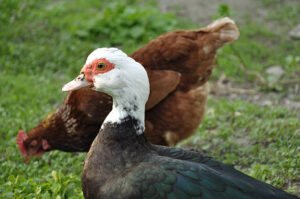
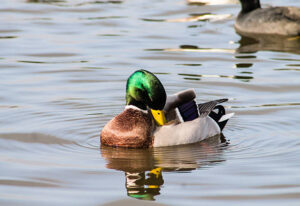
Certain duck breeds are more predisposed to Spraddle Leg due to a combination of their size, conformation, and hatching characteristics. Among the most commonly affected breeds are large and heavy varieties, such as the Mallard Duck, Muscovy Duck, and Pekin Duck. These breeds are inherently larger and heavier, which can place additional strain on the developing musculoskeletal system during hatching. For instance, the Pekin Duck is a popular breed in commercial duck production, and its significant weight can lead to complications during the hatching process, resulting in Spraddle Leg. The increased body mass can impact the positioning of the duckling within the shell, making it more challenging for the duckling to orient itself correctly for hatching, ultimately increasing the risk of leg splaying as it emerges.
Moreover, the conformation of these breeds plays a critical role in their susceptibility to Spraddle Leg. Ducks with a flat or broad body structure, such as the Muscovy Duck, may experience difficulties during hatching due to limited space within the shell. This conformation can lead to improper leg positioning as the duckling tries to maneuver its way out of the egg. The flatness of the breast can also contribute to the duckling not being able to push its legs correctly beneath its body, which is essential for maintaining balance and proper leg alignment post-hatching. The result is a higher likelihood of the duckling developing Spraddle Leg.
In addition to size and conformation, the hatching characteristics of certain duck breeds can influence their risk. For example, some breeds may have a higher incidence of Spraddle Leg due to the way they are incubated. If not properly monitored, the eggs of these breeds may not receive the optimal temperature and humidity levels needed for proper development. This lack of ideal conditions can lead to weak or poorly developed musculature, particularly in the legs, which makes them more prone to Spraddle Leg.
The genetics of these breeds can also play a role in their susceptibility to the condition. While not all ducklings within a breed will necessarily develop Spraddle Leg, a genetic predisposition can mean that certain lines of ducks are more likely to experience the issue. This is especially pronounced in commercial breeding operations where selective breeding for size and weight can inadvertently lead to a higher prevalence of Spraddle Leg. Understanding these breed-specific factors is crucial for breeders and caretakers to implement preventative measures, ensuring healthier ducklings and reducing the incidence of this debilitating condition.
Impact of Spraddle Leg on the Lifespan and Lifestage of Ducks
Spraddle Leg can significantly affect the lifespan and lifestage of ducks, particularly during critical developmental periods. Affected ducklings face immediate challenges in mobility and growth, which can lead to long-term consequences if not addressed promptly. In ducklings, the inability to stand and move freely can hinder the development of essential muscle strength and coordination. This lack of mobility not only limits their ability to explore and interact with their environment but also impacts their feeding and socialization skills. As a result, affected ducklings may experience stunted growth compared to their peers, as they are unable to partake in the same level of activity and foraging that promotes healthy development.
During the pullet stage, which is crucial for the growth and maturation of young ducks, Spraddle Leg can lead to chronic mobility issues that persist into adulthood. Pullets that struggle with leg positioning may develop secondary complications, such as joint stiffness or muscle atrophy, which can further impede their ability to move and function normally. The persistent discomfort and reduced mobility can lead to stress and behavioral changes, affecting their overall well-being and quality of life. In severe cases, these issues may culminate in a reduced lifespan, as the affected ducks become more vulnerable to injury and disease due to their compromised ability to avoid predators or navigate their environment.
As ducks transition into adulthood, the effects of Spraddle Leg can become increasingly pronounced. Adults with chronic mobility issues may face challenges in reproduction and egg production, impacting the overall productivity of a breeding flock. The stress and discomfort associated with Spraddle Leg can also lead to a lower quality of life, further diminishing their ability to thrive in a domestic setting. Therefore, it is essential for caretakers to recognize the signs of Spraddle Leg early and implement appropriate interventions to mitigate its impact across all lifestages. Early treatment not only enhances the affected duck’s quality of life but also increases the likelihood of a full recovery, allowing them to lead a more normal and fulfilling life.
Diagnosis of Spraddle Leg in Ducks
Diagnosing Spraddle Leg in ducks requires a thorough examination of both the duckling’s physical condition and its developmental history. The initial step in diagnosis typically involves a visual and physical assessment of the duckling to identify the characteristic splayed leg position. A healthy duckling should be able to stand steadily, with its legs positioned beneath its body. In contrast, a duckling with Spraddle Leg will exhibit an abnormal stance, often with the legs spread sideways or splayed to one side. A simple test can determine the severity of the condition—gently supporting the duckling in a standing position and observing whether it can maintain balance or if the legs continue to drift apart. If the duckling is unable to support itself or its legs immediately return to an improper position, a diagnosis of Spraddle Leg is likely.
Beyond visual inspection, a physical examination is essential to evaluate the duckling’s musculature and joint function. A caretaker or veterinarian may palpate the legs, checking for signs of muscle weakness, joint laxity, or resistance to movement. Weak muscle tone is a common indicator of Spraddle Leg, as affected ducklings often lack the strength to keep their legs in a normal position. In some cases, the ligaments or tendons responsible for leg support may be underdeveloped or improperly formed, which can be assessed through careful manipulation of the legs. This hands-on evaluation can help determine whether the condition is primarily muscular or involves structural abnormalities.
In addition to physical examination, a detailed history of the duckling’s hatching and early development is valuable for diagnosis. Information regarding the incubation process, brooding conditions, and any previous signs of weakness or developmental issues can provide important clues. For example, prolonged hatching time or improper egg positioning during incubation can increase the likelihood of Spraddle Leg. If multiple ducklings in a batch exhibit similar symptoms, it may indicate underlying factors such as poor hatchery conditions, nutritional deficiencies, or an inherited predisposition in the breed.
Further diagnostic methods may be required if the cause of Spraddle Leg is unclear or if complications are suspected. In some cases, X-rays or imaging techniques can be used to assess the skeletal structure and rule out congenital abnormalities or deformities. If a viral or bacterial infection is suspected as a contributing factor, blood tests or swabs may be conducted to identify potential pathogens. Prompt and accurate diagnosis is essential, as early intervention significantly improves the prognosis for affected ducklings. By combining physical assessment with a comprehensive evaluation of the duckling’s background and health status, caretakers can determine the most effective course of treatment and management for Spraddle Leg.
Treatment and Home Remedies for Spraddle Leg in Ducks
Effectively managing Spraddle Leg in ducks requires a combination of immediate intervention, supportive care, and potential professional veterinary treatment. The treatment approach should be tailored to the severity of the condition and the specific needs of the affected duckling. Early intervention is crucial to prevent long-term mobility issues and ensure the best possible outcome.
The first step in treating Spraddle Leg is providing immediate support to the affected duckling. One common method is using bandages or taping to help stabilize the legs and encourage proper alignment. A soft bandage can be wrapped around both legs, gently holding them in a more natural position while allowing some movement. It is essential to ensure that the bandaging is not too tight, as this can cause discomfort or restrict blood flow. The duckling should be observed regularly to assess the effectiveness of the bandage and make any necessary adjustments. In some cases, using a small, sturdy carrier or a modified box can help provide a supportive environment for the duckling, allowing it to rest while preventing it from splaying its legs further.
Supportive care is vital during the recovery process. Providing a warm, dry, and clean environment is essential to promote healing. A heating lamp or a warm pad can be used to create a comfortable area where the duckling can rest and develop muscle strength. It is also beneficial to encourage the duckling to engage in light exercise to help strengthen its leg muscles. This can be done by gently guiding the duckling in short walking sessions on a flat surface, ensuring it feels safe and supported. However, it is important to avoid overexertion, as this can lead to additional strain on the legs and potentially worsen the condition.
In more severe cases, professional veterinary treatment may be necessary to address underlying issues. A veterinarian can evaluate the duckling for any potential complications, such as infections or developmental abnormalities, and recommend appropriate treatments. If the duckling is suffering from a bacterial infection, antibiotics may be prescribed to combat the issue and support recovery. In some instances, the vet may suggest a more invasive approach, such as using a splint or brace if the duckling requires more extensive support for its legs. Surgical interventions are typically reserved for cases where there is a structural deformity, and they should be considered only after a thorough evaluation of the duckling’s condition.
Home remedies can complement professional treatment, but they should not replace veterinary consultation. Natural remedies such as warm compresses can be used to soothe the affected area and promote circulation. However, it is important to consult with a veterinarian to ensure that any home remedies used are safe and appropriate for the duckling’s specific condition. In addition to physical support and treatment, it is crucial to monitor the duckling’s behavior and overall health, as any signs of distress or worsening symptoms can indicate the need for further intervention.
By combining immediate support, supportive care, and professional veterinary treatment when necessary, caretakers can significantly improve the chances of recovery for ducks affected by Spraddle Leg. Early and compassionate care is essential for ensuring the affected ducklings can lead a healthy, active life and thrive as they grow.
Prognosis and Long-Term Effects of Spraddle Leg in Ducks
The prognosis for ducks with Spraddle Leg largely depends on the severity of the condition and the promptness of intervention. In mild cases, early treatment and proper care can lead to a full recovery, with the affected duckling developing normal mobility and strength in its legs. When treated promptly with supportive measures such as bandaging, muscle-strengthening exercises, and a nurturing environment, many ducklings can regain their ability to stand and walk without long-term effects. The younger the duckling at the time of treatment, the higher the likelihood of successful recovery, as their musculoskeletal systems are still developing and have greater adaptability.
However, if Spraddle Leg is left untreated or if the condition is severe, the prognosis becomes less favorable. Chronic cases may result in permanent gait abnormalities, where the duckling is unable to maintain proper leg positioning even after attempting interventions. In such instances, the duck may exhibit a wobbly or uneven gait, making it difficult for the bird to move efficiently. Persistent Spraddle Leg can also lead to muscle atrophy, joint stiffness, or uneven leg development, which may cause discomfort and further mobility issues. These complications can affect the duck’s ability to forage, interact with its environment, or fulfill its natural behaviors, ultimately impacting its quality of life.
In addition to physical consequences, untreated Spraddle Leg can lead to secondary complications that exacerbate the duck’s health. The inability to stand or walk properly may increase the risk of infection, particularly if the duck is unable to maintain cleanliness or avoid coming into contact with contaminated areas. Reduced mobility can also lead to stress, as the duck may struggle to evade predators or engage with its flock, potentially resulting in social isolation. The long-term effects of Spraddle Leg not only affect the individual duck but can also contribute to increased care requirements and reduced productivity in breeding or commercial operations. Therefore, early detection and appropriate treatment are essential in preventing long-term complications and ensuring the best possible outcome for the affected duck.
Prevention and Management of Spraddle Leg in Ducks
Preventing Spraddle Leg in ducks is a crucial aspect of responsible duck care and breeding, as it significantly reduces the risk of this debilitating condition affecting the flock. Implementing best practices not only improves the overall health of the ducks but also enhances their quality of life and productivity. One of the most effective strategies for prevention lies in proper hatchery management. Ensuring that eggs are incubated under optimal conditions, including the correct temperature and humidity levels, can promote healthy musculoskeletal development in ducklings. Regularly monitoring and rotating the eggs during incubation also plays a vital role in preventing improper positioning, which can lead to Spraddle Leg. By maintaining a consistent environment, breeders can create an atmosphere conducive to normal development and reduce the incidence of leg deformities.
Another essential component of Spraddle Leg prevention involves careful breeding practices. Selecting breeding stock that is free from genetic predispositions to Spraddle Leg can help minimize the risk of passing on this condition to future generations. Breeders should prioritize duck lines with strong musculoskeletal health and good mobility. By conducting thorough health assessments of potential breeding ducks, breeders can avoid mating ducks with known predispositions to Spraddle Leg. Additionally, breeding programs should focus on promoting genetic diversity, which can lead to stronger offspring with better overall health and reduced vulnerability to developmental issues.
Daily care for affected and at-risk ducklings is equally important in managing Spraddle Leg. For ducklings that show signs of the condition, implementing supportive care measures early on can significantly improve their prognosis. Keeping the environment warm and comfortable is essential for encouraging physical activity and muscle development. Providing a suitable brooding area with clean bedding and adequate space can help affected ducklings engage in light exercises to strengthen their leg muscles. It is advisable to monitor the ducklings closely, ensuring they do not become chilled or overexerted, as both can hinder recovery and development.
Moreover, early intervention is critical when managing Spraddle Leg. If a duckling exhibits symptoms, it is important to implement supportive treatments such as bandaging or taping to stabilize the legs. These measures should be applied with care to avoid additional strain on the duckling’s musculoskeletal system. In some cases, seeking professional veterinary assistance may be necessary to ensure that the duckling receives appropriate treatment and guidance tailored to its specific needs. The expertise of a poultry veterinarian can provide invaluable insight into the best practices for managing Spraddle Leg and minimizing long-term complications.
In addition to these practices, education and awareness among duck breeders and caretakers can play a vital role in the prevention and management of Spraddle Leg. Sharing knowledge about the condition, its causes, and effective treatment strategies can empower individuals to take proactive steps in ensuring the health of their flock. Workshops or community discussions focused on best practices for duck care can foster a supportive environment for sharing resources and experiences, ultimately contributing to a collective effort in reducing the incidence of Spraddle Leg.
By integrating these best practices into everyday care and breeding routines, duck caretakers can significantly improve the welfare of their flock. Preventing and managing Spraddle Leg not only enhances the quality of life for individual ducks but also contributes to the overall success and sustainability of duck breeding operations. The focus on proactive care and early intervention lays the groundwork for healthier ducks, leading to more productive and sustainable systems for both small-scale and commercial duck operations. Embracing these practices is essential for promoting the well-being of ducks and ensuring that future generations do not inherit the challenges associated with Spraddle Leg.
Diet and Nutrition for Ducks with Spraddle Leg
Proper nutrition plays a crucial role in the prevention and management of Spraddle Leg in ducks, as it directly influences musculoskeletal development and overall health. A well-balanced diet ensures that ducklings receive the essential nutrients required for strong bones, ligaments, and muscle development. The main nutrients that contribute to healthy leg development include calcium, phosphorus, vitamin D3, and certain B-complex vitamins. These nutrients support the formation of strong bones and proper nerve function, which are essential for maintaining correct leg positioning and mobility.
For ducks at risk of developing Spraddle Leg, a diet rich in calcium and phosphorus is particularly important. These minerals are essential for bone formation and strength. Ducklings should be fed a high-quality starter feed specifically formulated for young poultry, as it is designed to provide the optimal ratio of calcium and phosphorus. Additionally, vitamin D3 is necessary for calcium absorption and utilization, ensuring that the bird can effectively use dietary calcium for bone development. In cases where ducks are already exhibiting Spraddle Leg, a veterinarian may recommend additional calcium or phosphorus supplementation to aid in recovery and support leg strength.
In addition to macronutrients, B-complex vitamins play a role in nerve and muscle function, which can be beneficial for ducks with mobility issues. Deficiencies in these vitamins can lead to weak muscle tone and impaired coordination, contributing to Spraddle Leg. Ensuring that ducklings receive a well-rounded diet that includes these essential nutrients can help prevent developmental issues and promote healthy leg function. Commercial duck feeds formulated for specific life stages—such as starter, grower, and layer feeds—can provide the appropriate balance of nutrients to support optimal health and development.
Feed types suitable for ducks with Spraddle Leg include high-quality commercial starter feed, which is formulated for young poultry, as well as layer feed for older ducks that may require additional calcium. It is important to avoid overfeeding or relying on an imbalanced diet, as excessive weight gain can place additional strain on the legs and exacerbate mobility issues. By providing a nutritious, balanced diet tailored to the duck’s developmental needs, caretakers can significantly reduce the risk of Spraddle Leg and support the long-term health and mobility of their flock.
Zoonotic Risk of Spraddle Leg in Ducks
Spraddle Leg in ducks is primarily a musculoskeletal or neurological condition and is not considered a zoonotic disease, meaning it is not transmissible to humans. This condition is often caused by developmental issues, improper incubation, or musculoskeletal weakness rather than by infectious agents. As a result, there is no known risk of transmission to humans through direct contact, consumption of duck products, or environmental exposure to infected ducks.
While Spraddle Leg itself is not zoonotic, individuals who handle affected ducklings should still maintain proper hygiene to prevent the spread of other potential infections. In cases where a duckling with Spraddle Leg is suffering from an underlying viral or bacterial infection, precautions such as handwashing and avoiding direct contact with contaminated materials can help reduce the risk of acquiring other zoonotic diseases. However, Spraddle Leg alone does not pose a health risk to humans, and caretakers can manage it without concerns about transmission.
#Spraddle Leg symptoms #Duck care tips #Musculoskeletal disorders in ducks #Early intervention for ducklings #Spreading Leg in ducks #Spraddle Leg treatment #Duckling development #Spraddle Leg prevention #Muscular weakness in ducks #Spraddle Leg recovery #Ducks with mobility issues #Splayed Leg causes #Duck leg positioning #Spraddle Leg management #Spraddle Leg prognosis #Duck breeding diseases #Duckling health concerns #Spraddle Leg in duck flocks #Splaying leg in waterfowl #Spraddle Leg diagnosis #Duckling rehabilitation #Spraddle Leg home remedies #Splayed Leg in poultry #Supportive care for ducks #Musculoskeletal health #Splayed Leg in hatchlings #Duckling nutrition #Leg development in ducks #Spraddle Leg in commercial duck farming #Duckling leg support #Spraddle Leg in backyard ducks #Splayed Leg in mallard ducks #Spraddle Leg in Muscovy ducks #Spraddle Leg in Pekin ducks #Splayed Leg in heritage duck breeds #Spraddle Leg in broiler ducks #Spraddle Leg in show ducks #Spraddle Leg in ornamental ducks #Spraddle Leg in layer ducks #Splaying leg in ducks #Duckling leg disorders #Spraddle Leg in backyard flocks #Splayed Leg in poultry flocks #Spraddle Leg in hatchery conditions #Duckling leg alignment #Splaying Leg in commercial duck farms #Spraddle Leg in pet ducks #Splayed Leg in domestic ducks #Spraddle Leg in duck hatchlings #Splayed Leg in ducklings #Spraddle Leg in duck rearing #Splaying Leg in duck husbandry #Spraddle Leg in duck management #Splaying Leg in poultry health #Spraddle Leg in duck breeding #Splaying Leg in duck care #Spraddle Leg in duck farming #Splaying Leg in waterfowl management.

Add comment