
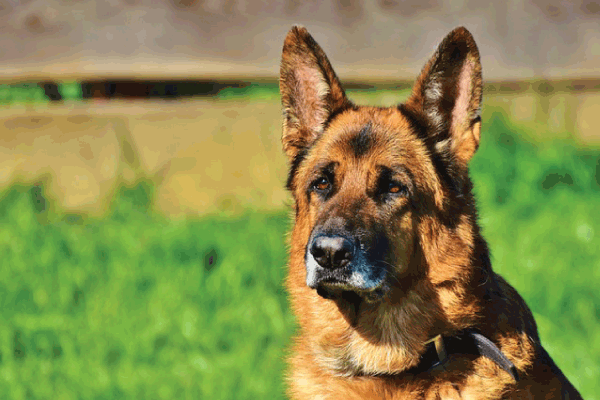
As the last vestiges of winter melt away and warmer days begin to grace us, so too does the annual shedding storm. For dog owners, this can feel like a relentless blizzard of fur. But fear not! With a strategic approach to spring grooming, you can not only manage the shedding but also ensure your canine companion is healthier, happier, and ready to embrace the new season.
This comprehensive guide will equip you with the knowledge and tools to conquer the annual shedding storm and make spring grooming a breeze.
Understanding the Shedding Cycle: Why Spring is Different
Dogs shed year-round, but spring and fall are typically the peak shedding seasons. This is a natural biological process driven by changes in daylight hours and temperature. Your dog’s coat has two main layers:
- The Undercoat: A dense, soft layer that provides insulation. In spring, dogs shed this thick undercoat to prepare for warmer weather.
- The Topcoat (Guard Hairs): Longer, coarser hairs that protect the undercoat and skin from the elements. While they also shed, it’s the undercoat that accounts for the majority of the “storm.”
Why is spring shedding so intense? It’s a hormonal response to increased daylight. As days get longer, their bodies signal the need to shed the heavier winter coat for a lighter summer one.
Pre-Grooming Preparations: Setting the Stage for Success
Before you dive headfirst into the fur, a little preparation goes a long way:
- Gather Your Tools: Having the right equipment readily available will make the process smoother. We’ll cover essential tools later, but consider having them clean and accessible.
- Choose the Right Location: Opt for a well-ventilated area, ideally outdoors or in a bathroom with easy-to-clean surfaces. A large mat or tarp can also help contain the mess.
- Timing is Key: Avoid grooming immediately after your dog has eaten or has had a lot of activity. A calm, relaxed dog is more cooperative.
- Positive Reinforcement: Make grooming a positive experience! Have plenty of high-value treats, praise, and petting ready. Start with short sessions and gradually increase the duration.
- Assess Your Dog’s Coat and Skin: Before you begin, take a moment to check for any mats, tangles, lumps, bumps, skin irritations, fleas, or ticks. Address any issues before proceeding with general grooming.
Essential Tools for the Shedding Storm
Investing in quality grooming tools will make a significant difference in your effectiveness and your dog’s comfort:
For De-Shedding:
- Undercoat Rake: Designed with widely spaced, long teeth to reach deep into the coat and remove loose undercoat without damaging the topcoat.
- Slicker Brush: Features fine, short wires angled to remove loose hair and prevent tangles. Excellent for most coat types.
- Deshedding Tool (e.g., FURminator): These tools have specially designed blades that effectively remove loose undercoat. Use with caution and follow instructions carefully to avoid skin irritation or damage.
- Grooming Glove: A great option for dogs who dislike brushes. The silicone nubs help lift loose hair while you pet them.
- High-Velocity Dryer: Crucial for blowing out loose undercoat after brushing. It’s like a super-powered hairdryer specifically designed for pets.
For General Grooming:
- Sturdy Comb: For detangling larger knots and getting a final pass through the coat.
- Nail Clippers/Grinder: Essential for maintaining healthy paw health.
- Dog Shampoo and Conditioner: Choose products formulated for your dog’s specific coat type and any sensitivities.
- Ear Cleaner: To keep ear canals clean and prevent infections.
- Dog Toothbrush and Toothpaste: Dental hygiene is important year-round.
- Towels: Plenty of absorbent towels.
The De-Shedding Process: Step-by-Step
This is where the real work begins. Patience and persistence are your allies.
Step 1: The Initial Brush-Out
- Purpose: To remove surface loose hair and loosen more deeply embedded undercoat.
- How-to: Start with a slicker brush or undercoat rake, working in the direction of hair growth. Be gentle, especially in sensitive areas like the belly, armpits, and behind the ears. If you encounter tangles, work them out with your fingers or a comb before going back to the rake.
Step 2: The Undercoat Attack
- Purpose: To systematically remove the bulk of the shed undercoat.
- How-to: This is where your undercoat rake or deshedding tool (used with care!) comes into play. Focus on one section of your dog’s body at a time.
- Undercoat Rake: Gently rake through the coat, drawing it downwards. You’ll be amazed at how much fur comes out. Keep your strokes consistent and avoid digging into the skin.
- Deshedding Tool: Follow the manufacturer’s instructions precisely. Use short, gentle strokes. Never saw back and forth aggressively. If your dog shows any discomfort, stop and try a different tool or technique.
- Key Areas: Pay extra attention to areas where undercoat tends to be thickest, such as the hindquarters, neck, and under the tail.
Step 3: The Comb-Through
- Purpose: To catch any remaining loose hairs and ensure there are no hidden tangles.
- How-to: After using the rake or deshedding tool, go over your dog with a sturdy comb. This will help you identify any missed spots or areas where the undercoat is still densely packed.
Step 4: The High-Velocity Dryer (Game Changer!)
- Purpose: To blast out any remaining loose undercoat that brushing may have missed.
- How-to: This is often the most effective step for truly conquering the shedding storm.
- Acclimation: Introduce the dryer gradually. Let your dog get used to the sound and sensation. Start with a low setting and keep it at a distance.
- Technique: Work in sections, using the dryer to blow the fur upwards and outwards. You’ll see more fur fly out! You can often use your hands or a brush in conjunction with the dryer to lift and separate the fur, allowing the air to penetrate deeper.
- Safety: Never direct hot air directly onto your dog’s skin. Keep the dryer moving and monitor your dog for any signs of overheating or discomfort.
Step 5: The Bath
- Purpose: To clean the coat, remove residual shedding, and leave your dog smelling fresh.
- How-to:
- Pre-Rinse: Thoroughly rinse your dog with lukewarm water.
- Shampoo: Apply a good quality dog shampoo and lather from neck to tail. Massage it in well, paying attention to the skin.
- Condition (Optional but Recommended): For many dogs, especially those with longer or thicker coats, a conditioner can help to moisturize the skin and coat, making future brushing easier and reducing static.
- Thorough Rinse: This is crucial! Any leftover shampoo or conditioner can irritate the skin and attract dirt. Rinse until the water runs completely clear.
- Towel Dry: Gently squeeze out excess water and towel dry your dog as much as possible.
Step 6: The Final Blow-Dry and Brush
- Purpose: To fully dry the coat and give it a final polish.
- How-to: Continue using your high-velocity dryer (or a regular hairdryer on a cool setting) to ensure your dog is completely dry. As you dry, you can use a slicker brush or comb to smooth the coat and remove any last bits of loose hair. This will leave your dog’s coat looking and feeling its best.
Beyond the De-Shedding: Essential Spring Grooming Tasks
De-shedding is only one part of spring grooming. Don’t forget these other crucial elements:
- Nail Trimming: Overgrown nails can cause discomfort, affect gait, and lead to injuries. Trim or grind them regularly. If you’re unsure, seek professional help.
- Ear Cleaning: Spring can bring increased pollen and moisture, making ears more susceptible to infections. Gently clean your dog’s ears with a veterinarian-approved cleaner to remove wax and debris.
- Dental Care: Continue regular teeth brushing. Spring is a good time for a thorough dental check-up.
- Paw Pad Care: Check for dryness, cracks, or embedded debris. If dry, consider a paw balm. Trim any excess fur between the paw pads, as this can trap moisture and debris.
- Eye Cleaning: Gently wipe away any discharge or tear stains from around your dog’s eyes.
- Sanitary Trim: For dogs with longer fur around their rear end, a trim can help keep things clean and hygienic, especially during shedding season.
Grooming Specific Coat Types
While the general principles apply, some coat types require slightly different approaches:
- Short-Haired Breeds (e.g., Labrador Retriever, Beagle): Focus on regular brushing with a slicker brush or grooming glove. A deshedding tool can be effective for their dense undercoats.
- Medium-Haired Breeds (e.g., German Shepherd, Golden Retriever): These breeds have substantial undercoats. Undercoat rakes and deshedding tools are essential. Regular brushing is key to preventing mats.
- Long-Haired Breeds (e.g., Collie, Afghan Hound): Long coats require daily brushing to prevent tangles and mats. After de-shedding, a fine-toothed comb is necessary to ensure no knots remain. A good conditioner is vital.
- Wire-Haired Breeds (e.g., Scottish Terrier, Schnauzer): These coats often benefit from hand-stripping or professional clipping. Regular brushing helps remove loose hair.
- Double-Coated Breeds (e.g., Husky, Samoyed): These are the masters of the shedding storm. Intensive de-shedding with an undercoat rake and high-velocity dryer is crucial during spring and fall.
When to Call the Professionals
While home grooming is rewarding, there are times when professional help is best:
- Severe Matting: If your dog’s coat is severely matted, it’s often safer and more humane to have them professionally dematted or shaved.
- Fearful or Aggressive Dogs: If your dog becomes overly stressed, fearful, or aggressive during grooming, a professional groomer has the experience and tools to handle them safely.
- Skin Conditions: If you suspect a skin issue, a veterinarian or professional groomer can help diagnose and treat it.
- Lack of Time or Equipment: Sometimes, life gets busy, or you may not have all the necessary professional-grade equipment.
Beyond the Fur: The Benefits of Spring Grooming
Conquering the shedding storm isn’t just about aesthetics; it offers significant benefits for your dog:
- Reduced Allergens: Less shedding means fewer allergens floating around your home, which can be a relief for allergy sufferers.
- Healthier Skin and Coat: Removing dead hair allows for better air circulation to the skin, reducing the risk of hot spots and infections. It also promotes new, healthy hair growth.
- Early Detection of Problems: Regular grooming allows you to spot fleas, ticks, skin irritations, lumps, or bumps early on.
- Improved Comfort: A lighter, tangle-free coat keeps your dog cooler and more comfortable in warmer weather.
- Bonding Experience: Dedicated grooming time reinforces your bond with your dog through positive touch and attention.
Maintaining Control: Ongoing Grooming Strategies
Once you’ve navigated the initial spring shedding, don’t let the fur build up again:
- Regular Brushing: Aim for at least a few times a week, even outside of shedding seasons.
- Frequent Baths: Follow a schedule that works for your dog’s coat type and activity level.
- Consistent Nail Trims: Keep those nails trimmed regularly.
- Year-Round Vigilance: Be on the lookout for fleas, ticks, and skin issues throughout the year.
Conclusion: Embrace the Shedding Season with Confidence
Spring dog grooming, particularly tackling the annual shedding storm, can feel daunting. However, with the right tools, techniques, and a patient, positive approach, you can effectively manage the fur and ensure your dog is comfortable, healthy, and ready to enjoy the sunshine. View this period not as a chore, but as an opportunity to connect with your canine companion and contribute to their overall well-being. So, grab your brushes, stock up on treats, and prepare to conquer the annual shedding storm with confidence!
#SpringGrooming, #DogGrooming, #SheddingSeason, #PetCare, #DesheddingTips, #DogLife, #GroomingDogs, #AnnualShed, #HealthyCoat, #DogOwners, #SheddingSolutions, #HappyDog, #PetGroomer, #DogsofInstagram, #GroomingTips, #FloofLife, #DogLover, #DesheddingMagic, #DogMom, #DogDad, #PetHealth, #SpringGroomingGuide, #HowToGroomYourDog, #DesheddingTutorial, #PreventShedding, #DIYDogGrooming, #SeasonalDogCare, #DogCareVideos, #GroomingForDogs






Add comment