
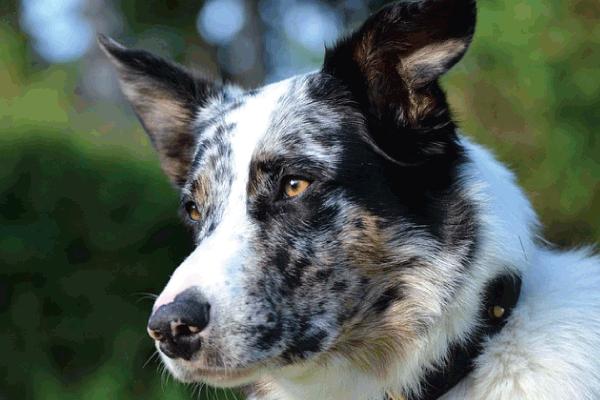
The arrival of spring brings with it warmer weather, blooming flowers, and a renewed sense of outdoor adventure. For many dog owners, however, this season is also synonymous with itchy, uncomfortable pets. Spring allergies in dogs are a common and often frustrating issue, impacting their quality of life and posing a significant challenge for their human companions. This comprehensive guide will delve deep into the world of canine spring allergies, covering everything from the underlying causes and identifying symptoms to diagnostic approaches, treatment options, and preventative measures.
Understanding Canine Allergies: A Foundation
Before we specifically address spring allergies, it’s crucial to understand the fundamental nature of allergies in dogs. Allergies are essentially an overreaction of the immune system to substances that are typically harmless. In a healthy immune system, these substances, known as allergens, are recognized as non-threatening and are ignored. In an allergic dog, the immune system mistakenly identifies these allergens as invaders and mounts an inflammatory response to combat them. This response manifests as a variety of symptoms, often affecting the skin and digestive system.
There are several broad categories of allergies in dogs:
- Environmental Allergies (Atopy): This is the most common type of allergy in dogs and is often seasonal, making it directly relevant to spring allergies. It’s an allergic reaction to inhaled or absorbed substances from the environment, such as pollens, molds, dust mites, and flea saliva.
- Food Allergies: These occur when a dog’s immune system reacts to specific ingredients in their food, most commonly proteins. Unlike environmental allergies, food allergies are typically present year-round, though they can sometimes be exacerbated by environmental factors.
- Contact Allergies: These are less common and occur when a dog’s skin reacts to direct contact with an allergen, such as certain fabrics, cleaning products, or plants.
Spring allergies in dogs primarily fall under the umbrella of environmental allergies, specifically those triggered by airborne allergens that become prevalent during the spring months.
The Culprits of Springtime Itch: Common Canine Spring Allergens
As the earth thaws and nature awakens, a multitude of allergens are released into the air, setting the stage for spring allergies in dogs. The most common culprits include:
- Pollen: This is arguably the biggest offender during spring. Different types of trees, grasses, and weeds release pollen into the atmosphere, creating an invisible cloud of potential irritants.
- Tree Pollen: Trees like oak, birch, maple, and pine are notorious for releasing copious amounts of pollen in early spring.
- Grass Pollen: As temperatures rise and the ground greens, various grasses begin to pollinate, releasing their fine powdery allergens.
- Weed Pollen: While often associated with later seasons, some weeds can start pollinating in late spring.
- Mold Spores: Damp environments, especially those arising from melting snow and increased humidity, can foster the growth of mold. Mold spores become airborne and can be inhaled by dogs, triggering allergic reactions. Common sources include decaying leaves, compost piles, and damp soil.
- Dust Mites: While dust mites are present year-round, their populations can sometimes increase in indoor environments with increased humidity during warmer months. Dogs can be allergic to the mites themselves or their waste products.
- Flea Allergy Dermatitis (FAD): While not strictly a spring-specific allergen, flea populations tend to surge in warmer weather. Even a single flea bite can trigger an intense allergic reaction in sensitive dogs, leading to severe itching and skin irritation.
It’s important to note that a dog can be allergic to one or multiple of these allergens. Furthermore, the severity of their reaction can vary significantly depending on the individual dog’s sensitivity and the concentration of allergens in the environment.
Recognizing the Signs: Symptoms of Spring Allergies in Dogs
The symptoms of spring allergies in dogs can be varied and often mimic those of other skin conditions, making accurate diagnosis crucial. The most common and telling signs include:
- Intense Itching (Pruritus): This is the hallmark symptom. Dogs will scratch, lick, chew, and even bite at their skin, particularly in specific areas.
- Paw Licking and Chewing: Paws are a common target for allergens. Dogs with spring allergies often excessively lick or chew their paws, leading to redness, inflammation, and even secondary infections.
- Ear Infections: The skin in the ear canals can become inflamed due to allergies, leading to recurrent ear infections. Symptoms include head shaking, scratching at the ears, redness, and foul odor.
- Skin Redness and Inflammation: Affected areas of the skin may appear red, irritated, and inflamed. This can be generalized or localized to specific areas like the belly, groin, armpits, face, and paws.
- Hair Loss (Alopecia): Excessive scratching and licking can lead to thinning hair or bald patches, especially over time.
- Hot Spots (Acute Moist Dermatitis): These are localized, intensely itchy, red, and moist areas of skin that often develop rapidly. They are typically caused by self-inflicted trauma from intense scratching or chewing.
- Skin Lesions and Sores: In more severe cases, the constant scratching and inflammation can lead to open sores, scabs, and pustules.
- Secondary Bacterial or Yeast Infections: The compromised skin barrier due to allergies makes dogs more susceptible to bacterial and fungal infections. These infections can exacerbate itching and inflammation.
- Gastrointestinal Upset (Less common with environmental allergies, but possible): While less common for environmental allergies, some dogs may experience mild digestive issues alongside skin symptoms. However, significant vomiting or diarrhea is more indicative of a food allergy.
- Eye Discharge and Redness: Allergic conjunctivitis can occur, leading to watery or sticky eyes and redness.
- Sneezing and Runny Nose: Similar to human hay fever, some dogs may exhibit respiratory symptoms like sneezing and a clear nasal discharge.
- Lethargy and Behavioral Changes: Chronic discomfort and itching can lead to a dog becoming lethargic, irritable, and exhibiting changes in behavior.
Crucially, it’s important to differentiate between seasonal and year-round allergies. If your dog is consistently itchy, even outside of spring, a year-round allergen like food or dust mites might be the primary culprit, or they may have multiple allergies.
The Diagnostic Journey: Pinpointing the Cause
Diagnosing spring allergies in dogs requires a systematic approach by a veterinarian. It often involves a process of elimination and specific testing.
- Veterinary Examination and History: The first step is a thorough discussion with your veterinarian about your dog’s symptoms, their onset, duration, and any pattern you’ve observed. The vet will perform a physical examination, paying close attention to the skin, ears, and eyes.
- Ruling Out Other Causes: It’s essential to rule out other conditions that can mimic allergy symptoms, such as:
- Parasites: Fleas, mites (e.g., sarcoptic mange, demodectic mange), and lice are common causes of itching. A thorough skin scrape and flea comb check are vital.
- Bacterial and Fungal Infections: As mentioned, these can be primary or secondary issues. Cytology (microscopic examination of skin cells) can help identify these.
- Irritants: Contact with certain plants or chemicals can cause skin irritation.
- Allergy Testing: Once other causes are ruled out, allergy testing can help identify specific environmental allergens. There are two main types:
- Intradermal Skin Testing (IDST): This is considered the gold standard for diagnosing environmental allergies. Small amounts of purified allergens are injected under the skin in shaved patches. The vet then measures the skin’s reaction (wheal and flare) to identify the specific allergens causing the reaction. This is typically performed by a veterinary dermatologist.
- Serum Allergy Testing (Blood Tests): This involves taking a blood sample and sending it to a laboratory to measure the levels of IgE antibodies specific to various allergens. While convenient, serum testing is generally considered less accurate than IDST, with a higher rate of false positives and negatives. However, it can be a useful screening tool or option for dogs that are difficult to sedate for skin testing.
- Elimination Diet Trial (For suspected food allergies): If there’s a suspicion of food allergy contributing to or mimicking spring allergy symptoms, an elimination diet trial is necessary. This involves feeding a novel protein or hydrolyzed protein diet exclusively for 8-12 weeks to see if symptoms improve. If they do, allergens are systematically reintroduced to identify the trigger.
Treatment Strategies: Alleviating Discomfort
The goal of treating spring allergies in dogs is to manage symptoms, improve their quality of life, and prevent secondary complications. Treatment plans are often multi-faceted and tailored to the individual dog’s needs.
1. Medications:
- Antihistamines: While not as effective in dogs as in humans, some antihistamines can provide mild relief for some dogs. The effectiveness varies greatly between individuals and different types of antihistamines. Your vet will recommend appropriate options.
- Corticosteroids (e.g., Prednisone, Prednisolone): These are powerful anti-inflammatory medications that can provide rapid relief from severe itching and inflammation. However, they come with significant potential side effects with long-term use, including increased thirst and urination, increased appetite, weight gain, thinning skin, and increased susceptibility to infections. They are generally used for short-term flare-ups or as a last resort.
- Apoquel (Oclacitinib): This is a targeted therapy that inhibits Janus kinase (JAK) enzymes involved in the itch signaling pathway. Apoquel is generally well-tolerated and provides rapid relief from itching with fewer side effects than steroids. It’s often a first-line treatment for environmental allergies.
- Cytopoint (Canine Monoclonal Antibody Therapy): Cytopoint is an injectable medication that targets and neutralizes a specific protein (IL-31) that plays a key role in the itch sensation. It provides long-lasting relief (typically 4-8 weeks per injection) and has a very good safety profile.
- Immunosuppressants (e.g., Cyclosporine): These medications work by suppressing the immune system’s overreaction. They can be effective but take time to show results and require careful monitoring.
- Antibiotics and Antifungals: These are prescribed to treat any secondary bacterial or yeast infections that develop on the skin.
2. Topical Therapies:
- Medicated Shampoos and Conditioners: These can help soothe the skin, reduce inflammation, and remove allergens from the coat. Shampoos containing ingredients like oatmeal, medicated agents (e.g., chlorhexidine, miconazole), or essential fatty acids can be beneficial. Frequent bathing can be very helpful.
- Antiseptic Wipes or Sprays: These can be used to clean and soothe localized itchy areas or hot spots and help prevent infection.
- Ointments and Creams: Prescription ointments or creams can be applied directly to inflamed areas to provide targeted relief and promote healing.
3. Immunotherapy (Allergy Shots or Oral Drops):**
- This is a form of allergy treatment that aims to desensitize the dog’s immune system to specific allergens. It’s based on the results of allergy testing. Small, gradually increasing doses of the identified allergens are administered either through injections (allergy shots) or as oral drops under the tongue. Over time, the immune system becomes less reactive to these allergens. Immunotherapy is a long-term treatment that can significantly reduce the need for other medications and improve a dog’s quality of life. It can take several months to see the full benefits.
4. Dietary Management:
- While food allergies are a different category, sometimes dietary supplements can support skin health. Omega-3 fatty acid supplements (e.g., fish oil) have anti-inflammatory properties and can help improve the skin barrier and reduce itching.
5. Environmental Management and Prevention:
- Limit Exposure to Pollen:
- Keep windows and doors closed during peak pollen times (usually midday and windy days).
- Avoid walking your dog in tall grass or areas with heavy vegetation.
- Clean pollen from your dog’s coat after walks by wiping them down with a damp cloth or giving them a quick rinse.
- Consider bathing your dog more frequently during allergy season, especially after outdoor excursions.
- Use air purifiers with HEPA filters in your home.
- Regularly vacuum and dust your home.
- Control Molds:
- Address any damp areas in your home and yard.
- Keep gutters clean and ensure proper drainage around your house.
- Avoid compost piles or decaying leaf piles.
- Flea Control: Maintain year-round, consistent flea prevention for all pets in the household, even if you don’t see fleas. This is crucial for preventing FAD.
- Paw Care:
- Wipe your dog’s paws thoroughly after every outdoor excursion.
- Consider using paw balms or protective booties if your dog is prone to paw irritation.
- Regularly trim the fur between your dog’s paw pads, as this area can trap allergens.
- Home Environment:
- Wash your dog’s bedding frequently in hot water.
- Use hypoallergenic cleaning products.
Living with an Allergic Dog: Patience and Persistence
Managing spring allergies in dogs is often an ongoing journey that requires patience, commitment, and close collaboration with your veterinarian. It’s not always about a quick fix, but rather about finding a sustainable management plan that allows your dog to live a comfortable and happy life.
- Early Intervention: Don’t wait for your dog to be in severe distress before seeking veterinary help. Early diagnosis and treatment can prevent the worsening of symptoms and the development of secondary infections.
- Follow Your Vet’s Advice: Stick to the prescribed treatment plan, administer medications as directed, and attend follow-up appointments.
- Be Observant: Pay attention to your dog’s response to treatment. If a particular medication or therapy isn’t working, communicate this to your vet.
- Understand Side Effects: Be aware of the potential side effects of any medications your dog is taking and report any concerns to your vet.
- Long-Term Commitment: For many dogs, allergies are a lifelong condition. Be prepared for ongoing management and potential adjustments to their treatment plan over time.
- Quality of Life Focus: The ultimate goal is to improve your dog’s well-being. Celebrate the good days and strive to minimize the discomfort of the bad ones.
Conclusion: Embracing the Bloom with Less Itch
Spring allergies in dogs are a common, yet manageable, reality for many pet owners. By understanding the causes, recognizing the symptoms, and working closely with your veterinarian, you can develop an effective strategy to alleviate your dog’s discomfort and allow them to fully enjoy the beauty and joy of the spring season. With a combination of medical intervention, environmental control, and a whole lot of love and patience, you can transform your dog’s spring from a time of misery to one of comfortable outdoor exploration and happy wagging tails.
#dogallergies #springallergies #canineallergies #itchydog #dogskinproblems #doghealth #allergyrelief #fleaallergy #dogcare #doglover #vetmed #pethealth #dogtips #seasonalallergies #dogsofinstagram #petallergies #caninehealth #dermatology #dogwellness #happydog







Add comment