
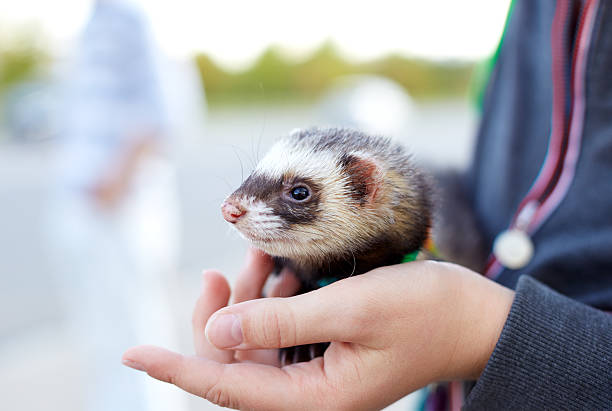
Squamous cell carcinoma (SCC) is a type of skin cancer that originates in the squamous cells, which are the thin, flat cells present in the outer layer of the skin. While SCC is one of the most common forms of skin cancer in humans, it is relatively rare in ferrets. However, when it does occur in these animals, it can be aggressive and challenging to treat if not detected and managed early. Understanding the nature of SCC in ferrets, including its causes, symptoms, and treatment options, is essential for pet owners and veterinary professionals to ensure the best possible outcomes for affected animals.
Ferrets, like many other mammals, are susceptible to various forms of cancer, with SCC being one of the more commonly diagnosed types. The disease typically presents as a non-healing ulcer or mass on the skin, most commonly on the neck, face, or ears. Unlike some other cancers, SCC in ferrets is not solely linked to old age; it can develop in younger animals as well, depending on genetic and environmental factors. Early detection is crucial for successful treatment, as SCC can progress rapidly and may metastasize to other parts of the body if left untreated.
Several factors can increase a ferret’s risk of developing SCC. Prolonged exposure to ultraviolet (UV) radiation, for example, is a known contributor to the development of SCC in humans and is suspected to play a role in ferrets as well. Outdoor housing or exposure to direct sunlight without proper shelter may elevate the risk. Additionally, immune system compromise, whether due to age, disease, or medication, can make a ferret more vulnerable to SCC. Chronic inflammation or skin trauma, such as wounds that do not heal properly, may also contribute to the development of this cancer.
Given the potential seriousness of SCC in ferrets, it is important for owners to be aware of the signs and risk factors associated with this condition. Regular veterinary check-ups, early diagnosis, and prompt treatment can significantly impact the prognosis. In the following sections, we will explore the causes and risk factors of SCC in ferrets in greater detail, providing a more comprehensive understanding of this condition and how it can be managed effectively.
Causes and Risk Factors of Squamous Cell Carcinoma in Ferrets
Squamous cell carcinoma (SCC) in ferrets can arise from various underlying causes and risk factors, many of which are similar to those in humans but also possess unique aspects related to ferret physiology and behavior. One of the most prominent risk factors for SCC in ferrets is prolonged exposure to ultraviolet (UV) radiation. Similar to humans, UV radiation can cause significant damage to the DNA of squamous cells, increasing the likelihood of mutations that contribute to cancer development. Ferrets that are housed outdoors or allowed to roam in direct sunlight without adequate shelter may be particularly vulnerable to this risk, especially if their fur does not provide sufficient protection. Additionally, chronic sun exposure over time may lead to the development of abnormal skin cells that can progress into SCC, making environmental management an important preventive measure.
Another significant cause of SCC in ferrets is immune system compromise. A weakened immune system, whether due to age, underlying diseases such as insulinoma or adrenal disease, or the use of immunosuppressive medications, can increase the likelihood of SCC development. The immune system plays a crucial role in identifying and eliminating abnormal or precancerous cells, and any disruption in its function can lead to unchecked cancer progression. Ferrets undergoing treatment for other conditions with corticosteroids or immunosuppressants may be at a higher risk, as these medications can suppress the body’s ability to fight off abnormal cell growth. Additionally, infections that lead to chronic inflammation or skin irritation can contribute to SCC development, as persistent inflammation can cause DNA damage and promote abnormal cell proliferation.
Chronic skin trauma is another potential risk factor for SCC in ferrets. Repeated injuries, such as abrasions, wounds, or bite-related trauma, can lead to the formation of SCC, particularly if the skin does not heal properly. Ferrets with conditions that cause chronic skin irritation, such as allergies or abscesses, may be more susceptible to SCC due to ongoing cellular damage and inflammation. Additionally, certain genetic factors may predispose specific ferrets to SCC. While more research is needed to fully understand the genetic component of SCC in ferrets, it is known that some animals may inherit a greater susceptibility to the disease, particularly if they have a family history of skin cancer or other neoplastic conditions.
Environmental factors also play a role in the development of SCC in ferrets. Exposure to certain chemicals, such as those found in cleaning products, pesticides, or poor-quality bedding materials, can contribute to skin irritation and DNA damage, increasing the risk of SCC. Additionally, poor husbandry practices, including unhygienic living conditions or inadequate dietary nutrition, can weaken the immune system and make a ferret more susceptible to various types of cancer. Obesity is another potential contributor, as it can lead to chronic inflammation and hormonal imbalances that may promote cancer progression.
Given the multiple causes and risk factors associated with SCC in ferrets, it is essential for pet owners and veterinary professionals to remain vigilant in monitoring their animals for potential early signs of the disease. While not all SCC cases can be prevented, understanding and mitigating these risk factors can significantly reduce a ferret’s chances of developing the condition. In the next section, we will discuss the signs and symptoms of SCC in ferrets in detail, helping pet owners recognize potential warning signs
Signs and Symptoms of Squamous Cell Carcinoma in Ferrets
The signs and symptoms of squamous cell carcinoma (SCC) in ferrets often manifest as distinct changes in the skin or integumentary system, making early detection crucial for effective treatment. One of the most common indicators is the presence of abnormal skin lesions, which may appear as raised bumps, ulcerated sores, or discolored patches. These lesions are often found on the head, neck, or ears, as these areas of the body receive the most exposure to ultraviolet radiation. SCC in ferrets tends to develop slowly at first, but as the tumor progresses, it may become more prominent and aggressive. In some cases, the lesions may appear as hard, non-healing masses that do not respond to standard wound care treatments.
Changes in skin texture and color are also notable symptoms of SCC. The affected skin may become thickened, scaly, or crusty, resembling a persistent wound that does not heal. In some instances, the tumor may bleed or exude a foul-smelling discharge, particularly if it becomes infected. These ulcerated masses can cause discomfort to the ferret, leading to excessive grooming, scratching, or rubbing of the affected area. As a result, some ferrets may exhibit signs of self-trauma, such as hair loss around the tumor site or skin irritation from persistent scratching.
In addition to visible skin changes, SCC can also affect a ferret’s overall health and behavior. Affected animals may experience weight loss, decreased appetite, or lethargy, particularly in cases where the tumor is large or has progressed to an advanced stage. If the cancer has spread to other parts of the body, the ferret may display signs of systemic illness, such as difficulty eating or drinking, poor coat condition, or increased susceptibility to infections. In some cases, SCC can metastasize to the lymph nodes or internal organs, leading to more severe complications.
Given the potential for SCC to progress rapidly if left untreated, it is essential for ferret owners to be observant of any changes in their pets’ skin or behavior. Early identification of SCC not only increases the likelihood of successful treatment but also improves the ferret’s overall prognosis. Prompt veterinary evaluation is crucial in determining the nature of the lesion and initiating appropriate diagnostic and treatment measures.
Diagnosis of Squamous Cell Carcinoma in Ferrets
Diagnosing squamous cell carcinoma (SCC) in ferrets involves a combination of physical examination, imaging techniques, and histopathological analysis to confirm the presence of the disease and assess its severity. A thorough physical examination by a qualified veterinarian is often the first step in the diagnostic process. The veterinarian will carefully inspect the affected skin areas for signs of tumors, ulcerations, or abnormal growths, paying particular attention to the typical locations of SCC in ferrets, such as the head, neck, and ears. The texture, size, and consistency of the lesion will be evaluated to determine whether it is likely to be benign or malignant. Additionally, the vet will check for any signs of systemic illness, such as weight loss, poor coat condition, or difficulty eating, which may indicate advanced disease progression.
Once a suspicious lesion is identified, a biopsy is typically performed to confirm the diagnosis. This procedure involves the surgical removal of a small tissue sample from the affected area for histopathological examination. In some cases, a fine needle aspiration may be used to extract cells for microscopic analysis. Histopathology is the most definitive method for diagnosing SCC in ferrets, as it allows the veterinary pathologist to examine the cellular structure and confirm whether the lesion is squamous cell carcinoma or another type of skin abnormality. The biopsy results also provide essential information about the tumor’s grade, which helps the veterinarian determine the most appropriate treatment approach.
In addition to physical examination and biopsies, diagnostic imaging techniques may be used to evaluate the extent of the disease. Ultrasound imaging can help assess the depth of the tumor and whether it has invaded surrounding tissues or lymph nodes. X-rays and computed tomography (CT) scans may be employed to determine if the cancer has metastasized to internal organs, particularly if the ferret is showing signs of systemic illness. These imaging modalities are essential for staging the disease and planning targeted treatment strategies. By combining these diagnostic methods, veterinarians can accurately diagnose SCC in ferrets and develop an effective treatment plan to improve the animal’s prognosis.
Treatment Options for Squamous Cell Carcinoma in Ferrets
The treatment of squamous cell carcinoma (SCC) in ferrets typically involves a combination of surgical intervention, chemotherapy, radiation therapy, and supportive care, depending on the severity of the disease and the individual ferret’s condition. Among these, surgery is often considered the most effective treatment for localized tumors that have not yet spread to other areas of the body. Surgical removal of the tumor, also known as excision, is the primary method used to treat SCC in ferrets. The success of this procedure depends on the tumor’s size, location, and whether it has invaded surrounding tissues. Complete excision with wide margins is ideal to reduce the risk of recurrence, as residual cancer cells can lead to regrowth. However, in cases where the tumor is located in a sensitive or highly vascular area, surgical intervention may be more challenging and may require specialized techniques or postoperative care to ensure proper healing.
In cases where surgery is not feasible due to the tumor’s size or location, chemotherapy may be considered. Chemotherapeutic agents such as cisplatin, carboplatin, or 5-fluorouracil may be used to target and destroy cancerous cells. These medications can be administered orally, by injection, or as topical treatments, depending on the tumor’s characteristics and the ferret’s overall health. Chemotherapy can be particularly useful in slowing the growth of SCC and alleviating symptoms in affected ferrets, especially when used in combination with other treatment modalities. However, it is important to note that chemotherapy is not always a curative option, and its effectiveness may vary depending on the tumor’s response. Additionally, some ferrets may experience side effects such as gastrointestinal upset, decreased appetite, or immunosuppression, which must be carefully managed throughout the treatment process.
Radiation therapy is another valuable treatment option for SCC in ferrets, particularly for tumors that cannot be completely removed surgically or for cases where surgical intervention is not an option due to the animal’s health status. Radiation therapy involves the use of high-energy beams to target and destroy cancerous cells while minimizing damage to surrounding healthy tissues. This treatment is often used in conjunction with surgery to reduce the risk of tumor recurrence, especially in cases where complete excision is not possible. The number of radiation sessions required depends on the tumor’s size, location, and the veterinarian’s recommendation. While radiation therapy can be highly effective in controlling SCC, it is associated with potential side effects, such as skin irritation, hair loss, or temporary skin ulcers, which must be carefully monitored.
In addition to these primary treatment approaches, supportive care plays a crucial role in the management of SCC in ferrets. This includes proper wound care for surgical sites, pain management, and the use of antimicrobial treatments to prevent infection. Nutritional support is also essential, as affected ferrets may experience appetite loss or discomfort due to the disease. In some cases, alternative therapies, such as immune-boosting supplements or holistic treatments, may be considered to support overall well-being. However, these should be used under veterinary guidance to ensure they do not interfere with primary treatment strategies. Ultimately, a combination of treatments tailored to the individual ferret’s condition offers the best chance for successful management of SCC.
Prognosis and Potential Complications of Squamous Cell Carcinoma in Ferrets
The prognosis for ferrets diagnosed with squamous cell carcinoma (SCC) can vary significantly depending on several factors, including the stage of the disease at the time of diagnosis, the tumor’s location, and the effectiveness of treatment. Early detection and prompt intervention are crucial for improving the chances of successful management. When SCC is diagnosed in its early stages and the tumor is surgically removed before it has spread to surrounding tissues, the prognosis may be more favorable. However, if the cancer has progressed and invaded deeper tissues or metastasized to other body parts, the prognosis becomes more guarded. Ferrets with SCC often face a higher risk of recurrence if not all cancerous cells are removed during surgery, making follow-up care essential for long-term monitoring.
One of the most significant complications of SCC in ferrets is tumor recurrence. Even with complete surgical excision, SCC has the potential to regrow, particularly if the original tumor was located in a difficult-to-resect area or if the cancerous cells were not fully removed. Recurrent SCC may be more aggressive than the initial tumor and may require additional rounds of surgery, radiation therapy, or chemotherapy. The location of the tumor also plays a vital role in determining the likelihood of recurrence; for example, tumors on the head or neck may be more challenging to treat due to their proximity to critical structures. In some cases, SCC may become resistant to conventional treatments, necessitating alternative approaches such as palliative care to improve the ferret’s quality of life.
Metastasis is another serious complication of SCC in ferrets. If the cancer spreads to other organs, such as the lymph nodes, liver, or lungs, it significantly worsens the prognosis. Ferrets with metastatic SCC often experience more severe symptoms and have a reduced life expectancy. Once cancer has spread beyond the primary tumor site, curative treatment options become more limited, and treatment goals may shift toward slowing the progression of the disease and providing comfort care. In addition to metastasis, SCC can also lead to secondary complications, such as infections in ulcerated tumors or local tissue destruction due to the aggressive nature of the cancer. These complications can contribute to pain, discomfort, and a decline in overall health.
Comorbidities can further complicate the management of SCC in ferrets. Ferrets with preexisting conditions such as diabetes, adrenal disease, or insulinoma may experience additional challenges in recovery and treatment. These underlying health issues can affect the ferret’s ability to tolerate surgery, chemotherapy, or other interventions. Additionally, the presence of other diseases may weaken the immune system, making the ferret more susceptible to infections and reducing the body’s ability to fight cancer. Regular veterinary follow-ups, proper nutrition, and appropriate pain management strategies are essential for ensuring the best possible outcome for ferrets diagnosed with SCC.
Prevention and Early Detection of Squamous Cell Carcinoma in Ferrets
Preventing squamous cell carcinoma (SCC) in ferrets involves implementing several strategies to reduce risk factors and promote early detection. One of the most effective preventive measures is limiting exposure to ultraviolet (UV) radiation, which is a known contributor to SCC in both humans and animals. Ferrets with outdoor access should be provided with adequate shelter from direct sunlight, such as shaded enclosures or indoor housing during peak UV hours. The use of pet-safe sunscreen, specifically formulated for ferrets, may also be recommended for areas exposed to sunlight, though it is important to choose a product that is non-toxic and suitable for their sensitive skin.
Regular veterinary check-ups are essential for early detection and monitoring of potential SCC cases. Routine physical examinations allow veterinarians to inspect a ferret’s skin for abnormal masses, ulcers, or changes in skin texture that may indicate the presence of SCC. Early identification of suspicious lesions significantly improves treatment outcomes, as prompt intervention can prevent the tumor from progressing to an advanced stage. Additionally, maintaining a healthy lifestyle for the ferret through proper nutrition, parasite control, and regular exercise supports a strong immune system, which can help reduce the risk of cancer development.
Beyond minimizing UV exposure and undergoing routine veterinary care, several other preventive strategies can help reduce the likelihood of SCC in ferrets. Maintaining a clean and hygienic living environment reduces the risk of chronic inflammation and skin irritation, which can contribute to the development of skin cancer. Prompt treatment of wounds or skin infections is crucial, as chronic inflammation can lead to abnormal cell growth. Ferrets that suffer from recurring skin conditions or chronic trauma should be closely monitored for any changes in skin texture or the appearance of new growths. Additionally, managing underlying health conditions, such as hormonal imbalances or chronic infections, can help reduce the overall cancer risk in ferrets. By combining these preventive measures with early detection efforts, ferret owners can significantly reduce the likelihood of SCC and improve their pet’s long-term health.
Diet and Nutrition for Ferrets with Squamous Cell Carcinoma
Proper nutrition plays a crucial role in supporting a ferret’s overall health and immune system, especially in cases of squamous cell carcinoma (SCC). A well-balanced diet can help enhance the body’s natural defenses, promote healing, and improve treatment outcomes when combined with veterinary intervention. Ferrets are obligate carnivores, meaning they require a diet rich in high-quality animal protein and low in carbohydrates to maintain optimal health. When managing SCC in ferrets, it is essential to prioritize nutrient-dense foods that support immune function while avoiding substances that may contribute to inflammation or weaken the body’s resistance to disease.
The inclusion of specific nutrients such as antioxidants, vitamins, and essential fatty acids in the ferret’s diet can be beneficial in managing SCC. Foods rich in antioxidants, such as certain types of meat and organ meats, can help combat cellular damage caused by free radicals, which are known to contribute to cancer progression. Additionally, vitamins such as A, C, and E play vital roles in maintaining healthy skin and immune function. Zinc is another essential mineral that supports immune response and skin health, making it an important component of a ferret’s diet during SCC management. While these nutrients can be obtained through a high-quality commercial ferret food, some owners may incorporate supplements under veterinary guidance to ensure optimal intake.
Hydration is also a critical aspect of nutritional support for ferrets with SCC. Dehydration can weaken the immune system and impair the body’s ability to fight disease, so ensuring that the ferret has access to clean, fresh water at all times is essential. In cases where the SCC has led to difficulty eating or drinking due to oral or facial tumors, alternative feeding methods such as syringe feeding with nutrient-rich liquid food may be necessary. Wet or semi-moist foods can also help maintain hydration while providing necessary nutrients.
While certain dietary elements can support a ferret’s health during SCC, it is important to avoid foods that may have negative effects. High-fat diets should be limited, as excessive fat can contribute to inflammation and compromise immune function. Similarly, foods with added sugars and processed ingredients should be avoided, as they can weaken the body’s defenses and potentially interact with cancerous cells. Ferret owners should also refrain from feeding their pets human foods, including dairy, grains, and high-fiber vegetables, which are not suitable for their carnivorous physiology. By providing a nutritious, well-balanced diet tailored to the ferret’s specific needs, owners can help support their pet’s overall health during SCC management.
Zoonotic Risk and Precautionary Measures for Ferret Owners with Squamous Cell Carcinoma
Squamous cell carcinoma (SCC) in ferrets is not classified as a zoonotic disease, meaning it cannot be transmitted from ferrets to humans. Unlike certain bacterial or parasitic infections that are transmissible between animals and people, SCC is a type of cancer that arises from genetic and environmental factors in the ferret itself. Therefore, the direct risk of infection for ferret owners due to SCC is extremely low. However, despite the lack of direct zoonotic transmission, it is still important for ferret owners to take precautionary measures to maintain proper hygiene and prevent secondary infections that may develop in the pet or the owner.
One of the main concerns for ferret owners is the potential for infections to develop in SCC-affected skin lesions. If the tumor is ulcerated or bleeding, it may become a breeding ground for bacteria, which can lead to localized or even systemic infections. While the SCC itself does not pose a direct zoonotic risk, any bacterial or fungal infection that arises in the wound site could potentially spread to humans, especially if the owner has open wounds or a weakened immune system. To minimize this risk, it is essential to practice good hygiene when handling a ferret with SCC. This includes washing hands thoroughly after contact with the affected area, using gloves if necessary, and avoiding direct contact with any open sores or discharge from the tumor.
Additionally, maintaining a clean environment for the ferret is crucial in preventing secondary infections. Ferrets with SCC should be housed in a clean, dry, and well-ventilated enclosure to reduce the risk of bacterial contamination. Regular cleaning of the ferret’s bedding, toys, and food and water dishes can help prevent the spread of potential pathogens. If the ferret is undergoing any treatments, such as chemotherapy or wound care, following veterinary recommendations closely is important to ensure the pet remains as healthy as possible and to reduce the likelihood of complications that could pose indirect risks to the owner.
#ferret squamous cell carcinoma #ferret skin cancer #SCC in ferrets #squamous cell carcinoma symptoms in ferrets #causes of SCC in ferrets #treatment for SCC in ferrets #prognosis for ferret SCC #SCC diagnosis in ferrets #preventive measures for ferret cancer #diet for ferret cancer patients #zoonotic risk in ferret SCC #SCC in small animals #ferret cancer care #early detection of SCC in ferrets #ferret cancer symptoms #SCC tumors in ferrets #cancer in ferrets #ferret SCC treatment options #cancer management in ferrets #SCC metastasis in ferrets #SCC recurrence in ferrets #SCC in domestic animals #ferret health care #SCC in exotic pets #SCC prevention for ferrets #SCC and ferret nutrition #SCC and immune system #SCC and UV radiation #SCC and genetic factors #SCC and ferret behavior
Add comment