
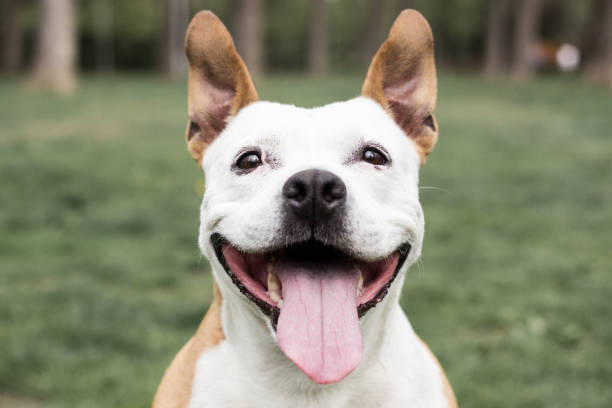
The seemingly simple acts of squinting and blinking in dogs are far more complex than an involuntary reflex. These subtle facial movements, often overlooked by the casual observer, are potent communication tools, offering a window into a dog’s emotional state, physical well-being, and social dynamics. From a relaxed blink of contentment to a pained squint of discomfort, or the carefully calibrated blink of appeasement, understanding these signals is crucial for any devoted dog owner seeking to truly connect with their canine companion. This comprehensive guide will delve into the multifaceted world of squinting and blinking in dogs, exploring its manifestations across various contexts and empowering you with the knowledge to interpret these vital behavioral cues.
The Anatomy of a Blink and a Squint:
Before we dissect the behavioral implications, a brief understanding of the physical mechanisms is helpful.
- Blinking: A normal blink involves the rapid closing and opening of both eyelids. In dogs, it serves similar physiological purposes as in humans: to spread tears across the cornea for lubrication, to clear debris, and to protect the eye from potential irritants. Blinking can be involuntary, triggered by stimuli, or voluntary, used as a communicative gesture.
- Squinting: A squint is a more deliberate narrowing of the eyes, often involving partially closing one or both eyelids. This action can be a response to bright light, pain, irritation, or a conscious attempt to modify vision. In the context of behavior, squinting can convey a range of emotions and intentions.
The Spectrum of Squinting and Blinking in Dogs:
We can broadly categorize the meanings behind a dog’s squinting and blinking into three primary areas: comfort and relaxation, pain and discomfort, and submission and appeasement. However, it’s essential to remember that context is paramount. A single action can have multiple interpretations depending on the surrounding circumstances, the dog’s body language, and the environment.
I. Squinting & Blinking as Signs of Comfort and Relaxation:
When a dog feels safe, secure, and content, their facial expressions soften, and blinking can become more pronounced or a gentle squint might appear as a sign of deep relaxation.
- The “Slow Blink” of Affection and Trust: This is perhaps the most widely recognized and cherished canine communication signal. A slow, deliberate blink, often accompanied by soft eyes, a relaxed posture, and a gentle wag of the tail, is a direct invitation for interaction and a profound expression of trust and affection. When your dog looks at you and slowly closes and opens their eyes, they are essentially saying, “I feel safe with you, and I like you.” This reciprocal behavior, when you return the slow blink, can strengthen your bond immensely. It indicates a lack of perceived threat and a willingness to engage in a peaceful, friendly manner.
- Context: This is typically observed during quiet moments, petting sessions, or when your dog is simply observing you with a calm demeanor.
- Physiological Basis: The slow blink might be associated with a reduction in arousal levels. When the sympathetic nervous system is less activated, the muscles around the eyes can relax, leading to a slower, more deliberate blink.
- Soft Eyes and Relaxed Eyelids: Beyond the deliberate slow blink, a general state of relaxation in a dog’s facial muscles often manifests as slightly softened eyes. The eyelids might appear a little less tense, and the overall expression is one of ease. This isn’t a dramatic squint, but rather a subtle relaxation that conveys a lack of concern or apprehension.
- Context: Observing your dog dozing, lounging comfortably, or interacting gently with familiar and trusted individuals or animals.
- Distinction from Pain: The key differentiator here is the absence of any other signs of stress or discomfort. The body is relaxed, the breathing is normal, and the tail might be gently wagging or still.
- “Squinting” in Bright Sunlight (Physiological, Not Emotional): Dogs, like humans, will squint to shield their eyes from harsh sunlight. This is a purely physiological response to excessive light and doesn’t carry any emotional weight.
- Context: When outdoors on a sunny day, especially if the dog is looking directly towards the sun.
- Distinction from Pain Squint: In this scenario, the dog’s body will likely appear relaxed. They may also seek shade or turn their head away from the direct light. There will be no accompanying signs of pain or anxiety.
II. Squinting & Blinking as Signs of Pain and Discomfort:
When a dog is experiencing physical pain or discomfort, their facial expressions become a crucial indicator. Squinting, in particular, can be a significant red flag.
- The Painful Squint: This is often a more pronounced and sustained narrowing of one or both eyes. It can be accompanied by other signs of pain, such as a tense body, vocalizations (whimpering, growling), limping, licking a specific area, or changes in posture. A persistent squint, especially if it’s a new behavior, almost always warrants investigation.
- Common Causes:
- Eye Conditions: Corneal ulcers, conjunctivitis, uveitis, glaucoma, dry eye (keratoconjunctivitis sicca), cataracts, or even foreign bodies in the eye can cause significant pain and lead to squinting.
- Headaches or Neurological Issues: Dogs can experience headaches or neurological pain that manifests as squinting.
- Dental Pain: Pain in the teeth or gums, particularly in the upper jaw, can sometimes cause referred pain to the eye area, leading to squinting.
- Injury: Any injury to the head or face, even if not directly involving the eye, can cause pain and a resulting squint.
- Irritation: Allergies, irritants in the environment (smoke, dust), or even a scratch from a paw can cause temporary squinting.
- Key Indicators: Look for asymmetry (one eye squinting more than the other), redness, discharge, excessive tearing, pawing at the eye, reluctance to open the eye, and a general look of distress.
- Action Required: If you suspect your dog is squinting due to pain, it is crucial to consult a veterinarian immediately. They can perform an ophthalmic examination and diagnose the underlying cause to provide appropriate treatment.
- Common Causes:
- Frequent or Rapid Blinking (Not the Slow Blink): While a slow blink indicates relaxation, a rapid, almost frantic blinking can signal irritation or mild discomfort. This might be due to something irritating the eye, or it could be a precursor to a more significant discomfort.
- Context: When your dog has something in their eye, or if they are in a dusty or smoky environment.
- Distinction from Pain: This is usually a more transient behavior. If it persists, it could be a sign of a developing issue.
- “Whale Eye” and Squinting: “Whale eye” is a term used to describe when the whites of a dog’s eyes are visible due to the lower eyelid being pulled down or the eyeball being rolled back. This is often seen in conjunction with squinting and is a strong indicator of stress, anxiety, or fear. The dog is trying to see without fully exposing their eyes, often to avoid a perceived threat.
- Context: When a dog is feeling threatened, cornered, or extremely anxious. This is a warning sign that the dog is becoming uncomfortable and may react defensively.
- Action Required: Remove the dog from the stressful situation calmly and without further pressure.
III. Squinting & Blinking as Signs of Submission and Appeasement:
In the complex social hierarchy of dogs, squinting and blinking play a vital role in de-escalation and signaling non-aggressive intentions. These are often referred to as “calming signals” or “appeasement signals.”
- The “Softened Gaze” and Partial Squint: When a dog encounters another dog or a human that they perceive as dominant or potentially intimidating, they may soften their gaze and partially squint. This is a way of averting direct, confrontational eye contact while still allowing them to observe the other individual. It signals, “I am not a threat,” or “I acknowledge your presence and will defer to you.”
- Context: Meeting a new dog, interacting with a larger or more assertive dog, or when a human is looming over them or making direct, intense eye contact.
- Accompanied by: Lip licking, yawning, turning the head and body away, lowered tail carriage, and sometimes a slight crouch.
- The “Closed-Eye Plea”: In some instances, a dog might momentarily close their eyes entirely or almost entirely when trying to appease a perceived threat or to avoid conflict. This is a more extreme form of averting gaze and is a clear signal of submission.
- Context: Undergoing correction or disapproval from an owner, or when feeling overwhelmed by another animal’s presence.
- Distinction from Pain: While it can appear similar to a painful squint, the overall body language will be different. There will be a lack of tension or signs of physical distress, replaced by a posture of deference.
- Calming Signals in Multi-Dog Households: In homes with multiple dogs, these appeasement signals are constantly at play to maintain social harmony. A dog might offer a quick squint or blink to signal to another dog that they are not interested in conflict, or to diffuse tension if the other dog is showing signs of arousal.
- Importance: Understanding these signals helps owners intervene appropriately to prevent escalating conflicts and to recognize when their dogs are effectively managing their own social interactions.
- “Learned” Appeasement: Some dogs, particularly those who have experienced harsh training or negative encounters, may develop a learned appeasement behavior. They might squint or blink excessively in the presence of humans or in unfamiliar situations, even when there is no immediate threat perceived. While this is a sign of submission, it can also indicate underlying anxiety or fear, and it’s important to address the root cause of this learned behavior.
Distinguishing Among the Meanings: A Holistic Approach is Key
It cannot be stressed enough that interpreting a dog’s squinting and blinking requires a comprehensive assessment of their entire body language and the surrounding context. Here’s a breakdown of how to differentiate:
- Body Posture:
- Relaxed: Loose, wiggly body, relaxed tail, soft ears. (Comfort)
- Tense: Stiff body, tucked tail, pinned ears, raised hackles. (Pain/Fear/Anxiety)
- Submissive: Lowered head and body, tail tucked or low, averted gaze. (Submission)
- Vocalizations:
- Happy panting/sighs: (Comfort)
- Whimpering, yelping, growling: (Pain/Fear)
- Whining: (Can be pain, anxiety, or mild frustration)
- Facial Expressions (Beyond the Eyes):
- Relaxed mouth, soft lips: (Comfort)
- Lip licking, yawning, hard stares, bared teeth: (Stress/Fear/Anxiety/Warning, often accompanying pain or submission)
- Environmental Factors:
- Is it bright sunlight? (Physiological)
- Is the dog in an unfamiliar or potentially threatening situation? (Submission/Fear)
- Have they just experienced an injury or a behavior that might cause pain? (Pain)
- Accompanying Behaviors:
- Pawing at the eye, rubbing the face. (Pain/Irritation)
- Seeking a quiet, dark space. (Pain/Sensitivity)
- Avoiding eye contact with specific individuals. (Submission/Appeasement)
Practical Applications for Dog Owners:
By honing your ability to interpret these subtle cues, you can become a more empathetic and effective dog owner.
- Strengthen Your Bond: When you recognize and respond appropriately to your dog’s slow blinks of affection, you reinforce your connection and build deeper trust.
- Early Detection of Pain: Being vigilant for signs of pain, such as persistent squinting, can lead to earlier veterinary intervention, improving the prognosis and reducing your dog’s suffering. If you see your dog squinting in a way that seems different from their normal behavior, don’t hesitate to reach out to your vet.
- Manage Social Interactions: Understanding appeasement signals allows you to better manage interactions between your dog and other animals or people. You can intervene before a situation escalates and ensure your dog feels safe and understood.
- Reduce Anxiety: Recognizing when your dog is feeling stressed or anxious can help you remove them from triggering situations or provide comfort and reassurance. This is crucial for dogs with anxiety disorders or those who have experienced trauma.
- Improve Training: When training, observing your dog’s eye behaviors can reveal their comfort level with a particular exercise or cue. Adjusting your approach based on these signals ensures a more positive and effective training experience. For instance, if a dog starts squinting during a new command, it might indicate confusion, frustration, or anxiety.
- Enhance Safety: In situations where a dog is exhibiting whale eye and squinting, it’s a clear indication of distress. Recognizing this can help prevent bites or defensive reactions by giving the dog space and removing the source of their discomfort.
When to Seek Professional Help:
- Persistent Squinting: If your dog is squinting persistently, especially if it’s accompanied by redness, discharge, or pawing at the eye, a veterinary visit is essential.
- Sudden Changes in Blinking Patterns: Any abrupt change from your dog’s normal blinking behavior warrants attention, particularly if it’s rapid or excessive and not clearly linked to environmental factors.
- Behavioral Issues Linked to Anxiety: If you observe frequent appeasement signals or a learned squinting behavior that seems rooted in anxiety or fear, consult with a certified professional dog trainer or a veterinary behaviorist. They can help identify triggers and develop a behavior modification plan.
Conclusion:
The seemingly simple acts of squinting and blinking in dogs are rich with meaning. They are not mere biological functions but sophisticated elements of canine communication, reflecting a dog’s emotional landscape and physical well-being. By learning to observe and interpret these subtle nuances – the loving slow blink of comfort, the pained squint of discomfort, and the conciliatory blink of submission – you unlock a deeper level of understanding with your canine companion. This knowledge empowers you to provide better care, foster stronger bonds, and ensure your dog’s happiness and health. Pay attention to those fleeting glances, those gentle narrowing of eyes, for within them lies a story waiting to be heard.
#DogSquinting, #DogBlinking, #CanineBodyLanguage, #DogCommunication, #DogBehavior, #DogWelfare, #DogHealth, #DogPain, #DogComfort, #DogSubmission, #DogAppeasement, #DogSlowBlink, #WhaleEyeDog, #DogTrust, #DogLove, #PetCare, #DogTips, #AnimalBehavior, #DogInsights, #UnderstandingDogs, #DogLovers, #FidoFacts, #CanineCues, #MyDogIsTellingMe, #AnimalCommunication, #HealthyDog, #HappyDog, #DogEyes





Add comment