
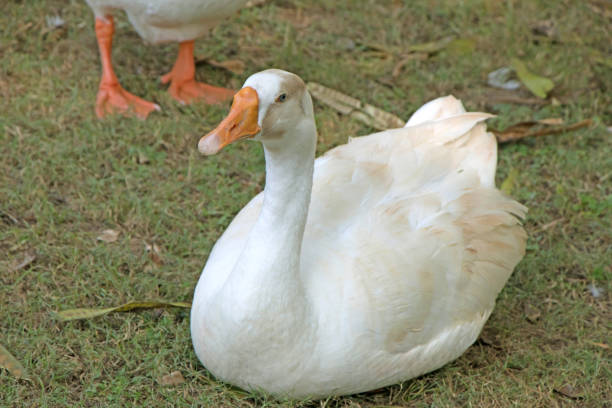
Staphylococcosis in ducks is a bacterial disease caused by Staphylococcus species, primarily Staphylococcus aureus and Staphylococcus pseudintermedius, which are commonly found in the environment and on the skin and mucous membranes of birds. Under normal conditions, these bacteria do not cause harm, but when ducks are exposed to certain risk factors, such as open wounds or contaminated living conditions, the bacteria can invade the body and lead to infection. This disease is particularly concerning for duck farmers, as it can cause severe health issues, including skin abscesses, joint infections, and systemic illness. If left untreated, staphylococcosis can result in significant economic losses due to decreased productivity, impaired growth, or even mortality in affected flocks.
The disease can present in various forms, including localized skin infections, septicemia, and arthritis, with symptoms ranging from mild to severe. Staphylococcal infections in ducks often develop following injuries, such as cuts, bruises, or foot lesions, which provide an entry point for the bacteria. Additionally, poor sanitation, overcrowding, and stress due to environmental conditions can contribute to the spread of the disease. In some cases, ducks with weakened immune systems due to concurrent illnesses or malnutrition are more susceptible to staphylococcal infections. Understanding the pathogen involved and the conditions that favor its proliferation is essential for effective disease management.
The significance of staphylococcosis lies in its potential to cause long-term health problems in ducks and impact the productivity of duck farming operations. Early recognition of the disease, along with appropriate diagnostic and treatment measures, is crucial for preventing its spread and minimizing the impact on duck health and the economy. As such, understanding the causes, symptoms, and management strategies of staphylococcosis is vital for the successful prevention and control of this disease in duck populations.
Causes and Transmission of Staphylococcosis in Ducks
Staphylococcosis in ducks is primarily caused by the invasion of Staphylococcus species, particularly Staphylococcus aureus and Staphylococcus pseudintermedius, into the bird’s body through open wounds or compromised skin. These bacteria are naturally present in the environment and on the surfaces of ducks, but they become pathogenic when certain conditions allow them to proliferate and cause infection. Ducks are particularly vulnerable to staphylococcosis due to the nature of their living conditions and physiological factors that can create an entry point for the bacteria.
One of the primary sources of staphylococcal infection is environmental contamination. Ducks often live in wet environments, such as ponds, marshes, or enclosures with muddy or damp ground, increasing the likelihood of exposure to pathogenic staphylococci. Contaminated water, feed, or bedding materials can serve as reservoirs for the bacteria, and ducks that come into contact with these sources are at a higher risk of infection. Additionally, overcrowded or poorly maintained enclosures can facilitate the spread of the disease, as close contact between ducks allows for the transmission of bacteria through direct contact or contaminated surfaces.
Physical injuries and skin damage are significant factors that contribute to the development of staphylococcosis in ducks. Due to their active lifestyle and tendency to engage in pecking or aggressive interactions, ducks can sustain cuts, abrasions, or lacerations that create entry points for bacteria. For example, foot injuries are a common source of infection, as ducks frequently wade through water or walk on rough surfaces, leading to cracked or wounded feet. Similarly, abscesses on the beak, wattles, or vent areas can develop when the skin is compromised, allowing staphylococci to invade the underlying tissues.
Other contributing factors include the duck’s immune status and overall health. Ducks with weakened immune systems, such as those suffering from malnutrition, concurrent infections, or stress from poor environmental conditions, are more susceptible to staphylococcal infections. Additionally, young ducks are particularly vulnerable, as their immune systems are still developing and may not be able to effectively combat bacterial invasion. The combination of these risk factors increases the likelihood of staphylococcosis outbreaks in duck populations, making proper biosecurity and husbandry practices essential for minimizing the risk of infection.
Signs and Symptoms of Staphylococcosis in Ducks
Staphylococcosis in ducks can present with a range of clinical signs that vary in severity depending on the extent of the infection. In the early stages, affected ducks may exhibit non-specific symptoms such as reduced activity, poor appetite, and weight loss. These general signs of illness often indicate an underlying infection, prompting producers to investigate further. As the infection progresses, more specific symptoms begin to manifest, helping in the identification and differentiation of staphylococcal disease from other bacterial or viral conditions.
One of the most common and visible signs of staphylococcosis in ducks is the development of abscesses on the skin. These abscesses typically appear as raised, firm nodules filled with pus and are often found on the head, neck, and vent area. While some abscesses remain localized, others may spread to deeper tissues, leading to more severe complications. Ducks with affected skin often show signs of discomfort, such as head shaking, excessive preening, or rubbing against objects to relieve persistent irritation.
In addition to skin lesions, ducks with staphylococcosis may develop foot rot, a condition characterized by swelling, lameness, and the formation of abscesses in the feet. This is particularly common in ducks that inhabit wet or contaminated environments, as the bacteria can penetrate through cracked or injured feet. Another significant manifestation of the infection is the development of joint infections, known as septic arthritis. Affected ducks may exhibit lameness, reluctance to move, and swelling in the affected joints, which can significantly impair mobility and overall health.
Staphylococcal infections can also affect the eyes, leading to conjunctivitis and the formation of nodule-like lesions on the eyelids or surrounding tissues. In severe cases, the infection may progress to septicemia, where the bacteria enter the bloodstream and cause systemic illness. Ducks with septicemia may exhibit symptoms such as increased body temperature, lethargy, and respiratory distress. Without prompt treatment, septicemia can lead to serious complications or even death. Recognizing these symptoms is essential for early diagnosis and effective management of staphylococcosis in duck populations.
Duck Breeds at Risk of Staphylococcosis
Staphylococcosis is a disease that can affect various duck breeds, but certain breeds are more susceptible due to their specific genetic, physiological, and management characteristics. Understanding the breeds at higher risk helps poultry producers implement targeted prevention and management strategies. Among the most commonly affected breeds are Khaki Campbell ducks, Pekin ducks, and other commercial laying varieties.
Khaki Campbell ducks are particularly prone to staphylococcosis due to their high egg-laying capacity and overall productivity. These ducks are bred for egg production, and their frequent egg-laying cycles can lead to stress-related immune suppression, making them more vulnerable to infections. Additionally, Khaki Campbells have relatively large and broad feet, which makes them more susceptible to foot-related injuries, especially when they inhabit muddy or wet environments. This increases their chances of developing staphylococcal foot rot or systemic infection following a wound. The presence of large skin folds and wattles on this breed also provides additional surface area for bacterial colonization, further increasing the risk of localized infections.
Pekin ducks are another commonly affected breed, primarily due to their rapid growth rate and high body weight. These traits, while beneficial for meat production, contribute to increased musculoskeletal stress, making Pekin ducks more prone to injuries, particularly in their feet and joints. Additionally, their compact body shape and large size can lead to overcrowding in commercial housing systems, which increases the risk of infectious diseases, including staphylococcosis. The high demand for Pekin ducks in meat production also means that they are often subjected to intensive management practices, such as rapid feeding and limited exercise, which can weaken their immune system and make them more susceptible to bacterial infections.
Other duck breeds considered more prone to staphylococcosis include domestic ducks with a history of skin or foot-related conditions. For example, certain breeds with naturally weak or narrow feet, such as some Leghorn hybrids and miniature duck breeds, are at higher risk for foot injuries and subsequent bacterial infections. Similarly, ducks with pre-existing skin conditions, such as those with feather cysts or beak deformities, are more likely to develop staphylococcal abscesses. Feather cysts, which are common in young ducks, create ideal entry points for bacteria, leading to localized infections that can progress to septicemia if left untreated. In some cases, ducks with narrow beaks or malformed legs are more prone to trauma and bacterial invasion, increasing the likelihood of staphylococcal disease.
In addition to breed-specific characteristics, the management and housing conditions also play a role in the risk of staphylococcosis. Ducks raised in poorly maintained enclosures with inadequate drainage, excessive moisture, and poor ventilation are more likely to develop this disease. High stocking densities, especially in commercial duck farms, also contribute to the spread of staphylococcal infections through direct contact and shared contaminated surfaces. Understanding the specific vulnerabilities of different duck breeds helps poultry producers tailor their disease prevention strategies to minimize the incidence of staphylococcosis and safeguard the health of their flocks.
Lifestage Vulnerability to Staphylococcosis in Ducks
Staphylococcosis can affect ducks at any stage of their life, but certain lifestages are more vulnerable due to physiological, immunological, and environmental factors. Neonatal and juvenile ducks are particularly at risk, as their immature immune systems make them more susceptible to infections. Staphylococcal infections in young ducks often present as septicemia, which can rapidly progress and lead to mortality if left untreated. The high mortality rate in hatchlings and young ducks is often attributed to neonatal septicemia or systemic infection due to poor hatchery conditions, improper sanitation, and lack of maternal antibody transfer. Additionally, young ducks may have weaker beaks and feet, increasing the likelihood of microtrauma that facilitates bacterial invasion.
As ducks progress into the juvenile stage, the risk of staphylococcosis remains significant, particularly in fast-growing or high-producing breeds. Juvenile ducks undergoing rapid growth are often subjected to increased nutritional demands, and if these dietary needs are not met, their immune system may become compromised, making them more susceptible to infections. The combination of high growth rates and potential malnutrition creates an environment conducive to bacterial proliferation. Additionally, juvenile ducks often engage in pecking and social interactions, which can lead to minor injuries that provide entry points for staphylococci. If these birds are raised in crowded or unsanitary conditions, the likelihood of infection increases further.
Adult ducks, particularly those in commercial farms, face a different set of risks. While their immune systems are more developed, adult ducks that lay eggs or are raised for meat production are frequently subjected to stress factors such as overcrowding, inadequate housing ventilation, and environmental conditions that promote bacterial growth. The frequent use of artificial lighting and high stocking densities in commercial duck farms can contribute to weakened immune responses, making adult ducks more prone to staphylococcal infections. Additionally, ducks experiencing chronic stress, such as those undergoing high egg production cycles or extreme weight gain, may exhibit reduced resistance to disease, increasing their vulnerability to bacterial infections.
In older ducks, especially those in the post-laying or breeding phase, the incidence of staphylococcosis tends to decrease slightly due to stronger immunity and lower metabolic demands. However, older ducks may still be at risk if they have pre-existing injuries from prior infections or age-related immunosuppression. Additionally, ducks with a history of foot injuries or chronic skin conditions are more likely to develop recurrent staphylococcal infections later in life. Understanding the lifestage-specific risks of staphylococcosis is crucial for implementing targeted prevention and management strategies in duck populations.
Diagnosis of Staphylococcosis in Ducks
The diagnosis of staphylococcosis in ducks requires a combination of clinical examination and laboratory testing to accurately identify the presence of staphylococcal bacteria and differentiate this disease from other bacterial or fungal infections. Clinical signs, such as abscesses, foot rot, and swollen joints, are often the first indicators of potential staphylococcal infection; however, these symptoms can also be associated with other conditions, making laboratory confirmation essential for accurate diagnosis.
One of the primary diagnostic methods involves bacterial culture and isolation of Staphylococcus species from affected tissues or lesions. A sample is collected from an abscess, nasal discharge, or infected joint fluid and inoculated onto selective agar media to allow for bacterial growth. The presence of Staphylococcus aureus or Staphylococcus pseudintermedius can be identified through colony morphology and biochemical tests, such as coagulase activity and catalase production. These tests differentiate staphylococci from other pathogenic bacteria, ensuring an accurate diagnosis.
In addition to traditional culture techniques, polymerase chain reaction (PCR) testing can be used for rapid identification of staphylococcal DNA in infected samples. This method is particularly useful in distinguishing between different staphylococcal species and detecting antibiotic resistance genes, allowing for more targeted treatment strategies. Histopathological examination of tissue samples may also be employed to observe characteristic inflammatory responses associated with staphylococcal infection. These diagnostic approaches, when used in combination, help confirm the presence of staphylococcosis and support effective treatment and disease management in duck populations.
Treatment and Management of Staphylococcosis in Ducks
The treatment of staphylococcosis in ducks typically involves the use of antibiotics, supportive care, and wound management to effectively combat the infection and promote recovery. Since staphylococcal bacteria can become resistant to certain antibiotics, it is crucial to perform bacterial culture and sensitivity testing before initiating treatment. This process helps identify the most effective antibiotic based on the specific strain of Staphylococcus present. Commonly used antibiotics for treating staphylococcosis in ducks include penicillins, cephalosporins, and tetracyclines. However, in cases of antibiotic-resistant strains, alternative drugs such as enrofloxacin or chloramphenicol may be employed.
In addition to systemic antibiotic therapy, topical treatments are often necessary for localized infections, particularly those involving abscesses or open wounds. Veterinarians may recommend cleaning and draining abscesses to reduce the bacterial load and prevent the spread of infection. Antiseptic solutions, such as chlorhexidine or povidone-iodine, can be used for wound care to minimize the risk of secondary infections. For ducks suffering from foot rot or joint infections, supportive care measures, such as providing soft bedding and ensuring proper foot hygiene, can help alleviate discomfort and prevent further complications.
Supportive care is an essential component of staphylococcosis management, as it helps strengthen the duck’s immune response and overall health during the recovery process. This includes ensuring proper nutrition, maintaining clean and dry living conditions, and reducing stress factors that may weaken the immune system. Ducks with severe septicemia may require intravenous or subcutaneous fluid therapy to address dehydration and maintain electrolyte balance. Additionally, the use of anti-inflammatory drugs, such as non-steroidal anti-inflammatory drugs (NSAIDs), may be recommended to reduce inflammation and manage pain associated with the infection.
To prevent the spread of staphylococcosis among the flock, it is important to isolate affected ducks and implement stringent biosecurity measures. This includes regular disinfection of enclosures, proper disposal of infected tissues or materials, and limiting contact between healthy and infected birds. In some cases, prophylactic antibiotic treatment may be administered to high-risk ducks to prevent the development of severe infection. With prompt and appropriate management strategies, many ducks recover from staphylococcosis, reducing the economic impact on duck farming operations.
Prognosis and Complications of Staphylococcosis in Ducks
The prognosis for ducks affected by staphylococcosis depends on several factors, including the severity of the infection, the breed’s susceptibility, and the timeliness of treatment. Ducks with mild and localized infections, such as small skin abscesses or foot lesions, generally have a better prognosis with appropriate antibiotic therapy and supportive care. However, if left untreated or diagnosed at an advanced stage, staphylococcosis can lead to severe complications that significantly impact the duck’s health and productivity. Septicemia, the spread of the infection into the bloodstream, is a life-threatening complication that often results in high mortality rates, particularly in young or immunocompromised ducks. In severe cases, staphylococcal bacteria can cause systemic inflammation and organ damage, leading to irreversible health deterioration.
Beyond septicemia, other complications of staphylococcosis include chronic abscesses, persistent lameness, and joint damage. Ducks with staphylococcal arthritis may develop long-term joint deformities or mobility issues, reducing their ability to forage, move, or compete for resources. In laying ducks, the disease can lead to a decline in egg production due to the stress of infection and possible damage to reproductive organs. Additionally, repeated or chronic infections can weaken the bird’s overall immune system, making it more prone to secondary infections or other diseases. The presence of abscesses on the feet or beak can also interfere with feeding and normal behavior, further affecting the duck’s well-being and productivity.
Timely diagnosis and treatment are crucial for improving the prognosis of staphylococcosis. Early intervention with appropriate antibiotics, wound care, and supportive measures can help prevent the progression of the disease and reduce the risk of long-term complications. However, if treatment is delayed or ineffective, the prognosis becomes significantly worse, with higher chances of mortality and permanent health issues. Understanding the potential complications of staphylococcosis is essential for implementing effective disease management strategies and improving the overall health and productivity of duck flocks.
Prevention and Biosecurity Measures Against Staphylococcosis in Ducks
Preventing staphylococcosis in ducks requires a combination of good hygiene practices, proper housing conditions, and proactive disease management strategies. Since staphylococcal bacteria are commonly present in the environment and on the bird’s body, the goal is to minimize the risk of infection by reducing exposure and preventing the development of conditions that favor bacterial proliferation. One of the most effective prevention methods is maintaining a clean and dry living environment for ducks. Moisture, dirt, and organic matter on the ground serve as ideal breeding grounds for staphylococcal bacteria, increasing the risk of infection, particularly in ducks with injured feet or skin. Regular cleaning and drainage of duck enclosures, along with the use of dry or absorbent bedding materials such as wood shavings or sand, can significantly reduce bacterial load and limit the chances of disease transmission.
Biosecurity measures are also essential in preventing staphylococcosis. Ducks should be housed in well-ventilated enclosures to prevent the accumulation of moisture and odorous organic matter, which can contribute to bacterial growth. Overcrowding must be avoided, as close contact between birds increases the likelihood of transmission through direct contact or contaminated surfaces. Staphylococcal infections can spread rapidly in densely populated environments, especially when ducks exhibit aggressive behavior or engage in pecking, which can result in wounds and abscesses. Implementing rotational grazing or providing sufficient space per bird helps reduce the risk of injuries and subsequent infections.
Another critical aspect of prevention is the use of prophylactic measures, particularly in duck flocks known to be at higher risk. This includes ensuring proper nutrition and maintaining the birds’ overall health to strengthen their immune system. Ducks with weakened immunity due to malnutrition or concurrent diseases are more susceptible to staphylococcal infections. Regular health monitoring, early detection of skin or foot lesions, and prompt treatment of minor injuries can also help prevent the development of abscesses or systemic infection. Additionally, isolating newly acquired ducks or those showing signs of illness before introducing them to the main flock is an effective way to prevent the spread of staphylococcal infection. Implementing these preventive strategies reduces the risk of staphylococcosis and enhances the overall health and productivity of duck flocks.
Diet and Nutrition in the Prevention of Staphylococcosis in Ducks
A well-balanced diet plays a crucial role in maintaining the immune health of ducks and reducing their susceptibility to staphylococcosis. Proper nutrition ensures that the duck’s immune system functions optimally, helping it combat bacterial infections more effectively. A diet rich in essential nutrients, including protein, vitamins, and minerals, supports immune cell function and overall health. Ducks require a balanced intake of amino acids, particularly lysine and methionine, to maintain optimal health and reduce the risk of infections. Additionally, trace minerals such as selenium, zinc, and copper are important for the proper functioning of the immune system and wound healing, both of which are critical in preventing staphylococcal infections.
Vitamin deficiencies can significantly weaken a duck’s immune response, making it more vulnerable to bacterial infections like staphylococcosis. For example, a deficiency in vitamin A can impair the integrity of mucosal barriers, increasing the likelihood of bacterial entry through the respiratory or digestive tracts. Similarly, a lack of vitamin E and selenium can reduce the duck’s ability to mount an effective immune response against pathogens. Ensuring a diet that includes adequate levels of essential vitamins helps maintain the bird’s health and resistance to infections.
In addition to macronutrients and vitamins, the inclusion of probiotics and prebiotics in the duck’s diet can help promote a healthy gut microbiome, which plays a vital role in immune function. Probiotics support the growth of beneficial bacteria in the digestive system, reducing the risk of opportunistic pathogens such as staphylococci from proliferating. A healthy gut microbiome also enhances the bird’s ability to absorb nutrients and strengthens its innate immune defenses. Overall, a well-formulated diet that supports immune function is an essential preventive measure in reducing the incidence and severity of staphylococcosis in ducks.
Zoonotic Risk of Staphylococcosis in Humans
Staphylococcosis in ducks poses a potential zoonotic risk, meaning the disease can be transmitted from infected ducks to humans under certain circumstances. Although staphylococcal infections in ducks are primarily localized to the bird’s skin, feet, or joints, human exposure to these bacteria can occur through direct contact with infected lesions or through environmental contamination. People who handle infected ducks, especially those with open wounds or compromised immune systems, are at a higher risk of contracting a staphylococcal infection. The bacteria present in duck abscesses or nasal secretions can be transferred to human skin, and if an individual has a cut or abrasion, the bacteria may enter the bloodstream and cause a localized or systemic infection. While reports of human infection from duck-related staphylococci are relatively rare, cases of human skin infections, such as boils or cellulitis, have been linked to contact with staphylococcal-infected birds.
To minimize the zoonotic risk associated with staphylococcosis, it is essential for duck farmers, veterinary professionals, and anyone in close contact with ducks to adopt proper biosecurity practices. Handlers should always wear protective gloves, especially when dealing with infected birds or cleaning abscesses and wounds. After handling ducks, it is crucial to thoroughly wash hands and any exposed skin with soap and clean water to remove potential contaminants. In addition to personal hygiene, maintaining a clean and sanitized environment in duck enclosures helps reduce the spread of staphylococcal bacteria. Disinfecting tools, footbaths, and contaminated surfaces with appropriate cleaning agents can prevent cross-contamination and reduce the risk of infection transmission.
Another important preventive measure is avoiding direct contact with sick or diseased ducks, especially those exhibiting visible signs of staphylococcosis such as abscesses or foot rot. Individuals with open wounds should be particularly cautious when handling ducks, as this provides an entry point for potential bacterial infection. By implementing these precautionary measures, the zoonotic risk of staphylococcosis can be effectively minimized, ensuring the safety of both ducks and humans.
#DuckHealth, #Staphylococcosis, #DuckDiseases, #BirdHealth, #PoultryDiseases, #AnimalHealth, #VeterinaryCare, #DuckFarming, #DuckInfections, #ChickensAndDucks, #DuckVet, #PoultryManagement, #FarmAnimalHealth, #BirdVet, #DuckTreatment, #DuckMedicine, #DuckAbscesses, #DuckFootRot, #DuckInfections, #DuckBacteria, #DuckImmunity, #DuckHealthTips, #DuckDiet, #DuckNutrition, #DuckWellness, #DuckBiosecurity, #DuckPrevention, #DuckVeterinary, #DuckSymptoms, #DuckPrognosis, #DuckRecovery, #DuckDiagnosis, #DuckComplications, #DuckControl, #DuckManagement, #DuckHealthcare, #DuckDisease, #DuckInfectionControl, #DuckHealthSolutions, #DuckHealthInfo, #DuckHealthGuides, #DuckDiseasePrevention, #DuckHealthCare, #DuckDiseaseGuide, #DuckInfectionPrevention, #DuckHealthManagement, #DuckVetTips, #DuckHealthEducation, #DuckDiseaseInfo, #DuckHealthAdvisory, #DuckDiseaseHelp, #DuckHealthSupport, #DuckHealthAdvice, #DuckHealthAwareness, #DuckDiseaseCare, #DuckHealthConsultation, #DuckInfectionControl, #DuckDiseaseSafety, #DuckHealthForum, #DuckHealthDiscussion, #DuckHealthUpdate, #DuckDiseaseAlert, #DuckHealthNews, #DuckHealthChannel, #DuckDiseaseHelpful, #DuckHealthResource, #DuckDiseaseGuidance, #DuckHealthSupportGroup, #DuckDiseasePrevention, #DuckHealthTipsForFarmers, #DuckHealthForPoultryFarmers, #DuckHealthForAll.





Add comment