
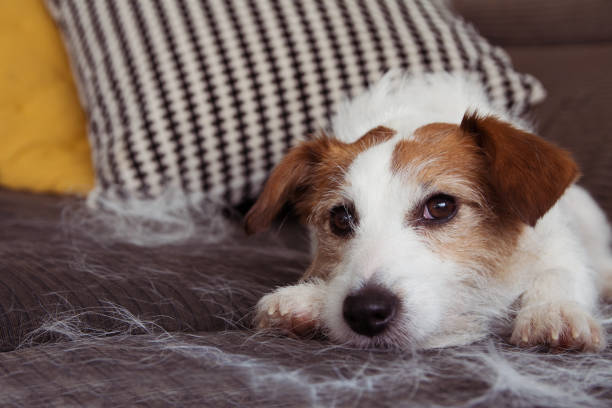
Staying off furniture is a crucial aspect of house training a puppy, as it helps establish boundaries, prevents damage to your belongings, and maintains a clean living environment. It can also be a safety measure for your puppy, preventing them from falling or getting into trouble. This guide will provide a comprehensive and elaborate approach to achieving this goal.
Understanding the “Why”: Why Puppies Jump on Furniture
Before diving into the “how,” it’s important to understand why puppies are drawn to furniture in the first place:
- Comfort and Softness: Furniture is often soft, warm, and inviting, offering a more comfortable resting place than the floor.
- Height and Vantage Point: Puppies, like many animals, are curious and enjoy being able to survey their surroundings from a higher vantage point. Furniture offers this elevated perspective.
- Pack Mentality and Proximity to You: Puppies are social creatures and want to be close to their “pack” (you and your family). Furniture is often where you spend your time, so they want to join you.
- Exploration and Novelty: Puppies explore the world with their mouths and paws. Furniture offers new textures and smells to investigate.
- Attention Seeking: If jumping on furniture consistently gets them attention, even negative attention, they’ll likely repeat the behavior.
- Accidental Reinforcement: Sometimes, we unknowingly reinforce the behavior by letting them on the furniture sometimes, or by not consistently redirecting them.
The Foundation: Setting the Stage for Success
Before you even bring your puppy home, or in the early days, lay the groundwork for success:
1. Define Your Rules and Be Consistent
- Decide as a Household: Everyone in the house (including visitors) must agree on whether furniture is off-limits for the puppy. Inconsistency is the enemy of training.
- Communicate the Rules: Make sure everyone understands the rules and how to enforce them.
- Consistency is Key: Every time the puppy attempts to go on the furniture, the response should be the same.
2. Puppy-Proof Your Furniture
- Temporary Barriers: Consider using temporary barriers like baby gates, playpens, or even strategically placed stacks of boxes to block off access to furniture during times you can’t supervise.
- Unappealing Textures: For a short period, you might consider placing less appealing textures on the furniture, such as upside-down plastic carpet runners (the nubs up), or even aluminum foil (some dogs dislike the sound and feel). This is a temporary measure and should be used judiciously.
3. Provide Appealing Alternatives
- Comfortable Dog Beds: Invest in several comfortable, well-placed dog beds. Place them in areas where you spend time (living room, bedroom).
- Crates and Kennels: Your puppy’s crate should be a safe, comfortable den. Make it a positive space with soft bedding and toys.
- Designated “Puppy Zones”: Consider areas of the house where the puppy is allowed to be, and make these areas extra inviting with their own toys and comfortable bedding.
The Training Process: Implementing Effective Strategies
This is where the active training begins. It requires patience, consistency, and positive reinforcement.
1. Supervision is Paramount
- The “Eyes On” Rule: When your puppy is not confined to their crate, pen, or a designated puppy-proofed area, they need to be under direct supervision. This is the most effective way to catch them before they get on the furniture.
- Leash Training Indoors: For extra control during the initial stages, you can tether your puppy to you with a leash while indoors. This allows immediate redirection.
2. Immediate Redirection (The Core of the Training)
- Catch Them in the Act: The moment you see your puppy attempting to jump on the furniture, or even looking like they’re about to, gently interrupt them.
- Verbal Cue: Use a firm, but not scary, verbal cue like “Off,” “Down,” or “No.”
- Physical Guidance: Gently guide them off the furniture. You can do this by:
- Lifting them off.
- Encouraging them to follow you with a treat.
- Using a leash to guide them away.
- Redirect to an Approved Spot: Immediately redirect them to their designated dog bed or mat.
- Positive Reinforcement: Once they are on their bed, praise them enthusiastically (“Yes, good boy/girl!”) and offer a high-value treat. This teaches them that good things happen when they are on their own bed, especially after being redirected.
3. Making the Furniture Unappealing (When Supervision Isn’t Possible)
This is a crucial step for when you cannot supervise, such as when you leave the house or are sleeping.
- “Scare” Tactics (Used with Caution): These methods aim to startle the puppy, making the furniture a less pleasant place.
- Aluminum Foil: Lay sheets of aluminum foil on the furniture. Many dogs dislike the crinkling sound and texture.
- Plastic Carpet Runners (Nubs Up): Place these on the cushions. The pointy side can be uncomfortable.
- Motion-Activated Sprays (e.g., PetSafe SSSCAT): This device releases a harmless burst of compressed air when motion is detected. It’s a very effective deterrent for many dogs. Use this ethically and ensure it doesn’t cause undue stress.
- Commercial Deterrent Sprays: These have scents that dogs find unpleasant. Test them on an inconspicuous area of your furniture first to ensure they don’t stain.
- Important Considerations for Deterrents:
- Safety First: Ensure any deterrent you use is safe for your puppy.
- Avoid Fear and Anxiety: The goal is to make the furniture less appealing, not to traumatize your puppy. If your puppy shows extreme fear or anxiety, remove the deterrent.
- Temporary Measure: These deterrents are usually temporary solutions. Once your puppy is reliably staying off the furniture, you can remove them.
4. Teaching a “Place” or “Go to Mat” Command
This is a proactive approach that teaches your puppy to go to and stay on their designated spot.
- The Process:
- Lure your puppy onto their bed with a treat.
- As they step on, say “Place” or “Mat.”
- Reward them with the treat and praise.
- Gradually increase the duration they stay on the mat before rewarding.
- Practice sending them to their mat from increasing distances.
- Once they understand the command, you can use it when they are tempted by the furniture. “Go to your Place!”
5. Positive Reinforcement for Staying Off
- Reward Good Choices: Actively watch your puppy when they are in the living area. If they choose to lie on their own bed instead of approaching the furniture, praise them and reward them with treats or a favorite toy. This reinforces the desired behavior.
- “Free Choice” Training: Sometimes, simply ignoring the furniture and rewarding your puppy for choosing their own spot can be very effective.
6. Managing the Environment When You Can’t Supervise
- Crate Training: A well-managed crate is your best friend. It provides a safe space for your puppy and prevents them from practicing the unwanted behavior on furniture.
- Puppy Pens/Playpens: These create a safe, contained area where you can place their bed, toys, and water. It prevents access to furniture.
- Confine to Puppy-Safe Rooms: If you don’t have a crate or pen, confine your puppy to a room that is completely puppy-proofed with no access to furniture.
What to Avoid: Common Pitfalls
- Punishment: Punishing your puppy after the fact (e.g., yelling at them when you come home and find them on the sofa) is ineffective. They won’t connect the punishment to the action.
- Inconsistency: Allowing them on the furniture sometimes sends mixed signals and makes training much harder.
- Ignoring the Behavior: If you continually let them get away with it, they will learn that it’s acceptable.
- Overly Harsh Methods: Frightening or scaring your puppy can lead to anxiety and other behavioral issues.
- Expecting Too Much Too Soon: House training and learning boundaries takes time and patience.
Troubleshooting Common Issues
- My puppy jumps on the furniture when I’m not looking: This is why supervision and environmental management (crates, pens, deterrents) are crucial. You need to prevent the opportunity to practice.
- My puppy gets on the furniture and then lies down, making it hard to redirect: If they’re already settled, gently lift them off and immediately redirect to their bed. If they resist, be firm but gentle.
- My puppy only jumps when I’m on the furniture: This is a clear sign they are seeking proximity. You can use the “Place” command to send them to their own bed while you are on the furniture, and reward them generously for staying there.
- My puppy chews the furniture when they’re on it: This is a separate issue that needs addressing. Ensure they have plenty of appropriate chew toys and consider puppy-proofing the furniture more thoroughly.
Long-Term Maintenance
Once your puppy has learned to stay off the furniture, you still need to be vigilant:
- Continue Reinforcing Good Behavior: Occasionally reward your puppy for choosing their own bed.
- Maintain Clear Boundaries: If you decide they can occasionally have supervised “couch time” as a reward, make sure this is clearly defined and understood by everyone. However, for many, keeping furniture entirely off-limits is simpler.
- Address Relapses: If your puppy starts having accidents, go back to basics. Increase supervision, ensure their needs are met (potty breaks, exercise), and reinforce good choices.
Conclusion
Training a puppy to stay off furniture is a process that requires patience, consistency, and a proactive approach. By understanding your puppy’s motivations, setting clear boundaries, providing appealing alternatives, and employing effective redirection techniques, you can successfully teach your furry friend to respect your furniture and create a harmonious living environment for everyone. Remember to celebrate the small victories and adjust your strategy as needed. With dedication, you and your puppy will achieve this important training goal.







Add comment