
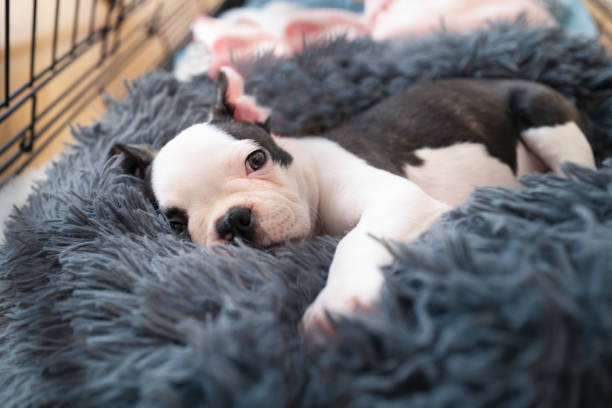
The joyous arrival of a puppy often comes with a host of challenges, and for many new owners, leash pulling is high on that list. While it’s a natural dog behavior, especially in puppies eager to explore their world, excessive pulling can make walks frustrating and even lead to injury for both you and your furry companion. This guide will delve deep into understanding why puppies pull, offering a multifaceted approach to training them to walk politely by your side.
Understanding Why Puppies Pull: The Root of the Problem
Before we dive into solutions, it’s crucial to understand the underlying reasons for leash pulling in puppies. This empathy will inform your training approach and make it more effective.
- Innate Drive to Explore: Puppies are naturally curious and have a strong desire to investigate their surroundings. They use their noses and legs to the fullest, and the leash can feel like an obstacle to their exploration.
- Excitement and Overstimulation: New sights, sounds, and smells can be incredibly exciting for a puppy. This excitement can lead to a surge of energy and a strong pull forward to reach the source of their interest.
- Lack of Understanding: Puppies don’t inherently know what “loose leash walking” means. They haven’t been taught a different way to walk and are simply using the most efficient way they know to get where they want to go.
- Reinforcement of Pulling: If a puppy pulls and gets to sniff an interesting bush or greet another dog, their pulling behavior is inadvertently reinforced. They learn that pulling gets them what they desire.
- Physical Characteristics: Some breeds are naturally more prone to pulling due to their strength or prey drive.
- Puppy Mouthing/Nipping: Sometimes, puppies might pull as a form of play or to get your attention, especially if they are teething and looking for something to mouth.
The Foundation of Loose Leash Walking: Building Good Habits Early
The best time to start training loose leash walking is from the moment you bring your puppy home. It’s significantly easier to build good habits than to break bad ones.
1. Essential Equipment: Choosing the Right Tools
The right equipment can make a world of difference. Avoid tools that cause pain or fear, as these can hinder your relationship with your puppy and lead to other behavioral issues.
- Flat Collar or Harness:
- Flat Collar: Suitable for puppies who are already showing good leash manners or for short, controlled outings. Ensure it’s fitted correctly – you should be able to slip two fingers comfortably between the collar and their neck.
- Harnesses: Generally the preferred choice for puppies and training loose leash walking.
- Front-Clip Harness: This is often the most effective tool for preventing pulling. The leash attaches to a ring on the puppy’s chest. When they pull, the harness gently redirects them back towards you, discouraging forward momentum. Look for adjustable and comfortable designs.
- Back-Clip Harness: While good for comfort and distributing pressure, it can sometimes encourage pulling in some puppies as it allows them to maintain forward momentum. It’s still a valid option for puppies who are learning.
- Avoid Harnesses with Head Collars (e.g., Gentle Leader, Halti) for Young Puppies: These can be very effective for adult dogs, but for young, developing puppies, they can be too restrictive and potentially impact their neck development or cause discomfort if not properly fitted and introduced. They are best introduced when a puppy is a bit older and has some basic leash manners.
- Leash:
- Standard 4-6 Foot Leash: This is ideal for training. It provides enough room for your puppy to explore a bit without getting too far ahead, and it gives you better control.
- Avoid Retractable Leashes: These are generally not recommended for training. The constant tension, unpredictable length, and the potential for sudden jerks can teach your puppy that pulling is acceptable and can be dangerous.
2. The Pre-Walk Routine: Setting the Stage for Success
Before you even step outside, establish a calm and positive association with leash and harness or collar.
- Desensitization to Equipment:
- Let your puppy wear their collar or harness for short periods indoors.
- Offer treats and praise while they are wearing it.
- Attach the leash indoors and let them drag it around (supervised) so they get used to the feeling.
- Calm Exits and Entries:
- Teach your puppy to wait patiently at the door before going outside. Only open the door when they are calm and not pushing.
- Reward calm behavior at the door with treats and praise.
Core Training Techniques for Loose Leash Walking
These techniques focus on rewarding the desired behavior (walking by your side with a loose leash) and discouraging pulling through redirection and withholding rewards. Consistency and patience are paramount.
1. The “Be a Tree” Method (or “Stop and Go”):
This is a fundamental technique that teaches your puppy that pulling stops the fun.
- How it Works: The moment your puppy’s leash becomes taut and they start to pull ahead, you immediately stop walking. Stand still like a tree. Do not yank, scold, or move forward.
- When to Move: Wait for your puppy to release the tension on the leash. This might happen when they turn to look at you, step back, or simply relax their pull. The instant the leash slackens, start walking again.
- Reinforcement: As soon as the leash is loose, offer verbal praise (“Good walk!”) and even a small treat.
- Progression: This will likely involve many stops and starts initially. Your puppy will gradually learn that pulling makes the walk stop, while a loose leash allows them to move forward.
2. The “Red Light, Green Light” Game:
This is a fun variation of the “Be a Tree” method that adds a playful element.
- How it Works: When your puppy is walking nicely beside you with a loose leash (green light), you walk forward and praise them. The moment they pull and the leash tightens (red light), you stop walking.
- When to Move Again: Wait for the leash to slacken, then resume walking.
- Adding a Cue: You can introduce a verbal cue like “Let’s go!” for when you start walking and a “Wait” or “Stop” when you halt.
3. Rewarding the “Sweet Spot”:
This technique focuses on actively rewarding your puppy for being in the desired position.
- Identify the Sweet Spot: This is the area beside your leg where you want your puppy to walk.
- Frequent Rewards: As you walk, when your puppy is in the “sweet spot” with a loose leash, toss treats or give verbal praise. You want to make being in that position more rewarding than pulling ahead.
- Varying Rewards: Don’t just use treats. A happy tone of voice, a quick pet, or a fun game of fetch can also be used as rewards.
- Luring (Initially): You can initially use a treat to lure your puppy into the sweet spot. Hold a treat between your thumb and forefinger near your leg and walk. Your puppy will likely follow the treat. As they walk beside you, reward them. Gradually fade the treat lure, relying more on verbal praise and the opportunity to keep moving forward.
4. The “Turn Around” Technique:
This is another effective method for correcting pulling.
- How it Works: When your puppy pulls ahead, instead of stopping, you calmly turn and walk in the opposite direction.
- When to Resume Original Direction: When your puppy catches up to you and the leash is loose, you can then turn and resume your original walking direction.
- What it Teaches: This teaches your puppy that pulling leads them away from where they want to go.
5. Engaging Your Puppy:
A bored or under-stimulated puppy is more likely to pull. Make walks engaging and enjoyable for them.
- Vary Your Pace: Sometimes walk faster, sometimes slower.
- Change Direction: Unexpectedly change your walking direction.
- Incorporate Training: Practice short “sit” or “stay” cues during your walk.
- Allow Sniffing (Strategically): While you don’t want them pulling to sniff every single blade of grass, allow dedicated “sniff breaks.” Let them know when it’s their time to explore. You can even use a cue like “Go sniff!”
- Play Games: Bring a favorite toy and have a quick game of fetch in a safe area.
Introducing New Tools and Techniques: A Gradual Approach
For any new tool or training technique, a gradual introduction is key to preventing fear or anxiety in your puppy.
- Harness Introduction:
- Associate the harness with positive experiences (treats, praise, feeding).
- Let them wear it for short periods indoors before going outside.
- Ensure it’s fitted comfortably and doesn’t chafe.
- Leash Introduction:
- Let them drag a lightweight leash around indoors (supervised) to get used to the feeling.
- Attach the leash to the harness and have them follow you indoors with gentle encouragement and treats.
- Introducing New Techniques: Start practicing these techniques in a low-distraction environment (e.g., your backyard or a quiet hallway) before attempting them on a busy street.
Common Pitfalls and How to Avoid Them
Even with the best intentions, challenges can arise. Understanding common mistakes can help you steer clear of them.
- Inconsistency: This is the biggest enemy of effective training. Everyone interacting with the puppy needs to be on the same page with the chosen training method. If sometimes pulling is ignored, and sometimes it’s corrected, your puppy will become confused.
- Punishment-Based Methods: Avoid jerking the leash, using choke chains or prong collars as a primary correction tool, or yelling at your puppy. These methods can create fear, anxiety, and can damage your bond.
- Over-Correction: If you’re constantly stopping or turning around, you’ll make very little progress. Focus on rewarding the good moments.
- Expecting Too Much Too Soon: Puppies are learning. There will be good days and bad days. Celebrate small victories and be patient.
- Ignoring Environment: Trying to train loose leash walking in a highly distracting environment (e.g., a park full of dogs and squirrels) is setting yourself up for frustration. Start in quieter areas and gradually increase the difficulty.
- Not Enough Exercise or Mental Stimulation: A pent-up puppy will have a harder time settling down and walking politely. Ensure they’re getting enough physical activity and mental challenges outside of walks.
Advanced Tips for Continued Success
As your puppy grows and masters the basics, you can refine their loose leash walking skills.
- Proofing the Behavior: Once your puppy is doing well in quiet areas, gradually introduce more distractions. Start with mild distractions and work your way up.
- Fading Lures and Rewards: As your puppy understands the concept, start to fade out the constant lure of treats. Move towards intermittent reinforcement (rewarding every few times) and eventually, only rewarding when they do an exceptional job or after a period of excellent walking.
- Varying Rewards: Keep your puppy engaged by using different types of rewards – not just treats, but also praise, toys, and the opportunity to sniff or greet other dogs (when appropriate).
- Teaching a “Heel” Cue (Optional): If you’re interested in a more formal heel position, you can introduce a “heel” cue once loose leash walking is well-established. This involves teaching your puppy to walk in a specific position by your side.
When to Seek Professional Help
While most puppies can learn loose leash walking with consistent training, there are times when professional guidance is beneficial.
- Persistent and Severe Pulling: If your puppy’s pulling is extreme and not improving despite consistent training efforts.
- Aggression or Fear-Based Behaviors: If your puppy exhibits fear, anxiety, or aggression related to the leash or walks.
- Physical Issues: If you suspect there might be an underlying physical reason for the pulling.
- Owner Frustration: If you’re feeling overwhelmed and struggling to make progress.
A certified professional dog trainer can assess your puppy’s behavior, identify specific challenges, and provide tailored training strategies.
Conclusion: Patience, Consistency, and Positivity Lead the Way
Teaching a puppy to walk on a loose leash is a journey, not a race. It requires dedication, understanding, and a commitment to positive reinforcement. By implementing these techniques and using appropriate tools, you’ll not only teach your puppy to walk politely but also strengthen your bond and create enjoyable, stress-free adventures together. Remember to celebrate every small victory, stay patient through the inevitable setbacks, and always keep the training process fun and rewarding for your young companion. The effort you invest now will pay dividends for years to come, leading to a lifetime of pleasant walks with your well-behaved furry friend.







Add comment