
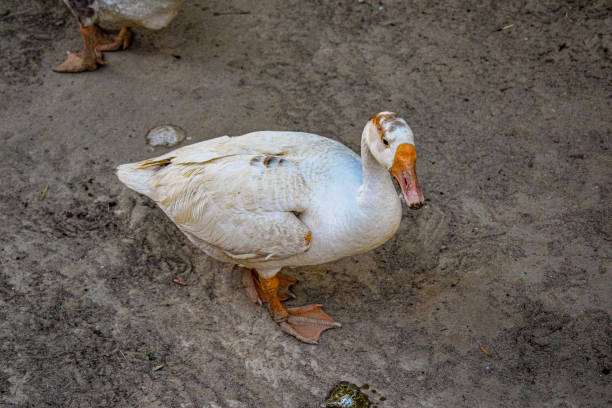
Streptococcosis in ducks is primarily caused by the bacterium Streptococcus spp., most commonly Streptococcus dysgalactiae, which is known for its ability to thrive in aquatic environments. This infectious disease can manifest in various forms, including localized and systemic infections, often resulting in significant morbidity and mortality among affected duck populations. The transmission of Streptococcus is largely facilitated through contaminated water, feed, or direct contact with infected birds. Poor sanitation in duck rearing environments further exacerbates the risk, as bacteria can easily proliferate in dirty water or bedding materials.
Environmental factors play a critical role in the transmission of this disease. Overcrowding in duck enclosures leads to increased stress levels within the flock, weakening their immune systems and making them more susceptible to infections. Additionally, fluctuations in temperature and humidity can create conditions conducive to bacterial growth. During periods of extreme weather, ducks may experience physiological stress, which can compromise their health and increase susceptibility to Streptococcosis.
Moreover, stress as a contributing factor cannot be overlooked. Events such as transportation, changes in management practices, or the introduction of new ducks into an existing flock are significant stressors. These stressors can lead to a cascade of physiological responses, ultimately impairing the ducks’ ability to combat infections effectively. The combination of these elements—contaminated environments and heightened stress—creates a perfect storm for the outbreak of Streptococcosis in a duck population.
In conclusion, understanding the intricate relationship between the causative agent, the environment, and the stressors that weaken immune responses is essential for effective management and prevention of Streptococcosis in ducks. By addressing these contributing factors, poultry keepers can significantly mitigate the risk of disease transmission and promote the overall health of their flocks. 🦆
Signs and Symptoms of Streptococcosis in Ducks
Streptococcosis in ducks manifests through a range of clinical signs that can vary depending on the stage of infection and the specific strain of Streptococcus involved. In the early stages, affected ducks often exhibit respiratory distress, characterized by difficulty breathing, rapid respiration, and the presence of mucus or pus in the nasal discharge. Swelling around the eyes and face is also a common symptom, often accompanied by excessive tearing or closed eyelids due to conjunctivitis. These signs may be mistaken for other respiratory diseases, making a detailed examination critical for an accurate diagnosis.
As the infection progresses, neurological symptoms become more pronounced. Ducks suffering from streptococcal meningitis may display uncoordinated movements, circling behavior, tremors, and seizures. In severe cases, paralysis or sudden death can occur, particularly in young and immunocompromised birds. The disease can also affect the muscular and skeletal systems, leading to lameness and arthritis. Ducks may exhibit reluctance to move, and severe cases may result in swollen joints, often with visible deformities or lameness that hinders normal activity.
Systemic infection, particularly in the later stages of Streptococcosis, leads to more severe manifestations. Affected ducks experience a noticeable decline in appetite, resulting in rapid weight loss and general lethargy. The birds often appear depressed, with drooping wings and a hunched posture. Inflammation of the internal organs can lead to severe weakness, and ducks may exhibit a greenish or yellowish drop when excreting feces. The disease can also affect the cardiovascular system, causing endocarditis, a condition in which the lining of the heart becomes inflamed, further deteriorating the bird’s health.
Additionally, the infection can lead to abscess formation in various parts of the body, including the liver, lungs, and internal organs. These abscesses can cause internal pressure and pain, contributing to the bird’s overall decline and increasing the risk of secondary bacterial infections. The presence of pus-filled nodules or swellings in the subcutaneous tissues is another indicator of systemic infection. The combination of respiratory, neurological, musculoskeletal, and systemic symptoms makes Streptococcosis a particularly challenging disease to manage, especially in commercial duck operations where rapid identification and intervention are essential to prevent widespread outbreaks and economic losses.
Duck Breeds at Particular Risk to Streptococcosis
Certain duck breeds are more susceptible to Streptococcosis due to a combination of genetic, physiological, and environmental factors. Among domestic ducks, Pekin ducks, Muscovy ducks, and Khaki Campbells exhibit varying degrees of vulnerability to this bacterial infection. Understanding the specific risks associated with each breed is crucial for effective disease management and prevention.
Pekin ducks, commonly raised for meat production, are highly susceptible to Streptococcosis. Their fast growth rate and high body mass exert physiological stress, making them more vulnerable to bacterial infections. Additionally, their short, broad bodies and heavy musculature can lead to respiratory and skeletal difficulties, which may contribute to compromised immune function. Commercial Pekin duck farms often house large numbers of ducks in confined spaces, increasing the risk of transmission through contaminated water and feed. The high stocking density exacerbates stress levels, further weakening individual immunity and facilitating bacterial spread. As a result, outbreaks of Streptococcosis in Pekin duck populations can lead to significant economic losses due to high mortality rates and reduced productivity.
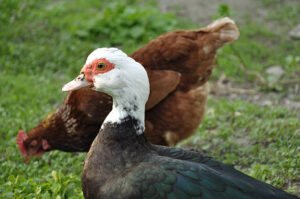
Muscovy ducks, while generally more resilient than other domestic varieties, are not entirely immune to Streptococcosis. Being a tropical and subtropical breed, Muscovies are more adapted to warm climates and have an advantageous wild ancestry that contributes to their relative disease resistance. However, their slower growth rate and unique physiology can lead to delayed development of their immune system, making them more vulnerable during early life stages. In addition, their feather structure—characterized by a lack of a dense downy layer—may increase susceptibility to environmental stressors, affecting their ability to combat bacterial infections effectively. Although less commonly affected than Pekin ducks, Muscovies still require vigilant management to prevent Streptococcosis outbreaks.
Khaki Campbell ducks, a popular breed raised for egg production, are generally more resistant to Streptococcosis than meat-type ducks. Their leaner body composition and active foraging behavior contribute to better overall health and resilience. However, commercial Khaki Campbells are often kept in high-density environments, which can increase the risk of disease transmission. Additionally, their high productivity and frequent exposure to stress due to egg-laying cycles may contribute to a weakened immune system, making them more vulnerable in certain conditions. While their resistance is relatively greater than that of Pekin ducks, proper husbandry and biosecurity measures are still essential to minimize the risk of Streptococcosis in Khaki Campbell flocks.
The susceptibility of duck breeds to Streptococcosis is influenced by a complex interplay of genetic predisposition, physiological characteristics, and environmental management practices. The genetic makeup of each breed plays a significant role in determining immune response and disease resistance. For instance, breeds with a high genetic diversity, such as Muscovy ducks, often exhibit a broader range of immune functionality, potentially offering some degree of protection. Similarly, breeds with a history of exposure to natural pathogens may have developed selective advantages that enhance their ability to fight off infections. However, modern breeding practices have led to a focus on specific traits such as rapid growth or high egg production, which can inadvertently compromise overall disease resistance.
Environmental factors, including housing conditions, water quality, and stocking density, further influence the risk of Streptococcosis in different duck breeds. Breeds raised in intensive farming systems with limited space and poor sanitation are more likely to experience outbreaks. Additionally, temperature fluctuations and inadequate ventilation can create conditions favorable for bacterial proliferation. The presence of stressors such as transportation, changes in diet, or inadequate nutrition can further weaken the birds’ immune defenses, increasing the likelihood of infection. For example, undernourished ducks, regardless of their genetic background, are more likely to succumb to Streptococcosis due to compromised immune systems.
Proper management strategies tailored to the specific needs and vulnerabilities of each breed can significantly reduce the risk of Streptococcosis. For breeds with a higher susceptibility, such as Pekin ducks, maintaining optimal living conditions and implementing strict biosecurity measures are essential. Regular health monitoring, vaccination when possible, and prompt treatment of affected individuals are critical steps in preventing widespread outbreaks. Conversely, for breeds with greater resistance, such as Khaki Campbells, maintaining a balanced diet and minimizing unnecessary stress can help preserve their natural disease-fighting capabilities. In commercial duck farming, breed-specific management approaches are vital to ensuring the overall health and productivity of duck flocks while mitigating the impact of Streptococcosis.
Lifestage and Its Impact on Streptococcosis in Ducks
The susceptibility to Streptococcosis in ducks varies significantly across different life stages, with the hatchling and juvenile phases being the most vulnerable. Ducklings, particularly during the first few weeks of life, are at a high risk due to their underdeveloped immune systems. In this early stage, young ducks lack the mature immune defenses necessary to combat bacterial infections effectively, making them especially prone to Streptococcosis. The combination of immature immune function, rapid growth, and dependence on maternal antibodies leaves hatchlings in a precarious situation, significantly increasing their likelihood of infection if exposed to contaminated environments.
The consequences of Streptococcosis in hatchlings can be severe and often fatal. Due to their small size and limited ability to regulate body temperature, infected ducklings experience a rapid decline in health. Early symptoms may include respiratory distress, lethargy, and a loss of appetite. If left untreated, the condition can progress to systemic infection, leading to septicemia and organ failure. The high mortality rate among hatchlings during Streptococcosis outbreaks is a major concern for duck producers, as it results in significant economic losses and flock depletion.
In addition to hatchlings, juvenile ducks, particularly males, remain at risk during their initial months of growth. During this stage, ducks undergo rapid development, which places additional stress on their immune systems. Male ducks, in particular, grow at a faster rate than females, requiring more energy and nutrients to support muscle and body mass development. This heightened physiological demand can weaken their immune responses, making them more susceptible to bacterial infections such as Streptococcosis. Furthermore, males often exhibit behaviors that increase their exposure to pathogens, such as dominance-related injuries and territorial disputes, which can lead to secondary infections.
The outcomes for juvenile ducks affected by Streptococcosis can be equally devastating. If the infection is not promptly treated, affected individuals may experience chronic growth retardation, long-term muscle and joint damage, or neurological impairments. In some cases, surviving ducks may develop stunted growth, reduced fertility, or impaired mobility, which can significantly impact productivity in commercial duck farming. These complications underscore the importance of early diagnosis and intervention in juvenile flocks to prevent long-term health consequences and ensure optimal flock development.
The heightened vulnerability of hatchlings and juvenile ducks to Streptococcosis necessitates targeted disease management strategies. Implementing biosecurity measures, ensuring clean water and feeding environments, and minimizing stressors during these critical developmental stages are essential for reducing infection risk. Additionally, early detection through regular health monitoring allows for prompt treatment and containment, mitigating the impact of outbreaks. For duck producers, recognizing the critical role of lifestage in Streptococcosis susceptibility is vital for developing effective disease control protocols that safeguard young flocks and promote overall flock health.
Diagnosis of Streptococcosis in Ducks
Accurate diagnosis of Streptococcosis in ducks is essential to implement timely treatment and prevent the spread of the disease. Given the non-specific nature of its symptoms, which can overlap with other bacterial or viral infections, laboratory-based diagnostic methods are the most reliable for confirming the presence of Streptococcus spp. in affected birds. The most commonly used diagnostic techniques include bacterial culture, polymerase chain reaction (PCR), and serological testing.
Bacterial culture remains the traditional and definitive method for diagnosing Streptococcosis. This involves collecting samples from affected ducks, such as nasal swabs, tracheal aspirates, or fluid from abscesses, and culturing them in selective media to isolate the causative Streptococcus strain. A pure culture allows for antibiotic susceptibility testing, which is crucial for determining the most effective treatment. While bacterial culture is a gold standard, it has limitations, including the need for a well-equipped laboratory, time-consuming incubation periods, and the possibility of false-negative results due to improper sample collection or storage.
In contrast, PCR-based testing offers a more rapid and sensitive alternative for diagnosing Streptococcosis. This method detects the genetic material (DNA) of Streptococcus spp. from clinical samples such as blood, cerebrospinal fluid (for suspected meningitis), or tissue specimens. PCR is particularly useful in identifying specific Streptococcus strains and can provide results within hours, making it ideal for early and accurate detection. However, this method requires specialized equipment and expertise, making it less accessible in small-scale or remote duck farming operations.
Serological testing can also aid in the diagnosis of Streptococcosis, especially in assessing herd immunity or past exposure within a flock. This method detects antibodies produced in response to Streptococcus infection, offering insights into the presence of a recent or past outbreak. While serology is useful for epidemiological studies, it may not provide immediate confirmation of an active infection, as antibody production can persist after recovery. Therefore, serological testing is often used in conjunction with other diagnostic methods to confirm the presence of Streptococcus in the flock.
Despite the effectiveness of these diagnostic techniques, practical challenges often hinder accurate identification of Streptococcosis in ducks. Collection and transportation of samples must be done with care to prevent contamination and ensure viable bacterial cultures. Additionally, the presence of mixed infections can complicate identification, as multiple bacterial agents may be involved in an outbreak. In certain cases, the similarity of symptoms to other diseases, such as avian influenza or Pasteurellosis, can lead to misdiagnosis if proper testing is not conducted.
The limitations of available diagnostic tools also pose challenges for disease management. Cost, infrastructure, and expertise required for PCR and bacterial culture may be prohibitive for smaller duck farms. In such scenarios, farmers may rely on clinical signs and empirical treatment, which can delay proper diagnosis and lead to ineffective or inappropriate interventions. Regular health monitoring, combined with access to veterinary services, is essential to overcome these challenges and ensure accurate detection of Streptococcosis in ducks. Early and reliable diagnosis is crucial for implementing effective treatment strategies and minimizing the economic impact of the disease on duck populations.
Treatment and Management of Streptococcosis in Ducks
The treatment of Streptococcosis in ducks typically involves the use of antibiotics, supportive care, and preventive measures to manage the disease effectively and prevent further transmission within a flock. Due to the severity and rapid progression of the infection, prompt intervention is essential to minimize mortality and improve recovery rates.
Antibiotics are the primary form of treatment for Streptococcosis, with the choice of medication depending on the Streptococcus strain involved and the results of bacterial culture and sensitivity testing. Commonly prescribed antibiotics include penicillin, ampicillin, and cephalosporins such as cephalexin or cefovecin. Tetracyclines and sulphonamides are also widely used, particularly for mild to moderate infections. In cases of suspected antibiotic resistance or when rapid results are needed, enrofloxacin or other fluoroquinolones may be administered. The administration of antibiotics can be done orally, by injection, or through medicated water or feed, depending on the severity of the infection and the size of the affected flock. It is important to note that the duration of treatment should follow the veterinarian’s prescribed course to prevent the development of antibiotic-resistant strains.
In addition to antibiotic therapy, affected ducks often require supportive care to improve their chances of recovery. Supplemental hydration is critical, especially for ducks experiencing respiratory distress or systemic infection, as they may lose fluids due to fever, weakness, or reduced feed intake. Electrolyte solutions or oral rehydration agents can be administered to prevent dehydration and maintain essential bodily functions. Providing a warm, stress-free environment is also crucial, as stress can further weaken the duck’s immune response. Nutritional support, including a balanced diet with high-quality protein and vitamins, helps boost the immune system and promote healing. Ducks exhibiting severe neurological symptoms may require isolation and additional assistance with movement and feeding to prevent further complications.
Preventive measures are equally important in managing Streptococcosis and reducing the risk of future outbreaks. Immediate isolation of infected ducks is necessary to prevent the spread of the disease to healthy members of the flock. Regular veterinary monitoring for early detection of symptoms can help prevent the infection from becoming widespread. In addition, maintaining good hygiene and sanitation in housing facilities is essential to reduce bacterial contamination. This includes routine cleaning of water sources, feed troughs, and nesting areas to eliminate potential reservoirs of the pathogen.
For poultry keepers with large-scale duck populations, implementing a biosecurity protocol is vital. This includes restricting access to the breeding or rearing areas, using foot dips or hand sanitizers for entering and exiting, and ensuring that new ducks are quarantined for a minimum of two weeks before integration into the main flock. Proper ventilation in duck enclosures helps reduce humidity levels, which can otherwise create an ideal environment for bacterial proliferation. Additionally, minimizing overstocking and ensuring adequate space for all ducks can help reduce stress and lower the risk of disease transmission.
In cases where multiple outbreaks have occurred in the past, vaccination may be considered as a preventive strategy. Although vaccines specifically targeting Streptococcus in ducks are not widely available, some poultry vaccines can offer partial protection or reduce the severity of the disease. However, vaccine efficacy may vary, and proper administration is necessary to ensure optimal results.
By combining antibiotic treatment, supportive care, and preventive strategies, duck producers can significantly reduce the impact of Streptococcosis on their flocks. Prompt action and a comprehensive approach to disease management not only improve recovery rates but also help maintain overall flock health and productivity.
Prognosis and Complications of Streptococcosis in Ducks
The prognosis for Streptococcosis in ducks is highly dependent on the stage at which the infection is diagnosed and the efficacy of treatment. In the early stages, when the disease is detected promptly and appropriate antibiotic therapy is initiated, the chances of a full recovery are significantly higher. Ducks that receive early intervention, including supportive care such as hydration and nutritional supplementation, tend to show marked improvement within a few days. However, the success of treatment is contingent upon the bird’s overall health, the specific strain of Streptococcus involved, and the severity of the infection.
In contrast, the prognosis worsens as the infection progresses to advanced stages. Ducks exhibiting systemic symptoms such as septicemia, neurological dysfunction, or abscesses often have a poor outlook. The neurological complications associated with Streptococcosis, such as meningitis or encephalitis, can lead to long-term impairments or even death. Affected ducks may experience tremors, ataxia, or paralysis, necessitating close monitoring and specialized care. In these severe cases, the likelihood of full recovery diminishes, and mortality rates can be alarmingly high, particularly in hatchlings and juvenile ducks who are already more vulnerable.
Complications from Streptococcosis can further exacerbate the condition of affected ducks. Secondary infections are a significant concern, as the bacteria’s presence can create an environment conducive to opportunistic pathogens. Ducks with weakened immune systems due to the primary infection are at risk of developing additional bacterial or viral illnesses, complicating treatment and recovery. In cases where the infection leads to abscess formation, ducks may require surgical intervention to drain the pus and prevent further spread of the bacteria.
Moreover, the presence of chronic conditions can significantly impact the long-term health of ducks that survive an outbreak. Survivors may experience stunted growth, reduced fertility, and impaired mobility, which can lead to decreased productivity and economic losses for duck producers. These long-term effects are particularly pronounced in flocks where the disease was not managed effectively or where treatment was delayed.
In summary, the prognosis for Streptococcosis in ducks is a direct reflection of the timeliness of diagnosis and treatment. Early detection and intervention can lead to favorable outcomes, while delayed or inadequate management often results in severe complications and long-term health consequences. For poultry keepers, understanding these factors is essential for implementing effective disease control strategies and ensuring the well-being of their flocks.
Prevention of Streptococcosis in Ducks
Preventing Streptococcosis in ducks is essential for maintaining the health of the flock and mitigating the risk of disease transmission. Implementing robust biosecurity measures is the first line of defense against this bacterial infection. Biosecurity encompasses a range of practices aimed at preventing the introduction and spread of pathogens within a duck population. This includes restricting access to duck housing by limiting foot traffic, particularly from individuals with potential exposure to other poultry or contaminated environments. Visitors should be required to use foot dips or hand sanitizers when entering and exiting facilities to minimize the risk of introducing Streptococcus spp. Additionally, maintaining a clear separation between different duck flocks reduces the likelihood of cross-contamination, especially in commercial or large-scale farming operations.
A critical component of biosecurity is the proper management of water supply and bedding materials. Ducks are highly susceptible to Streptococcosis due to their natural inclination to spend significant time in water, making it imperative to ensure clean and uncontaminated water sources. Regular monitoring and frequent changes of water in ponds, troughs, and drinkers are necessary to eliminate the potential of bacterial proliferation. The use of water sanitizers, such as chlorine-based products or hydrogen peroxide, can further reduce the risk of contamination. Bedding materials like straw or wood shavings should be kept dry and replaced frequently to prevent the development of moist environments that foster bacterial growth.
Vaccination is another essential preventive strategy, although the availability of a specific vaccine for Streptococcus in ducks remains limited. While there are no widely accepted commercial vaccines tailored explicitly for ducks, some general poultry vaccines can offer partial protection or a reduced severity of the disease. Consulting with a veterinarian to determine the most appropriate vaccination strategy is crucial. In addition to vaccines, regular health monitoring of the flock ensures early detection of any signs of illness. This vigilance allows for prompt intervention and isolation of affected ducks before the infection can spread further.
Stress management plays a pivotal role in preventing Streptococcosis, as stress can significantly compromise the immune system of ducks. Overcrowding in housing leads to increased stress levels, making ducks more susceptible to infections. Proper space allocation should be maintained, with recommended stocking densities adhered to in order to minimize competition for resources and reduce physical interactions that can lead to injuries or weaken immune responses. Providing a well-balanced diet, clean living conditions, and a consistent environment also contribute to overall stress reduction and promote a stronger immune system in the flock.
In summary, a comprehensive approach that integrates biosecurity measures, water and bedding management, vaccination, and stress reduction is vital for the prevention of Streptococcosis in ducks. By prioritizing these practices, poultry keepers can significantly enhance the well-being of their flock and reduce the likelihood of disease outbreaks, ultimately supporting the productivity and sustainability of their operations.
Diet and Nutrition for Healthy Ducks and Disease Prevention
Proper nutrition plays a critical role in maintaining the overall health and disease resistance of ducks, particularly in preventing Streptococcosis. A well-balanced diet supports a robust immune system, ensuring that ducks can effectively combat bacterial infections such as Streptococcus. Ducks have specific nutritional requirements that must be met to maintain optimal health and productivity. The diet should include a combination of protein, carbohydrates, fats, vitamins, and minerals tailored to their developmental stage and intended purpose — whether for egg production, meat growth, or general rearing.
For optimal growth and disease prevention, duck feed should contain approximately 16–20% crude protein for commercial and laying ducks and up to 20–24% for intensive meat production. Protein sources such as soybean meal, fish meal, and legumes contribute to muscle development and immune system function. Carbohydrates, primarily in the form of grains like corn, rice, and wheat, provide energy, while essential fats from sources such as vegetable oils or fish oil aid in hormone production and nutrient absorption. In addition to these macronutrients, ducks require a range of vitamins and minerals, including vitamin A for immune health, vitamin D for calcium absorption, and zinc for tissue repair.
Hydration is equally important, as ducks rely on clean, uncontaminated water for drinking and natural bathing. A lack of sufficient water intake or exposure to contaminated sources can weaken their immune defenses and increase the risk of bacterial infections. Frequent monitoring and maintenance of water quality are essential to minimize the presence of pathogens like Streptococcus.
In addition to a well-structured diet, incorporating supplemental elements such as probiotics and prebiotics can further enhance gut health and disease resistance. Probiotics help maintain a healthy balance of beneficial bacteria in the digestive tract, reducing the likelihood of opportunistic infections. Prebiotic-rich foods such as garlic, onions, and whole grains may also support immune function and overall flock health. Ensuring that ducks receive a nutritionally complete and hygienic diet is a fundamental step in preventing Streptococcosis and promoting long-term flock well-being.
Zoonotic Risk of Streptococcosis in Ducks
Streptococcosis in ducks poses a zoonotic risk, meaning that the bacteria responsible for the disease can be transmitted to humans. The primary causative agent, Streptococcus dysgalactiae, is a gram-positive bacterium that can infect both ducks and other animals, including humans. Transmission typically occurs through direct contact with infected ducks, particularly through exposure to secretions, abscesses, or contaminated environments. Individuals working closely with ducks, such as farmers, veterinarians, and poultry processors, are at a higher risk of infection due to frequent exposure to bodily fluids and potential abrasions or cuts on the skin.
In human cases, infection with Streptococcus dysgalactiae can lead to a range of clinical manifestations, including skin and soft tissue infections, conjunctivitis, and more severe conditions such as endocarditis or septicemia, particularly in individuals with weakened immune systems. Symptoms may include localized swelling, redness, and pus formation at the site of entry, as well as fever, fatigue, and chills. Serious complications can arise if the infection spreads to vital organs, necessitating prompt medical intervention.
Preventing human exposure to Streptococcus dysgalactiae requires strict adherence to hygiene and biosecurity measures. Individuals handling ducks should wear protective clothing, including gloves and eye protection, when handling sick or deceased birds. Regular handwashing, especially after contact with birds or their environment, is essential to reduce transmission risk. Additionally, wounds should be properly cleaned and covered to prevent bacterial entry. In commercial duck farms, implementing stringent disinfection protocols, restricting access to infected areas, and ensuring proper waste management further minimize the risk of disease transmission to humans. By maintaining rigorous hygiene practices and promoting awareness of the zoonotic potential of Streptococcosis, the risk of human infection can be significantly reduced.





Add comment