
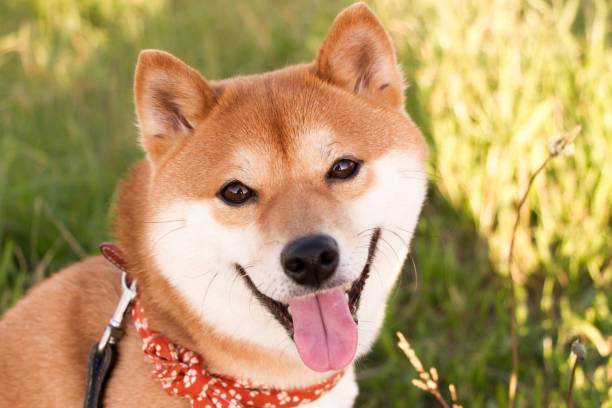
The world of canine communication is a rich tapestry of body language, vocalizations, and subtle cues. Among these, one behavior that often sparks confusion and sometimes even misinterpretation is the “submissive grin.” Far from indicating genuine happiness or amusement in the human sense, this facial contortion is a complex appeasement signal, a powerful tool dogs use to navigate social hierarchies and de-escalate potential conflict. Understanding the nuances of this behavior is crucial for fostering harmonious relationships with our canine companions and ensuring their well-being.
This comprehensive guide will delve deep into the intricacies of the submissive grin, exploring its origins, its various manifestations, the contexts in which it appears, and why it’s so frequently misunderstood by humans and even other dogs. We will unravel the evolutionary underpinnings of this signal, examine its physiological correlates, and discuss how recognizing and responding appropriately can enhance our bond with our dogs.
The Evolutionary Roots of Appeasement Signals
To truly grasp the submissive grin, we must look to the evolutionary history of dogs and their wild ancestors, primarily wolves. In the complex social structures of wolf packs, clear communication is paramount for maintaining order, coordinating hunting efforts, and preventing costly fights. Appeasement signals evolved as a sophisticated mechanism to signal deference, reduce aggression from dominant individuals, and maintain group cohesion.
Puppies, for instance, exhibit many appeasement behaviors towards adult wolves. These include licking the muzzle, lowering their body, averting their gaze, and indeed, emitting soft whimpers and a somewhat “grinning” facial expression. These actions clearly communicate, “I am not a threat; I am subordinate; please do not harm me.” This innate repertoire of appeasement behaviors is then carried into adulthood, becoming a vital part of a dog’s social toolkit.
The submissive grin, in particular, can be seen as a modified version of these ancestral behaviors. It’s a signal of low status and a desire to avoid confrontation. By displaying this “grin,” a dog is attempting to convey to another individual (dog or human) that they acknowledge the other’s dominance and pose no challenge.
Decoding the Submissive Grin: What It Looks Like
The submissive grin isn’t always a wide, toothy smile. Its appearance can vary significantly depending on the dog’s individual personality, the intensity of the situation, and the specific dog it’s directed towards. However, some common characteristics can help identify it:
- Mouth Shape: The most defining feature is the pulling back of the lips, often exposing the front teeth. This can range from a slight baring of incisors to a more pronounced “smile.”
- Lip Pouting/Curling: The lips may be slightly pulled upwards and backwards, sometimes creating a wrinkled appearance around the muzzle.
- Ear Position: Ears are typically held back or flattened against the head, indicating nervousness or submission.
- Eye Contact: The gaze is usually averted or softened. Direct, prolonged eye contact is often seen as a challenge in dog-dog communication, so a submissive dog will avoid it. Their eyes may appear “sad” or “pleading.”
- Body Posture: The dog’s overall body language will be one of appeasement. This can include:
- Lowered Body: Crouching or lowering their hindquarters.
- Tail: The tail may be tucked between the legs, held low and still, or wagged in a low, slow, or uncertain manner.
- Trembling: Shaking or trembling can accompany the grin, indicating anxiety or fear.
- Pacing: In some cases, a dog might pace nervously while exhibiting appeasement signals.
- Vocalization: While not always present, a submissive grin may be accompanied by soft whines or whimpers.
It’s crucial to distinguish the submissive grin from a genuine “play bow” or a relaxed, happy pant. A play bow involves a lowered front end with the hindquarters raised, often accompanied by excited barking or wagging. A relaxed panting dog will have a loose, open-mouthed expression with a relaxed body. The submissive grin, in contrast, is a more rigid and tense facial expression, often accompanied by signs of anxiety.
Context is King: When Does the Submissive Grin Appear?
The submissive grin is not a random act; it’s a calculated response to specific social situations. Understanding these contexts is key to correct interpretation:
- Meeting a Dominant Dog: When a dog encounters another dog that it perceives as higher in social status, or one that exhibits assertive or dominant body language, it may offer a submissive grin as an appeasement gesture. This is particularly common when a dog is meeting a new dog for the first time, or when revisiting a dog it knows to be dominant.
- Encountering a Larger or More Assertive Human: Similarly, dogs can offer submissive grins to humans they perceive as dominant, authoritative, or simply larger and more imposing. This might happen when a stranger approaches, when a new person enters the home, or even when a familiar person is adopting a more commanding posture or tone.
- Returning After Absence: A dog that has been separated from its owner or another important figure may offer a submissive grin (along with other appeasement behaviors like excited tail wags and licking) upon reunion. This signals their joy at the reunion while also acknowledging the owner’s higher status and the fact that they were left behind.
- When Being Scolded or Punished: This is a particularly important context for understanding the submissive grin. If a dog has done something that elicits a scolding or appears to be in trouble, they may offer a submissive grin as a way to de-escalate the situation and signal their understanding that they have displeased their human. This is where misinterpretation can be most damaging, as the human might see the “grin” and believe the dog is happy or unaffected by the scolding, when in reality, the dog is trying its best to calm the human down.
- Approaching a Food Resource: In households with multiple dogs, a subordinate dog might offer a submissive grin when approaching a food bowl or a prized chew toy that is guarded by a more dominant dog. This is a way of saying, “I’m not going to try and take your food,” and hoping for tolerance.
- During Rough Play (with caveats): While rough play can involve excited vocalizations and playful nipping, a dog that feels overwhelmed or is trying to de-escalate a play session that is becoming too intense may offer a submissive grin to signal submission and a desire to calm things down.
The Misunderstood Nature of the Submissive Grin
The submissive grin is arguably one of the most misinterpreted dog behaviors, primarily because it bears a superficial resemblance to a human smile, which is generally associated with happiness and friendliness. This anthropomorphism leads to several common misunderstandings:
- “My dog is smiling at me, so he’s happy!” While a dog may feel happy in the presence of their owner, a submissive grin is not a direct expression of that joy. It’s a communication signal aimed at managing social dynamics. A dog genuinely expressing happiness might wag its tail enthusiastically, offer playful nudges, or engage in relaxed panting.
- “He’s grinning, so he’s not scared/nervous.” This is a dangerous misinterpretation. The grin is a response to fear or anxiety. The dog is not “happy” about the scary situation; it’s using the grin as a coping mechanism to try and make the scary situation go away.
- “He’s grinning when I scold him, so he doesn’t care.” This is perhaps the most detrimental misunderstanding. When a dog grins during a scolding, it’s a plea for the scolding to stop. It’s saying, “I understand you’re unhappy with me, and I’m trying to appease you.” If the human interprets this as defiance or indifference, they may escalate their scolding, which can lead to increased anxiety and a damaged relationship.
- “My dog is being aggressive because he’s showing his teeth.” While showing teeth can be a sign of aggression, in the context of a submissive grin, the facial expression is different. Aggressive teeth baring is usually accompanied by stiff body posture, direct eye contact, raised hackles, growling, and a forward-leaning stance. The submissive grin is typically part of a more appeasing, lowered, and averted body language.
- Confusion with Play Biting: While both involve teeth, aggressive biting is a threat, whereas play biting is a more controlled, softer nipping that is part of a game. The submissive grin is clearly a different signal altogether.
How to Respond to a Submissive Grin
Understanding when and why your dog offers a submissive grin is the first step. The appropriate response depends heavily on the context:
- When Your Dog Grins at You:
- If you were scolding or correcting your dog: Immediately stop the scolding. Soften your tone and body language. Offer reassurance and calm praise. This shows your dog that their appeasement worked and that you are no longer a threat.
- If you were approaching your dog: Relax your approach. Avoid staring directly at them. Offer a gentle, non-threatening demeanor. You can offer a soft voice and a gentle scratch behind the ears if they seem receptive.
- During greetings after separation: Acknowledge their greeting with a warm but calm voice and gentle petting. Avoid overwhelming them with too much excitement.
- When Your Dog Grins at Another Dog:
- Interrupt the interaction if necessary: If the other dog is clearly uncomfortable or aggressive towards your grinning dog, or if your dog is showing prolonged, intense signs of distress, it’s best to calmly leash your dog and create space.
- Do not punish your dog: Never punish a dog for offering appeasement signals. This will only increase their anxiety and could lead to more problematic behaviors.
- Observe the other dog’s reaction: If the other dog responds with calm acceptance or simply ignores it, it’s a positive sign. If the other dog becomes more aggressive or anxious, it indicates they might not understand or accept the signal, and further separation might be needed.
- When Your Dog Grins at a Stranger:
- Advocate for your dog: Politely tell the stranger not to approach directly or make direct eye contact with your dog. Encourage them to ignore the dog for a moment and let the dog approach them if they feel comfortable.
- Create space: If your dog is showing intense signs of nervousness, put some distance between your dog and the stranger.
Building Trust and Reducing Anxiety
For dogs who offer frequent or intense submissive grins, it’s important to consider their overall well-being and anxiety levels. This behavior, while a natural communication tool, can sometimes indicate a dog that is generally anxious or lacking confidence.
Here are ways to help build your dog’s confidence and reduce their need for such pronounced appeasement signals:
- Positive Reinforcement Training: Focus on rewarding desired behaviors with treats, praise, and play. This builds a strong positive association with you and the learning process.
- Avoid Harsh Corrections: Never use punishment-based training methods, which can increase fear and anxiety.
- Socialization: Expose your dog to a variety of positive social experiences from a young age (in a controlled and positive manner). This helps them learn to navigate social situations with more confidence.
- Provide a Predictable Routine: Dogs thrive on routine. Knowing what to expect can reduce anxiety.
- Ensure Sufficient Exercise and Mental Stimulation: A tired dog is generally a happier and less anxious dog. Ensure they have plenty of opportunities for physical activity and engaging mental challenges.
- Recognize and Respect Their Signals: By understanding and responding appropriately to all of your dog’s body language, including the submissive grin, you build trust and strengthen your bond.
- Consult a Professional: If your dog’s submissive grinning is extreme, frequent, or accompanied by other signs of severe anxiety or fear, consider consulting a certified professional dog trainer or a veterinary behaviorist. They can help assess the underlying causes and develop a tailored behavior modification plan.
The Submissive Grin in Dog-Dog Interactions
While we often focus on the human-dog dynamic, the submissive grin plays a significant role in how dogs interact with each other. In a pack setting, it’s a vital tool for maintaining peace and order. A younger or lower-ranking dog will use it to signal respect to an older or higher-ranking dog, preventing unnecessary conflict.
However, it’s important to note that not all dogs understand or respect submissive signals equally. Some dogs, particularly those who are socially inexperienced or have bullying tendencies, may misinterpret or even exploit a submissive grin. This is why it’s crucial for owners to be vigilant during dog-dog interactions and intervene if necessary to protect their dog.
A dog that is consistently met with aggression or intimidation despite offering submissive signals may become increasingly anxious and withdrawn. This can lead to a cycle of fear-based behaviors.
Beyond the Grin: Other Appeasement Signals
The submissive grin is just one piece of the appeasement puzzle. Dogs use a variety of other signals to communicate de-escalation and submission, often in conjunction with the grin:
- Lip Licking: A quick flick of the tongue to the lips, often accompanied by a widening of the eyes.
- Yawning: Can be a sign of stress or appeasement, particularly when not tired.
- Whale Eye: The whites of the eyes become visible as the dog turns its head away but keeps its eyes on what it perceives as a threat.
- Lowering the Head and Body: Creating a smaller, less threatening profile.
- Tucked Tail: A clear indicator of fear or submission.
- Rolling onto the Back: Exposing the vulnerable belly is the ultimate sign of submission and trust.
- Freezing: Becoming still, often as a way to avoid drawing attention or provoking a reaction.
- Play Bows (as a de-escalation tool): While often associated with play, a tentative play bow can also be used to diffuse tension.
Understanding these signals in conjunction with the submissive grin provides a more complete picture of your dog’s emotional state and intentions.
The Importance of Observation and Empathy
Ultimately, understanding the submissive grin requires moving beyond anthropomorphism and embracing accurate observation and empathy. Instead of projecting human emotions onto our dogs, we need to learn their language. When your dog offers a submissive grin, try to step into their paws for a moment. What might they be feeling? What situation are they trying to navigate?
By paying close attention to their entire body language and the context of the situation, you can accurately interpret their signals and respond in a way that fosters trust, security, and a deeper understanding between you and your canine companion. The submissive grin, when understood, becomes a testament to the complex and sophisticated communication system that allows dogs to navigate their social world and form strong bonds with those they trust. It is a signal that, far from being a simple smile, speaks volumes about a dog’s desire for peace and connection.
#dogbehavior #submissivegrin #caninecommunication #dogbodylanguage #dogtraining #understandingdogs #dogwelfare #doglover #doglife #caninebehavior #dogcommunication #appeasementsignals #doganxiety #fearfuldogs #positivereinforcement #dogtips #dogfacts #dogeducation #animalbehavior #canineethology #dogsofig #dogsofinstagram #instadog #dogcare #dogadvice #doghealth #smartdogs #dogtrainingtips #dogcommunity






Add comment