
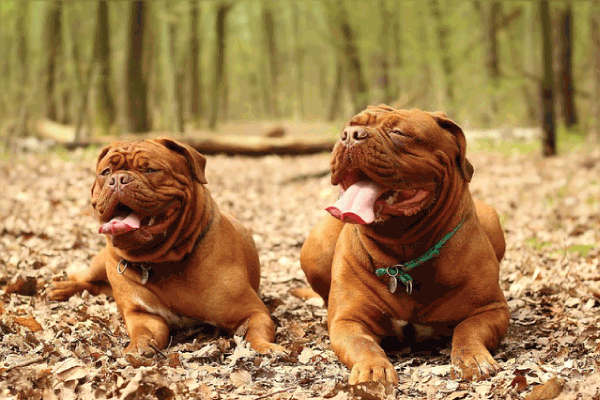
This is a fantastic topic! Summer brings unique challenges for our canine companions, and proper grooming is essential for their health, comfort, and safety. Here’s a comprehensive and elaborate guide on keeping dogs cool, trimmed, and tick-free during the summer months:
Summer Grooming: Keeping Dogs Cool, Trimmed, and Tick-Free
Summer is a time for fun and outdoor adventures with our dogs. However, the rising temperatures, increased humidity, and presence of parasites can pose significant risks to their well-being. A proactive and thorough grooming approach is crucial to ensure your furry friend enjoys the season safely and comfortably.
I. Keeping Dogs Cool: Beyond Just a Haircut
While a shorter coat can help, cooling your dog goes far beyond just trimming their fur. It involves managing their body temperature internally and externally.
A. Coat Management for Heat Dissipation:
- The Right Trim: Not All Dogs Need a Shave!
- Double-Coated Breeds (e.g., Huskies, German Shepherds, Golden Retrievers): These breeds have a protective undercoat designed to insulate them from both heat and cold. Shaving them can disrupt this system, leading to sunburn and making them more susceptible to heatstroke by exposing their skin directly to the sun. Instead of shaving, focus on regular brushing to remove loose undercoat (see Section II).
- Single-Coated Breeds (e.g., Poodles, Bichons Frise, Schnauzers): These breeds benefit more from a shorter trim. A summer cut can significantly help them stay cooler.
- Long-Coated Breeds (e.g., Afghan Hounds, Shih Tzus): Regular trimming to a manageable length is essential to prevent matting, which traps heat and moisture.
- Consider a “Cooling Cut”: For many breeds, a slightly shorter, well-maintained coat is ideal. This allows for air circulation without completely stripping the natural insulation. Consult with your groomer about the best cut for your dog’s breed and coat type.
- Brushing: The Underrated Cooling Technique
- Daily Brushing: Especially for double-coated breeds, daily brushing is paramount. It removes the dense, insulating undercoat that traps heat, allowing cooler air to reach the skin.
- Tools Matter: Use appropriate tools like slicker brushes, undercoat rakes, and de-shedding tools.
- Benefits: Reduces shedding, prevents matting (which traps heat and moisture), and improves air circulation to the skin.
B. Direct Cooling Methods:
- Hydration is Key:
- Constant Access to Fresh Water: Ensure your dog always has access to clean, cool water, especially when outdoors.
- Portable Water Bowls: Invest in a collapsible water bowl for walks and outings.
- Adding Ice Cubes: Adding a few ice cubes to their water bowl can help keep it cool and entice them to drink.
- Hydrating Treats: Watermelon (seeds and rind removed), cucumber, and other high-water-content fruits and vegetables can provide hydration and a refreshing snack.
- Cooling Accessories & Gear:
- Cooling Mats: These mats don’t require refrigeration and work by absorbing and dissipating body heat.
- Cooling Vests/Bandanas: These can be soaked in water and provide evaporative cooling as the water evaporates.
- Spritzing with Water: A gentle mist of cool water on their fur, especially their belly and groin area, can help them cool down. Avoid spraying directly into their face or ears.
- Environmental Management:
- Shade, Shade, Shade: Never leave your dog unattended in a parked car, even for a few minutes. Seek out shady spots during walks and outdoor activities.
- Indoor Cooling: Provide access to cool, air-conditioned rooms. Use fans to circulate air.
- Avoid Peak Heat: Schedule walks and exercise for cooler parts of the day (early morning and late evening).
- Paw Protection:
- Hot Pavement: Pavement can reach dangerous temperatures, burning paw pads. Test the pavement with your hand; if it’s too hot for you, it’s too hot for your dog. Stick to grass or shaded areas.
- Paw Balm: While not a direct cooling method, keeping paw pads moisturized can prevent cracking and irritation, making them more resilient.
II. Keeping Trimmed: Precision and Purpose
Beyond just length, the type of trim and its maintenance are crucial for summer comfort and health.
A. Realistic Expectations for Trims:
- Breed-Specific Needs: As mentioned, not all breeds benefit from being shaved. Understand your dog’s coat type and its purpose.
- “Summer Cut” Nuances: A “summer cut” doesn’t have to mean a buzz cut. It can involve simply tidying up longer fur, removing excess bulk, and ensuring the coat is even for better air circulation.
- Hygiene Areas: Regardless of the overall cut, it’s vital to keep the fur around the sanitary areas (underbelly, rear end) trimmed short to prevent matting and potential issues with urine and feces.
B. Brushing Techniques for Maximum Benefit:
- De-Shedding: This is arguably the most important grooming task for double-coated breeds in summer. Use specialized de-shedding tools (e.g., Furminator, undercoat rakes) to remove loose dead hair from the undercoat. This allows new, healthy hair to grow and improves airflow.
- Preventing Matting: Mats trap heat, moisture, and dirt, creating a breeding ground for bacteria and skin infections. Regular brushing, especially in prone areas like behind the ears, armpits, and groin, prevents mats from forming.
- Establishing a Routine: Consistency is key. Even a quick daily brush can make a significant difference.
C. Professional Grooming Considerations:
- Frequency: You might need to increase the frequency of professional grooming appointments during the summer months, especially for breeds requiring regular trims.
- Communicate with Your Groomer: Discuss your dog’s specific needs for the summer. Tell them if your dog is particularly sensitive to heat or prone to skin issues.
- Cooling Shampoos and Conditioners: Ask your groomer about specialized shampoos and conditioners that can help cool the skin and soothe any irritations.
- Ear Cleaning: Summer humidity and water exposure (swimming) can increase the risk of ear infections. Regular ear cleaning is vital.
III. Keeping Tick-Free: Vigilance and Prevention
Summer is prime time for ticks, which can transmit serious diseases like Lyme disease, Rocky Mountain Spotted Fever, and Anaplasmosis. Proactive tick prevention and removal are non-negotiable.
A. Tick Prevention Strategies:
- Veterinarian-Prescribed Preventatives:
- Topical Treatments: Applied to the skin, usually between the shoulder blades.
- Oral Medications: Chewable tablets that are highly effective.
- Flea and Tick Collars: Some collars offer long-lasting protection.
- Discuss Options: Consult your veterinarian to determine the safest and most effective preventative for your dog’s age, breed, lifestyle, and geographic location.
- Year-Round Protection: Many veterinarians recommend year-round tick preventatives, as ticks can be active even in milder winter months.
- Environmental Management:
- Yard Maintenance: Keep your lawn mowed and trim tall grass and brush where ticks often hide.
- Avoid High-Risk Areas: Be mindful of areas known to have high tick populations, such as tall grasses, wooded areas, and brushy fields.
B. The Grooming Routine for Tick Detection:
- Pre- and Post-Adventure Checks:
- Before Going Out: Briefly inspect your dog for any ticks, especially if you’re entering a known tick-prone area.
- After Outdoor Activities: This is crucial. Dedicate time after every walk, hike, or playtime in grassy or wooded areas to perform a thorough tick check.
- The Thorough Tick Search:
- Systematic Approach: Work your way through your dog’s entire body, section by section.
- Key Areas: Pay close attention to:
- Ears: Inside and outside, including the ear canal.
- Neck and Collar Area: Ticks often hide here.
- Armpits and Groin: These warm, moist areas are tick magnets.
- Between Toes and Paw Pads: Ticks can burrow here.
- Under the Tail and Around the Genitals.
- Eyes and Eyelids.
- Mouth and Gums (carefully!).
- Feel for Lumps: Run your hands over your dog’s body, feeling for any small bumps or lumps, especially if they have a dense coat.
- Brushing as a Tick Detector:
- During Brushing Sessions: As you brush your dog, use the opportunity to actively look for ticks. Brushing can help dislodge some ticks and expose others.
- Comb Through Fur: Use a fine-toothed comb to run through their fur, especially in areas they can’t easily reach or that are prone to hiding ticks.
C. Proper Tick Removal:
- Use Fine-Tipped Tweezers: Do not use your fingers.
- Grasp Close to the Skin: Get as close to your dog’s skin as possible without pinching.
- Pull Upward Steadily: Pull straight upward with even pressure. Do not twist or jerk. The goal is to remove the entire tick, including the head.
- Don’t Crush the Tick: Avoid squeezing or crushing the tick’s body, as this can inject its blood into your dog.
- Dispose of the Tick Safely:
- Submerge in Rubbing Alcohol: This kills the tick.
- Flush Down the Toilet: Another effective method.
- Do NOT crush the tick with your fingers.
- Clean the Bite Area: After removing the tick, clean the bite area on your dog with antiseptic.
- Wash Your Hands: Thoroughly wash your hands with soap and water.
- Monitor the Bite Site: Keep an eye on the bite area for any signs of infection (redness, swelling, discharge) or irritation.
- When to See the Vet: If you can’t remove the tick’s head, if the area becomes infected, or if your dog shows any signs of illness (lethargy, fever, loss of appetite), contact your veterinarian.
IV. Additional Summer Grooming Tips:
- Bathing Frequency: While not directly a “trimming” aspect, bathing can help remove allergens and dirt that can irritate the skin in warmer weather. Use a mild, dog-specific shampoo. Avoid over-bathing, which can strip natural oils.
- Soothe Sunburn: If your dog does get sunburned on their nose or ear tips, apply a soothing aloe vera gel (ensure it’s pet-safe and doesn’t contain any additives).
- Eye Care: Wipe away any discharge from your dog’s eyes regularly, especially if they spend a lot of time outdoors.
- Nail Trims: Keep nails trimmed to a comfortable length. Overgrown nails can cause discomfort and affect gait.
Conclusion:
Summer grooming for your dog is a multi-faceted approach that prioritizes their comfort, health, and safety. By understanding their coat’s needs, implementing effective cooling strategies, and remaining vigilant about tick prevention, you can ensure your canine companion has a happy, healthy, and enjoyable summer. A well-groomed dog is a more comfortable and less vulnerable dog. Always consult your veterinarian or a professional groomer if you have any concerns or specific questions about your dog’s grooming needs.
===============
#SummerGrooming #DogGrooming #CoolDogs #DogHaircut #TickPrevention #ParasiteControl #SummerPetCare #DogHealth #CanineHygiene #HeatstrokePrevention #PetOwners #DogLovers #SummerSafety #HappyDog #GroomingTips







Add comment