
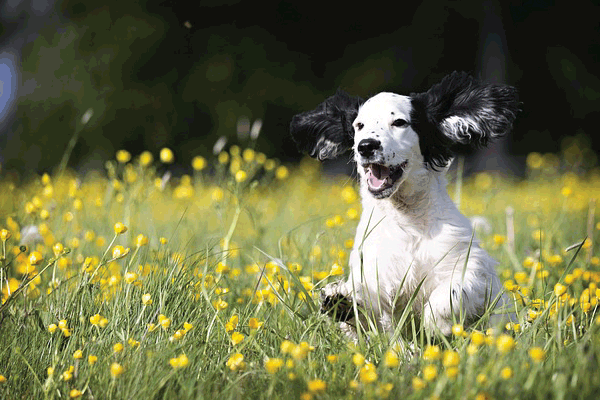
The sun, a symbol of warmth, joy, and outdoor adventures, is often irresistibly enticing for both humans and their beloved canine companions. Picture it: a golden retriever frolicking in a sun-drenched field, a chihuahua basking blissfully on a warm patio, or a playful spaniel chasing waves under a clear sky. For most dogs, the sun is a source of delight, providing warmth and stimulating the senses. However, for a notable segment of the canine population, the very rays that bring so much joy can also trigger a painful, recurrent, and potentially severe condition known as sun allergy.
While the term “sun allergy” might conjure images of human sunburns, in dogs, it encompasses a more complex spectrum of reactions, medically termed photodermatitis or photosensitivity. This isn’t just a simple sunburn; it’s an adverse, often immune-mediated, reaction of the skin to ultraviolet (UV) radiation, leading to inflammation, discomfort, and a host of other dermatological issues. Unrecognized and unmanaged, sun allergies can significantly diminish a dog’s quality of life, leading to chronic pain, secondary infections, and, in severe cases, even an increased risk of skin cancer.
As responsible pet parents, understanding the nuances of canine photodermatitis is paramount. This comprehensive guide aims to arm you with the knowledge needed to identify, diagnose, treat, and most importantly, prevent the devastating effects of sun allergies in your dog. From deciphering the science behind UV reactions to implementing practical sun protection strategies, we will navigate every aspect of this challenging condition, ensuring your furry friend can enjoy their life to the fullest, safely under the sun or, more appropriately, in its shade.
Understanding Canine Photodermatitis: More Than Just a Sunburn
To truly grasp what a “sun allergy” in dogs entails, it’s essential to move beyond the simplistic notion of a human-like sunburn. While a sunburn is an immediate, direct damage to skin cells from excessive UV exposure, photodermatitis is a more intricate adverse reaction.
What is Photodermatitis? At its core, photodermatitis is an inflammatory skin condition triggered or exacerbated by exposure to ultraviolet (UV) radiation, specifically UVA and UVB rays. The term “photosensitivity” is often used interchangeably and refers to an increased sensitivity of the skin to light. Unlike a typical allergy, which often involves an IgE-mediated immune response to an allergen, photodermatitis can arise through several mechanisms, some involving the immune system directly reacting to UV-altered skin components, and others involving the activation of sensitizing substances within or on the skin.
When UV light interacts with the skin of a photosensitive dog, it can cause damage to various cellular components or activate specific molecules that become toxic or immunogenic upon light exposure. This cascade of events leads to the release of inflammatory mediators, resulting in the characteristic redness, itching, and discomfort associated with the condition.
The Spectrum of Photosensitivity: It’s crucial to understand that canine photosensitivity isn’t a monolithic condition. It can manifest in different forms, broadly categorized into:
- Primary Photodermatitis (Idiopathic): This is what most people refer to when they talk about a “sun allergy.” In these cases, there is no identifiable underlying cause or sensitizing agent. The dog’s immune system appears to react abnormally to UV light itself, treating sun-altered skin components as foreign invaders. It’s often thought to have a genetic predisposition, making certain breeds more susceptible. The reaction is typically confined to sun-exposed, sparsely haired, and lightly pigmented areas.
- Secondary Photosensitivity: This form arises when a photosensitizing agent is present in the skin, making it abnormally reactive to UV light. These agents absorb UV radiation and then, through a series of chemical reactions, release energy that damages surrounding cells, leading to inflammation and skin lesions. The sources of these sensitizing agents are diverse and can include:
- Internal (Systemic) Photosensitizers: Substances ingested or absorbed into the bloodstream that accumulate in the skin.
- Certain Medications: Antibiotics (e.g., tetracyclines, sulfonamides), non-steroidal anti-inflammatory drugs (NSAIDs), diuretics, phenothiazine tranquilizers, and antifungals can all cause drug-induced photosensitivity.
- Plant-derived compounds: While more common in livestock, some plants like St. John’s Wort (Hypericum perforatum), clovers, and buckwheat contain furanocoumarins or other phototoxins that, if ingested, can cause photosensitivity.
- Hepatic Disease: Impaired liver function can prevent the normal breakdown and excretion of phylloerythrin, a phototoxic byproduct of chlorophyll digestion. When phylloerythrin accumulates in the body, it makes the skin highly susceptible to sun damage.
- Porphyria: A rare genetic metabolic disorder where porphyrins (compounds involved in hemoglobin synthesis) accumulate in the body and skin, becoming phototoxic upon UV exposure.
- External (Contact) Photosensitizers: Substances applied directly to the skin.
- Topical medications: Some medicated shampoos, ointments, or even flea and tick preventatives.
- Cosmetics or chemicals: Dyes, fragrances, certain essential oils, or even some cleaning agents if they come into contact with the skin and are then exposed to sun.
- Exacerbation of Autoimmune Diseases: Conditions like Systemic Lupus Erythematosus (SLE) or Discoid Lupus Erythematosus (DLE) are often aggravated by UV exposure, leading to flare-ups of their characteristic skin lesions. In these cases, the sun isn’t the primary cause but acts as a trigger or intensifier.
- Internal (Systemic) Photosensitizers: Substances ingested or absorbed into the bloodstream that accumulate in the skin.
Understanding this distinction is critical for diagnosis and treatment, as managing secondary photosensitivity often involves identifying and eliminating the underlying sensitizing agent.
Breeds at Higher Risk: Identifying Vulnerable Pups
While any dog can potentially develop photodermatitis, certain breeds and individuals are predisposed due to their coat characteristics, skin pigmentation, and genetic factors. Recognizing these predispositions can help owners be more vigilant.
Key Risk Factors:
- Thin Coats/Hairless Areas: Breeds with short, sparse coats or naturally hairless regions expose more skin directly to UV radiation.
- Light Pigmentation: White, cream, fawn, piebald, or merle-patterned dogs often have less melanin in their skin. Melanin acts as a natural sunscreen, absorbing and scattering UV radiation. Less melanin means less protection.
- Genetic Predisposition: For primary photodermatitis, a genetic component is suspected in certain lines and breeds.
Breeds Frequently Affected:
- American Staffordshire Terriers & Bull Terriers: These breeds, especially those with white coats, are highly susceptible to photodermatitis, particularly on the bridge of the nose, ears, and abdomen.
- Collies & Shetland Sheepdogs: Known for their sensitivity to certain drugs (like ivermectin), some lines can also exhibit sun sensitivity, often affecting the bridge of the nose, which can sometimes be confused with or coexist with Discoid Lupus Erythematosus.
- Beagles: Their short coats and tendency for sunbathing can make them prone to abdominal and ear tip lesions.
- Dachshunds: Especially short-haired varieties, can develop sun-induced lesions on their undersides and ears.
- Whippets & Greyhounds: With their fine, sparse coats, these sighthounds often have very exposed skin, making them vulnerable.
- Boxers: White Boxers, in particular, due to their lack of pigmentation.
- Dalmatians: Another white-coated breed susceptible to sun-induced skin issues.
- Poodles: Especially those with shaved areas or light coats.
- Chinese Crested & Xoloitzcuintli: As hairless breeds, they require constant sun protection.
It’s not just breed, but also individual characteristics. Any dog with a shaved patch (e.g., after surgery), scars, or areas of hair loss will have unprotected skin that is more vulnerable. Owners of these at-risk dogs should be extra diligent in implementing sun protection strategies.
Recognizing the Signs and Symptoms: What to Look For
Early detection is crucial for managing sun allergies effectively. The symptoms typically appear on sparsely haired, lightly pigmented, or completely hairless areas that are directly exposed to the sun. The severity can range from mild irritation to severe, painful lesions.
Commonly Affected Areas:
- Bridge of the nose (nasal planum): A very common site, as it’s often light-colored and directly exposed.
- Ear tips and margins: Often thin-skinned and lightly pigmented.
- Around the eyes: Especially on the eyelids or surrounding skin, particularly if the fur is thin.
- Abdomen and groin: Especially when dogs lie on their backs or sides, exposing their sparsely haired undersides.
- Inner thighs: Similar to the abdomen.
- Back and topline: If the coat is very thin or sparse, or if the dog is shaved.
Signs and Symptoms to Watch For:
- Initial/Mild Signs:
- Redness (Erythema): The skin in affected areas appears pink or red, similar to a human sunburn.
- Itching (Pruritus): The dog may frequently scratch, lick, or rub the affected areas.
- Warmth to the touch: The inflamed skin may feel warmer than surrounding skin.
- Slight Swelling: Mild puffiness.
- Progressive/Moderate Signs:
- Papules and Pustules: Small, red bumps or pus-filled lesions may develop, indicating inflammation or secondary infection.
- Vesicles and Bullae: Small blisters (vesicles) or larger fluid-filled blisters (bullae) can form, which may rupture and weep.
- Crusting and Scaling: As lesions heal or become chronic, dry, flaky skin or thick crusts may form.
- Hair Loss (Alopecia): Hair may thin or fall out in the affected areas due to chronic inflammation, scratching, or direct follicle damage.
- Skin Thickening (Lichenification): With persistent irritation and inflammation, the skin can become thick, leathery, and hyperpigmented (darkened).
- Erosions and Ulcerations: Open sores or shallow defects in the skin can develop, which are painful and prone to secondary bacterial infections.
- Scabbing: Formed over healing ulcers or raw areas.
- Behavioral Changes:
- Restlessness or Irritability: Due to discomfort.
- Reluctance to go outside: Especially during sunny hours, if the dog associates sun exposure with pain.
- Excessive grooming: Licking, chewing, or scratching at the affected areas.
- Lethargy: In severe cases, pain and widespread inflammation can lead to a general lack of energy.
Seasonal Pattern: The symptoms often follow a clear seasonal pattern, worsening in spring and summer when UV intensity is highest, and improving in autumn and winter or with strict sun avoidance. However, UV radiation is present year-round, and intense reflection from snow or high altitudes can also trigger reactions outside of summer.
Distinguishing from Other Conditions: Many skin conditions can mimic sun allergy. It’s crucial for a veterinarian to differentiate photodermatitis from:
- Allergic Dermatitis: Environmental allergies (atopy), flea allergies, or food allergies can cause widespread itching, redness, and inflammation.
- Bacterial or Fungal Infections: Pyoderma (bacterial skin infection) or ringworm (fungal infection) can cause redness, pustules, crusts, and hair loss.
- Parasitic Infestations: Mites (e.g., Sarcoptes, Demodex) can cause intense itching, redness, and hair loss, often in specific patterns.
- Autoimmune Diseases: Discoid Lupus Erythematosus (DLE) specifically affects the nose, often causing depigmentation, crusting, and ulceration. Systemic Lupus Erythematosus (SLE) can have diverse skin manifestations.
- Pemphigus Foliaceus: Another autoimmune skin disease causing crusting and erosions. A veterinarian will need to conduct diagnostic tests to confirm the diagnosis and rule out these other possibilities.
Diagnosis: How Vets Confirm Sun Allergy
Diagnosing sun allergy in dogs is a process of elimination and confirmation, often starting with a detailed history and physical examination, followed by specific tests to rule out other conditions and ultimately confirm photodermatitis.
1. Detailed History: The veterinary consultation will begin with a thorough discussion about your dog’s symptoms, including:
- Onset and Progression: When did you first notice the signs? How have they changed?
- Seasonality: Do the symptoms worsen at specific times of the year (e.g., summer)? Do they improve in winter or with sun avoidance? This is a key indicator.
- Sun Exposure: How much time does your dog spend outdoors? What hours? Where do they typically sunbathe?
- Medications: Is your dog currently on any medications, or have they recently taken any? This helps identify potential drug-induced photosensitivity.
- Diet: Any recent changes in diet or supplements? (Though less common for photodermatitis).
- Other Symptoms: Any signs of systemic illness (lethargy, decreased appetite, vomiting, diarrhea) that might point to an underlying liver disease or autoimmune condition.
- Breed Predisposition: The vet will consider if your dog’s breed is known to be at higher risk.
2. Physical Examination: The vet will conduct a comprehensive physical exam, paying close attention to the skin:
- Lesion Distribution: Crucially, the vet will observe if the lesions are confined to sun-exposed, sparsely haired, and lightly pigmented areas. This distribution pattern is highly suggestive of photodermatitis.
- Type of Lesions: Documenting redness, itching, papules, pustules, crusts, erosions, ulcers, hair loss, and skin thickening.
- Overall Health: Assessing for any other signs of illness.
3. Exclusion of Other Conditions (Differential Diagnoses): Given the varied nature of skin conditions, ruling out other possibilities is a vital step.
- Skin Scrapes: To check for parasitic mites (e.g., Sarcoptes, Demodex).
- Fungal Cultures: To rule out dermatophytosis (ringworm).
- Cytology: Microscopic examination of skin cells (collected via tape impression or swab) to identify secondary bacterial or yeast infections.
- Allergy Testing: If general allergic dermatitis is suspected, intradermal skin testing or blood tests for environmental or food allergens may be recommended.
- Bloodwork (Complete Blood Count, Biochemistry Panel): To assess general health, check for signs of systemic inflammation, and evaluate organ function, especially liver enzymes, to rule out hepatic disease as a cause of secondary photosensitivity.
- Urinalysis: To check kidney function and rule out other systemic issues.
4. Skin Biopsy and Histopathology: This is often the definitive diagnostic tool for photodermatitis.
- Procedure: A small sample of affected skin is surgically removed (under local or general anesthesia) and sent to a veterinary pathologist.
- Histopathology: The pathologist examines the tissue under a microscope. Photodermatitis has characteristic microscopic features, including inflammation in the superficial layers of the skin, damage to keratinocytes (skin cells), and sometimes changes in collagen.
- Immunohistochemistry/Direct Immunofluorescence: If an autoimmune disease like lupus is suspected, special staining techniques can be used on the biopsy sample to detect immune complexes in the skin.
5. Therapeutic Trial (Sun Avoidance Test): While not always practical or definitive on its own, a therapeutic trial can strongly support a diagnosis.
- Method: Strict sun avoidance is implemented for several weeks.
- Observation: If the lesions significantly improve or resolve completely during this period, and then flare up again upon careful, controlled re-exposure to sun (which must be done cautiously to avoid severe reactions), it strongly indicates photosensitivity. This method is often combined with other diagnostic findings.
A precise diagnosis is the foundation of effective management. It differentiates true photodermatitis from other skin conditions that might require entirely different treatment approaches, and importantly, it identifies any underlying systemic causes of photosensitivity that must be addressed.
Treatment and Management Strategies: A Multi-faceted Approach
Managing sun allergies in dogs requires a comprehensive, multi-faceted approach centered on prevention, immediate relief during flare-ups, and long-term strategies. The goal is not just to treat symptoms but to protect the dog from future harm and improve their overall quality of life.
A. Sun Avoidance: The Cornerstone of Treatment
This is the single most critical aspect of managing canine photodermatitis. If the trigger is UV light, the primary solution is to reduce exposure.
- Timing is Key: Avoid taking your dog outside during peak UV hours, typically between 10 AM and 4 PM. This is when UV radiation is strongest. Plan walks, playtime, and potty breaks for early mornings or late evenings.
- Provide Ample Shade: When outdoors, ensure your dog always has access to shaded areas. This could be trees, awnings, umbrellas, or a covered patio. Never leave a photosensitive dog in direct sunlight unattended.
- Indoor Time: During peak hours, keep your dog indoors. If they love to sunbathe indoors near windows, consider applying UV-blocking window films, as regular glass may block UVB but allows UVA to penetrate.
- Protective Gear:
- Dog-Safe Sunscreen: This is essential for exposed, thinly haired, or lightly pigmented areas.
- Important Caveat: Never use human sunscreens containing zinc oxide, PABA, or salicylates (aspirin-related compounds), as these are toxic if ingested by dogs (which is highly likely as dogs tend to lick themselves).
- Look for: Pet-specific sunscreens that are titanium dioxide-based, fragrance-free, PABA-free, and ideally, lick-safe. Apply liberally to the bridge of the nose, ear tips, around the eyes, belly, and inner thighs. Reapply every 2-4 hours, especially after swimming or heavy activity.
- UV Protective Clothing: Lightweight, breathable shirts, vests, or full-body suits designed for dogs can provide excellent physical barriers against UV rays. Look for clothing with an Ultraviolet Protection Factor (UPF) rating.
- Hats/Visors: For dogs sensitive on the face or nose, specialized dog hats or visors can offer additional protection.
- Doggles (Dog Goggles): If the eyes or surrounding skin are particularly affected, Doggles can provide critical UV protection.
- Dog-Safe Sunscreen: This is essential for exposed, thinly haired, or lightly pigmented areas.
B. Medical Management of Acute Flare-ups
When a dog experiences a sun allergy flare-up, immediate medical intervention focuses on reducing inflammation, alleviating discomfort, and preventing secondary infections.
- Corticosteroids:
- Oral (e.g., Prednisone): For systemic inflammation, redness, and itching, oral corticosteroids are often prescribed. They are powerful anti-inflammatory agents but require careful dosing and tapering, and long-term use can have side effects.
- Topical (e.g., Hydrocortisone Cream): For localized lesions, veterinary-prescribed topical corticosteroid creams or ointments can reduce inflammation and itching. Ensure they are pet-safe and applied as directed to prevent ingestion.
- Antihistamines: While generally less effective for severe inflammation associated with photodermatitis compared to steroids, some antihistamines (e.g., diphenhydramine, cetirizine, hydroxyzine) can help reduce itching for milder cases or as an adjunctive therapy. Always consult your vet for appropriate dosage.
- Antibiotics: Secondary bacterial infections are common complications of skin damage and itching. If bacterial pyoderma is present (indicated by pustules, pus, severe crusting, or odor), oral antibiotics or antibacterial topical treatments will be prescribed.
- Pain Relievers (NSAIDs): If the lesions are particularly painful, a veterinarian may prescribe a dog-specific Non-Steroidal Anti-Inflammatory Drug (NSAID) like carprofen or meloxicam to manage pain and further reduce inflammation.
C. Long-term Management and Prevention
Beyond acute treatment, long-term strategies are crucial to minimize recurrence and support skin health.
- Dietary Supplements:
- Omega-3 Fatty Acids (EPA/DHA): Fish oil supplements are potent anti-inflammatory agents that can help improve skin barrier function, reduce redness, and potentially mitigate the immune response to UV light. They are a cornerstone of dermatological support.
- Vitamin E: An antioxidant that protects cells from oxidative damage, including that caused by UV radiation. It can support skin health.
- Beta-carotene: A precursor to Vitamin A and an antioxidant, it may offer some photoprotective effects, although more research is needed specifically for canine photodermatitis.
- Immunomodulators (for severe, unresponsive cases): For dogs with severe primary photodermatitis that don’t respond adequately to sun avoidance and corticosteroids, or for whom long-term steroid use is problematic, stronger immunomodulating drugs may be considered. These typically require specialist veterinary supervision.
- Cyclosporine (Atopica): An immunosuppressant that can be effective but has potential side effects and requires careful monitoring.
- Azathioprine or Mycophenolate Mofetil: Other immunosuppressants used in refractory cases or when autoimmune conditions are involved.
- Topical Treatments for Skin Health:
- Medicated Shampoos: Hypoallergenic, oatmeal-based, or soothing shampoos can help calm irritated skin, remove crusts, and moisturize. Some medicated shampoos may contain antiseptic ingredients for secondary infections.
- Emollients and Moisturizers: Non-irritating, pet-safe lotions or sprays can help keep the skin hydrated and support the skin barrier, especially in chronically affected areas.
- Aloe Vera: Pure, pet-safe aloe vera gel can have soothing and healing properties for mild skin irritation (ensure it’s not the whole leaf, which contains aloin, a laxative).
- Management of Underlying Conditions: If secondary photosensitivity is diagnosed, the primary focus shifts to addressing the root cause:
- Discontinuation of Photosensitizing Medications: If a drug is the culprit, the vet will switch to an alternative if possible.
- Treatment of Liver Disease: If hepatic dysfunction is causing phylloerythrin accumulation, the underlying liver condition must be managed.
- Management of Autoimmune Diseases: If lupus or another autoimmune condition is triggered by the sun, specific treatments for that disease will be implemented.
D. Environmental Modifications:
- UV-Blocking Window Films: Applying these films to windows where your dog frequently rests or sunbathes can significantly reduce indoor UV exposure.
- Outdoor Shade Structures: Consider adding pergolas, canopies, or planting shade trees in your yard to create more protected outdoor spaces.
Living with a Sun-Allergic Dog: A Holistic Approach
Living with a dog prone to sun allergies requires diligence, consistency, and a proactive mindset. It’s about creating an environment where your dog can thrive without suffering the painful consequences of UV exposure.
1. Establish a Routine and Be Consistent: Adherence to sun avoidance strategies is paramount. Make it a habit to check weather forecasts for UV index warnings, plan outdoor activities for non-peak hours, and consistently apply sunscreen and protective clothing. Consistency in medication administration and supplement routines is equally important for long-term management.
2. Regular Monitoring: Regularly inspect your dog’s skin, especially the high-risk areas (nose, ears, abdomen). Look for any new redness, bumps, crusts, or changes in existing lesions. Early detection of a flare-up allows for quicker intervention, preventing the condition from worsening. Take photos if you notice changes to show your vet.
3. Open Communication with Your Veterinarian: Your vet is your most important partner in managing sun allergy.
- Frequent Follow-ups: Attend all recommended follow-up appointments to monitor your dog’s progress and adjust treatment plans as needed.
- Report Changes: Don’t hesitate to contact your vet if you notice any new or worsening symptoms, side effects from medications, or if you have concerns about your dog’s overall well-being.
- Ask Questions: Ensure you understand the diagnosis, treatment plan, and how to properly apply medications or protective gear.
4. Ensuring Quality of Life: A sun allergy diagnosis doesn’t mean your dog can’t live a happy, fulfilling life.
- Indoor Enrichment: Provide ample indoor stimulation with toys, puzzle feeders, training sessions, and interactive play to compensate for reduced outdoor time during peak sun hours.
- Safe Outdoor Time: Maximize safe outdoor time during early mornings or late evenings when UV is less intense. Explore shaded parks or trails.
- Mental Stimulation: Keep your dog’s mind active with scent games, new tricks, or even indoor agility.
5. Educating Others: Ensure everyone who cares for your dog understands their condition and the necessary precautions. This includes family members, dog walkers, pet sitters, and boarding facility staff. Provide clear instructions regarding medications, sunscreen application, and acceptable outdoor times.
6. Seasonal and Environmental Considerations: While summer is the most obvious concern, remember that UV radiation is present year-round.
- Winter Sun: Snow can reflect up to 80% of UV rays, significantly increasing exposure. Dogs playing in snowy, sunny environments still need protection.
- Altitude: UV intensity increases with altitude, so high-elevation hikes require extra vigilance.
- Cloud Cover: Clouds block some UV, but not all. It’s still possible to get a significant dose of UV on an overcast day.
Prognosis and Potential Complications
With proper management, the prognosis for dogs with sun allergies is generally good. Most dogs can lead comfortable lives if strict sun avoidance and appropriate medical treatments are consistently applied. However, ignoring the condition or insufficient management can lead to several complications.
Prognosis:
- Primary Photodermatitis: Typically chronic, requiring lifelong management, but generally well-controlled with diligent sun avoidance and occasional symptomatic treatment.
- Secondary Photosensitivity: Prognosis depends on the underlying cause. If the sensitizing agent can be removed (e.g., stopping a medication, treating liver disease), the condition can resolve completely.
Potential Complications if Unmanaged:
- Chronic Skin Damage: Persistent inflammation can lead to irreversible skin changes, including severe lichenification (thickening and hardening of the skin), scarring, and permanent hair loss.
- Secondary Infections: Open sores, erosions, and damaged skin are prime targets for bacterial and yeast infections, leading to further pain, itching, and requiring additional antibiotic or antifungal treatments.
- Increased Risk of Skin Cancer: Chronic inflammation and repeated UV damage significantly increase the risk of developing certain types of skin cancer, particularly in white-coated or light-skinned dogs. These can include:
- Squamous Cell Carcinoma (SCC): A common, aggressive skin cancer, often seen on the nose, ear tips, and other chronically sun-damaged areas.
- Hemangiosarcoma: A malignant cancer of blood vessel lining cells, which can sometimes occur cutaneously (on the skin) in sun-exposed areas, especially on the abdomen.
- Melanoma: While less common in sun-exposed areas than in humans, it can occur.
- Pain and Discomfort: Unmanaged sun allergy is a painful condition that significantly impacts a dog’s quality of life. Chronic itching and pain can lead to behavioral issues, aggression, or depression.
- Systemic Illness: If the sun allergy is secondary to an underlying systemic disease (e.g., liver disease, lupus), failure to address the primary condition can lead to worsening overall health.
This highlights the critical importance of a proactive and consistent approach to managing sun allergies. Prevention is not just about comfort; it’s about protecting your dog from potentially life-threatening long-term complications.
Conclusion: Embracing a Sun-Safe Future for Your Dog
The diagnosis of a sun allergy in your dog can initially feel overwhelming, transforming seemingly innocuous sunny days into a source of concern. However, by understanding the intricacies of canine photodermatitis, recognizing the warning signs, seeking a precise veterinary diagnosis, and diligently implementing a comprehensive management plan, you can empower your dog to lead a full, joyful, and comfortable life.
The journey involves vigilance, commitment, and a strong partnership with your veterinarian. Sun avoidance, topical protection, medical management of flare-ups, and long-term skin support are all integral pieces of the puzzle. Remember, protecting your canine companion from the sun’s hidden dangers is not merely about preventing a rash; it’s about safeguarding their health, preventing severe complications like skin cancer, and ensuring their overall well-being.
Embrace the knowledge within this guide, become an advocate for your dog’s sun safety, and together, you can navigate the seasons with confidence, allowing your beloved furry friend to enjoy life’s many adventures, safely and comfortably, perhaps now more appreciative of a shady spot under a tree than direct sun. If you suspect your dog might suffer from a sun allergy, do not hesitate to consult your veterinarian. Early intervention is always the best pathway to a positive outcome.
#SunAllergyDogs, #CaninePhotodermatitis, #DogPhotosensitivity, #DogSkinHealth, #PetSkinCare, #DogSunProtection, #UVProtectionForDogs, #SummerDogTips, #DogAllergies, #VeterinaryDermatology, #DogHealth, #PetCare, #DogSkinIssues, #SunSafeDog, #HappyDogHealthySkin, #DogTips, #AskAVet, #PuppyCare, #DogLovers, #PreventativePetCare, #DogWellness, #SensitiveSkinDog, #WhiteDogProblems, #CanineCare, #PetParenting, #DogDermatology, #ProtectYourPet, #HealthyPaws, #DogLifeHacks, #SummerSafetyDogs, #DogRash, #LupusInDogs, #SkinCancerPreventionPets, #DogFirstAid







Add comment