
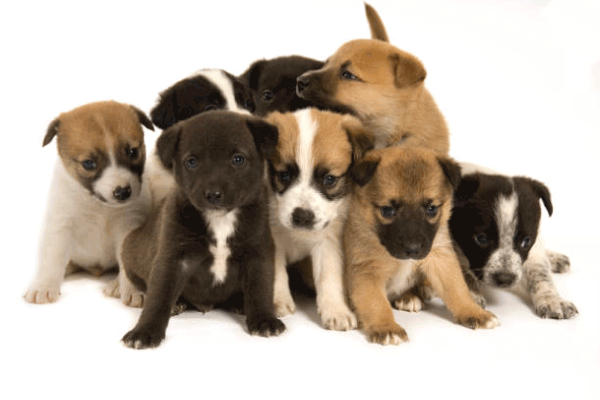
Bringing a new puppy into your life is an exciting time, filled with joy, cuddles, and a whole lot of learning. While obedience training is crucial, don’t forget the power of fun! Teaching your puppy tricks not only strengthens your bond but also provides mental stimulation, preventing boredom and potential destructive behaviors. Here’s a comprehensive guide on how to teach your puppy three crowd-pleasing tricks: Shake, Roll Over, and Play Dead.
Before You Begin: Essential Foundations
Before diving into specific tricks, ensure a few crucial elements are in place:
- Positive Reinforcement is Key: Use treats, praise, and toys your puppy loves as rewards. Never scold or punish your puppy for not understanding; instead, break down the steps further or try a different approach.
- Short, Frequent Sessions: Puppies have short attention spans. Aim for training sessions of 5-10 minutes, multiple times a day.
- Choose the Right Time: Train when your puppy is rested and moderately hungry, making them more receptive to treats. Avoid training right after a meal or when they’re overly excited or tired.
- Be Patient and Consistent: Every puppy learns at their own pace. Consistency in your commands and rewards is vital for them to understand what you’re asking.
- Manage Your Expectations: Some puppies will pick up tricks quicker than others. Celebrate small victories!
- High-Value Treats: Use small, soft, and delicious treats that your puppy absolutely adores. These are more motivating than their regular kibble.
- Quiet Environment: Start training in a calm, distraction-free area. As your puppy progresses, you can gradually introduce more stimulating environments.
- Verbal Cues and Hand Signals: Pair a clear verbal cue with a distinct hand signal for each trick. This helps reinforce the command and provides an alternative way for your puppy to understand.
Trick 1: Shake Paws
This is a classic trick that’s relatively easy for most puppies to learn.
What You’ll Need:
- High-value treats
- A quiet space
Steps:
- Get Their Attention: Have your puppy sit in front of you.
- Lure the Paw: Hold a treat in your closed fist and present it to your puppy at nose level. Most puppies will naturally try to sniff or nudge your hand.
- Reward the Lift: As soon as your puppy nudges or paws at your hand, say “Yes!” or “Good!” and immediately open your hand to give them the treat.
- Introduce the Command: Once your puppy consistently paws at your closed fist, start introducing the verbal cue “Shake” (or “Paw”) just as they begin to lift their paw.
- Target the Paw: Now, try holding your treat in an open palm. When your puppy sits, offer your open palm to them. As they reach for it, gently touch their paw.
- Encourage the Shake: The moment they lift their paw, say “Shake” and give them the treat and praise.
- Progress to a Handshake: Gradually begin to offer your hand as if you’re going to shake hands. When they place their paw in your hand, say “Shake” and reward them.
- Practice and Generalize: Once your puppy reliably shakes your hand on command, practice in different locations and with different people.
Troubleshooting:
- Puppy just licks your hand: Try holding the treat slightly higher or to the side, encouraging them to reach with their paw.
- Puppy tries to bite your hand: Ensure your treats are small and you’re not holding them too close to their mouth. Keep your movements gentle.
- Puppy won’t lift their paw: You can try gently tapping their front leg just above the paw to encourage them to lift it. Reward any movement.
Trick 2: Roll Over
This trick requires a bit more coordination and can be a fun challenge for your puppy.
What You’ll Need:
- High-value treats
- A comfortable, non-slippery surface (carpet is ideal)
Steps:
- Start with “Down”: Ensure your puppy can reliably lie down on command.
- Lure to the Side: Have your puppy lie down. Hold a treat near their nose and slowly move it towards their shoulder, encouraging them to turn their head and body. The goal is to get them to shift their weight onto one hip.
- Encourage the Roll: Once they are comfortably on their side, continue moving the treat in an arc over their back, encouraging them to follow it and roll onto their other side.
- Reward the Motion: As soon as they start to roll, say “Roll Over” and reward them for any part of the motion, even a partial roll.
- Break it Down: If your puppy struggles to complete the roll, break it down into smaller steps:
- Reward for turning onto their side.
- Reward for shifting their weight.
- Reward for starting to roll.
- Gradually increase the amount of movement required for a reward.
- Complete the Roll: Once they can consistently follow the lure and roll, reward them only when they complete the full roll.
- Fade the Lure: As your puppy understands the movement, start making the hand motion smaller and eventually phase out the treat in your hand, using only the hand signal and verbal cue.
Troubleshooting:
- Puppy just gets up: Ensure you are using a non-slippery surface and keep the lure close to their nose. If they get up, calmly guide them back into a down position.
- Puppy only rolls halfway: Reward them for the progress they make. You can try gently helping them over with your hand, but always try to encourage them to do it themselves.
- Puppy gets confused: Go back to basics. Ensure they can reliably lie down, and then focus on the lure motion to the side.
Trick 3: Play Dead
This trick builds on “Roll Over” and can be a dramatic and entertaining trick.
What You’ll Need:
- High-value treats
- A comfortable, non-slippery surface
- Your puppy’s ability to “Roll Over”
Steps:
- Start with “Roll Over”: Have your puppy perform their “Roll Over” trick as usual.
- Extend the Duration: As they complete the roll, keep the treat near them and delay giving it for a second or two. Say “Play Dead” as you hold the treat.
- Reward the Stillness: As soon as they remain still for that brief moment, give them the treat and praise.
- Gradually Increase Time: Slowly increase the duration your puppy needs to stay still before receiving the reward. Start with a second, then two, then three, and so on.
- Introduce the Cue: Once your puppy reliably stays still for a few seconds after rolling over on command, you can begin to introduce the verbal cue “Bang!” or “Play Dead!” just before they complete the roll.
- Add a Hand Signal: A common hand signal for “Play Dead” is pointing a finger like a gun. Pair this with the verbal cue.
- Fade the Lure: Gradually reduce the reliance on the treat lure and encourage them to “Play Dead” solely on your verbal cue and hand signal.
- Practice “Staying”: This trick also incorporates a “stay” element. You’ll want to practice releasing them from the “Play Dead” position with a release word like “Okay!” or “Free!”
Troubleshooting:
- Puppy gets up immediately: This means they aren’t quite understanding the “stay” component. Go back to rewarding shorter durations of stillness.
- Puppy doesn’t want to roll all the way: Ensure they are comfortable with the “Roll Over” trick first. You might need to reinforce that trick before attempting “Play Dead.”
- Puppy gets up when you say “Bang!”: This is common as they associate the sound with the end of the trick. Practice the “Bang!” cue without the full roll first, rewarding them for staying still. Then, gradually reintroduce it with the roll.
Celebrating Success and Moving Forward
Remember to end every training session on a positive note, even if it wasn’t perfect. A final successful command, a favorite toy, or a good cuddle can reinforce the positive association with training.
As your puppy masters these tricks, you can continue to expand their repertoire with more advanced commands. The key is to keep it fun, engaging, and rewarding, building a strong and trusting relationship with your furry companion. Happy training!
#puppytraining #dogtricks #teachtricks #shakeapaw #rollover #playdead #positiveforcement #dogobedience #puppylove #dogsofinstagram #instapuppy #youtubedogtraining #dogtrainingtips #caninetraining #puppylife #doglife #smartdog #cleverdogs #happydog #dogtrainer #puppytips #dogbehavior #dogcommunication #tricktraining





Add comment