
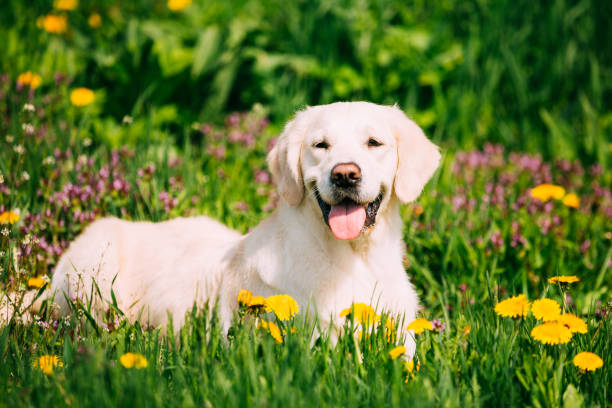
The ultimate, step‑by‑step guide for new dog owners, behaviorists, and anyone who wants a calm, confident, “on‑track” pup on a walk.
1️⃣ WHY LEASH TRAINING MATTERS
| Benefit | What It Looks Like in Real Life |
|---|---|
| Safety | Your puppy won’t dart into traffic, jump on cyclists, or chase squirrels. |
| Enjoyable Walks | Both you and your dog stay relaxed, making daily outings something you look forward to. |
| Better Social Skills | A leashed puppy learns to greet people and other dogs politely. |
| Foundation for Advanced Work | Loose‑leash walking is the base for “heel,” agility, scent work, and reliable off‑lead recall. |
| Legal Compliance | Many municipalities require dogs to be under control on public property. |
2️⃣ UNDERSTANDING PUPPY LEARNING
| Concept | Practical Takeaway |
|---|---|
| Critical Period (8‑16 weeks) | Puppies are most receptive to new skills; start early but keep sessions short. |
| Operant Conditioning | Reward what you want to see (e.g., a loose leash) and ignore or redirect the unwanted behavior (pulling). |
| Short Attention Span | 3‑5 minute “mini‑sessions” are ideal; you can fit several throughout the day. |
| Social Learning | If you have a well‑trained adult dog, let the puppy observe them on a leash. |
| Stress Signals | Yawning, lip‑licking, or a “freeze” posture = your pup is overloaded → pause or go easier. |
3️⃣ GEAR – CHOOSING THE RIGHT EQUIPMENT
| Item | Recommended Types | How to Fit It Correctly | Why It Matters |
|---|---|---|---|
| Collar | Flat nylon or leather, ½‑inch width (for small breeds) | Tight enough that two fingers slide under, but not choking. | Good for identification tags, but not ideal for pulling. |
| Harness | Front‑clip “no‑pull” (e.g., Ruffwear Front Range, Freedom) or a chest‑walk harness. | Adjust all rings; check that you can slip a hand under the chest strap. | Distributes pressure across the chest, preventing neck injury. |
| Leash | 4‑6 ft (1.2‑1.8 m) standard, 1‑1.5 lb (0.5‑0.7 kg) weight, braided or nylon. | No retractors for training; a solid feel gives better feedback. | Gives you control without encouraging pulling. |
| Treat Bag / Pouch | Small, zip‑closed, with a quick‑access pocket. | Keep it on the side of your leg, not swinging. | Keeps high‑value treats within reach for timely rewards. |
| Clicker (optional) | Standard plastic clicker or a “marker” word (“Yes!”). | Load with a clicker pouch or keep it on your keyring. | Provides a precise, consistent marker for correct behavior. |
Pro tip: If you’re unsure about fit, ask a professional groomer or trainer to demonstrate. A bad‑fitting harness is the #1 cause of “pull‑and‑drag” behavior.
4️⃣ PRE‑TRAINING PREPARATIONS
- Create a Quiet “Training Zone” – a carpeted hallway or a fenced yard with minimal distractions.
- Gather Supplies – leash, harness, 10‑15 high‑value treats (soft, smelly, 1‑2 sec bite‑size), clicker (if using).
- Set a Consistent Routine – aim for 2‑3 sessions per day, spaced 2‑3 hours apart (e.g., after meals, after a nap).
- Mental Warm‑Up – a 1‑minute “sit‑stay” before leashing helps the puppy focus.
Remember: Training is a game for your puppy. Keep the tone upbeat, use a happy voice, and end each session on a success.
5️⃣ STEP‑BY‑STEP LEASH‑TRAINING PLAN
👉 Phase 0 – Foundation (Weeks 1‑2)
| Goal | How |
|---|---|
| Name Recognition | Call the puppy’s name; when they look, click/mark and give a treat. |
| Basic Cue “Sit” & “Stay” | Short 5‑second stays; reinforce with treats and praise. |
| Positive Association with the Harness | Let them sniff, then gently slip it on for 10‑seconds, reward, remove. Repeat 3‑4× per day. |
Outcome: Puppy sees the harness as “fun,” not “boring.”
👉 Phase 1 – The First Leash (Weeks 2‑3)
- Attach the Leash Indoors
- Hold the leash loosely; let the puppy roam a few steps.
- When they look at you, click/mark and reward.
- “Follow Me” Cue
- Hold a treat in your closed hand near your thigh.
- Say “Let’s go” or “Follow” and start walking.
- If the puppy stays next to you, reward every 2‑3 steps (high‑value treat).
- Short “Leash Drag” Sessions
- Walk 5‑10 ft, then stop. If the puppy pulls, stop moving. Wait until the leash slackens, then click/mark and continue.
- Keep the leash loose; you’re teaching “no tension = forward motion.”
Duration: 3‑5 minutes each session, 2‑3×/day.
👉 Phase 2 – Indoor “Loose‑Leash Walk” (Weeks 3‑4)
| Activity | Method |
|---|---|
| “Treat‑Lure Walk” | Hold treat at waist height, walk in a small figure‑8. Reward every 2‑3 steps when the leash is slack. |
| “Turn‑Around” | When the pup pulls, gently turn 180° and walk the opposite way. Reward when they follow. |
| “Sit‑and‑Wait” at Intersections | Approaching a doorway or doorway, ask for “Sit,” then “Wait.” Release with a cue (“Okay!”) and treat. |
Key Point: The moment the leash tightens, you stop and reset. This is called “pressure‑release” – the dog learns that pulling removes forward motion.
👉 Phase 3 – Low‑Distraction Outdoor Sessions (Weeks 4‑6)
- Choose a Quiet, Flat Yard or Empty Parking Lot – no cars, other dogs, or loud noises.
- Re‑Introduce the “Follow” Cue – same as indoor but now on grass.
- Gradually Increase Distance – from 5 ft to 30 ft in 5‑ft increments.
- Add “Loose‑Leash Reward” – every time the leash stays slack for 5 seconds, give a treat.
- Introduce “Red Light – Green Light” – When the leash goes taut, say “Whoa!” and freeze; when slack, say “Let’s go!” and move.
Session Length: 5‑7 minutes, 2×/day.
👉 Phase 4 – Controlled Distractions (Weeks 6‑9)
| Distraction | Training Technique |
|---|---|
| Other Dogs (on a distance) | Keep a >20 ft buffer, use a high‑value treat, and reinforce “focus on me” (e.g., “Look”). |
| People Walking By | Practice “watch me” cue; reward eye‑contact despite passing strangers. |
| Cars / Traffic Noise | Start near a quiet street, then gradually move closer. Reward calm behavior. |
| Uneven Terrain (grass, gravel) | Walk slowly, keep leash short enough to guide but long enough for freedom. Reward steady stride. |
Tips:
- Use a “break” cue (e.g., “Okay!”) to let the pup sniff for a few seconds after a successful stretch of loose‑leash walking.
- Keep treats high‑value (cheese, freeze‑dried liver) for the most distracting moments.
- If the puppy starts pulling, go back to Phase 2 tactics until the leash is slack again before moving forward.
👉 Phase 5 – Mastery & “Heel” (Weeks 9‑12+)
| Objective | How |
|---|---|
| Consistent Loose‑Leash Walking | Reward every 5‑10 seconds of slack, then gradually increase to “reward only at the end of the walk.” |
| Introduce “Heel” Cue | When the puppy is by your left side, say “Heel”, click/mark, and give a treat. Practice short 5‑step sequences, then lengthen. |
| Variable Pace | Change speed (slow, brisk, stop) randomly; reward the puppy staying by your side regardless of speed. |
| Off‑Leash Recall (optional) | In a fully fenced area, let the leash slack, call the pup back, click, and reward. This builds reliability for future off‑lead work. |
Goal: By week 12 the puppy should walk beside you with a relaxed leash in 90% of everyday situations.
6️⃣ POSITIVE REINFORCEMENT – THE NUTRIENTS OF SUCCESS
| Reinforcer | When to Use |
|---|---|
| Treats (high‑value) | During early stages, high‑distraction, or when correcting pulling. |
| Verbal Praise (“Good walk!”) | Throughout; especially when the puppy looks at you. |
| Play (quick tug or chase) | As a “break” after a successful 10‑minute walk. |
| Affection (petting, belly rub) | When the puppy is calm and relaxed after a session. |
| Clicker | For precise marking; click the exact moment the leash slackens. |
Rule of Thumb: The reward must arrive within 2‑3 seconds of the desired behavior. Anything longer blurs the connection.
7️⃣ COMMON PROBLEMS & QUICK FIXES
| Problem | Why It Happens | Quick Fix |
|---|---|---|
| Constant Pulling | Puppy sees leash as a tug‑toy or wants to get ahead. | Use “stop & wait” – freeze when tension appears, wait for slack, then resume. |
| Lunging at Cars/People | Instinctual chase or fear. | Desensitization: expose to a stationary car from far away, reward calmness, gradually close distance. |
| Barking/Whining on Walk | Over‑stimulation or separation anxiety. | Teach “Quiet” cue in a low‑distraction area first; use “focus” cue on the walk. |
| Turning Around / Going Backwards | Puppy is unsure of direction or wants to explore. | Use a “Come” or “Let’s go” cue paired with a treat near your thigh. |
| Fear of Harness/Leash | Negative past experience. | Re‑introduce the gear gradually (step‑by‑step exposure, treat pairing). |
| Leash Tangles | Too much slack or long leash. | Keep leash 4‑6 ft, hold it near the base of the handle, and give a gentle “gather‑in” cue if it loops. |
8️⃣ SESSION DESIGN – HOW LONG & HOW OFTEN
| Age | Session Length | Frequency | Total Weekly Time |
|---|---|---|---|
| 8‑12 weeks | 3‑5 min (5‑6 reps) | 2‑3×/day | ~30 min |
| 12‑16 weeks | 5‑7 min | 2×/day | ~45 min |
| 4‑6 months | 8‑10 min | 1‑2×/day | ~1 hr |
| 6 months+ | 15‑20 min | 1×/day (plus “free” walks) | ~2‑3 hr |
If the puppy shows stress (yawning, lip‑licking, avoidance), stop the session and try again later.
9️⃣ SAFETY & WELL‑BEING CHECKS
| Check | How to Perform |
|---|---|
| Paw & Nail Health | Inspect after every walk; trim nails weekly to prevent dragging. |
| Temperature | Never walk on hot pavement > 30 °C (86 °F); use paw wax or booties. |
| Hydration | Carry a collapsible water bowl; offer water after 15‑min walks in warm weather. |
| Identification | Microchip + collar tags with up‑to‑date info. |
| First‑Aid Kit | Include tweezers (for ticks), antiseptic wipes, bandages. |
| Leash Length | Avoid retractable leashes; they give no control and can cause injury. |
🔟 TRACKING PROGRESS – THE TRAINING LOG
| Date | Location | Duration | Distractions Present | Successes (Loose‑Leash Time) | Issues | Notes/Adjustments |
|---|---|---|---|---|---|---|
| 10 Oct | Backyard | 5 min | None | 4 min slack | Pulled once when bird landed | Added “watch me” cue |
Printing a one‑page log sheet (or using a phone app) helps you see patterns and know when to step back a phase.





Add comment