
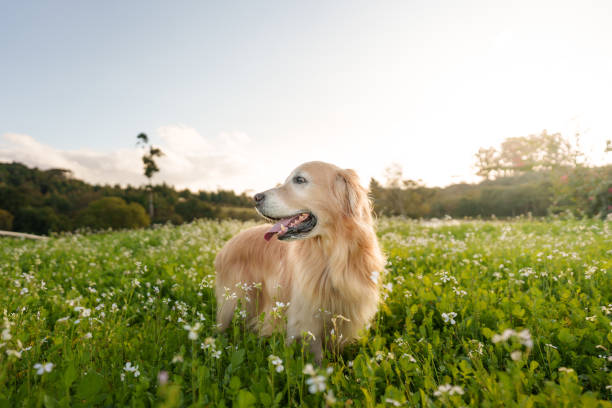
The Golden Retriever, a breed renowned for its captivating beauty and gentle disposition, stands as one of the most beloved canine companions worldwide. Beyond their stunning golden coats and expressive eyes lies a complex tapestry of temperament and personality, making them much more than just a pretty face. Understanding this intricate blend of innate predispositions and environmental influences is paramount for any current or prospective owner, as it forms the bedrock of a harmonious relationship and a well-adjusted dog. This extensive guide aims to unravel the multifaceted aspects of the Golden Retriever’s inner world, exploring the genetic blueprints, the pivotal role of nurture, common behavioral traits, and how to foster the best in these remarkable animals.
1. Introduction: The Golden Standard of Caninity
The Golden Retriever’s reputation precedes it. Often lauded as the “perfect family dog,” “friendly,” and “intelligent,” these accolades are well-earned, yet they only scratch the surface of what makes a Golden truly golden. Their temperament is the sum total of their emotional and behavioral characteristics, shaping how they interact with the world around them. Personality, while often used interchangeably with temperament, refers more to the unique combination of individual traits that make each Golden distinct. Together, these elements determine a dog’s suitability for various roles, from family pet to service dog, and profoundly impact the quality of life they share with their human counterparts. Delving into this topic is not merely an academic exercise; it is an essential step towards responsible ownership, ensuring that the Golden Retriever’s inherent potential for companionship and joy is fully realized.
2. The Golden Standard: Breed Temperament as Defined
To truly appreciate the Golden Retriever’s personality, one must first grasp the breed’s foundational temperament as outlined by major kennel clubs and forged by their historical purpose.
2.1. Origins and Purpose: A Legacy of Retrieval
Developed in Scotland in the mid-19th century by Lord Tweedmouth, the Golden Retriever was meticulously bred to be a superior gundog, specifically designed to retrieve waterfowl and upland game birds from land and water. This demanding role required a dog with specific characteristics:
- Intelligence: To learn complex commands and make independent decisions in the field.
- Biddability (Eagerness to Please): To work cooperatively with their handler.
- Gentleness/Soft Mouth: To retrieve game without damaging it – a trait that translates into their famous gentle nature.
- Endurance and Athleticism: To work tirelessly in varied terrain and weather.
- Calmness and Focus: To remain steady under the excitement of a hunt.
These working traits are not just historical footnotes; they are etched into the breed’s DNA and continue to define the modern Golden Retriever’s temperament.
2.2. The AKC/FCI Breed Standard: A Blueprint of Character
The American Kennel Club (AKC) and Fédération Cynologique Internationale (FCI) breed standards provide the official description of the ideal Golden Retriever temperament. Key phrases found in these standards consistently highlight:
- Friendly: The most iconic trait. Goldens are generally affable with strangers, other dogs, and animals. Aggression or hostility towards people or other dogs is considered a disqualifying fault.
- Intelligent: Their sharp minds make them highly trainable and capable of mastering a wide range of tasks.
- Devoted and Loyal: They form strong bonds with their families and thrive on companionship.
- Outgoing and Confident: A well-socialized Golden typically approaches new situations with curiosity rather than fear.
- Gentle and Patient: Especially with children and smaller animals, reflecting their “soft mouth” heritage. This makes them exceptional family pets.
- Eager to Please: This trait, rooted in their working past, makes them highly responsive to training and keen to cooperate, often performing tasks with enthusiasm to gain their owner’s approval.
- Trustworthy: Their reliable nature extends to their interactions within the family and with visitors.
Crucially, the standard also emphasizes what a Golden Retriever should not be: timid, nervous, or aggressive. Any deviation from this stable and confident disposition is considered undesirable and indicates poor breeding or inadequate socialization. This benchmark is vital for breeders striving to uphold the breed’s integrity and for prospective owners seeking a true representation of the Golden temperament.
3. Nature vs. Nurture: The Pillars of Personality
While the breed standard provides a general framework, each Golden Retriever’s personality is a unique mosaic, meticulously crafted by the interplay of their genetic heritage (nature) and their life experiences (nurture). Understanding this dynamic is fundamental to appreciating and influencing a Golden’s development.
3.1. Nature: The Genetic Blueprint
Genetics play a profound role in shaping a Golden Retriever’s temperament, dictating a foundational layer of predispositions.
3.1.1. Parental Temperament and Lineage
The temperament of a puppy’s parents is perhaps the most significant genetic indicator. Responsible breeders prioritize breeding dogs with sound, stable temperaments. Puppies often inherit behavioral tendencies such as:
- Confidence vs. Timidity: Fearfulness can be inherited.
- Prey Drive: The instinct to chase and retrieve, varying in intensity.
- Biddability/Eagerness to Please: The inherent desire to work with humans.
- Energy Levels: While exercise plays a role, a dog’s baseline energy is often genotypically determined.
- Certain Anxieties: Some forms of anxiety or reactivity can have a genetic component.
A puppy from parents known for their gentle, outgoing nature is far more likely to exhibit similar traits than one from anxious or overly excitable parents. Pedigree research also helps identify lines known for specific characteristics, distinguishing between show lines (often calmer, bred for conformation) and field/working lines (higher energy, stronger drive, bred for performance).
3.1.2. Heritable Traits and Health Considerations
Beyond overt behavioral tendencies, genetics also influence more subtle aspects. A dog’s physical health, largely influenced by genetics, can indirectly impact temperament. A dog predisposed to chronic pain or discomfort due to conditions like hip or elbow dysplasia (common in Goldens) might become irritable or withdrawn, impacting their overall disposition. Responsible breeders conduct extensive health clearances to mitigate these risks, understanding that a healthy body contributes to a healthy mind.
3.1.3. The Role of Responsible Breeders
Reputable breeders are not just concerned with physical attributes; they are ethical guardians of the breed’s temperament. They:
- Carefully select breeding pairs based on stable temperaments, health clearances, and conformation to the breed standard.
- Provide early neurological stimulation (ENS) and appropriate early socialization during the critical first weeks of a puppy’s life.
- Expose puppies to various sights, sounds, and gentle human handling.
- Observe and assess individual puppy personalities to help match them with suitable families.
Choosing a puppy from a responsible breeder who prioritizes temperament is the first critical step in ensuring a well-adjusted Golden.
3.2. Nurture: The Environmental Sculptor
While genetics lay the groundwork, it is environment and experience – nurture – that ultimately sculpt a Golden Retriever’s personality. From birth to maturity, every interaction and exposure leaves an indelible mark.
3.2.1. Early Socialization (0-16 Weeks): The Critical Window
The period from 3 to 16 weeks of age is a crucial developmental window for puppies. Experiences during this time shape their perception of the world.
- Breeder’s Role: During weeks 3-8, the breeder’s environment is paramount. Puppies need interaction with littermates to learn bite inhibition and social cues, and with their mother to learn appropriate canine behavior. Exposure to household noises, different surfaces, and gentle human interaction builds resilience.
- New Owner’s Role: Once a puppy comes home (ideally around 8 weeks), the owner assumes responsibility for continued, controlled, and positive socialization. This means:
- People: Exposure to diverse people (age, gender, appearance) in various settings.
- Places: Trips to parks, pet stores, friends’ houses (after vaccinations).
- Sounds: Desensitization to common noises like vacuum cleaners, traffic, thunderstorms.
- Objects/Textures: Exposure to different floor types, stairs, toys.
- Other Animals: Supervised, positive interactions with friendly, vaccinated dogs and other species.
- Puppy Classes: Invaluable for structured socialization and early training. Lack of adequate socialization during this period can lead to shyness, fear, or reactivity later in life, even in a genetically stable Golden.
3.2.2. Training and Education
Consistent, positive reinforcement training is not just about manners; it’s a powerful tool for shaping personality, building confidence, and strengthening the human-animal bond.
- Positive Reinforcement: Goldens thrive on praise, treats, and play. Harsh corrections can damage their sensitive nature, leading to fear or a reluctance to engage.
- Consistency and Patience: Regular training sessions, clear expectations, and patience reinforce desired behaviors.
- Obedience and Manners: Basic commands (sit, stay, come, heel) provide structure and communication.
- Mental Stimulation: Training challenges their intelligence, preventing boredom and destructive behaviors.
- Impact on Confidence: Successfully learning new tasks builds a dog’s self-assurance and trust in their owner.
3.2.3. Environment and Lifestyle
A Golden Retriever’s living environment significantly impacts their happiness and behavior.
- Family Dynamics: A calm, stable household fosters a calm dog. Chaotic or inconsistent environments can lead to anxiety.
- Routine and Structure: Predictable routines help dogs feel secure.
- Exercise and Mental Stimulation: Goldens have moderate to high energy levels. Insufficient physical activity or mental engagement can manifest as destructive chewing, excessive barking, or hyperactivity. Daily walks, playtime, puzzle toys, and training sessions are crucial.
- Stressors: Loud noises, frequent changes, or neglect can negatively impact a dog’s emotional state.
- Enrichment: Providing opportunities for sniffing, exploring, and engaging in natural behaviors contributes to a well-rounded personality.
3.2.4. Owner’s Personality and Training Style
The owner’s own temperament and approach to dog ownership are critical.
- Calm vs. Anxious Energy: Dogs are highly attuned to human emotions. A calm, confident owner typically fosters a calm, confident dog.
- Leadership and Consistency: Clear, fair leadership provides security. Inconsistent rules can confuse a dog and lead to behavioral issues.
- Bonding Activities: Shared activities like walks, play, cuddles, and training strengthen the bond and reinforce positive interactions.
4. Core Personality Traits of Golden Retrievers
While each Golden is an individual, certain traits are overwhelmingly common and define the breed’s general personality profile.
4.1. Intelligence & Trainability
Golden Retrievers consistently rank among the most intelligent dog breeds. They are quick to grasp new concepts, understand complex commands, and excel in various dog sports like agility, obedience, and tracking. Their problem-solving abilities are noteworthy, and they can be trained for diverse roles, including service, therapy, search and rescue, and detection work. This intelligence, combined with their eagerness to please, makes them incredibly trainable, but also means they require consistent mental stimulation to prevent boredom.
4.2. Friendliness & Sociability
This is perhaps the Golden’s most celebrated trait. They are typically affable, gregarious, and rarely meet a stranger. They are generally good with children, other dogs, and even other species, making them excellent multi-pet households. Their sociability makes them joy to take out in public, as they usually greet new people and dogs with wagging tails and a friendly demeanor. However, this does not mean they are good guard dogs; their friendly nature extends to intruders, whom they are more likely to greet with a wag than a growl.
4.3. Gentleness & Patience
The “soft mouth” bred into them for retrieving game translates into a general gentleness, particularly with children. Goldens are known for their patience, tolerating a certain degree of energetic play from younger family members. This trait, coupled with their calm demeanor, makes them exceptional therapy and assistance dogs, providing comfort and support without being overwhelming.
4.4. Devotion & Loyalty
Goldens form profound bonds with their families. They are highly devoted and loyal, thriving on companionship. Often referred to as “Velcro dogs,” they enjoy being in the same room as their humans and want to be involved in family activities. This strong attachment means they typically do not do well when left alone for long periods and can be prone to separation anxiety if not properly conditioned.
4.5. Enthusiasm & Playfulness
Golden Retrievers possess an infectious enthusiasm for life. They are playful, often retaining a puppy-like exuberance well into their senior years. They love games of fetch (their namesake activity), swimming, and interactive play. This playfulness requires owners who are willing to engage with them and provide outlets for their energy.
4.6. Eagerness to Please (Biddability)
This inherent desire to cooperate and gain owner approval is a cornerstone of the Golden’s trainability. They genuinely want to make their humans happy, which simplifies the training process and strengthens the bond. This trait makes them highly responsive to positive reinforcement and encourages a willing partnership in activities.
4.7. Sensitivity
Despite their robust appearance, Goldens can be quite sensitive. They respond best to gentle, positive reinforcement methods and can be easily discouraged or shut down by harsh corrections, yelling, or punishment. A quiet tone, consistent cues, and positive encouragement will yield far better results than confrontation.
4.8. Energy Levels
Golden Retrievers are a Sporting Group breed, meaning they possess moderate to high energy levels. They require daily exercise, typically 60-90 minutes of vigorous activity spread throughout the day, including walks, runs, swimming, or active play. Without adequate exercise, their energy can manifest as destructive behaviors, hyperactivity, or restlessness. Mental exercise is equally important to satisfy their intelligent minds.
5. Variations Within the Breed (Sub-types and their Temperaments)
While the core traits remain consistent, there can be subtle variations in temperament and personality based on geographical origin and breeding focus.
5.1. American Golden Retriever
- Appearance: Generally leaner, lankier build, less dense coat, often lighter shades of gold.
- Temperament: Tend to be slightly more energetic and playful than their British counterparts, often with a boundless enthusiasm. They are still incredibly friendly and biddable but might display a higher drive for activity.
5.2. British/English Golden Retriever
- Appearance: Typically stockier build, broader skull, deeper chest, often a creamier or lighter gold coat, sometimes tending towards white. They also tend to have shorter, denser coats.
- Temperament: Often described as being slightly calmer, more laid-back, and mature faster than American lines. They retain the classic Golden friendliness and gentleness but may carry a more sedate energy profile, making them excellent companions for less intensely active families.
5.3. Canadian Golden Retriever
- Appearance: Similar to the American type but often leaner and taller, with a thinner coat.
- Temperament: Generally mirrors the American type in energy and drive, known for their athleticism and keen retrieving instincts.
5.4. Field/Working Line Golden Retriever
- Appearance: Often leaner, more athletic build, typically darker shades of gold, with a less voluminous coat. Bred for endurance and agility.
- Temperament: Possess a significantly higher energy level, more intense retrieving drive, and sharper focus on working tasks. They require substantial physical and mental exercise and are best suited for active homes that can engage them in dog sports, hunting, or other demanding activities. Their “off switch” might be harder to find.
5.5. Show Line Golden Retriever
- Appearance: Bred to conform to the breed standard for appearance, often with a more substantial build and a heavier, flowing coat.
- Temperament: Tend to be calmer and more composed than field lines, with a less intense drive. While still active and playful, they are generally content with regular family activities and moderate exercise, making them excellent family pets.
It is crucial to remember that these are generalizations. There is significant individual variation within each type, and a Golden’s personality is always a blend of genetics and upbringing. A responsible breeder will be able to discuss the specific temperaments of their lines and individual puppies.
6. Common Behavioral Tendencies and How to Manage Them
Even with their amiable nature, Golden Retrievers can exhibit certain behavioral tendencies, especially during puppyhood or if their needs are not met. Proactive management and consistent training are key.
6.1. Mouthing/Nipping (especially puppies)
Golden puppies explore the world with their mouths. This natural behavior needs to be managed to teach bite inhibition.
- Management: Provide appropriate chew toys.
- Training: When the puppy mouths too hard, yelp loudly (like a littermate), withdraw attention, or walk away. Redirect to a toy. Never punish; teach what to chew.
6.2. Jumping Up
Driven by their enthusiastic greetings, Goldens love to jump to express joy or seek attention.
- Training: Consistently train “four on the floor.” Ignore jumping behavior (turn away, cross arms), and reward only when all four paws are on the ground. Teach an alternative greeting behavior like “sit.”
6.3. Counter Surfing
Their height, intelligence, and food motivation can lead to raiding countertops.
- Management: Keep countertops clear of tempting food.
- Training: Teach a solid “leave it” command. Reward for staying off the counter.
6.4. Excessive Barking (Less Common)
While not typically excessive barkers, boredom, anxiety, attention-seeking, or territoriality can trigger it.
- Management: Address the underlying cause. Ensure adequate exercise and mental stimulation.
- Training: Teach “quiet” on command, reward for silence. Avoid inadvertently reinforcing barking by giving attention when it occurs.
6.5. Separation Anxiety (Can Occur)
Goldens’ strong bond with their families can make them prone to separation anxiety if not accustomed to being alone.
- Prevention: Start early with gradual desensitization, leaving the puppy alone for short periods, gradually increasing duration.
- Management: Provide puzzle toys, ensure exercise before departure. For severe cases, consult a professional trainer or veterinary behaviorist.
6.6. Resource Guarding (Less Common but Possible)
Protecting valued items (food, toys, resting places) can sometimes occur, often subtle in Goldens but important to address.
- Prevention: Start early by positively associating you with their resources. Approach their food bowl, drop a high-value treat, and walk away. Practice “trade up” with toys (exchange a low-value toy for a high-value one).
- Training: Teach “drop it” and “leave it” positively.
6.7. Over-excitement/Lack of Impulse Control
Especially in younger Goldens, enthusiasm can override good manners.
- Training: Teach “settle,” “wait,” and reinforce calm behavior. Use structured play to teach appropriate arousal levels. Incorporate impulse control exercises into daily routines (e.g., waiting for food, waiting at the door).
6.8. Chewing
A natural behavior, especially for puppies and bored adults.
- Management: Provide a variety of appropriate chew toys. Rotate toys to maintain interest. Crate training can prevent destructive chewing when unsupervised.
- Training: Teach “leave it” for inappropriate items.
7. Recognizing and Addressing Temperament Issues
While the vast majority of Golden Retrievers exemplify their breed’s ideal temperament, it’s vital for owners to recognize when a dog deviates from the norm. Excessive shyness, fearfulness, inappropriate aggression, or extreme anxiety are not typical for the breed and should be taken seriously.
7.1. Potential Causes for Atypical Temperament
- Poor Breeding: Genetic predisposition to fear or aggression.
- Inadequate Socialization: Lack of exposure during the critical developmental window, leading to fear of novelty.
- Traumatic Experiences: A single traumatic event or a history of abuse can profoundly impact a dog’s psyche.
- Health Issues: Pain, discomfort, or neurological conditions can manifest as behavioral problems. Always rule out medical causes first.
- Lack of Training/Enrichment: Unmet needs can lead to frustration, anxiety, or hyperactivity.
7.2. Importance of Early Intervention
If you notice persistent or concerning behavioral issues, early intervention is critical. The longer a problem persists, the harder it is to modify.
- Consult a Veterinarian: Rule out any underlying medical conditions.
- Seek Professional Help: A certified professional dog trainer (CPDT-KA), canine behavior consultant (CBCC-KA), or veterinary behaviorist can help diagnose the root cause and develop a tailored behavior modification plan. Avoid trainers who advocate harsh, punishment-based methods, as these are counterproductive and harmful for sensitive Goldens.
- Patience and Consistency: Behavioral modification takes time, consistency, and dedication.
Never assume “it’s just a Golden, it will grow out of it” if a significant temperament issue is present. Each dog is an individual, and some require more specialized care and intervention than others.
8. The Ideal Golden Retriever Owner
Owning a Golden Retriever is a joyful experience, but it’s also a significant commitment. The ideal owner understands and embraces the unique needs of this breed.
- Committed to Training and Socialization: Willing to invest time and effort in consistent positive reinforcement training and ongoing socialization throughout the dog’s life.
- Provides Ample Exercise and Mental Stimulation: Can offer daily vigorous exercise (60-90 minutes) and engage their intelligent minds with training, puzzle toys, and interactive play.
- Desires a Loyal, Affectionate Companion: Wants a dog that will be an integral part of the family, thriving on companionship and interaction.
- Practices Positive Reinforcement: Understands and applies gentle, reward-based training methods, respecting the Golden’s sensitive nature.
- Understands the Commitment: Aware of the financial, time, and emotional investment required for a large, intelligent, and long-lived dog (10-12+ years).
- Patient and Consistent: Possesses the patience to navigate puppyhood and adolescent challenges with consistency and understanding.
- Values Health and Wellness: Is committed to regular veterinary care, a high-quality diet, and preventative health measures.
9. Conclusion: The Enduring Golden Legacy
The Golden Retriever’s temperament and personality are a remarkable testament to thoughtful breeding and the profound impact of dedicated ownership. Their inherent friendliness, intelligence, gentleness, and unwavering loyalty have solidified their place as one of the world’s most beloved breeds. However, these cherished traits are not guaranteed; they are the result of a delicate balance between a strong genetic foundation laid by responsible breeders and the nurturing environment provided by committed owners.
To truly enjoy the “golden” experience, one must embrace the responsibility of consistent positive training, extensive socialization, ample exercise, and abundant love. When these elements align, the Golden Retriever flourishes, transforming from a playful puppy into a trusted, intelligent, and deeply affectionate family member. Understanding their nature, respecting their needs, and responding to their unique personality ensures that the Golden Retriever continues to live up to its reputation as a truly exceptional canine companion, enriching the lives of those fortunate enough to share their homes with these magnificent dogs. The legacy of the Golden Retriever is not just in their beauty or their working ability, but in their unparalleled capacity for companionship and their enduring “golden” heart.
#GoldenRetriever, #GoldenRetrieverLife, #GoldenRetrieverLove, #GoldenRetrieverTemperament, #GoldenPersonality, #DogTemperament, #DogPersonality, #GoldenRetrieverTraining, #PuppyTraining, #DogBehavior, #DogSociability, #IntelligentDog, #FriendlyDog, #LoyalDog, #FamilyDog, #GoldenRetrieversOfInstagram, #DogGrooming, #PetCare, #DogTips, #PuppyLove, #GoldenGoals, #WorkingDog, #Retrievers, #AKCDogs, #DogsofYouTube, #DoggyLife, #HappyDog, #WelcomingaGolden, #GoldenRetrieverGuide







Add comment