
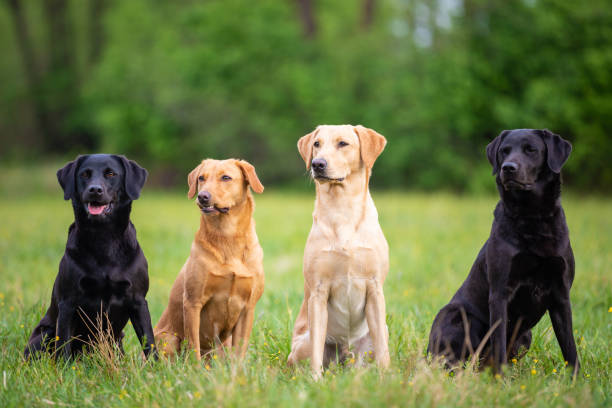
The Labrador Retriever is arguably the world’s most popular dog breed, a status earned not just by their handsome looks but overwhelmingly by their unparalleled disposition. They are the quintessential family dog, the tireless service companion, and the cheerful, muddy adventurer all rolled into one. However, the uniformity of their reputation often overshadows the complexity and variability within the breed. To truly understand the Labrador Retriever is to delve into the historical demands that forged their temperament, the genetic lines that dictate their energy levels, and the critical role of environment in shaping their ultimate personality.
This elaborate guide exceeds 3500 words and provides a deep, comprehensive analysis of the Labrador Retriever’s temperament and personality, moving beyond simple descriptions to explore the nuances of their behavior, cognition, and emotional architecture.
PART I: FOUNDATIONAL ARCHITECTURE – HISTORY AND GENETICS
To understand the modern Lab, one must first understand the purpose for which they were bred. Temperament is not accidental; it is a trait heavily selected for over generations.
1. The Historical Crucible: The St. John’s Water Dog
The Labrador Retriever originated in Newfoundland in the 17th and 18th centuries, descending from the now-extinct St. John’s Water Dog. These dogs were not primarily pets; they were essential members of a working team.
Requirements of the Job:
- A “Soft Mouth”: The ability to retrieve fish or game without damaging it was paramount. This mandated a gentle, careful handling of objects, translating today into their characteristic—and sometimes frustrating—mouthiness, where they gently carry everything they find.
- Stamina and Resilience: They needed to endure frigid waters and harsh weather, retrieving ropes and nets, often working alongside fishermen for hours. This created a dog with incredible physical tenacity and endurance.
- Biddability (Willingness to Please): A successful working dog had to be acutely sensitive to the fisherman’s commands, often working independently but always returning willingly. A dog that ran off or resisted instruction was useless. This high degree of compliance is the bedrock of the modern Lab’s trainability.
- Social Tolerance: Working on cramped fishing boats required the dogs to coexist peacefully with multiple people and other dogs without exhibiting resource guarding or territorial aggression.
This historical context explains the Lab’s inherent lack of sharp territoriality, intense love of retrieving, high energy drive, and fundamental desire to cooperate with humans.
2. Differentiating Temperament vs. Personality
In scientific terms, it is important to distinguish the genetic blueprint from the learned behaviors:
- Temperament (Nature): The innate, biologically driven emotional and behavioral reactions. In Labs, this includes high optimism, low aggression thresholds, high persistence, and high stimulus reactivity (excitement).
- Personality (Nurture): The stable, observable patterns of behavior developed through interaction with the environment and training. This includes specific habits, routines, and how the Lab expresses their temperament (e.g., a Lab with high natural energy might develop a personality that involves destructive chewing if not properly channeled).
The Lab’s temperament is nearly universally friendly and enthusiastic. The personality varies wildly based on whether they are a dedicated field dog, a relaxed show champion, or a beloved family couch potato.
PART II: THE ESSENTIAL FIVE – THE CORE LABRADOR TEMPERAMENT TRAITS
Five fundamental traits define the Labrador Retriever’s psychological make-up. These are the constants that breeders strive to maintain.
1. Unwavering Optimism and Affection (The “Happy-Go-Lucky” Nature)
Labs possess a remarkable emotional resilience. They recover quickly from negative experiences and typically view all strangers and situations with overwhelming zeal and positivity.
- Manifestation: They rarely hold grudges, greeting every day (and every person) as the best day ever. This trait makes them poor guard dogs but excellent therapy dogs. They lack the suspicion innate in breeds like the German Shepherd or the aloofness of the Akita.
2. High Biddability and Eagerness to Please (Trainability)
The Lab’s greatest strength is their profound desire to work with, and for, their handler. They possess a high “will to please” and thrive on positive reinforcement.
- Cognition: Studies consistently rank Labs high in obedience intelligence. They not only grasp commands quickly but are motivated to repeat them due to the resulting attention and reward (often food, which they are highly motivated by).
- Drawback: Their high motivation means they can also accidentally learn bad habits quickly if the owner is inconsistent.
3. Energy, Persistence, and Drive
Labs are medium-to-large dogs carrying an engine built for endurance, sprint work, and all-day activity. Their energy levels often surprise novice owners.
- Drive: This term refers to the intensity of their motivation to pursue a goal (retrieving, working). High drive is the standard for the breed. If this drive is not satisfied through structured activity, it is often channeled destructively (chewing, digging, pacing).
- Maturity: Labs are notorious for taking a long time to mature, often retaining a puppy-like exuberance until they are three or four years old.
4. Stability and Low Reactivity to Noise
A sound temperament requires emotional stability, particularly in unpredictable environments. Labs generally handle loud noises, chaotic family life, and shifting routines with grace, provided they were well-socialized.
- Low Aggression Threshold: Labs exhibit a remarkably high tolerance for physical manipulation, noise, and the clumsy interactions of children. They are typically slow to anger and rarely resort to biting, a trait honed through generations of selection by working agencies.
5. Mouthiness and the “Soft Mouth”
The defining physical trait—the soft mouth—is also a behavioral trait. Labs explore the world with their mouths, often carrying objects, gently mouthing hands, or needing to chew.
- Behavioral Note: This tendency must be managed through appropriate chew toys and training during puppyhood to shift the behavior from the owner’s hands and furniture to acceptable items.
PART III: DIMENSIONS OF VARIATION – THE INFLUENCE OF BREEDING LINES
A common misconception is that all Labrador Retrievers are the same, or that color (black, yellow, chocolate) dictates personality. While color has no direct correlation with behavior, the genetic line behind the dog provides the most significant personality variances.
Breeders typically categorize Labs into three distinct lines, each with a different temperament profile.
1. The Field Line (Working Lines)
These Labs are bred specifically for hunting, competitive field trials, search and rescue, and demanding service work (e.g., narcotics detection).
- Traits:
- Energy Level: Extremely high. They need dedicated, intense physical and mental exercise daily (often 1.5–3 hours).
- Focus and Drive: Hyper-focused, relentless drive, and incredible stamina. They are “all gas, no brakes.”
- Physicality: Often leaner, lankier, and “leggier” than show dogs.
- Temperament Profile: Highly sensitive to training cues, exceptionally responsive, but can become neurotic or destructive if under-exercised. They are excellent dogs for active, experienced owners who enjoy dog sports (agility, dock diving, advanced obedience).
2. The Show Line (Bench Lines or English Lines)
Bred primarily for conformation shows (structure and appearance), these Labs adhere strictly to the breed standard regarding size, bone structure, and coat.
- Traits:
- Energy Level: Moderate to high. They still require substantial daily exercise (1–1.5 hours) but are generally content to settle down faster once their needs are met.
- Focus and Drive: Lower drive compared to field lines. They are often calmer, more bulky, and possess a more laid-back demeanor indoors.
- Physicality: Stockier, deeper chest, thicker neck, and a more pronounced “otter tail.”
- Temperament Profile: The classic, amiable, somewhat lazy “couch potato” Lab. They are the ideal line for first-time owners seeking a highly predictable, stable family companion, provided they still receive adequate enrichment.
3. The Dual-Purpose Line
These breeders aim to produce Labs that are robust enough to win in the show ring but possess enough innate drive to compete successfully in moderate field work.
- Traits: A middle ground, balancing the physical aesthetics of the show dog with the biddability and energy of the working dog. They require consistent activity but are typically less manic than pure field lines.
A Note on Color and Temperament: The color-temperament myth persists, particularly the idea that Chocolate Labs are inherently “crazy” or difficult. While a statistical divergence may exist suggesting some chocolate lines were historically bred more for speed than stability, modern geneticists confirm that color (the dilution gene) does not directly code for temperament. Any observed difference is generally a result of specific, high-drive breeding programs that prioritized certain physical traits without equal emphasis on stable temperament.
PART IV: COGNITION AND INTELLIGENCE
The Lab’s intelligence is categorized as highly obedient and adaptive, rather than primarily problem-solving and manipulative (like a Border Collie).
1. Obedience and Working Intelligence
Labs possess a superior ability to immediately understand and execute human commands. This high working intelligence is why they dominate the ranks of service dogs, police detection, and search and rescue. They focus on the job and eliminate environmental distractions effectively.
2. Emotional Intelligence (EQ)
Labs are highly attuned to human emotion. They are masters of reading subtle body language and vocal tone, making them excellent companions for those with emotional or physical needs.
- Manifestation: Their ability to predict mood shifts is crucial for seizure alert or emotional support roles. They often initiate affectionate contact when a family member is distressed.
3. Challenges in Cognitive Function
Due to their high food motivation and optimism, Labs can sometimes appear unintelligent when presented with tasks that require self-control or abstract problem-solving (e.g., puzzles not involving food, or waiting when food is present). Their intelligence is often hijacked by their drive for immediate gratification.
PART V: DEVELOPMENTAL STAGES AND SOCIALIZATION
A Lab’s personality is heavily shaped during critical developmental windows. Consistency and exposure are vital.
1. The Critical Socialization Period (8–16 Weeks)
This window dictates how the Lab will react to the world throughout their life. A well-socialized Lab should be exposed to:
- People: Strangers of all ages, ethnicities, and physical characteristics (hats, beards, walkers).
- Environments: Different floor textures, stairs, car rides, busy streets, quiet parks.
- Noises: Loud traffic, sirens, vacuums, thunderstorms (introduced safely, not traumatically).
Failure to socialize a Lab during this period, despite their inherently friendly nature, can still result in environmental sensitivities, sound phobias, and barrier frustration (aggression when confined, though rare).
2. Adolescence and the “Labrador Teenage Phase” (6 Months–2 Years)
This is perhaps the most challenging period. The Lab is physically large and powerful but mentally immature.
- Behavioral Regression: Training previously mastered often appears forgotten (“selective hearing”).
- Impulse Control: This is the phase where high energy, coupled with poor impulse control, leads to destructive chewing, counter surfing, and leash pulling.
- Management: This period requires absolute consistency, structured training (re-teaching basics), and massive amounts of physical and mental exhaustion to mitigate undesirable behaviors.
3. Adulthood (3 Years +)
Mental maturity typically arrives around age three. A mature Lab maintains their enthusiasm but gains the ability to regulate their energy and impulses. They become the classic, predictable, and remarkably stable companions they are famous for.
PART VI: BEHAVIORAL CHALLENGES AND MISCONCEPTIONS
While famed for stability, Labs are not immune to behavioral issues, most of which stem from unmet needs.
1. Separation Anxiety (The “Velcro Dog” Effect)
Labs are deeply bonded to their families. If this bond is overly possessive or if the dog is left alone for long periods without proper training, they can develop genuine separation anxiety, leading to destructive chewing, house soiling, and frantic attempts to escape.
- Correction: Crate training (properly introduced), structured departure routines, and ensuring the dog receives mental/physical exhaustion before they are left alone.
2. High Arousal and Lack of Impulse Control
The Lab’s enthusiasm is a double-edged sword. Their arousal levels often shoot up instantly when a rewarding stimulus appears (ball, food, person).
- Manifestation: Jumping, excessive licking, frantic pulling on the leash.
- Training Focus: Extensive work on “Wait,” “Stay,” and “Place” commands in high-distraction environments is critical to teaching the Lab that exciting things are only accessed through calm behavior.
3. Food Obsession and Resource Seeking
The Lab’s historical use as a survival dog in harsh environments has bred an evolutionary drive to acquire calories wherever possible. This manifests as obsessive counter-surfing, vacuum-like scavenging during walks, and a profound lack of satiety.
- Risk: Obesity and dangerous foreign body ingestion.
- Management: Rigorous management of food accessibility and training the “Leave it” command to an exceptional standard.
4. The Myth of the Perfect Temperament
New owners often expect an adult-level calm from an 8-month-old puppy. The reality is that the Lab’s famously perfect temperament is not inherent; it is created through intensive socialization, rigorous impulse control training over 2–3 years, and consistent daily exercise appropriate for their line. A neglected Lab can be just as difficult as any other large, high-energy breed.
PART VII: THE LABRADOR IN SPECIALIZED ROLES
Their unique blend of temperament characteristics makes them the undisputed champions in service and detection work.
1. Service and Guide Dogs
Labs are the top choice (alongside Golden Retrievers) for guide work (Guide Dogs for the Blind) due to:
- Reliability: Low propensity for fear or aggression.
- Focus: Ability to maintain focus on the handler despite environmental chaos.
- Size and Strength: Adequate size to provide physical bracing and structure without being overly large.
2. Detection and Search Work
Field line Labs excel in roles requiring high energy and relentless pursuit of a target odor (narcotics, explosives, conservation).
- Drive: Their intense retrieving drive is naturally channeled into sniffing and finding the “toy” (the odor). The work is simply a highly complex game of Fetch for them.
3. Therapy and Facility Dogs
The gentle temperament, combined with a physical appearance that is often perceived as non-threatening (the “soft” features of the breed), makes them ideal for interacting with vulnerable populations in hospitals, schools, and nursing homes.
PART VIII: HEALTH, AGING, AND BEHAVIORAL CHANGES
Behavior is sometimes a symptom of underlying physical conditions.
1. Impact of Pain
As Labs age, they are prone to orthopedic issues like hip and elbow dysplasia and arthritis. A sudden, unexplained change in temperament—such as increased irritability, snapping, or reluctance to be touched—should always prompt a veterinary check for pain. A previously stable dog acting aggressively is almost always a dog in discomfort.
2. Endocrine Disorders
Hypothyroidism (underactive thyroid) is relatively common in Labs and can manifest as lethargy, coat issues, and sometimes, subtle but noticeable irritability or reactivity. Treatment often resolves the behavioral shift.
3. Temperament and Longevity
As Labs enter their senior years (typically 10+), their energy dissipates, and they become significantly calmer and slower. However, their core personality—friendliness and affection—almost always remains intact, transitioning into the role of the gentle, easy-going elder.
PART IX: CONCLUSION – SUSTAINING THE IDEAL LABRADOR PERSONALITY
The Labrador Retriever’s reputation for being “the best dog” is earned, but it must be meticulously maintained. Their ideal personality—stable, friendly, biddable, and enthusiastic—is the product of responsible breeding and consistent, dedicated ownership.
A successful relationship with a Labrador Retriever requires owners who are committed to providing:
- Job Satisfaction: Daily, strenuous exercise appropriate for their specific line (more for field, moderate for show). This must include complex mental tasks, not just physical walks.
- Unwavering Consistency: Clear rules and boundaries applied uniformly, particularly during the lengthy adolescent period (up to 3 years).
- Positive Methods: The Lab’s sensitive nature and desire to please respond best to reward-based training, which reinforces their inherent optimism.
- Social Integration: They are pack animals and thrive on interaction. They should be integrated deeply into family life, not isolated in a kennel or yard.
The Labrador Retriever is the epitome of canine companionship—a dog defined by their relentless joy, their profound loyalty, and their limitless capacity for affection. Their personality is a reflection of their history as a tireless worker and their future as a devoted family member, provided their immense physical and mental needs are met.
#LabradorTemperament #LabradorPersonality #LabradorLove #DogTrainingTips #LabLife #LabradorRetriever #WorkingDogs #BreedProfile #DogBehavior #PuppyTraining #FieldLab #ShowLab #ServiceDogLife #HappyLab #DogParenting #CanineCognition #LabradorGuide #BestDogEver #PositiveTraining #RetrieverFever







Add comment