
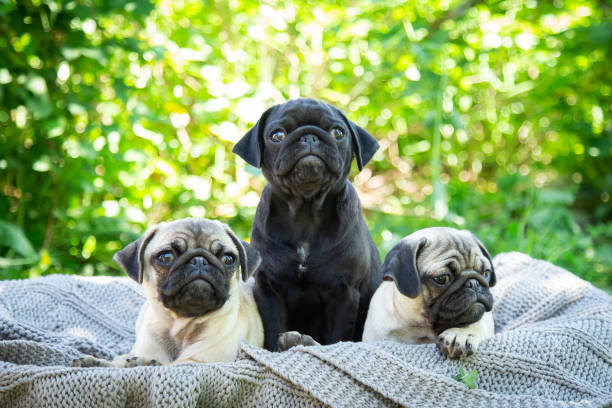
The Pug, a breed steeped in history and known for its distinctive wrinkled face and charming personality, has captivated hearts for centuries. These small dogs, with their compact bodies and expressive eyes, have a unique set of traits that make them endearing companions. Understanding the temperament and personality of a Pug is crucial for anyone considering bringing one into their home, ensuring a harmonious and fulfilling relationship. This extensive guide delves deep into the core characteristics of the Pug, exploring their social nature, intelligence, playfulness, and the nuances that make each Pug an individual.
A Glimpse into Pug History and its Influence on Temperament:
The Pug’s journey began in ancient China, where they were favored by emperors and royalty. These dogs were bred not for hunting or guarding, but purely for companionship. This long history of being pampered pets has profoundly shaped their temperament. They were bred to be close to humans, to offer affection, and to be entertained by their owners. This focus on companionship has ingrained in them a deep desire for human interaction and a highly adaptable nature. Their historical role as lapdogs means they are not naturally inclined to be independent or aloof; rather, they thrive on being part of the family unit.
The Quintessential Pug Personality Traits:
At their core, Pugs are known for their affectionate and loving nature. They form strong bonds with their families and are eager to please. This inherent desire to be close to their humans often translates into a shadow-like presence, following their owners from room to room. This isn’t possessiveness; it’s a genuine desire to be where their loved ones are.
Key Personality Pillars of the Pug:
- Affectionate and Cuddly: This is perhaps the most defining characteristic of the Pug. They are notorious for their love of snuggling and will readily seek out opportunities for physical closeness. Expect a Pug to be a “velcro dog,” happily draped over your lap or nestled beside you on the sofa. This affection extends to all members of the family, including children and even other pets, provided they are introduced properly.
- Sociable and Outgoing: Pugs generally enjoy the company of both humans and other animals. They are not typically aggressive or fearful dogs, making them excellent candidates for households with multiple pets. Early socialization is vital, as with any breed, to ensure they grow into well-adjusted adults, but Pugs tend to adapt well to new introductions. They often greet strangers with enthusiasm rather than trepidation.
- Playful and Energetic (in bursts): While not endurance athletes, Pugs possess a playful spirit that can be quite charming. They enjoy short bursts of activity, games of fetch (though their retrieving instincts can be a bit hit-or-miss), and tug-of-war. Their playfulness is often accompanied by comical antics and a happy-go-lucky demeanor. However, their physical limitations, particularly with heat and strenuous exercise, mean their play sessions are usually shorter and more temperate than those of more athletic breeds.
- Intelligent and Eager to Please (with caveats): Pugs are intelligent dogs and can learn commands and tricks. Their eagerness to please, combined with their food motivation, makes them generally receptive to training. However, they can also have a stubborn streak, a trait that can sometimes be mistaken for a lack of intelligence. Consistency and positive reinforcement are key to successful Pug training. They learn best when training is enjoyable and rewarding.
- Adaptable and Courageous (in their own way): Pugs are remarkably adaptable and can thrive in various living situations, from apartments to houses with yards. They are not prone to excessive barking, making them good apartment dwellers. While they may not be built for bravery in the traditional sense, they possess a certain courage when it comes to protecting their loved ones, often by alerting them to perceived threats with determined barking.
- Humorous and Quirky: Pugs have a unique sense of humor and are often described as clowns. They engage in silly antics, make funny noises (snorts, grunts, and snores are common!), and generally bring joy and laughter into a household. Their expressive faces, often contorted into a seemingly worried or surprised look, add to their comical appeal.
- Gentle and Patient (with children): Pugs are generally good with children. Their gentle nature and tolerance for the boisterousness of kids make them a popular family pet. However, like with any dog breed, supervision is essential, especially with very young children. Pugs are not prone to snapping or biting, but their small size means they can be accidentally injured by rough play. Teaching children how to interact respectfully with dogs is paramount.
- Loyal and Devoted: The bond a Pug forms with its family is incredibly strong. They are fiercely loyal and devoted companions, often becoming deeply attached to their primary caregiver. This loyalty means they can suffer from separation anxiety if left alone for extended periods.
Understanding Pug Temperament Nuances:
While the above traits are common, it’s important to understand that individual Pugs can vary. Several factors influence a Pug’s personality:
- Genetics: Just like humans, individual Pugs inherit a unique set of genes that can predispose them to certain temperament traits. Responsible breeders will prioritize temperament in their breeding programs, selecting dogs with stable and desirable personalities.
- Early Socialization: The period between 3 and 16 weeks of age is critical for a puppy’s socialization. Exposing a young Pug to a variety of people, places, sounds, and other animals during this time will help them develop into a confident and well-adjusted adult. A well-socialized Pug is more likely to be friendly, curious, and less prone to fear or anxiety.
- Training and Environment: Consistent positive reinforcement training helps shape a Pug’s behavior and reinforces desirable personality traits. A stimulating and loving environment, with plenty of interaction and mental enrichment, will contribute to a happy and well-balanced Pug. Conversely, neglect, abuse, or lack of socialization can lead to behavioral problems.
- Health and Well-being: A Pug’s physical health can significantly impact their temperament. Pain, discomfort, or underlying health conditions can lead to irritability, lethargy, or changes in behavior. Regular veterinary check-ups and prompt attention to any health concerns are essential for maintaining a Pug’s good disposition.
- Age and Life Stage: Like all creatures, Pugs go through different life stages that can influence their temperament. Puppies are typically more boisterous and curious, while senior Pugs may mellow out and become more sedate. Even within adulthood, a Pug’s energy levels and playfulness can fluctuate.
The Pug and Social Interaction:
Pugs are inherently social creatures. They thrive on being part of the “pack” and often view their human family as their pack. This means they generally get along well with:
- Children: As mentioned, Pugs are usually gentle and patient with children. Their playful nature can make them great companions for kids, and their tolerance often allows them to withstand the occasional clumsy interaction. However, supervision is always recommended to ensure the safety of both the child and the dog.
- Elderly Individuals: The affectionate and cuddly nature of Pugs makes them ideal companions for seniors. Their lower exercise needs and desire for close contact can provide comfort and companionship.
- Other Dogs: With proper introductions and socialization, Pugs typically integrate well into multi-dog households. They are often eager to play with other dogs and can be quite social at dog parks or on walks. However, it’s important to note that some Pugs can be a bit bossy or territorial if not properly socialized or if they feel insecure.
- Other Pets: Pugs often coexist peacefully with cats and other smaller pets, especially if introduced at a young age. Their prey drive is generally low, and they tend to view other household animals as part of their family.
Challenges and Considerations in Pug Temperament:
While Pugs are generally delightful companions, there are a few potential challenges to be aware of:
- Separation Anxiety: Due to their strong bond with their families, Pugs can be prone to separation anxiety if left alone for too long. Signs include destructive behavior, excessive barking or howling, and house-soiling. Gradual acclimatization to being alone, providing engaging toys, and considering professional help if severe are important strategies.
- Stubbornness: While intelligent, Pugs can also be stubborn. This means training requires patience, consistency, and positive reinforcement. They are not always motivated to perform tasks if they don’t see a clear benefit (like a treat!).
- Brachycephalic Health Issues and their Impact on Temperament: Pugs are a brachycephalic breed, meaning they have short muzzles and compressed facial features. This can lead to breathing difficulties, especially in warm weather or during strenuous exercise. Owners must be mindful of their Pug’s limitations and avoid overexertion. A Pug that is constantly struggling to breathe may become less playful and more withdrawn due to discomfort.
- Food Motivation and Potential for Obesity: Pugs are notoriously food-motivated, which can be a great asset in training but also a significant challenge when it comes to weight management. Obesity can exacerbate their health issues and negatively impact their energy levels and overall well-being. Consistent exercise (appropriate for their breed) and a controlled diet are crucial.
- Potential for Skin Fold Dermatitis: The deep wrinkles on a Pug’s face require regular cleaning and drying to prevent infections. Neglecting this can lead to discomfort and pain, which can affect their temperament.
Training Your Pug: Leveraging Their Personality:
Understanding your Pug’s personality is key to successful training. Here’s how to leverage their traits:
- Positive Reinforcement is Paramount: Pugs respond best to positive reinforcement methods. Treats, praise, and affection are highly effective motivators. Harsh corrections or punishment will likely lead to fear and a breakdown in trust.
- Keep Training Sessions Short and Fun: Their attention spans can be limited, especially when young. Short, engaging training sessions are more effective than long, drawn-out ones. Incorporate games and rewards to keep them interested.
- Consistency is Key: Whether it’s house-training, leash manners, or basic commands, consistency is crucial. Everyone in the household should be on the same page with training rules and expectations.
- Utilize their Food Motivation: Treats are your best friend when training a Pug. High-value treats will go a long way in encouraging them to learn and obey.
- Socialization from Day One: Expose your Pug puppy to as many positive experiences as possible. This includes meeting different people, dogs, and experiencing various environments and sounds. This will help them grow into a confident and well-adjusted adult.
- Address Stubbornness with Patience: When a Pug seems stubborn, it’s often because they are not motivated or understanding. Try a different approach, a more enticing reward, or simply take a break and revisit the task later.
- Early Intervention for Behavioral Issues: If you notice any concerning behavioral issues, such as excessive barking, aggression, or severe separation anxiety, seek professional guidance from a qualified dog trainer or behaviorist. Early intervention is often more effective.
The Pug as a Family Member:
A Pug’s temperament makes them ideal family pets for many reasons:
- Companionship: They offer unwavering companionship and are deeply devoted to their families.
- Adaptability: They thrive in various living situations and can adjust to different lifestyles.
- Gentle Nature: Their gentle disposition makes them suitable for households with children.
- Low Exercise Needs: While they enjoy play, their exercise requirements are generally moderate, making them suitable for less active individuals or families.
- Joy and Laughter: Their quirky personalities and comical antics bring immense joy and laughter into a home.
Conclusion:
The Pug is a breed that embodies loyalty, affection, and a good dose of humor. Their distinctive appearance is matched by an equally distinctive personality – one that is loving, sociable, and deeply bonded to their human companions. Understanding their history, core traits, and individual nuances is essential for fostering a happy and harmonious relationship. By providing proper socialization, consistent positive training, and attentive care, you will unlock the full potential of your Pug’s charming temperament, creating a lifelong bond filled with love, laughter, and endless snuggles. The Pug is more than just a pet; they are a devoted family member who will fill your life with an abundance of personality and unwavering affection.
#PugTemperament, #PugPersonality, #PugLove, #PugLife, #PugDog, #PugsofInstagram, #PugsofYouTube, #DogTemperament, #DogPersonality, #DogBreeds, #CompanionDog, #FamilyDog, #DogTraining, #PuppyLove, #PugObsessed, #PugCommunity, #CutePug, #FunnyPug, #PugFacts, #PugCare, #BrachycephalicBreed, #DogLovers, #PetAdoption, #DogOwner, #PugWorld, #PugNation, #DailyPug.







Add comment