
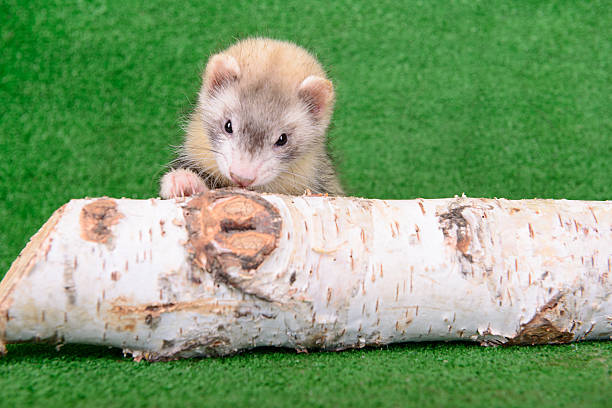
Ferrets are small mammals with a high surface-to-body mass ratio, making them particularly sensitive to temperature fluctuations. Their ability to regulate body temperature is crucial for their survival, as extreme heat or cold can lead to serious health complications. In the wild, ferrets typically live in underground burrows, which provide a stable and insulated environment. However, in captivity, it is the responsibility of the owner to ensure that the pet’s living conditions mimic this natural balance. Failure to maintain an appropriate temperature environment can lead to heatstroke in warm weather or hypothermia in cold conditions, both of which can be life-threatening for these animals.
Understanding how temperature affects a ferret’s health is essential for proper care. In hot weather, ferrets are at risk of overheating due to their limited ability to sweat and their thick fur, which can make it difficult for them to cool down effectively. High temperatures combined with humidity can rapidly lead to heatstroke, a condition that can cause organ failure and even death if not addressed promptly. On the other hand, cold weather can be equally dangerous, as ferrets have a low tolerance for low temperatures. Prolonged exposure to the cold can result in hypothermia, a condition in which the body temperature drops to dangerous levels, impairing organ function and leading to severe health complications.
Environmental factors such as air circulation, humidity, and access to shade or warmth significantly influence a ferret’s ability to regulate its body temperature. Direct sunlight, for instance, can drastically raise the ambient temperature in an enclosure, increasing the risk of heat-related illness. Conversely, drafts and cold surfaces can cause a ferret to lose body heat too quickly, making it more vulnerable to cold stress. Therefore, it is essential for ferret owners to be aware of the risks associated with extreme temperatures and to take proactive measures to create a comfortable and safe living environment. By understanding the potential dangers of both excessive heat and cold, owners can implement effective strategies to prevent heatstroke and chilling, ensuring their ferrets remain healthy and thriving.
The Physiology of Temperature Regulation in Ferrets
Ferrets are small, high-metabolism animals with a thin layer of subcutaneous fat and relatively short fur, which makes them less equipped to retain or dissipate body heat compared to larger mammals. These anatomical and physiological characteristics play a significant role in how they respond to temperature extremes. The ferret’s skin is covered in a dense fur coat, which provides insulation but can become a liability in hot weather by trapping heat. Unlike many other species, ferrets do not have sweat glands, so they rely heavily on behavioral adaptations, such as panting and seeking shade, to regulate their body temperature when it is too high. Additionally, their small body size means they have a larger surface area relative to their mass, making them more susceptible to rapid heat loss or gain depending on the surrounding environment.
One of the key physiological challenges for ferrets is their inability to adjust their fur density in response to seasonal changes. While some animals, such as dogs or cats, shed their coats during warmer months to reduce insulation, ferrets lack this adaptation. As a result, their fur can become a factor in overheating during hot weather, especially if they are not provided with adequate cooling mechanisms. On the other hand, their short fur and minimal fat reserves also make them vulnerable to cold exposure. In low temperatures, ferrets can lose body heat quickly, increasing the risk of hypothermia if they are not given sufficient warmth. Their bodies rely on muscle activity—such as shivering—to generate internal heat, but this is only effective for short periods, making external temperature control essential in cold environments.
In terms of thermoregulation, ferrets have a thermoneutral zone, which is the range of ambient temperatures where they can maintain their body temperature without expending excessive energy. For ferrets, this zone typically falls between 28°C and 30°C (82°F to 86°F), meaning that they are most comfortable in environments within this temperature range. Temperatures outside of this zone require them to either expend more energy to stay warm or risk overheating. Unlike larger mammals, which can use fat reserves to insulate their bodies, ferrets are highly sensitive to environmental temperatures and struggle to maintain stability without external assistance. This sensitivity makes it essential for owners to be mindful of temperature fluctuations and to provide appropriate heating or cooling options to keep their pets within a safe range.
The inability to regulate body temperature effectively in extreme conditions increases the risk of both heatstroke and hypothermia in ferrets. Heatstroke occurs when a ferret’s body temperature rises beyond the safe limit, typically above 41°C (105.8°F), and can lead to organ failure if not treated promptly. On the other hand, hypothermia develops when the body loses heat too quickly, leading to dangerously low internal temperatures. Because ferrets cannot produce or retain heat as efficiently as larger animals, even mild temperature changes can significantly impact their health. Understanding these physiological limitations is crucial for preventing temperature-related illnesses and ensuring that ferrets remain comfortable and safe in their living environments.
Preventing Heatstroke in Ferrets
Heatstroke is a life-threatening condition that can quickly escalate in ferrets due to their limited ability to regulate body temperature. Recognizing the symptoms is essential for prompt intervention and treatment. Common signs include excessive panting, glazed or sunken eyes, lethargy, weakness, and, in severe cases, collapse or seizures. As the body temperature rises, a ferret may become uncoordinated, stop eating, and display disorientation. In extreme cases, heatstroke can lead to organ failure and even death if left untreated. Therefore, it is crucial for ferret owners to be vigilant about the risk factors and take preventive measures to avoid such situations.
One of the primary risk factors for heatstroke is exposure to direct sunlight and high ambient temperatures. Ferrets are particularly vulnerable when left in warm, poorly ventilated enclosures or when they lack access to shade and cool areas. During hot weather, the temperature inside a cage can rise rapidly, increasing the likelihood of heat stress. To mitigate this risk, owners should ensure that ferrets have access to a cool and well-ventilated space. Placing the enclosure in a shaded area, away from direct sunlight and heat sources such as radiators or electronic equipment, is a fundamental step in temperature control. Using air conditioning or fans to improve air circulation can further help maintain a comfortable environment. However, it is essential to avoid direct drafts, as sudden exposure to cold air can shock the ferret’s system and worsen the situation.
In addition to ensuring proper ventilation, providing ample shade and water is crucial for preventing heat-related illness. Ferrets should have access to a shaded area within their enclosure that allows them to escape the sun at all times. Placing a large, sturdy shade structure or using a reflective material to block direct sunlight can help lower the temperature in the living space. A consistently available source of fresh, clean water is essential during hot weather, as dehydration can exacerbate heatstroke symptoms. Some owners may also choose to provide a shallow water dish for their ferrets to sit in, allowing them to cool down through evaporative cooling. However, it is important to avoid immersing the ferret completely in water, as this can lead to shock or discomfort.
Monitoring the temperature in the ferret’s environment is another critical aspect of heatstroke prevention. Using a thermometer to track the enclosure’s temperature ensures that it remains within a safe range. The ideal temperature for ferrets is between 28°C and 30°C (82°F to 86°F), as extreme heat increases the risk of heat-related illness. If the temperature rises beyond this range, additional cooling measures, such as placing a cool, damp cloth near the enclosure or using a fan to circulate air, can be implemented. However, these measures should be used cautiously, as excessive cooling can lead to hypothermia if the ferret’s core body temperature drops too quickly. By understanding the signs of heatstroke and implementing proactive strategies, ferret owners can significantly reduce the risk of heat-related illness and ensure their pets remain healthy and comfortable in hot weather.
Preventing Chilling and Hypothermia in Ferrets
Ferrets are particularly sensitive to cold temperatures due to their small size, minimal subcutaneous fat, and limited ability to generate internal heat. When exposed to low temperatures for extended periods, they are at risk of developing hypothermia, a condition in which their body temperature drops below the safe range, impairing vital functions such as respiration and circulation. The symptoms of chilling in ferrets can include shivering, reduced activity, a slow heart rate, and cold ears or paws. In severe cases, a ferret may appear comatose or unresponsive, indicating a critical drop in body temperature. Recognizing these early warning signs is essential for prompt intervention to prevent permanent health complications or even death.
One of the most effective ways to prevent chilling in ferrets is to provide appropriate heating. Unlike adult human and many other pets, ferrets cannot regulate their body temperature as efficiently in cold conditions, making external heat sources necessary. A safe and effective option is to use a heating pad specifically designed for ferrets and set to a low or medium setting. These pads should be positioned within the enclosure but not in direct contact with the ferret at all times, as direct exposure can cause burns. Alternatively, a ceramic heat lamp or a heat disc placed on one side of the enclosure can create a thermal gradient, allowing the ferret to move closer or farther away from the heat source as needed. It is important to ensure that the heating device is not directly over the ferret’s resting area but rather on the side of the enclosure, so the animal can regulate its own body temperature effectively.
In addition to using heating accessories, providing a warm and insulated sleeping area is crucial for preventing chilling. Ferrets should have access to a cozy, enclosed space filled with soft bedding such as cotton blankets, fleece, or nesting materials. Elevating the resting area slightly can help minimize cold exposure, as cold air tends to settle near the floor. Ferrets may also benefit from wearing a small sweater or blanket during the night, especially if the ambient temperature drops significantly. However, it is important to ensure that any clothing items are not too tight and allow for full movement, as restricted circulation can lead to additional health issues.
If a ferret is already showing signs of chilling, immediate action should be taken to warm it up. Gently wrapping the animal in a warm, dry blanket and placing it near a heating source can help restore body temperature. In severe cases, a warm water bath (not hot) or applying warm, damp towels to the ferret’s body can further assist in warming the animal. It is important to avoid using direct heat, such as microwaving a
Creating an Optimal Environment for Temperature Control
Establishing a suitable living environment is essential for maintaining an ideal temperature range for ferrets. As small mammals with a high surface-to-body mass ratio, ferrets are highly sensitive to temperature variations, making it crucial to provide them with a stable and comfortable habitat. The first step in creating an optimal environment is to select an appropriate cage that allows for proper air circulation and temperature stability. A spacious enclosure made of wire or wooden panels provides adequate ventilation while retaining warmth when needed. It is important to avoid enclosures with solid plastic bottoms, as these can trap heat in warm environments and promote cold stress in cooler conditions. Instead, opting for a wire-bottomed cage or one with a removable grate ensures better airflow, which helps prevent overheating.
Positioning the ferret’s enclosure in an area with stable temperatures is equally important. Direct exposure to sunlight, heat vents, or cold drafts should be avoided to prevent sudden temperature fluctuations. Placing the cage in a quiet, shaded corner of a room where the temperature remains consistent helps minimize external temperature influences. It is also advisable to keep the enclosure away from high-traffic areas, both to reduce temperature disruptions and to provide the ferret with a sense of security. If the ambient temperature in the house is difficult to control, placing the enclosure near a window with sheer curtains can provide a balance between natural light and insulation. In colder environments, positioning the cage against a wall or in a sheltered location can help retain warmth, whereas in warmer conditions, placing it in a cooler part of the house can help prevent heat stress.
Ventilation is a key factor in maintaining a comfortable temperature for ferrets. While proper airflow is essential to prevent heat buildup, it is also important to ensure that the environment is not too drafty, as sudden temperature drops can lead to chilling. Using a fan set to low speed can help circulate air in warm weather, but it should be positioned in a way that does not blow directly onto the ferret. Additionally, using an air purifier or dehumidifier in excessively humid conditions can further regulate the microclimate within the enclosure. Monitoring the temperature with a thermometer is recommended to ensure that it remains within a safe range—ideally between 28°C and 30°C (82°F to 86°F), where ferrets are most comfortable.
Humidity control is another crucial aspect of temperature regulation for ferrets. High humidity levels can compound the effects of heat, making it more difficult for ferrets to cool down, while excessively dry air can lead to respiratory discomfort. Maintaining a moderate humidity level, ideally between 40% and 60%, helps ensure a balanced and comfortable living environment. If the air is too dry, incorporating a small water bowl or using a humidifier can help maintain the necessary moisture level. Conversely, if the air is too humid, placing a desiccant or using a dehumidifier can prevent the accumulation of excess moisture. By carefully managing temperature, humidity, and airflow, ferret owners can create an environment that supports their pets’ health and well-being while minimizing the risk of heat stress or cold exposure.
Recognizing Behavioral Signs of Temperature Extremes in Ferrets
Ferrets are expressive animals that exhibit clear behavioral changes when they are uncomfortable due to extreme temperatures. Recognizing these signs is essential for early intervention and ensuring the well-being of the pet. In hot conditions, one of the most noticeable behaviors is excessive panting. While some panting is normal, especially after physical activity, persistent and labored panting can indicate that a ferret is struggling to cool down. Another sign of heat stress is lethargy or a lack of energy. A normally active and playful ferret may become sluggish, lose interest in toys, and spend more time lying down in an attempt to conserve energy. In severe heat stress cases, a ferret might exhibit drooling or foam at the mouth, appear disoriented, or even collapse.
In cold conditions, ferrets also display distinct behaviors to signal discomfort. Shivering is one of the most common signs of cold stress and indicates that the animal is trying to generate body heat through muscle activity. A ferret that is reluctant to move or appears stiff, with hunched posture and tucked-in limbs, is likely attempting to retain body heat. Cold-stressed ferrets often seek warmth by huddling together with other pets or burrowing into blankets and nesting materials. If a ferret is unable to find sufficient warmth, it may refuse to eat or show signs of weakness, such as wobbly movements or a decreased response to stimuli. In extreme cases, a ferret may appear unresponsive, indicating a critical drop in body temperature.
Changes in sleep patterns can also provide insight into a ferret’s comfort level. In warm weather, a ferret may sleep more than usual, seeking rest in an attempt to avoid exertion and reduce body temperature. Conversely, in cold conditions, a ferret might sleep in tighter, more compact positions to minimize heat loss. Observing a sudden shift in sleep duration or posture can help owners identify potential temperature-related discomfort. If the behavior persists despite adjustments to the environment, further investigation into the underlying causes is necessary to ensure the pet’s health is not compromised. By remaining attentive to these behavioral cues, ferret owners can take prompt action to adjust the living conditions and prevent temperature-related health issues.
Adjusting Care Based on Environmental Conditions
Proper temperature regulation for ferrets requires an adaptive approach that accounts for the specific conditions of their environment. One crucial aspect is adjusting feeding habits to support their body’s energy needs in extreme temperatures. In cold weather, ferrets may need to consume more calories to maintain their body heat. Increasing the frequency of meals or slightly elevating the caloric content of their food can help prevent weight loss and cold stress. Conversely, in hot conditions, excessive food intake can lead to discomfort and strain on the digestive system. Offering smaller, more frequent meals can be beneficial, as it prevents the animal from overexerting itself and ensures hydration. Monitoring the ferret’s weight and overall condition is essential, as sudden changes can indicate temperature-related stress.
Hydration is another critical factor in preventing temperature-related health issues in ferrets. In hot weather, the risk of dehydration is significantly increased, as ferrets pant more to cool down and lose moisture through evaporation. Providing a constant supply of fresh, clean water is essential, and some owners may opt for a shallow, wide water bowl to allow the ferret to rest its paws in the water when needed. Additionally, offering water-rich foods such as raw meat or specially formulated wet diets can help support hydration. In cold environments, while dehydration is less common, it is still important to ensure that the water source is not frozen and easily accessible. Using an insulated water bowl or a small heater designed for pet waterers can prevent ice formation, especially in colder climates.
Activity levels should also be adjusted based on the surrounding temperature. In hot weather, excessive physical exertion can rapidly lead to heatstroke, so it is advisable to limit outdoor playtime and encourage indoor activity during the cooler parts of the day, such as early morning or evening. Providing shaded areas and cool surfaces for the ferret to rest on is beneficial, as is avoiding any activity that would cause the animal to overheat, such as prolonged exposure to direct sunlight. In contrast, cold weather requires careful management to prevent chilling. Indoor play should remain available to ensure the ferret remains active and maintains muscle tone, but it is important to avoid overexertion in cold conditions, as this can deplete energy reserves and increase the risk of hypothermia. By tailoring feeding, hydration, and activity levels to the environmental conditions, ferret owners can significantly improve their pets’ comfort and overall health.
Conclusion and Emphasizing Preventive Care
Maintaining a stable and comfortable temperature for ferrets is essential for their health and well-being. As small mammals with limited ability to regulate their body temperature, ferrets are particularly vulnerable to extreme heat and cold. The risk of heatstroke in warm environments, characterized by symptoms such as excessive panting, lethargy, and disorientation, can be mitigated by providing proper ventilation, shaded areas, and access to cool water. Conversely, in colder conditions, ferrets are at risk of hypothermia, which can lead to weakness, shivering, and a decrease in activity. Preventive measures such as supplying appropriate heating sources, using insulated bedding, and ensuring the enclosure remains within a safe temperature range are crucial for maintaining a stable environment.
Creating an optimal living space for ferrets involves careful consideration of ventilation, humidity, and ambient temperature. Choosing a well-ventilated enclosure, positioning it in a location with consistent temperatures, and using climate control tools such as fans or ceramic heat emitters can help regulate air quality and prevent rapid temperature fluctuations. Additionally, monitoring temperature and humidity levels with accurate instruments ensures that the environment remains within a safe and comfortable range. Behavioral signs such as excessive panting in warm conditions or huddling for warmth in cold environments serve as valuable indicators of discomfort, allowing owners to make necessary adjustments before the situation worsens.
Adjusting feeding habits, hydration, and activity levels based on temperature is another essential aspect of ferret care. In hot weather, providing smaller, more frequent meals and ensuring access to water-rich foods helps prevent dehydration, while in cold conditions, increasing caloric intake can support the animal’s energy needs. Limiting excessive physical activity in extreme temperatures and providing suitable resting areas further contribute to the pet’s overall comfort and well-being. By understanding the unique temperature sensitivity of ferrets and implementing these preventive strategies, owners can significantly reduce the risk of heat-related and cold-related illnesses. A proactive approach to temperature management not only enhances the quality of life for these animals but also helps prevent serious health complications.
Given the potential dangers of temperature extremes, it is of utmost importance for ferret owners to remain vigilant and take necessary precautions. Regular monitoring of the living environment, prompt recognition of temperature-related symptoms, and timely intervention can make a crucial difference in maintaining the ferret’s health. By ensuring a stable and comfortable temperature range, owners can create a safe and thriving habitat for their pets, promoting longevity and overall well-being.
#FerretTemperatureControl, #FerretHeatstroke, #FerretHypothermia, #FerretCare, #FerretHealthTips, #FerretEnclosure, #FerretVet, #FerretCage, #FerretBehavior, #FerretOwner





Add comment