
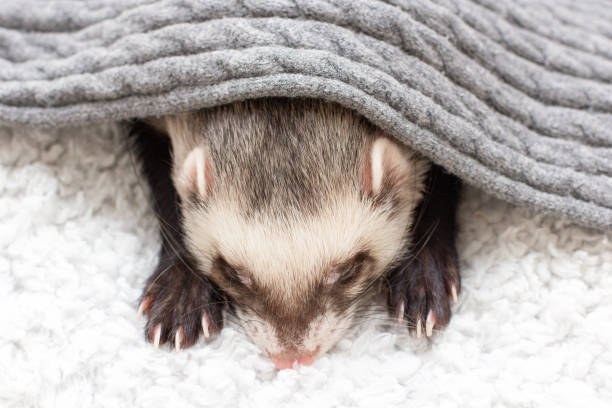
Introduction: Understanding the Mustelid Marvel
Ferrets (Mustela putorius furo) are highly intelligent, solitary pets known for their playful behavior, often referred to as “dooking” and the “ferret war dance.” They occupy a unique space in domestic pet ownership, sharing biological characteristics with animals like weasels and otters. However, the average lifespan of a domestic ferret often falls short of their potential, largely due to endemic diseases resulting from decades of intensive commercial breeding and specific biological vulnerabilities.
This exhaustive guide is designed to move beyond basic care, providing advanced insights into veterinary science, specialized nutrition, and environmental enrichment necessary to push the boundaries of the average ferret lifespan, helping owners target the 8 to 12-year mark or beyond.
I. Establishing the Baseline: What is the Average Ferret Lifespan?
The term “average” is fraught with variability based on geography, breeding origin, and, critically, the quality of preventative veterinary care.
The Typical Range
In North America, particularly for ferrets sourced from large commercial breeding facilities (e.g., Marshall Farms), the reported average lifespan is often 5 to 8 years.
In contrast, ferrets sourced from dedicated private breeders or those living in areas with advanced exotic veterinary medicine (like parts of Europe or specialized U.S. clinics) often achieve lifespans of 8 to 12 years. Instances of ferrets living to 13 or 14 years, while rare, are a testament to exemplary husbandry and proactive medical management.
Key Factors Influencing the Range
- Genetic Predisposition: Nearly all commercially bred ferrets share a similar genetic pool, predisposing them to conditions like adrenal gland disease and insulinoma.
- Dietary Compliance: Ferrets are obligate carnivores. Failure to meet their extremely high protein and fat requirements dramatically shortens life.
- Preventative Care: Aggressive intervention against hormonal diseases (like the early use of Deslorelin implants) is the single most significant factor in extending longevity.
II. The Genetic and Breeding Landscape: The Foundation of Health
Understanding the genetic challenges inherent in the domesticated ferret population is crucial for proactive longevity planning.
The Impact of Commercial Breeding
The vast majority of domestic ferrets in North America descend from a few major commercial breeding operations. Standardization in size, color, and temperament came at a high cost: genetic diversity. This limited gene pool concentrates genetic weaknesses, particularly endocrine disorders.
Adrenal Disease (Hyperadrenocorticism): While traditionally thought to be related to early spaying/neutering, many researchers now believe that a genetic predisposition is amplified by early surgical sterilization. The removal of gonads before sexual maturity (often at 6 weeks) eliminates the feedback loop to the pituitary gland, placing undue stress on the adrenal cortex and leading to hyperplasia and eventually tumors.
The Problem of Induced Reproduction
Unlike many pets, ferrets have a unique reproductive physiology. Females (jills) are induced ovulators and remain in estrus until mated. If a jill is not bred, the persistent high estrogen levels lead to aplastic anemia, which is often fatal. This necessity mandates spaying or chemical sterilization to protect the jills’ lives, but it simultaneously contributes to the lifelong endocrine challenges.
Selecting for Longevity
When acquiring a ferret, seeking responsible, small-scale breeders who focus on genetic diversity, known health lines, and delayed sterilization (if applicable) can provide a healthier foundation, though this alternative resource is often difficult to find. Owners should always seek detailed information on the parents’ and siblings’ lifespans and causes of death.
III. The Essential Pillars of Lifespan Promotion
Longevity is built upon three non-negotiable pillars: highly specialized nutrition, a secure and stimulating environment, and advanced veterinary surveillance.
Pillar 1: Specialized Nutrition – The Obligate Carnivore’s Requirement (Deep Dive)
A ferret’s digestive system is short, fast, and specifically designed to process high-quality animal protein and fat. They lack the specialized gut flora necessary to break down fiber or complex carbohydrates.
The Macro-Nutrient Profile
| Nutrient | Minimum Requirement | Rationale for Longevity |
|---|---|---|
| Crude Protein | 30% – 40% (Animal-Based) | Essential for muscle and organ maintenance; plants proteins are indigestible. |
| Crude Fat | 18% – 30% | Primary energy source; necessary for skin/coat health and disease recovery. |
| Fiber | Under 2% | Indigestible; excessive fiber causes diarrhea and nutrient malabsorption. |
| Carbohydrates/Sugars | Near 0% | High carbs stress the pancreas, increasing the risk of Insulinoma. |
Dry Kibble vs. Raw Diets
- High-Quality Kibble: If using kibble, it must be formulated specifically for ferrets or high-end kitten foods (with no grains/corn). Crucially, the first three ingredients must be animal products (chicken, meat meal, egg). Commercial “ferret” foods that rely on corn or plant fillers are detrimental to long-term health.
- Raw/Prey Model Diet (The Gold Standard): Many exotic veterinarians and enthusiasts advocate for a whole prey or balanced raw meat diet (e.g., ground chicken/turkey, supplemented with bone and organ matter). This diet closely mimics their natural intake, provides superior tooth health, and minimizes exposure to carbohydrates and high-glycemic fillers. This approach requires dedication to ensuring nutritional completeness (e.g., adequate Taurine).
Nutritional Supplements for Longevity
- Omega Fatty Acids (Fish Oil/Salmon Oil): Critical for skin, coat, joint mobility, and reducing chronic inflammation, which underlies many age-related pathologies.
- Vitamin E: Often supplemented alongside fish oil to prevent rancidity and act as a powerful antioxidant, protecting cellular health.
- Malts and Pastes (Caution): While often used for training, high-sugar pastes must be used sparingly. Frequent sugar intake contributes significantly to pancreatic stress and the onset of insulinoma. Better alternatives include meat-based liquid supplements (e.g., Carnivore Care in times of illness) or plain, cooked meat baby food.
Pillar 2: Environmental Management and Enrichment
A safe, stimulating, and stress-free environment directly reduces the physiological load on the immune system and endocrine glands.
Housing and Temperature
Ferrets are extremely sensitive to heat. They lack sweat glands (except marginally on their toe pads) and are highly susceptible to heat stroke (hyperthermia) when temperatures exceed 80°F (27°C).
- Longevity Strategy: Ensure the ambient temperature never exceeds 75°F (24°C). During power outages or summer months, supplemental cooling (frozen water bottles wrapped in towels, non-toxic cooling mats, or air conditioning) is mandatory.
Sleep and Light Cycles
Ferrets require 14 to 18 hours of sleep per day. Crucially, they are highly photosensitive. The pineal gland and the adrenal glands use light cycles (photoperiod) to regulate their hormonal output.
- Longevity Strategy: Ferrets should experience natural day/night cycles. Excessive exposure to artificial light, especially during “winter” months, is hypothesized to suppress melatonin production, further exacerbating the hormonal imbalances that lead to adrenal disease. Owners should use blackout curtains or place the sleeping enclosure in a dark area during regulated sleep hours.
Enrichment and Mental Health
Mental stimulation prevents boredom, which contributes to stress and depression. Ferrets need daily “out time” (at least 2-4 hours) outside of their cage.
- Longevity Strategy: Provide mandatory enrichment: dig boxes (rice, beans, shredded paper – never cornmeal or instant oats), PVC tunnels, interactive toys (hard plastic or metal, as rubber and foam are fatal if ingested), and rotation of new scents and textures.
Pillar 3: Specialized Veterinary Care – Proactive Surveillance
Routine dog and cat veterinary care is insufficient for ferrets. They require an exotic animal specialist who is intimately familiar with mustelid pathology.
Annual Health Audits
Starting at one year of age, ferrets should have annual comprehensive examinations focused on early disease detection, even if asymptomatic.
- Bloodwork (Minimum): Packed Cell Volume (PCV) and Total Protein (TP) to check for anemia or dehydration. A full Chemistry Panel provides baseline organ function (liver, kidney).
- Glucose Screening: Crucial for detecting early insulinoma. A ferret’s normal fasting blood glucose is significantly lower than a dog or cat (typically 90-120 mg/dL). Readings consistently below 80 mg/dL warrant further investigation.
- Adrenal Panel: Specialized blood tests (often utilizing the UF/IFAS lab) to measure adrenal hormone levels (estradiol, 17-OH progesterone, androstenedione). These expensive but essential tests can diagnose adrenal disease before tumors are palpable.
- Vaccinations: Distemper (mandatory) and Rabies (recommended/legally required). Protocols must be managed carefully, using specific ferret-approved vaccines, as ferrets are prone to vaccine reactions (anaphylaxis). Owners should often pretreat with an antihistamine and observe the ferret for 30 minutes post-vaccination.
The Proactive Hormonal Strategy (Sterilization Management)
The most advanced longevity strategy involves chemical sterilization, replacing the stress of surgical spay/neuter with controlled hormonal management.
- Deslorelin Implant (Suprelorin F): This GnRH agonist acts by initially stimulating, then suppressing, the pituitary-adrenal axis. It is the gold standard for both treating symptomatic adrenal disease and, crucially, preventing it.
- Longevity Protocol: Many leading vets recommend administering a Deslorelin implant (usually 4.7mg or 9.4mg) as a preemptive measure around 3 or 4 years of age, or even earlier, to “turn off” the hormonal cascade before the adrenal glands become diseased. Implants typically last 12-24 months and are then reapplied.
IV. Age-Specific Care and Longevity Planning
Longevity requires shifting care strategies as the ferret progresses through its distinct life stages.
1. Kit and Juvenile Stage (0 – 6 Months)
- Focus: Socialization, basic training, and establishing impeccable dietary habits.
- Key Health Point: Ensure proper vaccination timing. A common mistake is allowing a new kit to interact with unvaccinated animals before their Distemper series is complete.
2. Adult and Prime Stage (1 – 4 Years)
- Focus: Maintaining peak physical condition, preventing obesity, and monitoring subtle behavioral shifts.
- Key Longevity Strategy: Establishing the annual prophylactic vet visit. This is the optimal window to initiate Deslorelin implant therapy to prevent adrenal disease.
3. Mature Adult Stage (5 – 7 Years)
- Focus: Intensified disease screening. Most common endocrine diseases begin presenting clinically in this window.
- Key Health Point: Every six months, instead of annually, a glucose check is highly recommended to catch insulinoma when tumors are small and manageable.
4. Geriatric/Senior Stage (8+ Years)
This stage demands the highest level of detail and management. Care shifts from simple prevention to supportive and palliative strategies.
Nutritional Challenges (Senior Stage)
Seniors often experience appetite loss, tooth degeneration, and malabsorption.
- Dietary Adjustments: Soaking kibble or transitioning to a highly digestible slurry (using meat-based critical care formulas like Carnivore Care) is essential.
- Appetite Stimulation: Products rich in Omega-3s and palatable, liquid meat treats should be used as necessary. If appetite drops significantly, veterinary consultation to rule out underlying pain or disease is mandatory.
Mobility and Comfort (Senior Stage)
Seniors are prone to joint pain (arthritis) and muscle wasting (cachexia).
- Management: Ramp access instead of steep cage ladders. Soft bedding is paramount to prevent pressure sores. Glucosamine and chondroitin supplements (animal-specific) can aid joint mobility.
- Thermal Regulation: Seniors often struggle to regulate body temperature. They need constant access to cozy, warm blankets and drafts must be avoided.
Medication Management (Senior Stage)
Geriatric ferrets typically require multiple daily medications (e.g., prednisone for insulinoma, cardiac drugs). Owners must become adept at administering liquid medications accurately and reliably.
V. Major Threats to Ferret Longevity and Advanced Management
The vast majority of ferret deaths are attributable to three primary endocrine/lymphatic pathologies. Aggressive, early intervention is the only path to extended survival.
1. Adrenal Gland Disease (Hyperadrenocorticism)
This is a tumor (benign adenoma or malignant carcinoma) of the outer layer of the adrenal gland, leading to the overproduction of sex hormones (not cortisol, as in dogs/humans). It is the most common debilitating disease.
Signs: Hair loss (alopecia, usually starting on the tail/flanks), pruritus (itchiness), swollen vulva in females, prostate enlargement/difficulty urinating in males, and increased aggression.
Advanced Longevity Management:
- Surgery: If caught early and the tumor is resectable (and the patient is stable), surgical removal of the affected gland remains the only true cure.
- Medical Management (Deslorelin): If surgery is not an option (due to metastasis, advanced age, or bilateral tumors), Deslorelin implants are the primary medical treatment. They suppress the hormones, reversing the signs and slowing tumor growth, adding years of quality life.
2. Insulinoma (Pancreatic Islet Cell Tumors)
These are tumors of the beta cells in the pancreas that lead to an overproduction of insulin, causing dangerous, recurrent hypoglycemia (low blood sugar).
Signs: Lethargy, “staring into space,” excessive drooling, pawing at the mouth, hind-end weakness, and in severe cases, seizures and coma.
Advanced Longevity Management:
- Dietary Management: Frequent, small, high-protein, zero-sugar meals stabilize blood sugar. Ferrets should never be fasted.
- Medication: Prednisone (Corticosteroid): Elevates blood glucose by causing resistance to insulin. Diazoxide: Inhibits insulin release. The combination is standard treatment.
- Emergency Care: Owners must have readily available high-sugar syrup (Karo) or honey to rub onto the mucous membranes during a hypoglycemic crisis, followed immediately by a proper meat meal.
3. Lymphoma and other Cancers
Ferrets are prone to various cancers, the most alarming often being Lymphoma (cancer of the lymphatic system). Lymphoma can strike at any age (juvenile form: highly aggressive; adult form: slower progression).
Signs: Weight loss, massive splenomegaly (enlarged spleen, often palpable), lethargy, and lumps near lymph nodes.
Advanced Longevity Management:
- Diagnosis: Biopsy or Fine Needle Aspirate (FNA) is necessary.
- Treatment: Chemotherapy protocols are available and often well-tolerated by ferrets, offering months or occasionally years of extended quality life. Steroids (Prednisone) offer effective palliative care for symptom relief.
4. Cardiomyopathy and Heart Health
Many older ferrets develop heart disease, presenting as dilated or hypertrophic cardiomyopathy.
Signs: Exercise intolerance, weakness, coughing, and difficulty breathing (often mistaken for aging by owners).
Advanced Longevity Management:
- Diagnosis: Echocardiogram (ultrasound of the heart) by a specialized vet.
- Treatment: Standard cardiac medications (e.g., Pimobendan, ACE inhibitors, diuretics) are effective in managing symptoms and slowing disease progression, significantly improving quality of life in the senior years.
VI. Quality of Life and End-of-Life Care
Longevity is meaningless without concurrent quality of life. The final stages require careful assessment of pain and comfort.
Pain Recognition
Ferrets are masters at masking pain (a survival instinct). Subtle signs of chronic pain include:
- Reluctance to move or climb.
- Grinding teeth (bruxism).
- Hissing or biting when touched in a specific area.
- Persistent appetite loss.
Hospice and Palliative Care
When curative treatments are no longer viable, the focus shifts to comfort.
- Temperature and Hydration: Subcutaneous fluids help manage dehydration common in older, sick ferrets.
- Managing Nausea: Anti-nausea and appetite stimulant medications are critical.
- Euthanasia Decision: The decision to euthanize is the final act of kindness. Owners should assess the “H5M2” quality of life scale: Hurt, Hunger, Hydration, Hygiene, Happiness, Mobility, and More Good Days than Bad. When bad days outweigh the good, humane euthanasia is the responsible choice to prevent needless suffering.
Conclusion: The Commitment to Excellence
Achieving the upper limits of the ferret lifespan is not an accident—it is the result of focused, proactive, and often expensive veterinary management coupled with impeccable daily husbandry. The owner of a ferret must commit to understanding and mitigating the unique biological vulnerabilities inherent in the species.
By implementing advanced preventative care protocols—namely preemptive management of endocrine disease through implants, high-quality obligate carnivore nutrition, and vigilant monitoring for subtle signs of insulinoma—owners can move their pet from the average lifespan of 5-8 years into the realm of the 10-12+ year longevity, ensuring a long, contented life filled with plenty of dooks and war dances.
#DailyDook #FerretFacts #FurryFriends #FerretCareTips #HealthyFerret #PetParentingGoals #FerretLife #WarDance #FerretsRule #Suprelorin #FerretLongevity #FerretHealthGuide #ExoticPetCare #FerretAdrenalDisease #FerretsOfInstagram #PetHealthEducation #FerretVeterinaryCare #MustelidLife #SeniorFerretLove #Ferrets




Add comment