
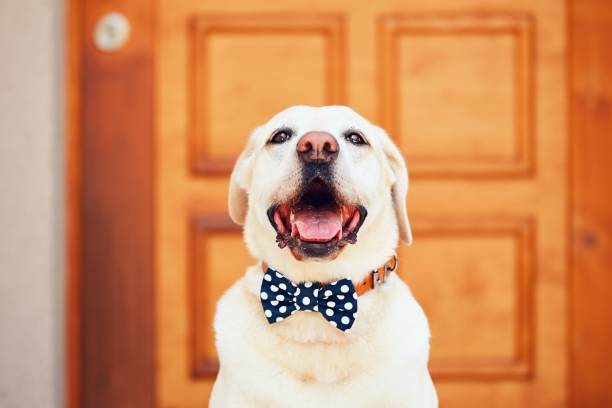
This guide delves into one of the most intriguing and often misunderstood aspects of canine communication: the baring of teeth. While for humans, baring teeth almost universally signals aggression or a threat, in the complex world of dogs, this single visual cue can represent a spectrum of emotions and intentions, from an overt warning snarl to a joyful, appeasing play grin. Misinterpreting these signals can lead to anything from a missed opportunity for playful interaction to a dangerous bite.
Understanding the subtle nuances between a snarl and a play grin is not merely an academic exercise; it is a critical skill for responsible dog ownership, ensuring safety for both humans and canines, fostering stronger bonds, and promoting harmonious coexistence. This comprehensive guide aims to equip you with the knowledge to accurately decode “the bare teeth” in dog behavior, meticulously examining the visual cues, contextual factors, and associated body language that differentiate these two vastly different expressions.
I. Introduction: The Enigma of the Bare Teeth
Dogs, our loyal companions, communicate through a rich and intricate lexicon that transcends mere barks and whines. Their language is a symphony of body postures, tail movements, ear positions, vocalizations, and, perhaps most subtly, facial expressions. Among these, the baring of teeth stands out as a particularly potent, yet frequently misconstrued, signal. A flash of teeth can be a stark warning, a last-ditch effort to avoid conflict, or, conversely, an endearing invitation to play, a gesture of deference, or even a display of profound happiness.
The human tendency to anthropomorphize often leads to misinterpretations. We project our own understanding of a “smile” or a “grimace” onto our dogs, sometimes entirely missing the true message they are desperately trying to convey. A dog “smiling” at a stranger might be perceived as friendly, when in reality, it could be a highly stressed attempt at appeasement. Conversely, a dog exhibiting what appears to be a threatening snarl might simply be engaging in an exaggerated play face, if not for the broader context of its body language.
This guide will systematically dissect the components of canine facial communication, providing a detailed framework to distinguish between the ominous snarl—a clear signal of fear, defense, or aggression—and the benign play grin—an indication of joy, submission, or an invitation to interact. By understanding these distinctions, we can navigate our interactions with dogs more safely, compassionately, and effectively, building trust and preventing misunderstandings that can have serious consequences.
II. The Anatomy of a Dog’s Face and Its Role in Communication
To truly decode canine facial expressions, we must first appreciate the intricate musculature and sensory organs that contribute to them. A dog’s face is a highly expressive canvas, far more nuanced than many might initially assume.
A. Muscles of Expression: Dogs possess a complex array of facial muscles, particularly around the mouth, eyes, and ears, that allow for a wide range of movements.
- Orbicularis oris: The muscle surrounding the mouth, crucial for lip movements like retraction, protraction, and tightening.
- Zygomaticus: A muscle that pulls the corners of the mouth back, contributing to both snarls and grins.
- Levator nasolabialis: Raises the upper lip and flares the nostrils, prominent in snarls.
- Orbicularis oculi: Encircles the eye, allowing for narrowing, squinting, and changes in eye shape.
- Ear Muscles: Numerous muscles control the movement and position of a dog’s ears, which are pivotal in conveying mood and intent.
B. Sensory Organs:
- Eyes: The shape of the eye, pupil dilation, and the visibility of the whites (sclera) are powerful indicators of emotion. A hard stare versus a soft gaze, or the presence of “whale eye,” tells a different story.
- Ears: Highly mobile and sensitive, ears can be pinned back, pricked forward, or held in a relaxed, natural position. Their orientation provides clues about a dog’s focus, fear, or confidence.
- Mouth/Muzzle: Beyond just the teeth, the overall tension, wrinkling, and shape of the muzzle and lips are critical. Is the mouth open or closed? Are the lips tight or loose?
- Nose: While not as overtly expressive as eyes or mouth, a dog’s nose can wrinkle or flare, especially during a snarl, indicating tension.
These individual components do not act in isolation. They form part of a holistic communication system, where each signal modulates and informs the others. Therefore, interpreting a dog’s bare teeth requires observing the entire facial landscape in conjunction with its complete body language and the surrounding environmental context.
III. Decoding the Snarl: A Warning Signal
The snarl is unequivocally a warning. It is a clear, unmistakable signal that a dog is feeling threatened, fearful, defensive, or aggressive, and is prepared to escalate its behavior if the perceived threat does not retreat. A snarl is rarely the first sign of discomfort; it is often a later cue in a “ladder of aggression,” indicating that earlier, more subtle warnings have been ignored or misunderstood.
A. Purpose of the Snarl:
- Threat Display: To deter an approaching threat without physical contact.
- Warning: A pre-bite signal, indicating the dog is close to biting.
- Fear/Defense: When a dog feels trapped, cornered, or overwhelmed.
- Pain/Discomfort: A common reaction when a dog is injured or in pain and anticipates being touched.
- Resource Guarding: Protecting valued possessions (food, toys, space, people).
- Territoriality: Defending its perceived space from intruders.
B. Key Visual Cues of a Snarl (Detailed Breakdown):
- Lips:
- Pulled Back Tightly: The lips are drawn back, often vertically, creating deep furrows or wrinkles around the muzzle. This retraction is usually symmetrical or more pronounced on one side.
- Revealing Canines and Incisors: The primary teeth exposed are typically the long, pointed canines and the front incisors, sometimes extending to the premolars. The exposure is often wide and prominent.
- Tension: The muscles around the mouth are visibly tense and taut. The corners of the mouth are not relaxed or pulled back horizontally, but rather held stiffly.
- Gums Visible: Often, the gums above the canines and incisors are visible, appearing tight and possibly pale.
- Muzzle:
- Tensed and Wrinkled: The skin on the bridge of the nose and around the muzzle is often furrowed, creating a “bunched up” appearance. This tension is a clear indicator of stress and readiness.
- Pushed Forward (sometimes): In some snarls, the muzzle might be slightly pushed forward, accentuating the “ready to strike” posture.
- Nostrils Flared: Increased tension can cause the nostrils to flare, reflecting heightened arousal.
- Teeth:
- Primary Focus on Canines: The canines, designed for tearing and puncturing, are prominently displayed. These are the “weaponry” of the dog.
- Fuller Display: While not always all teeth, the display tends to be more encompassing of the sharp, dangerous teeth, rather than just the small incisors.
- Upward Curl of Lips: The upper lip curls upwards, creating a distinct “U” shape around the bared teeth.
- Eyes:
- Hard, Direct Stare: The eyes appear narrowed, intense, and often fixed directly on the perceived threat. There is no softness or blinking.
- “Whale Eye”: The whites of the eyes (sclera) become visible around the iris, especially on the periphery, as the dog turns its head but keeps its eyes fixed. This is a significant indicator of stress and potential aggression.
- Dilated Pupils: Pupils may dilate, especially in low light or due to high arousal (fear/aggression).
- Lack of Blinking: A fixed, unblinking gaze suggests heightened vigilance and tension.
- Ears:
- Pinned Back Tightly: Ears are often flattened against the head, indicating fear, apprehension, or a defensive posture.
- Stiffly Pricked Forward: Conversely, ears can be held rigidly forward, signaling alertness, focus, and a confrontational stance.
- Lack of Relaxation: The ears will not be in a soft, natural, or mobile position. They are held deliberately.
C. Associated Body Language (Crucial Context): A snarl is rarely an isolated signal. It is almost always accompanied by a constellation of other body language cues that solidify its meaning:
- Stiff, Rigid Posture: The dog’s entire body will appear tense, frozen, or rigid. Muscle definition may be visible.
- Weight Distribution: Weight might be shifted forward, indicating a readiness to lunge, or shifted backward, signaling fear and a desire to retreat, but still ready to defend.
- Tail Position:
- Tucked Low and Still: Indicating fear and submission (fear aggression).
- High and Rigid/Rapidly Vibrating: Held stiffly, possibly with a very small, stiff wag, indicating high arousal and potential aggression. This is distinct from a loose, wide, happy wag.
- Hackles Raised (Pilorection): The hair along the dog’s spine (from neck to tail) may stand on end, making the dog appear larger and more intimidating.
- Lowered Head: Sometimes the head is lowered, with the gaze still directed upwards or forwards, a classic aggressive posture.
- Freezing: The dog might momentarily freeze, becoming perfectly still before reacting.
- Resource Guarding Posture: The dog positions itself over or near the guarded item, often with a stiff body and direct stare.
D. Vocalizations Associated with a Snarl:
- Growling: A low, guttural rumble that can vary in intensity. This is the classic auditory warning.
- Rumbling: A softer growl, often a precursor or a mild warning.
- Snapping: A quick, open-and-close motion of the mouth, often without making contact, but indicating a readiness to bite.
- Barking (Aggressive): Sharp, insistent barks, often with a low tone, can precede or accompany a snarl.
E. Action Plan When Encountering a Snarl:
- Do NOT Approach: This is paramount. Approaching a snarling dog can escalate the situation quickly.
- Create Space: Slowly and calmly back away, increasing the distance between yourself and the dog.
- Avoid Direct Eye Contact: A direct stare can be perceived as a challenge and further provoke the dog.
- Remain Calm: Your own tension can feed the dog’s anxiety. Move slowly and deliberately.
- Do Not Punish: Yelling, hitting, or otherwise punishing a snarling dog will likely increase its stress and confirm its perception of you as a threat, potentially leading to a bite.
- Identify the Trigger (from a safe distance): Try to understand what caused the snarl. Was it resource guarding? Fear? Pain?
- Seek Professional Help: If your dog regularly snarls, especially at people or other animals, it is crucial to consult with a Certified Professional Dog Trainer (CPDT-KA), a Certified Applied Animal Behaviorist (CAAB), or a Veterinary Behaviorist (DACVB). This is a serious behavioral issue that requires expert intervention.
IV. Decoding the Play Grin (Submissive Grin, Happy Grin): An Invitation or Appeasement Signal
The play grin, often charmingly referred to as a “smile,” is a friendly, non-threatening signal that can serve several purposes: inviting interaction, expressing joy, or demonstrating appeasement or submission. It is fundamentally different from a snarl in its intention, which is to diffuse tension and encourage positive engagement.
A. Purpose of the Play Grin:
- Greeting: A common display when greeting beloved humans or familiar dogs.
- Invitation to Play: Often seen during play bows or other play solicitations.
- Appeasement/Submission: A way to signal non-threat to a perceived higher-ranking individual (human or dog) or to de-escalate potential conflict.
- Excitement/Happiness: Some dogs genuinely “smile” when they are overwhelmingly happy, such as at walk time or when their owner returns home.
- Attention-Seeking: A learned behavior where dogs realize this expression elicits a positive response from humans.
B. Key Visual Cues of a Play Grin (Detailed Breakdown):
- Lips:
- Drawn Back Horizontally: The corners of the mouth are pulled back towards the ears, creating a wide, horizontal stretch of the lips. This is a key differentiator from the vertical tension of a snarl.
- Soft and Relaxed: The muscles around the mouth are loose and relaxed, not tense or furrowed.
- Revealing Incisors (Primarily): The small front teeth (incisors), sometimes called “chicklet teeth,” are typically visible. The tips of the canines might be exposed, but rarely the full length of the canine, and not in an aggressive, upwards-curling manner.
- Gums Not Visibly Tense: If gums are visible, they appear soft, not taut or pale.
- Muzzle:
- Relaxed and Smooth: The skin on the muzzle and bridge of the nose is smooth, without wrinkles or tension.
- No Forward Push: The muzzle remains in a natural, relaxed position.
- Teeth:
- Primary Focus on Incisors: The small front teeth (“chicklet teeth”) are the most prominent, giving a “toothy smile” appearance.
- “Half-Moon” Shape: The curve of the lips often creates a U- or half-moon shape, with the teeth visible within this relaxed curve.
- Not a Weapon Display: The display of teeth is not intended as a threat; rather, it’s a non-threatening exposure.
- Eyes:
- Soft, Squinty, or “Sparkly”: The eyes appear soft, often slightly narrowed or squinted, sometimes described as “smizing” (smiling with the eyes).
- No Hard Stare: The gaze is soft, often indirect, or involves playful glances with frequent blinking.
- No “Whale Eye”: The whites of the eyes are not prominently displayed in a tense manner (unless the dog is also showing overall stress, which would then be a dominant factor).
- Relaxed Pupils: Pupils are typically in their normal, relaxed state, not dilated from fear or aggression.
- Ears:
- Relaxed Position: Ears are typically held in a natural, relaxed position for the breed, possibly slightly back or to the side, but not pinned tightly.
- Mobile and Floppy: They may be twitching, flopping, or moving expressively in conjunction with other body language, indicating engagement.
- Not Stiffly Forward: They are not rigidly pricked forward in an alert, confrontational manner.
C. Associated Body Language (Crucial Context): The play grin is invariably accompanied by an array of relaxed, inviting, or appeasing body signals:
- Loose, Wiggly, Fluid Body: The entire body is relaxed and supple, often with a “wiggly” or “butt-wiggling” motion from side to side.
- Play Bow: One of the clearest invitations to play, where the front end of the dog is lowered to the ground (elbows down), while the rear end remains up, often with a wagging tail.
- Tail Wagging:
- High, Loose, Rapid, Wide Wag: A broad, sweeping wag of the tail, often involving the entire rear end.
- Low and Rapid “Helicopter” Wag: A fast, circular wag, often with the tail low, also indicating excitement and friendliness. This contrasts sharply with a stiff, high, or tucked tail.
- Bouncing, Pouncing, Exaggerated Movements: Playful dogs often engage in exaggerated, springy movements, inviting a chase or wrestling.
- Soft, Inviting Posture: The dog might lean in gently, solicit petting, or present itself for interaction.
- Head Cocked: Tilted head, often with an inquisitive or playful expression.
- Approach-Retreat Behavior: A common play solicitation where the dog approaches, then retreats slightly, inviting a chase.
D. Vocalizations Associated with a Play Grin:
- Happy Yips: Short, high-pitched barks or yips.
- Playful Barks: Light, excited barks, often in bursts.
- Soft Whines: Gentle, appeasing whines.
- Excited Panting: Rapid, open-mouthed breathing, particularly when excited or exerting energy during play.
- Absence of Growling: Crucially, there will be no deep, guttural growls. Play growls, which are often higher pitched and combined with relaxed body language, are distinct from aggressive growls.
E. Action Plan When Encountering a Play Grin:
- Respond in Kind: Acknowledge the dog’s friendly overture with a calm, happy tone of voice and appropriate body language.
- Engage if Appropriate: If the dog is known to you and you wish to play, gently respond to its invitation.
- Maintain Calm if Appeasement: If it appears to be a submissive or appeasement grin, respond gently and calmly to reassure the dog. Avoid intense stares or sudden movements.
- Acknowledge Positive Communication: Reward the dog’s clear and positive communication with positive interaction.
V. The Critical Role of Context and the “Full Picture”
The single most important principle in decoding any dog behavior, especially the bare teeth, is to never isolate a single signal. A dog’s communication is multimodal, meaning it uses all parts of its body and vocalizations simultaneously. Context is king.
A. Multi-Modal Communication: Imagine trying to understand a single word of a foreign language without knowing the sentence, the speaker’s tone, or the situation. It’s impossible. Similarly, the bare teeth are just one “word” in a dog’s complex “sentence.”
- Head, Eyes, Ears, Mouth: All facial features must be observed together.
- Tail: Its position, speed, and breadth of wagging are crucial.
- Posture: Is the body stiff or loose? Forward or backward?
- Movement: Is the dog moving fluidly, or is it frozen, or making quick, jerky movements?
- Vocalizations: What sounds, if any, accompany the visual display?
B. Environmental Context:
- Location: Is the dog in its own home, a neutral park, a crowded street, or a new, unfamiliar environment?
- Presence of Others: Who else is around? Other dogs, children, strangers? The dynamics of these interactions are vital.
- Recent Events: What just happened? Was the dog startled? Was food just introduced? Was a toy taken away?
C. Behavioral Context:
- Preceding Actions: What was the dog doing just before it bared its teeth? Was it playing? Eating? Resting?
- Following Actions: What does the dog do immediately after? Does it approach, retreat, become rigid, or solicit play?
D. Individual Dog Context:
- Breed: Some breeds naturally have more wrinkled faces (e.g., Bulldogs, Pugs) that can make lip tension harder to discern. Others (e.g., Boxers) are known for their “smiley” faces.
- Personality: Some dogs are naturally more expressive, while others are more reserved.
- Past Experiences: A rescue dog with a history of abuse might display fear aggression more readily. A well-socialized dog might be more prone to play grins.
- Health Status: A dog in pain might snarl when touched, even if it’s typically friendly.
E. The “Ladder of Aggression”: A snarl is often a later warning signal. Dogs typically display a series of escalating stress signals before resorting to a bite. These can include:
- Subtle signs: Lip licking, yawning, nose licking, turning head away, soft blink.
- Increased discomfort: Freezing, tense body, stiff tail, turning body away, “whale eye,” growling.
- Clear warnings: Snarl, snap, lunge. Understanding this ladder helps us intervene earlier, before a dangerous situation develops. A play grin, conversely, is generally at the beginning or middle of a “ladder of engagement.”
VI. Special Considerations & Nuances
While the primary distinction between a snarl and a play grin is usually clear, certain factors can add layers of complexity.
A. Breed Differences:
- Brachycephalic breeds (Pugs, Bulldogs, Boxers): Their flattened faces, natural wrinkles, and prominent underbites can make interpreting lip tension and teeth display more challenging. A Boxer’s natural “smile” can be quite pronounced. Owners of these breeds need to pay extra attention to overall body language.
- Dolichocephalic breeds (Greyhounds, Collies): Their longer muzzles and more defined facial structure might make subtle lip movements more visible.
B. Individual Variation: Not every dog fits the textbook description perfectly. Personalities, learning, and unique quirks mean some dogs will have slightly different expressions. Owners should spend time observing their own dog’s specific communication style.
C. The “Submissive Snarl/Grin”: This is a rare but important phenomenon where a dog might technically ‘snarl’ (showing teeth with some tension) but in a context of intense appeasement or fear-based submission. This is not aggression, but extreme stress. The dog may be on its back, head low, with lips pulled back and some teeth showing, but the eyes will be soft, ears back, and the body language will be focused on saying “I’m no threat, please don’t hurt me.” This is a difficult expression to interpret and indicates a highly stressed dog that needs space and gentle reassurance, not interaction. It underscores the critical need for context.
D. Pain-Induced Expressions: A dog in pain can become uncharacteristically aggressive or defensive. What might appear as an aggressive snarl could be a reaction to anticipated pain when touched. Always rule out medical issues if a dog suddenly starts snarling or acting defensively.
E. Learning and Observation: The best way to become proficient in decoding these signals is through consistent observation.
- Watch your own dog: Pay attention to its default expressions and how they change in different situations.
- Watch other dogs: At parks, in videos – observe how different dogs communicate.
- Educate yourself: Read reliable sources, attend seminars, or consult with dog behavior professionals.
F. Children and Dogs: Children are particularly vulnerable to misinterpreting dog signals. Their natural exuberance and lack of understanding of canine cues can easily escalate a situation. It is crucial to teach children about dog body language, especially the clear warning signs of a snarl, and to supervise all interactions between children and dogs.
VII. Teaching and Training for Better Communication
Understanding dog communication isn’t just about interpretation; it’s also about proactive training and fostering an environment where dogs feel safe to express themselves.
A. Positive Reinforcement: Building a trusting relationship through positive reinforcement training helps your dog feel secure. When dogs feel safe, they are less likely to resort to extreme fear or defensive behaviors.
B. Socialization: Proper, positive socialization during puppyhood (and ongoing throughout life) helps dogs learn appropriate social cues and develop confidence in various situations. This can reduce the likelihood of fear-based snarling.
C. Understanding Triggers: Responsible owners strive to identify what makes their dog uncomfortable or anxious. By recognizing and, if possible, avoiding or mitigating these triggers, you can prevent situations where a snarl might occur. For instance, if your dog resource guards, manage the environment to prevent direct confrontations over resources.
D. When to Seek Professional Help: If you frequently observe your dog snarling, or if you are unsure about interpreting its signals and want to ensure safe interactions, it is always best to consult with a qualified professional:
- Certified Professional Dog Trainer (CPDT-KA): Can help with basic training and behavior modification.
- Certified Applied Animal Behaviorist (CAAB): Has advanced degrees and expertise in animal behavior problems.
- Veterinary Behaviorist (DACVB): A veterinarian with specialized training in animal behavior, who can also address medical components of behavioral issues and prescribe medication if necessary.
Never attempt to “fix” aggression or severe fear behavior on your own, as you could inadvertently make the situation worse or put yourself at risk.
VIII. Conclusion
The bare teeth in dog behavior, whether a formidable snarl or an endearing play grin, represent a powerful testament to the complexity and richness of canine communication. Far from being a simple, monolithic signal, this display is imbued with a spectrum of meanings, dictated by the intricate interplay of facial musculature, vocalizations, overall body posture, and the all-important environmental and social context.
To accurately decode these signals requires a keen eye, a patient mind, and a commitment to understanding the world from a dog’s perspective. A snarl is a serious warning, demanding space and respect, often indicating fear, pain, or a defensive stance. It is a plea for the perceived threat to recede, and ignoring it can have dangerous consequences. Conversely, a play grin is an invitation to engage, a gesture of happiness, or a signal of appeasement, designed to foster positive interactions and diffuse tension.
By diligently observing the entire “picture”—from the tension in the muzzle and the shape of the eyes to the carriage of the tail and the accompanying sounds—we can move beyond superficial interpretations. This deeper understanding not only safeguards individuals from potential harm but also enriches the human-canine bond, allowing for more empathetic interactions, clearer communication, and a more harmonious life together. Continuous learning, responsible ownership, and a willingness to seek professional guidance when needed are the cornerstones of truly understanding and respecting our canine companions.
#DogBehavior, #CanineCommunication, #DogBodyLanguage, #SnarlVsGrin, #DogSafety, #DogTrainingTips, #PetParenting, #UnderstandingDogs, #DogPsychology, #HappyDog, #AggressionInDogs, #PlayfulPup, #DogLove, #AnimalBehavior, #DogExpressions, #MuzzleTalk, #TailTalk, #DogSignals, #PetHealth, #DogEducation, #RespectYourDog, #SafeInteractions, #DogWhisperer, #DecodeYourDog





Add comment