
Ducks are an increasingly popular choice for egg production due to their unique advantages over traditional chicken breeds. Among various duck breeds, those known for their excellent egg-laying capabilities stand out for their productivity and adaptability. Unlike chickens, ducks have a higher resistance to wet conditions, making them well-suited for environments where moisture is a concern. Additionally, duck eggs have a higher moisture and fat content compared to chicken eggs, which gives them a richer flavor and longer storage life, making them a desirable option for both home cooks and commercial producers. Their eggs are also naturally larger, which appeals to those who prefer a more substantial egg yield.
In terms of environmental sustainability, ducks offer several benefits that make them a practical addition to both small backyard flocks and industrial-scale farming operations. Ducks are efficient foragers, often consuming a wide variety of vegetation and small insects, reducing the need for commercial feed in self-sufficient farming models. Their waste, when properly managed, can be an excellent source of natural fertilizer for gardens and crops, promoting a more circular and eco-friendly farming approach. Moreover, ducks contribute to pest control by feeding on snails, slugs, and other nuisance insects, reducing the reliance on chemical pesticides in agricultural settings.
When considering the role of duck breeds in food production, their egg-laying capabilities are a crucial factor. Unlike many chicken breeds, which experience significant drops in egg production after their first year, certain duck breeds maintain a more consistent laying cycle, even in harsher climates. This reliability makes them a valuable asset for those looking to diversify their egg sources while maintaining a steady supply of fresh, high-quality duck eggs. Whether for small-scale homesteads or large commercial farms, egg-laying ducks provide an excellent opportunity for sustainable, low-maintenance egg production. With the right breeding and management practices, duck egg production can be as efficient and reliable as its chicken counterparts, making it a wise investment for both backyard enthusiasts and professional farmers alike.
Advantages of Duck Breeds in Egg Production
Duck breeds known for their high egg production offer several distinct advantages over traditional chicken breeds, particularly in their adaptability to various environments and their superior disease resistance. One of the key factors contributing to their popularity is their ability to thrive in both wet and dry conditions. Unlike chickens, which can become stressed in wet climates, ducks are naturally at home in these environments, thanks to their ability to swim and forage for food. This unique characteristic makes them ideal for small-scale farms and large commercial operations alike, especially in regions with a high water table or frequent rainfall. Farmers can leverage this adaptability by utilizing duck flocks in mixed farming systems that include aquaculture or integrated pest management, enhancing overall productivity while maintaining ecological balance.
In addition to their environmental versatility, certain duck breeds exhibit a longer laying cycle and higher annual egg production compared to their chicken counterparts. For instance, breeds like the Khaki Campbell are recognized for their excellent egg-laying performance, producing up to 200 to 300 eggs per year. This consistency in output is crucial for small-scale producers who rely on a steady supply of eggs to support their families or local markets. Furthermore, the quality of duck eggs is also a significant draw; they are known for their rich, full-bodied flavor and larger size, which can command premium prices in niche markets, especially for gourmet dishes and artisanal products.
Moreover, the superior disease resistance of many duck breeds contributes to their reliability in both backyard and commercial settings. Ducks generally have a hardy constitution and can withstand various health challenges, which is particularly beneficial when raising animals in lower-input systems without the benefit of veterinary care. This resilience reduces the need for antibiotics and other interventions, aligning with the growing consumer demand for organic and antibiotic-free products. As a result, duck farming can be seen as a more sustainable option, especially as the agricultural community seeks to adopt practices that prioritize animal welfare and environmental health.
In terms of practicality, raising ducks for eggs can also contribute to the overall health of the ecosystem. Their foraging behavior promotes biodiversity by managing vegetation and insect populations, which in turn can reduce the need for chemical pesticides and fertilizers. For small-scale farmers, this not only enhances soil fertility but also leads to cost savings, making duck farming an attractive option in a competitive agricultural landscape.
Overall, the advantages of duck breeds in egg production make them a compelling choice for farmers and homesteaders alike. Their adaptability to diverse conditions, longer laying cycles, and disease resilience support a reliable and sustainable approach to egg production. As the agricultural sector continues to evolve, the role of ducks in food systems is likely to become even more significant, providing an innovative solution to the challenges posed by climate change and resource scarcity. By focusing on the unique traits of these breeds, farmers can capitalize on their strengths to enhance productivity while promoting a more sustainable and resilient food system. 🦆
Top Egg-Laying Duck Breeds for Backyard Flocks and Large-Scale Commercial Farming
When selecting duck breeds for egg production, it is essential to consider factors such as laying performance, adaptability to different farming systems, and overall productivity. Several duck breeds stand out for their exceptional egg-laying capabilities, making them valuable choices for both small backyard flocks and large-scale commercial operations. Among the most well-known egg-laying duck breeds are the Pekin Duck, Khaki Campbell, Anas Platyrhynchos (Mallard), and Indian Runner, each with unique characteristics that suit different farming environments and goals.
The Pekin Duck is one of the most widely recognized duck breeds for egg production, especially in industrial-scale farming. Known for their white plumage and compact, broad build, Pekin Ducks are highly productive when properly managed. They typically reach maturity at around 6 to 7 months and lay approximately 200 to 250 eggs per year. While they can be raised for meat, their ability to sustain consistent egg laying makes them an excellent dual-purpose breed. Pekin Ducks thrive in controlled environments such as indoor poultry houses or well-secured outdoor runs, where they can receive proper nutrition and water access. Their popularity in commercial duck farming is due in part to their efficiency in converting feed into eggs, making them a cost-effective option for large-scale producers.
For smaller-scale farms and backyard flocks, the Khaki Campbell is an ideal choice due to its high laying capacity and adaptability. Often referred to as the “egg layer of the duck world,” Khaki Campbells are among the most productive duck breeds, with hens laying up to 200 to 300 eggs per year when well-fed. They begin laying at around 18 to 20 weeks of age, making them one of the fastest-maturing breeds for egg production. These ducks are particularly well-suited to mixed farming systems, where they can forage for insects and plant material, reducing the need for commercial feed. Their compact size and resilience make them suitable for a wide range of environments, from suburban backyards to small commercial farms. Although they are not primarily raised for meat, Khaki Campbells remain a popular choice for duck egg production due to their consistent laying performance and hardy nature.
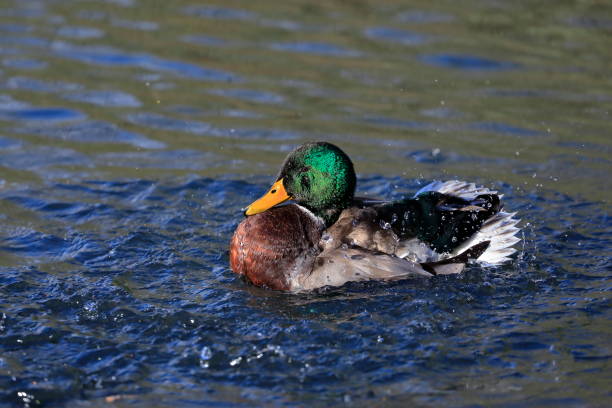
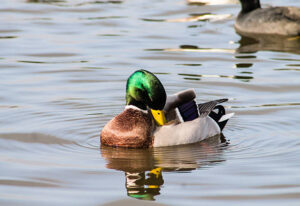
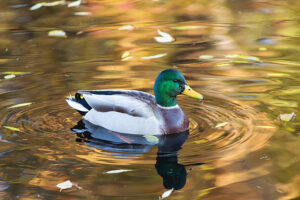
The Anas Platyrhynchos, also known as the Mallard, represents a heritage duck breed that plays a critical role in conservation efforts while also being a productive egg layer. Mallards are known for their strong foraging abilities and adaptability to natural environments. While they typically lay fewer eggs per year than domesticated breeds—usually between 80 to 100 eggs—young hens may produce more during their first laying season. These ducks are often used in breeding programs to maintain genetic diversity and improve the hardiness of other duck breeds. Although they may not be as efficient as commercial breeds in controlled settings, their ecological value and ability to thrive in wild and semi-wild environments make them an important part of sustainable duck farming.
For small-scale farmers who require a compact and efficient breeder, the Indian Runner is an excellent choice. Known for their upright posture and distinctive appearance, Indian Runners are highly productive and can lay up to 160 to 200 eggs per year. They are particularly well-adapted to smaller spaces, making them an ideal option for home-based duck farming. These ducks are also known for their agility and ability to navigate challenging terrains, which enhances their foraging capabilities. However, they may require additional care due to their lower tolerance for cold climates. When raised in temperate or warm regions, Indian Runners can be a reliable source of duck eggs, complementing backyard flocks or small commercial ventures.
Other notable duck breeds for egg production include the Magpie Duck, which is prized for its high laying capacity and blue and white plumage, as well as the Cayuga Duck, known for its jet-black feathers and consistent egg output. Each of these breeds offers unique benefits depending on the specific needs of the farmer or homesteader, allowing for a tailored approach to duck egg production in diverse environments.
Understanding the Egg Laying Cycle of Ducks
The laying cycle of ducks is characterized by a distinct pattern that allows for relatively consistent egg production over time, making them a reliable option for both small-scale and commercial farming. Most duck breeds begin laying eggs at a younger age than chickens, with many reaching their sexual maturity between 5 and 6 months old. This early onset of egg production is advantageous for farmers looking to establish a steady supply of duck eggs quickly. Once ducks start laying, they typically maintain their productivity for several years, although the peak of their laying capacity usually occurs at around 9 to 12 months of age.
In terms of consistency, many egg-laying duck breeds can produce eggs for longer periods compared to chickens. For example, the Khaki Campbell, a standout breed for egg production, can lay up to 200 to 300 eggs per year when managed properly. This breed is known for its remarkable laying stamina, often continuing to lay eggs into their second or even third year of life. Similarly, Pekin Ducks, while typically associated with both meat and egg production, can lay approximately 200 to 250 eggs annually when raised in a suitable environment.
The longevity of laying cycles in ducks is influenced by several factors, including genetics, nutrition, and environmental conditions. Ducks that receive a balanced diet rich in protein and essential nutrients tend to maintain their laying performance for longer. In contrast, if ducks are exposed to stressful conditions—such as poor housing, lack of water, or insufficient feed—their egg production may decline. Additionally, seasonal changes can impact laying cycles; many ducks may stop laying during the colder months or during molting periods, which can last several weeks. This natural pause is essential for their health and should be anticipated by farmers to manage expectations and ensure proper care during these times.
The overall duration of the laying cycle can vary based on the breed and the management practices employed. For instance, ducks raised under optimal conditions with consistent access to clean water and feed may lay eggs for up to 18 months or more, whereas those in less favorable environments may experience a shorter laying period. Understanding these cycles allows farmers to plan for fluctuations in egg production, ensuring they can maintain a steady supply while also accounting for the natural rhythms of their flock.
By recognizing the laying cycle of ducks, farmers can implement strategies to enhance productivity and sustainability. This includes providing a conducive environment for egg-laying, ensuring adequate nutrition, and monitoring the health of the flock. In doing so, duck farming becomes not only a profitable venture but also a sustainable practice that contributes to a resilient food system. 🦆
Feeding and Nutritional Requirements for Optimal Duck Egg Production
Proper nutrition is essential for maximizing egg production in ducks, as a well-balanced diet directly influences laying frequency, egg size, and overall health. Unlike chickens, ducks have higher protein requirements due to their natural omnivorous diet, which includes aquatic plants, insects, and small aquatic organisms. A high-protein diet is particularly important during the laying cycle, as ducks need additional nutrients to support continuous egg development. Commercial duck feed formulated for laying hens typically contains 16 to 18% protein, but supplementing this with fresh greens, legumes, and protein-rich insects can further enhance laying performance and egg quality.
A primary component of a successful laying duck diet is high-quality poultry feed that provides essential vitamins, minerals, and amino acids. Ducklings and young ducks require higher levels of protein (20 to 22%) to support rapid growth and development before transitioning to a laying ration. As ducks reach maturity, maintaining a consistent supply of feed with adequate calcium and phosphorus is crucial for strong eggshells and overall health. Calcium is particularly important, and it can be supplemented with crushed oyster shells or limestone, which ducks can help themselves to as needed. In contrast to chickens, ducks are less likely to suffer from calcium deficiency because their foraging habits naturally incorporate shell material from their environment.
Besides commercial feed, a diet rich in fresh greens can significantly improve duck health and egg production. Ducks thrive on a variety of leafy vegetables, such as lettuce, spinach, kale, and aquatic plants, which provide essential fiber and additional nutrients. Alfalfa and clover are particularly beneficial due to their high protein and calcium content. Incorporating a steady supply of fresh greens into the daily diet not only supports egg production but also encourages natural foraging behavior, which can reduce stress and improve overall well-being. Additionally, ducks have a natural instinct to forage, and allowing them access to water sources can enhance their ability to seek out small invertebrates, such as snails, slugs, and aquatic insects, which contribute to their protein intake.
Water access is equally crucial for duck nutrition and egg production. Ducks have specialized feeding habits that rely on submerging their heads to filter water and food, so a shallow, clean water source should always be available. Puddles, shallow tubs, or small ponds integrated into the duck-rearing area provide both drinking and feeding opportunities, ensuring ducks can naturally regulate their intake. Additionally, clean water prevents health issues such as internal parasites and bacterial infections, which can directly impact laying performance. By maintaining a consistent, well-balanced diet and providing ample access to water and foraging opportunities, duck keepers can optimize egg production and ensure the health and longevity of their laying flocks.
Creating an Optimal Environment for Egg-Laying Ducks
To ensure the health and productivity of egg-laying ducks, it is essential to provide a suitable environment that caters to their specific needs. One of the most critical aspects of duck housing is the protection from the elements and predators. Ducks are inherently aquatic birds but require shelter from extreme weather conditions such as heavy rain, wind, and cold. A well-constructed shelter should include a dry, draft-free area with adequate space for the ducks to rest and roost. Proper ventilation is crucial to prevent moisture buildup and maintain air quality, which can significantly impact duck health and egg production.
Water accessibility is a cornerstone of duck care, as they are naturally inclined to swim and forage in water. Ducks must have constant access to clean, shallow water not only for drinking but also for bathing and feeding. A shallow pool or a small pond can serve as both a water source and a place for ducks to forage for insects and aquatic plants. This dual-purpose use of water not only supports their dietary needs but also enriches their environment, promoting natural behaviors and reducing stress. It is vital to regularly clean and maintain water sources to prevent contamination, as stagnant water can become a breeding ground for harmful bacteria and parasites, which can threaten the health of the flock.
The nesting area is another integral component of a duck’s environment and should be designed with comfort and privacy in mind. Ducks are often more selective about their nesting sites compared to chickens, and they prefer a quiet and secluded spot to lay their eggs. Providing a nesting box filled with soft bedding materials such as straw or leaves can encourage ducks to lay their eggs in designated areas, minimizing the risk of eggs being broken or lost. It is advisable to place multiple nesting boxes in different locations, as ducks may prefer varying spots. Ensuring these areas are away from disturbances will help increase the likelihood of successful brooding.
In addition to shelter and nesting, the overall environment should include ample space for ducks to roam and forage. Ducks benefit from being able to explore their surroundings, and having access to an outdoor area with grass or plants can enhance their diet and encourage natural behaviors like scratching and foraging. This freedom of movement not only contributes to their physical well-being but also promotes mental health by reducing stress and boredom.
Finally, it is essential to secure the housing area against predators such as raccoons, foxes, and birds of prey. Using sturdy fencing and ensuring that the shelter is predator-proof will protect the ducks and allow them to lay eggs without fear of disturbance or injury. By addressing these essential elements of housing—protection from the elements, access to clean water, and suitable nesting areas—farmers can create an optimal environment that supports the health and productivity of their egg-laying ducks. Emphasizing these factors will ultimately enhance egg production and promote a thriving flock. 🦆
Enhancing Ecosystems with Mixed Flock Farming
Integrating ducks into a poultry flock can offer numerous benefits beyond their egg-laying capabilities, particularly when combined with other domestic birds such as chickens and geese. In mixed flock systems, each species plays a complementary role that contributes to a more balanced and resilient ecosystem. Ducks, for example, are highly effective at controlling pests and maintaining a clean environment due to their natural foraging behavior. Unlike chickens, which primarily scratch for insects in the soil, ducks prefer to forage in water and shallow wetlands, helping to manage snail, slug, and insect populations in garden areas and pastures. This unique foraging ability makes ducks a valuable addition to mixed flocks, as they can help reduce the need for chemical pesticides and promote a more organic, self-sustaining farming system.
In combination with chickens, who are well-suited for foraging in dry areas and scratching for insects in grassy pastures, ducks can help cover a broader range of pest control while improving soil health. Chickens contribute to the breakdown of organic matter, loosening the ground for better root development, while ducks assist in regulating insect populations in aquatic zones and low-lying wetlands. Additionally, geese can play a role in deterring large pests and managing vegetation in expansive pastures. By strategically combining these different bird species, farmers can create a more balanced and productive system that enhances biodiversity and reduces the need for external interventions.
From a productivity standpoint, a mixed flock system allows for a more diverse output of eggs, meat, and manure, which can support a wider market or home use. For example, while ducks may produce fewer eggs than chickens over the course of a year, their eggs are generally larger and have a richer flavor, appealing to specialty markets and gourmet food producers. Chickens, on the other hand, tend to have more consistent egg-laying cycles and are often preferred for their affordability and ease of integration into small-scale operations. By rotating or combining different species, farmers can optimize egg production according to market demand and seasonal factors, reducing risk and maximizing returns.
Beyond food production, mixed flocks contribute to improved soil fertility and nutrient cycling. The manure from ducks, chickens, and geese can be combined to create a rich, well-balanced organic fertilizer that enhances crop growth and soil structure. Ducks, in particular, contribute unique nutrients due to their varied diet, which includes aquatic plants and insects not typically consumed by land-based birds. This synergy in manure composition allows for a more efficient and sustainable approach to fertilization, reducing the reliance on chemical inputs and promoting a closed-loop farming system.
In conclusion, integrating ducks into a poultry flock offers a multifaceted advantage, combining pest management, ecological balance, and enhanced productivity. By understanding the roles of different duck breeds and their interactions with other domestic birds, farmers can create a more resilient and sustainable small-scale farming system that benefits both the environment and their bottom line.
Embracing the Role of Egg-Laying Duck Breeds in Sustainable Agriculture
In conclusion, the importance of selecting the right egg-laying duck breeds cannot be overstated, especially for those involved in small-scale farming or looking to enhance their backyard flocks. By understanding the unique traits of various duck breeds—such as the high productivity of Khaki Campbells or the adaptability of Pekin Ducks—farmers can tailor their operations to meet specific needs and goals. The benefits of these breeds extend beyond mere egg production; they contribute significantly to sustainable agriculture practices by promoting biodiversity, reducing the reliance on chemical inputs, and enhancing soil fertility through their foraging and manure contributions.
For small-scale farmers, the incorporation of duck breeds into their farming systems can lead to a more resilient and diverse operation. Ducks not only provide a consistent supply of nutrient-rich eggs but also play a vital role in pest management, contributing to a healthier ecosystem. Their ability to thrive in varied environments and their lower maintenance requirements make them an appealing option for those looking to diversify their livestock. This diversification not only supports food security but also enhances the farm’s ability to withstand economic fluctuations and environmental challenges.
Moreover, the rising interest in sustainable and organic farming practices emphasizes the need for innovative solutions in food production. Ducks, with their unique foraging habits and ecological contributions, perfectly align with these principles. By prioritizing the health of the land and biodiversity, farmers can create a harmonious balance that benefits both their operations and the surrounding environment.
As the agricultural landscape continues to evolve, the role of ducks in small-scale farming will undoubtedly expand, offering new opportunities for innovation and resilience. For both backyard enthusiasts and professional farmers, investing in the knowledge and understanding of these versatile creatures will not only enhance productivity but also promote a more sustainable future. Embracing the potential of egg-laying duck breeds is a critical step toward building resilient food systems that can thrive in an ever-changing world. 🦆
#DuckEggProduction, #BackyardDucks, #SustainableFarming, #EggLayingDucks, #HeritageDuckBreeds, #DuckFarmingTips, #DuckEggs, #UrbanFarming, #PoultryBreeds, #DuckEggRecipes, #DuckNutrition, #DuckFeeding, #DuckHousing, #EcoFriendlyFarming, #DuckFarming, #DuckBreeds, #Homesteading, #DuckCareTips, #OrganicEggProduction
Add comment