
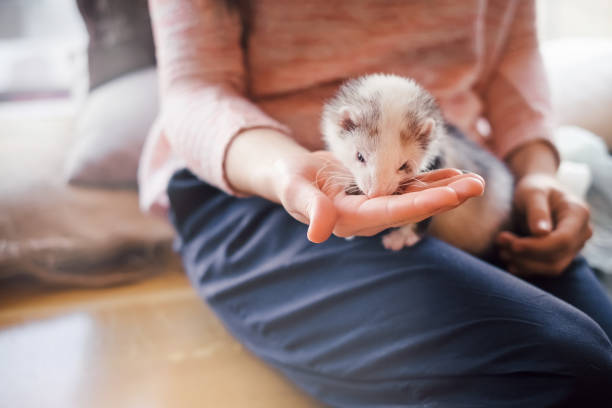
The decision to welcome a ferret—a playful, inquisitive, and deeply charming member of the Mustelidae family—into one’s home is often driven by a genuine love for these unique creatures. However, beneath the surface of their joyful “ferret dance” and their propensity for sleeping 75% of the day lies a significant, often underestimated, financial commitment. Ferrets are not “starter pets”; they have lengthy lifespans (6 to 10 years, sometimes longer) and require highly specialized, expensive veterinary care.
This comprehensive guide is designed to thoroughly dissect the financial elements of ferret ownership, transitioning from initial setup costs and predictable recurring maintenance to the inevitable, substantial expenses associated with geriatric and chronic illness care. True responsible ownership requires budgeting not just for the good years, but specifically for the complicated, costly senior years.
I. Phase 1: The Initial Investment (Startup Costs)
The first wave of expenses covers the acquisition of the ferret itself and the necessary infrastructure required for a safe and stimulating environment. These costs are generally incurred within the first month of ownership.
A. Acquisition: Adoption vs. Purchase (The Cost of the Ferret)
The price of the ferret itself varies significantly based on its source and age:
- Animal Shelters/Rescue Organizations: This is often the most ethical and financially conservative route. Rescue ferrets are frequently already spayed/neutered, descented, vaccinated, and sometimes microchipped.
- Cost Estimate: $75 – $250 per ferret.
- Pet Stores (e.g., Marshall Farms): Most ferrets found in large chain pet stores come from high-volume breeding facilities. While convenient, they often come at a premium, and the exact health history may be less known.
- Cost Estimate: $200 – $450 per ferret.
- Private Breeders: Responsible, reputable breeders are rare but may offer better genetic background information. This usually comes at a high price point reflecting the specialized care.
- Cost Estimate: $300 – $600 per ferret.
Note on Multiple Ferrets: Ferrets are highly social, crepuscular animals that thrive in groups. While keeping one ferret is possible, it demands much greater human interaction. Financial budgeting should strongly consider the cost of caring for two or more, as most supplies and vet care costs double.
B. Housing and Caging Infrastructure
A ferret’s cage is its primary sanctuary and must be sized appropriately to allow for distinct areas for sleeping, eating, and elimination. The emphasis must be on security, durability, and multi-level design.
| Item | Low-End Estimate | High-End Estimate | Detail and Rationale |
|---|---|---|---|
| Primary Cage | $150 (Used/Smaller) | $500 (Ferret Nation/Critter Nation) | Multi-level cages (like the Ferret Nation double unit) offer superior space and accessibility for cleaning. This is often the single greatest initial investment. |
| Bedding/Hammocks | $30 (Fleece remnants) | $150 (Specialized liners, rotating sets) | Ferrets require soft, replaceable bedding. Avoid towels with loops that can catch claws. At least 3-4 sets of liners are recommended for wash rotation. |
| Food & Water Dishes | $15 (Heavy ceramic) | $40 (Lixit water bottle/Crock system) | Heavy dishes prevent tipping. Water bottles must be cleaned daily to prevent bacterial buildup. |
| Litter Pans | $10 (Corner pans) | $30 (Multiple heavy-duty pans) | Ferrets rarely use one central litter box; several must be placed strategically around the cage and play area. |
| Tunnels/Enrichment | $20 (PVC piping) | $75 (Crinkle tunnels, commercial tubes) | Essential for play and comfort, mimicking natural burrowing behavior. |
| Carry/Travel Cage | $25 (Small carrier) | $70 (Vet visits/Emergency evacuation) | Required for safe transport to veterinary appointments. |
| Harness & Leash (Outdoor) | $10 | $30 (Figure-8 style is safest) | Ensure the harness is escape-proof, as ferrets are masters of evasion. |
| Total Startup Housing (Mid-Range) | $300 – $900 |
C. Initial Veterinary Examination and Procedures
This is a mandatory cost immediately upon acquisition, regardless of the ferret’s origin.
- Initial Exam: A general health check, weight assessment, and discussion of history.
- Cost: $60 – $150.
- Vaccinations: Ferrets require annual vaccinations for Canine Distemper and Rabies (where required by law). Kits should start their series early.
- Cost: $50 – $100 per vaccine set.
- Spay/Neuter/Descenting: Most ferrets sold commercially are already altered and descented (anal glands removed). If adopting an unaltered ferret, these are critical, life-saving procedures (especially spaying females, which prevents life-threatening aplastic anemia).
- Cost (If needed): $250 – $600.
- Fecal/Blood Panel: Recommended for establishing a baseline health profile, especially if the history is unknown.
- Cost: $40 – $150.
TOTAL INITIAL (First Year) Startup Cost Estimate (Low-to-Mid Range): $700 – $1,800+ (This assumes the ferret is already altered.)
II. Phase 2: The Recurring Maintenance Budget (Annual Costs)
These costs are predictable and necessary for maintaining the ferret’s quality of life throughout its healthy years (ages 1-5).
A. Nutrition: The Core of Ferret Health
Ferrets are obligate carnivores with a very fast metabolism and short digestive tract. They require a specific, meat-based diet that is extremely high in animal protein and fat, and very low in fiber.
1. High-Quality Kibble: Selecting the correct food is paramount to preventing chronic health issues. Budgetary flexibility must exist to purchase premium, meat-based kibbles (e.g., Wysong, Totally Ferret, or specific high-end cat foods endorsed by exotic vets). Avoid any food containing corn, fruits, or high levels of vegetable protein, as these contribute heavily to Insulinoma later in life.
- Consumption Rate: An average ferret consumes about 5-8 lbs of food per month.
- Cost Estimate: $25 – $50 per bag (8-10 lbs).
- Annual Food Cost (1 Ferret): $300 – $600
2. Raw Feeding (Optional but Recommended): Some owners transition to a whole prey or balanced raw meat diet (e.g., ground chicken/organ meats with bone). While healthier, this requires significant time commitment and careful balancing, which can sometimes increase overall food costs but decrease future vet costs due to improved health.
- Annual Cost: May range from $500 – $800, depending on the meat source.
3. Nutritional Supplements: Essential Fatty Acids (EFAs) and sometimes veterinary-recommended supplements like Ferretone or specific amino acids may be necessary.
- Annual Supplement Cost: $50 – $150.
B. Consumable Supplies
This category includes items that are continuously replaced throughout the year.
- Litter: Ferrets can use recycled paper litter, wood pellets (non-pine/cedar), or newspaper-based litters. Clay and clumping litters are strictly forbidden as they can cause respiratory and digestive tract blockage.
- Annual Cost: $100 – $200 (Varies heavily by cage size and cleaning schedule).
- Cleaning Supplies: Enzymatic cleaners (to break down the specific odors of ferret musk and urine), laundry detergent for bedding, cage sanitizers.
- Annual Cost: $50 – $100.
- Replacement Bedding/Toys: Hammocks and liners wear out quickly due to frequent washing and burrowing. Toys (especially rubber or foam) must be replaced often as ingestion can be fatal.
- Annual Cost: $50 – $150.
C. Routine Annual Veterinary Care
Exotic pet care is inherently more expensive than standard dog or cat care due to specialization. Annual visits are critical for early detection of common ferret ailments.
- Annual Wellness Exam: Includes weight check, physical exam, and discussion of any behavioral changes.
- Vaccinations: Rabies and Canine Distemper boosters.
- Blood Work (Geriatric Screening): Highly recommended starting around age 4-5 to establish baseline hormone levels and check for early kidney/liver issues.
- Dental Care: Ferrets often require dental checkups and sometimes professional cleaning under anesthesia—a costly procedure.
- Cost Estimate for Routine Annual Care (Excluding Dental Surgery): $250 – $500
TOTAL ESTIMATED ANNUAL MAINTENANCE COST (Excl. Major Illness): $750 – $1,250 per ferret.
III. Phase 3: The Specialized and Unexpected Costs (Geriatric and Chronic Care)
The true fiscal challenge of ferret ownership manifests between the ages of 5 and 9. Ferrets are prone to three specific, extremely common endocrine diseases that require complex, ongoing, and expensive veterinary intervention. An owner must financially prepare for the inevitability of diagnosing and managing at least one of these conditions.
A. The Necessity of an Emergency Fund
It is fiscally irresponsible to own a ferret without a dedicated emergency fund of at least $2,000 – $5,000 specifically for urgent care. Exotic vets rarely accept payment plans, and treatment for a sudden blockage, fracture, or acute illness can easily exceed $1,000 overnight.
B. Chronic Illness Deep Dive: Diagnosis and Management Costs
The following conditions are endemic in the domesticated ferret population and represent the largest long-term financial drain.
1. Adrenal Gland Disease (Hyperadrenocorticism)
This is the most common ferret ailment, resulting from tumors or hyperplasia (overgrowth) of the adrenal glands, causing excessive sex hormone production.
- Symptoms: Hair loss (alopecia, often starting at the tail), weight loss, muscle atrophy, itchy skin, and swollen vulva in neutered females.
- Diagnosis: Requires blood work (specialized hormone panel, e.g., MSU Ferret Adrenal Panel) and often an ultrasound to visualize the adrenal glands and confirm tumor size/location.
- Diagnostic Cost: $300 – $800.
- Treatment Options and Costs:
- A. Surgical Adrenalectomy (Removal): The curative option, if caught early and the tumor is small/unilateral. This is a complex surgery requiring a specialized veterinarian.
- Cost: $1,500 – $4,500 (depending on the location and complexity).
- B. Medical Management (Palliative): Used if surgery is too risky, or if tumors are on both glands. This involves hormone-suppressing injections, most commonly Lupron (leuprolide acetate) or Deslorelin implants.
- Lupron Injections: Given monthly or bi-monthly. Annual Cost: $400 – $800.
- Deslorelin Implant (Suprelorin F): A subcutaneous implant that lasts 8–18 months. Cost per implant: $250 – $500.
- A. Surgical Adrenalectomy (Removal): The curative option, if caught early and the tumor is small/unilateral. This is a complex surgery requiring a specialized veterinarian.
2. Insulinoma (Pancreatic Cancer)
This cancerous tumor on the pancreas causes an overproduction of insulin, leading to dangerously low blood sugar (hypoglycemia). This is the second most common ferret cancer.
- Symptoms: Lethargy, pawing at the mouth, drooling, staring into space, loss of coordination, and seizures in severe cases.
- Diagnosis: Primarily diagnosed by measuring blood glucose levels (glucose must be below 70 mg/dL while fasting). Further diagnostics may include ultrasound.
- Diagnostic Cost: $100 – $300.
- Treatment and Costs: Insulinoma is rarely curable but is highly manageable through medication and diet.
- A. Medication: Requires daily administration of corticosteroids (Prednisone) to raise blood sugar and sometimes chemotherapy drugs (e.g., Diazoxide).
- Annual Medication Cost: $300 – $600.
- B. Emergency Intervention: If a ferret crashes due to severe hypoglycemia, they require immediate veterinary care, IV fluids, and dextrose administration.
- Emergency Visit Cost: $500 – $1,500 per incident.
- C. Surgical Debulking: Removing tumor nodules to slow progression.
- Surgical Cost: $1,000 – $3,000.
- A. Medication: Requires daily administration of corticosteroids (Prednisone) to raise blood sugar and sometimes chemotherapy drugs (e.g., Diazoxide).
3. Lymphoma (Cancer of the Lymphatic System)
This cancer can affect ferrets of any age but is particularly aggressive in young ferrets (under 2) and often a slow, insidious illness in seniors.
- Diagnosis: Requires physical exam, blood work, cytology (biopsy of lymphoid tissue), and potentially X-rays or ultrasound to identify masses.
- Diagnostic Cost: $400 – $1,200.
- Treatment: Chemotherapy is often recommended, administered via injection or orally.
- Chemotherapy Protocol: Treatment protocols, frequency, and duration vary wildly, making budgeting difficult.
- Annual Chemotherapy Cost: $1,500 – $4,000.
C. Analyzing Pet Insurance for Ferrets
Standard pet insurance is difficult to obtain for ferrets, and those policies that do exist often come with significant caveats.
- Exotic Pet Policies: Generally managed by specialized providers. Policies often have higher premiums, lower maximum payouts, and strict breed-specific exclusions.
- Pre-Existing Conditions: Policies will not cover conditions that are already diagnosed or showing symptoms. Considering the high prevalence of adrenal disease or insulinoma, purchasing insurance after age 3 is often too late to cover the biggest costs.
- Typical Costs:
- Monthly Premium: $20 – $45 per ferret.
- Annual Deductible: $250 – $500.
- Reimbursement Rate: Typically 70%–90%.
Financial Recommendation: For most ferret owners, self-insuring (maintaining a robust, dedicated savings account) is often more financially efficient than insurance, especially given the commonality of chronic diseases that may be excluded.
IV. Comprehensive Financial Modeling: The Lifetime Budget
To illustrate the stark difference between a budget for a young, healthy ferret and a geriatric one, we must calculate the total lifetime expenditure using mid-range estimates for a typical 8-year lifespan.
A. Summary of Initial and Annual Costs (Age 1-8)
| Category | Initial Investment (One-Time) | Annual Maintenance (Age 1-8) |
|---|---|---|
| Acquisition & Housing | $800 | $0 |
| Routine Vet Care (Exams/Vax) | $150 | $350 |
| Food & Supplements | $0 | $450 |
| Litter & Supplies | $0 | $200 |
| Annual Totals | $950 | $1,000 |
Subtotal for Routine Maintenance (Over 8 Years): ($950 Initial) + (7 years * $1,000) = $7,950
B. Modeling the Cost of Chronic Illness (The Unavoidable Spike)
We must assume one major, chronic illness (e.g., Adrenal Disease) strikes at age 5, requiring ongoing management for the next 3 years of life.
| Expense Type | Estimated Cost | Rationale |
|---|---|---|
| Diagnosis (Ultrasound + Blood Work) | $600 | Necessary to confirm Adrenal Disease/Insulinoma. |
| Surgical Treatment (Adrenalectomy) | $3,000 | Median cost for complex, specialized surgery. |
| Post-Op Medication/Checkups (Year 1) | $500 | Pain management, follow-up blood work. |
| Lupron/Deslorelin Treatment (Age 6 & 7) | $1,000 | Assumes two years of ongoing palliative care/secondary tumor management ($500/year). |
| Emergency Visit (1 Incident) | $1,200 | Required for acute hypoglycemia or surgical complication. |
| Total Added Cost (Age 5-8) | $6,300 |
C. The Total Estimated Lifetime Cost of One Ferret
| Phase | Estimated Cost Range (Mid-Range) |
|---|---|
| Initial Setup (Year 1) | $950 |
| Routine Maintenance (Years 2-8) | $7,000 |
| Chronic Illness Management (Age 5+) | $6,300 |
| End-of-Life Care (Euthanasia, Cremation) | $250 |
| TOTAL ESTIMATED LIFETIME COST (8 Years) | $14,500 – $18,000+ |
This figure represents a realistic, conservative estimate for a single ferret that requires one major surgery and ongoing medication in its senior years—a common scenario. Owners with multiple ferrets or those facing multiple co-morbidities (e.g., both Insulinoma and Adrenal Disease) must anticipate costs exceeding $25,000 per pair.
V. Strategic Financial Planning and Budgeting Tools
Responsible ferret ownership requires anticipating these costs years in advance.
A. The Dedicated Sinking Fund
The best financial tool for exotic pet owners is the “sinking fund”—a savings account dedicated solely to pet expenditures.
- Calculate the Monthly Target: Based on the estimated $6,300 in chronic care costs over three years, an owner should aim to save approximately $120 – $175 per month in addition to the routine $80-$100 monthly food/supply cost, starting from day one.
- Funding the Health Basket: This monthly contribution ensures that by the time the ferret reaches the critical age of 5, the savings account holds $4,000–$5,000, which is enough to cover the initial surge of diagnostics and surgical intervention.
B. Choosing the Right Veterinarian
The cost of care is heavily influenced by the expertise of the provider. Exotic veterinarians (DVMs specializing in non-traditional pets) are mandatory, but their prices are higher.
- Veterinary Shopping: Call multiple exotic practices (if available) to compare basic costs for services like annual exams, vaccinations, and standardized diagnostics (e.g., the MSU Adrenal Panel).
- Location Premium: Practices in major metropolitan areas will inevitably charge 20%–40% more than those in suburban or rural settings. Budget based on the local specialized market rate.
C. Mitigating Costs Through Preventative Care
While expensive, preventative care is the most effective way to reduce catastrophic costs later.
- Dietary Diligence: Investing in the highest quality, meat-protein-only diet (even if it costs more upfront) reduces the risk and severity of Insulinoma and gastrointestinal issues down the line. A $10 increase in monthly food costs is far cheaper than a $3,000 surgery.
- Regular Screenings: Starting comprehensive senior blood work at age 4 allows for earlier diagnosis of adrenal disease (when tumors are smaller and surgical removal is easier and cheaper) or earlier detection of high insulin levels (allowing medication to begin before a dangerous hypoglycemic crisis occurs).
VI. Conclusion: The Real Cost of Love
The Cost of Caring for a ferret is a high one, far surpassing the proportional expense of a dog or cat of similar size. Budgeting for a ferret’s lifetime is not just about calculating the expense of kibble and bedding; it is fundamentally about anticipating, and preparing for, specialized, high-cost geriatric care caused by pervasive, breed-specific chronic illnesses like Adrenal Disease and Insulinoma.
Ferrets are complex creatures whose unique physiology requires the commitment of time, specialized knowledge, and above all, substantial financial resources. The dedication to establishing a robust financial safety net is the ultimate sign of responsible ownership, ensuring that when inevitable illness strikes, the decision to proceed with life-saving care is based on compassion, not crippling financial limitations.
#FerretBudget #CostOfCaring #ExoticPetFinance #FerretHealth #LifetimePetBudget #FerretsOfInstagram #AdrenalDisease #Insulinoma #BudgetingForPets #ExoticVetCare #ResponsiblePetOwner #Ferrets #PetFinancialPlanning #FerretNation







Add comment