
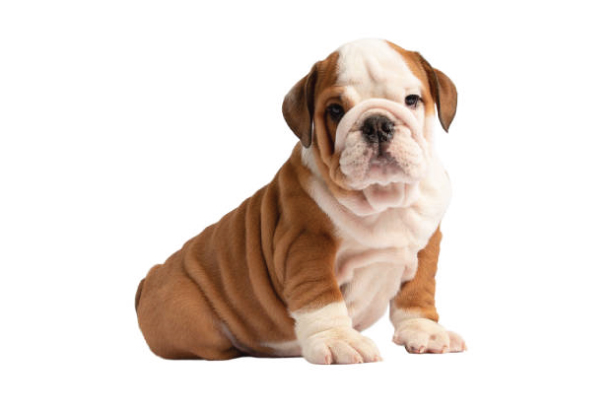
Bathing a puppy is a significant milestone, marking a transition from the purely instinctual to a more controlled and socialized experience for your new furry family member. It’s not just about cleanliness; it’s an opportunity to build trust, introduce them to a new sensory experience, and start essential grooming habits early. This guide will walk you through the delicate art of bathing puppies, ensuring a positive and gentle experience for both you and your little one.
Why Bathing is Important for Puppies:
- Hygiene and Health: Puppies can pick up dirt, debris, and even parasites from their environment. Regular baths help maintain their skin and coat health, preventing issues like matting, dryness, or infections.
- Odor Control: While puppies might smell like “puppy,” some can develop unpleasant odors due to dirt, food residue, or natural body oils.
- Socialization and Desensitization: Introducing your puppy to bathing early and positively helps them become accustomed to water, handling, and grooming tools. This makes future baths, vet visits, and general grooming much less stressful for everyone.
- Bonding: A calm, positive bathing experience can strengthen the bond between you and your puppy.
When to Bathe Your Puppy:
This is a crucial question, and the answer is nuanced.
- Not Too Soon: Generally, it’s best to wait until your puppy is at least 8-10 weeks old and has had their initial vaccinations. Their immune systems are still developing, and bathing too early can expose them to germs or cause them to get chilled. Consult your veterinarian for specific advice based on your puppy’s health and breed.
- Frequency: Over-bathing can strip natural oils from their skin and coat, leading to dryness, itchiness, and irritation. For most puppies, once a month is usually sufficient, unless they get particularly dirty or have a specific skin condition requiring more frequent bathing as advised by a vet.
- Signs They Need a Bath:
- They smell “off.”
- They’ve rolled in something unpleasant.
- Their coat looks muddy or greasy.
- They have a skin condition that requires medicated baths.
Preparing for the Bath: Your Puppy’s Safety and Comfort are Paramount
Preparation is key to a smooth and stress-free bath. Gather everything you need before you bring your puppy to the bathing area.
Essential Supplies:
- Puppy-Specific Shampoo: Never use human shampoo. It has the wrong pH balance for a puppy’s skin and can cause irritation. Choose a mild, tear-free shampoo formulated for puppies. If your puppy has sensitive skin or specific issues, your vet might recommend a medicated shampoo.
- Towels: Have at least two absorbent, soft towels ready. One for initial drying and another for a final fluff.
- Cotton Balls (Optional): To gently place in your puppy’s ears to help prevent water from entering. Be sure to remove them afterward!
- Non-Slip Mat or Towel: Place this in the tub or basin to prevent your puppy from slipping and feeling insecure.
- Brush or Comb: To gently brush out any tangles before the bath and to help with drying afterward.
- Treats: High-value treats are essential for positive reinforcement.
- A Helper (Highly Recommended): Especially for a puppy’s first few baths, having an extra pair of hands to hold and soothe your puppy can make a world of difference.
- Bathing Area:
- Kitchen or Bathroom Sink: For very small puppies. Ensure it’s clean and has a stopper.
- Bathtub or Shower: For larger puppies. Use a handheld showerhead if possible.
- Plastic Basin or Kiddie Pool: An option for warmer weather in a safe outdoor space, or for containing messes indoors.
Preparing Your Puppy:
- Pre-Bath Brush: Gently brush your puppy’s coat to remove loose fur, tangles, and debris. This makes the shampoo more effective and reduces the risk of matting during the bath.
- Potty Break: Ensure your puppy has had a chance to relieve themselves before the bath. A full bladder can add to their stress.
- Calm Environment: Keep the atmosphere relaxed. Avoid loud noises or sudden movements. Speak in a soothing, reassuring voice.
The Bathing Process: Step-by-Step Gentle Care
Remember, the goal is to make this as positive an experience as possible. Go slow, be patient, and use positive reinforcement.
- Introduce the Bathing Area:
- Let your puppy explore the empty tub or sink for a few minutes beforehand. Offer treats to create positive associations.
- Place the non-slip mat or towel down.
- Getting Them Wet:
- Water Temperature: Use lukewarm water. Test it on your wrist – it should feel comfortably warm, not hot or cold.
- Gentle Introduction: Slowly add a small amount of lukewarm water to the basin or tub. Let your puppy step in voluntarily if possible. You can entice them with treats.
- Wetting the Coat: Use a cup or a handheld showerhead on a gentle setting. Start by wetting their feet and legs, gradually working your way up. Avoid spraying water directly into their face, ears, or eyes. You can wet their face gently with your hands.
- Ear Protection (Optional): If using cotton balls, gently place them in their ears now.
- Shampooing:
- Dilute the Shampoo (Optional but Recommended): Diluting puppy shampoo with a little water can make it easier to lather and rinse thoroughly.
- Apply Sparingly: Start by applying a small amount of shampoo to your puppy’s back.
- Lather Gently: Work the shampoo into a gentle lather, massaging their body, neck, and legs. Be thorough but gentle.
- Avoid Sensitive Areas: Be very careful around the face, ears, and eyes. Use a damp washcloth to gently clean their face if needed.
- Rinse Thoroughly: This is one of the most important steps! Residual shampoo can irritate their skin and coat. Rinse, rinse, and rinse again until you’re sure all the soap is gone. Run your hands through their fur to ensure you’ve reached all areas.
- Rinsing the Face:
- Use a damp washcloth to gently wipe away any soap residue from their face. Be careful to avoid getting soap or water into their eyes or ears.
- Drying:
- Initial Towel Dry: Gently squeeze excess water from their fur. Pat and rub them with the first towel. Don’t rub too vigorously, as this can cause tangles.
- Towel-Dry Systematically: Work your way from head to tail, patting and wrapping them in the second towel.
- Air Drying: Allow them to air dry in a warm, draft-free room. Keep an eye on them to ensure they don’t get too cold.
- Hair Dryer (Use with Extreme Caution): If you use a hair dryer, it must be on the lowest heat setting and the lowest speed. Hold it at least a foot away from your puppy and move it constantly. Many puppies are terrified of the noise and sensation, so introduce it very gradually and only if your puppy seems comfortable. If they show any signs of distress, stop immediately.
- Post-Bath Brush:
- Once your puppy is mostly dry, give them another gentle brush to remove any remaining loose fur and to help fluff their coat.
- Treats and Praise:
- Throughout the entire process, offer plenty of praise and small, high-value treats. This helps create a positive association with bathing.
Common Puppy Bathing Challenges and Solutions:
- Fear of Water:
- Solution: Start gradually. Let them stand in shallow water. Use a toy or two in the water to make it more appealing. Never force them.
- Fear of Noise (Showerhead/Hair Dryer):
- Solution: Introduce these tools gradually and at a distance. Use them with a high-value treat.
- Wriggling and Struggling:
- Solution: A calm, confident helper is invaluable. Keep your movements gentle but firm. Distract them with treats. Keep the bath time as short as possible.
- Getting Dirty Again Immediately:
- Solution: This is common! After the bath, keep them in a clean, safe space until they’re fully dry. You might need to follow them around with a towel for a bit.
When to Seek Professional Help:
- Severe Skin Issues: If your puppy has persistent itching, redness, bald patches, or a strong odor, consult your veterinarian. They may have a skin condition that requires medical treatment.
- Extreme Fear or Anxiety: If your puppy is exceptionally fearful or aggressive about bathing, a professional groomer or a force-free trainer might be able to help desensitize them.
The Takeaway: Patience, Positivity, and Practice
Bathing your puppy is an art form that requires patience, understanding, and a gentle touch. By preparing thoroughly, approaching each step with kindness, and consistently offering positive reinforcement, you can transform bath time from a potential ordeal into a bonding experience. Remember that every puppy is an individual, so adjust your approach based on their temperament and reactions. With practice, both you and your puppy will become seasoned bath professionals!
=========================================
#PuppyBathing, #PuppyCare, #GentleGrooming, #NewPuppy, #PuppyTips, #DogGrooming, #PetCare, #FirstBath, #PuppyHealth, #AnimalCare







Add comment