
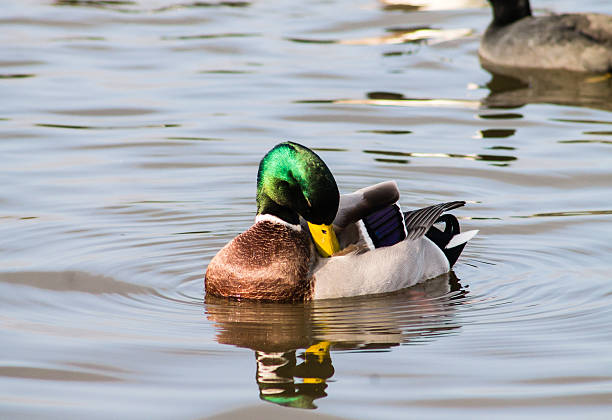
Poultry farming plays a pivotal role in global agriculture, contributing significantly to food security, rural development, and economic growth. While chickens have long dominated the poultry sector, ducks are rapidly gaining prominence due to their unique biological, reproductive, and economic advantages. Ducks are highly adaptable, resilient to diseases, and capable of thriving in diverse environments, making them an attractive alternative or complement to traditional poultry systems. The economic impact of different duck breeds on poultry farming is multifaceted, encompassing production efficiency, market value, feed conversion ratios, climate adaptability, and demand for meat and eggs.
The shift toward sustainable and diversified agricultural practices has spotlighted duck farming as a viable income-generating venture, especially in developing countries. Countries such as China, Vietnam, Thailand, and Indonesia are leading producers, but interest is growing in North America, Europe, and Africa due to increasing consumer demand for duck meat and eggs. This guide provides a comprehensive exploration of how various duck breeds influence the economic outcomes of poultry farming enterprises, analyzing factors such as breed-specific productivity, cost-benefit ratios, marketability, and scalability.
By understanding the economic implications of breeding different duck species, farmers, agribusinesses, policymakers, and investors can make informed decisions to optimize profitability, sustainability, and resilience in the evolving poultry landscape.
1. Overview of Duck Farming and Its Economic Significance
Duck farming, also known as duck rearing or duck husbandry, is the practice of raising ducks for commercial purposes, primarily for meat, eggs, feathers, and manure. Ducks are waterfowl belonging to the Anatidae family, with the domestic duck (Anas platyrhynchos domesticus) being the most commonly farmed species. Unlike chickens, ducks are naturally more hardy, disease-resistant, and efficient foragers, which reduces dependency on concentrated feed and veterinary interventions.
1.1 Global Production and Market Trends
Globally, duck production has been steadily increasing. According to the Food and Agriculture Organization (FAO), over 4 billion ducks are raised annually, with Asia accounting for approximately 90% of global production. China alone produces more than 3 billion ducks per year, making it the world’s largest producer and consumer. Other major producers include Vietnam, Myanmar, Bangladesh, and Indonesia.
The demand for duck products is rising not only in traditional markets but also in Western countries due to culinary diversification and the popularity of gourmet and ethnic cuisines. Duck meat is valued for its rich flavor, high protein content, and culinary versatility—featured in dishes such as Peking duck, confit de canard, and roast duck. Duck eggs are gaining popularity for their large size, superior nutritional profile, and use in baking, where they yield fluffier textures.
1.2 Economic Advantages of Duck Farming
Duck farming offers several economic benefits over traditional chicken farming:
- Lower Feed Conversion Ratios (FCR): Ducks have a higher feed efficiency, especially when foraging on natural food sources such as insects, snails, and aquatic vegetation.
- Disease Resistance: Ducks are less susceptible to common poultry diseases like avian influenza and Newcastle disease, reducing the need for costly vaccines and medications.
- Dual-Purpose Production: Many duck breeds produce both meat and eggs, providing dual streams of income.
- Manure as Fertilizer: Duck manure is rich in nitrogen and phosphorus, making it an excellent organic fertilizer for rice fields, vegetables, and aquaculture.
- Climate Adaptability: Ducks thrive in wetlands, flooded fields, and backyard systems, making them suitable for integrated farming approaches.
These attributes position ducks as economically viable livestock, particularly in resource-poor and climate-vulnerable regions.
2. Classification of Common Duck Breeds in Commercial Farming
Understanding the different duck breeds is crucial for evaluating their economic impact. Breeds vary widely in growth rate, egg-laying capacity, body size, temperament, and adaptation to farming systems. The primary classification of economically significant duck breeds includes:
2.1 Meat-Type Breeds
Meat-type ducks are bred primarily for their rapid growth, high muscle yield, and desirable carcass quality.
(a) Pekin Duck (Anas platyrhynchos domesticus)
- Origin: China (refined in the West)
- Characteristics: White plumage, orange bill, broad body, fast growth
- Market Weight: 3.5–4.5 kg in 6–7 weeks
- Egg Production: 100–150 eggs/year
- Feed Conversion Ratio (FCR): 2.5–3.0
- Economic Traits:
- Dominates over 75% of commercial duck meat production globally
- Preferred for its mild flavor and tender meat
- High feed efficiency in controlled environments
- Suitable for intensive farming systems
The Pekin duck’s short production cycle and large breast yield make it ideal for large-scale operations. Its high demand in fast-food chains, restaurants, and supermarkets ensures consistent marketability and pricing stability.
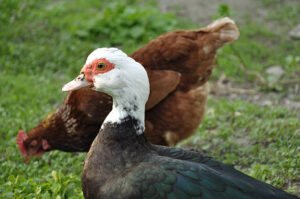
(b) Muscovy Duck (Cairina moschata)
- Origin: South and Central America
- Characteristics: Variable plumage (white, black, mottled), red facial caruncles, perching ability
- Market Weight: 4–5 kg (drakes), 2.5–3.5 kg (ducks) in 12–16 weeks
- Egg Production: 60–120 eggs/year
- Feed Conversion Ratio (FCR): 3.0–3.5 (higher than Pekin)
- Economic Traits:
- Leaner meat with lower fat content—ideal for health-conscious consumers
- Superior flavor and texture, commonly used in gourmet dining
- Long incubation period (35 days), limiting hatchery efficiency
- Higher market price (30–50% more than Pekin)
Muscovy ducks are less commonly farmed in large numbers due to slower growth, but their premium meat commands higher prices, especially in niche markets. They are also favored in free-range and organic farming systems.
(c) Moulard Duck (Hybrid: Muscovy ♂ × Pekin ♀)
- Origin: Artificial hybrid, bred for optimal traits
- Characteristics: Sterile, large body, fast growth
- Market Weight: 4.5–5.5 kg in 8–10 weeks
- Egg Production: None (sterile)
- Feed Conversion Ratio (FCR): ~2.8
- Economic Traits:
- Combines Pekin’s growth rate with Muscovy’s meat quality
- Widely used in foie gras production
- High feed-to-meat conversion efficiency
- Requires specialized breeding (Muscovy males, Pekin females)
The Moulard duck is a cornerstone of the luxury food industry, particularly in Europe. Its economic significance lies in foie gras exports, which fetch premium prices—often exceeding $100 per kilogram in gourmet markets.
2.2 Egg-Laying Breeds
Egg-laying ducks are bred for high and sustained egg production, often used in integrated agriculture and backyard systems.
(a) Khaki Campbell
- Origin: England
- Characteristics: Khaki-colored plumage, slender body, active foragers
- Egg Production: 250–300 eggs/year
- Egg Weight: 65–75g
- Feed Conversion Ratio (FCR): 2.8–3.2
- Economic Traits:
- One of the highest egg-laying duck breeds
- Eggs are larger and richer in fat, protein, and cholesterol than chicken eggs
- Suitable for small-scale and backyard farming
- Lower meat yield, less ideal for slaughter
Khaki Campbell ducks are economically valuable for egg-focused ventures. Their eggs are increasingly in demand by bakeries, specialty food stores, and health-conscious consumers.
(b) Indian Runner Duck
- Origin: Southeast Asia (popularized in England)
- Characteristics: Upright stance, slim build, high agility
- Egg Production: 200–300 eggs/year
- Egg Weight: 60–70g
- Feed Conversion Ratio (FCR): 3.0–3.5
- Economic Traits:
- Exceptional foragers—reduce feed costs by up to 40%
- High adaptability to free-range systems
- Low meat yield, but flavorful
- Used in pest control (eats slugs, snails, insects)
Indian Runners are a favorite among sustainable farmers due to their low-input production model. Their dual role as egg producers and natural pest controllers enhances their economic appeal in organic and permaculture systems.
2.3 Dual-Purpose and Heritage Breeds
These breeds balance meat and egg production, offering flexibility for smallholders.
(a) Rouen Duck
- Origin: France
- Characteristics: Large, heavy-bodied, resembles wild mallard
- Egg Production: 100–120 eggs/year
- Market Weight: 3.5–5 kg
- Feed Conversion Ratio (FCR): 3.5–4.0
- Economic Traits:
- Slower growth rate compared to Pekin
- Preferred for show and specialty meat
- High feed cost due to low efficiency
- Limited commercial adoption
Rouen ducks are more popular in hobby farming than commercial operations. Their economic impact is modest but valuable in niche markets emphasizing heritage breeds and traditional cuisine.
(b) Aylesbury Duck
- Origin: England
- Characteristics: Pure white plumage, pink bill, broad body
- Egg Production: 120–180 eggs/year
- Market Weight: 3–4 kg
- Feed Conversion Ratio (FCR): 3.2–3.8
- Economic Traits:
- Historically significant in British cuisine
- Meat is tender and white-skinned, ideal for roasting
- Declining population due to competition from Pekin
- High conservation value but limited economic scalability
The Aylesbury duck exemplifies how heritage breeds face economic pressures despite culinary value. Conservation efforts are essential to preserve genetic diversity, but commercial viability remains low.
3. Economic Analysis of Duck Breeds: Cost-Benefit Comparison
To evaluate the profitability of different duck breeds, a detailed cost-benefit analysis must consider input costs (feed, housing, labor, veterinary), production output (meat yield, egg volume), market prices, and time to market.
3.1 Input Cost Breakdown
| Cost Component | Pekin Duck | Muscovy Duck | Moulard | Khaki Campbell | Indian Runner |
|---|---|---|---|---|---|
| Feed Cost (per kg gain) | $0.90–$1.10 | $1.00–$1.30 | $0.95–$1.15 | $0.85–$1.05 | $0.80–$1.00 |
| Housing (per bird) | $2.00 | $2.50 | $2.25 | $1.75 | $1.50 |
| Water System | $0.50 | $0.50 | $0.50 | $0.30 | $0.30 |
| Vaccination | $0.40 | $0.30 | $0.45 | $0.35 | $0.30 |
| Labor (per 100 birds) | $15 | $18 | $16 | $12 | $10 |
Note: Costs are approximate and vary by region.
3.2 Output and Revenue Generation
Meat Production (Per Bird at Market Weight)
| Breed | Live Weight (kg) | Dressing % | Carcass Weight (kg) | Price per kg ($) | Gross Revenue ($) |
|---|---|---|---|---|---|
| Pekin | 4.0 | 70% | 2.8 | 5.00 | 14.00 |
| Muscovy | 4.0 | 75% | 3.0 | 7.50 | 22.50 |
| Moulard | 5.0 | 72% | 3.6 | 8.00 (foie gras premium) | 28.80 (with liver) |
| Rouen | 4.5 | 68% | 3.06 | 6.00 | 18.36 |
Egg Production (Annual per Hen)
| Breed | Eggs/Year | Egg Price (per egg) | Annual Revenue per Hen |
|---|---|---|---|
| Khaki Campbell | 275 | $0.25 | $68.75 |
| Indian Runner | 250 | $0.24 | $60.00 |
| Pekin | 125 | $0.22 | $27.50 |
| Muscovy | 80 | $0.28 (artisanal) | $22.40 |
3.3 Net Profitability (Estimated per Bird/Hen)
Using average input costs and revenues, we calculate estimated net profit:
| Breed | Total Cost ($) | Revenue ($) | Net Profit ($) | ROI (%) |
|---|---|---|---|---|
| Pekin (meat) | 8.00 | 14.00 | 6.00 | 75% |
| Muscovy (meat) | 9.50 | 22.50 | 13.00 | 137% |
| Moulard (meat) | 10.00 | 28.80 | 18.80 | 188% |
| Khaki Campbell | 6.50 | 68.75 | 62.25 | 958% |
| Indian Runner | 6.00 | 60.00 | 54.00 | 900% |
Note: Moulard revenue includes foie gras value; egg-laying breeds show higher ROI due to extended production period.
These figures illustrate that egg-laying breeds offer the highest return on investment over time, while Moulard ducks yield the greatest short-term profit per bird due to foie gras premiums.
4. Feed Efficiency and Resource Utilization
Feed constitutes 60–70% of total production costs in duck farming. Efficient feed utilization directly impacts profitability.
4.1 Feed Conversion Ratios (FCR) by Breed
- Pekin: 2.5–3.0
- Muscovy: 3.0–3.5
- Moulard: 2.8–3.0
- Khaki Campbell: 2.8–3.2
- Indian Runner: 3.0–3.5
Lower FCR means less feed is needed per kilogram of gain, reducing costs. Pekin and Moulard lead in efficiency, making them ideal for intensive farming where feed is purchased.
4.2 Foraging Ability and Natural Feed Sources
Indian Runners and Khaki Campbells excel in scavenging, reducing commercial feed dependency by 30–50%. In integrated rice-duck farming systems, ducks consume pests and weeds, reducing the need for pesticides and herbicides. This model, widely practiced in Southeast Asia, enhances farm income through multiple outputs:
- Rice yield increase: 10–20%
- Duck meat and egg sales
- Reduced input costs
- Organic certification potential
The economic advantage lies in synergy: ducks contribute to crop health while generating animal protein.
5. Market Dynamics and Consumer Demand
Consumer preferences, cultural practices, and culinary trends shape the economic viability of duck breeds.
5.1 Meat Markets
- Pekin Duck: Dominates mass markets due to affordability and neutral taste. Popular in supermarkets and fast-casual dining.
- Muscovy Duck: Preferred in gourmet restaurants and health food outlets for its lean, gamey meat.
- Moulard Duck: High-value niche market for foie gras, pâté, and charcuterie—primarily exported from France, Hungary, and Bulgaria.
5.2 Egg Markets
Duck eggs are gaining traction due to:
- Higher protein and fat content
- Longer shelf life
- Superior baking properties
Khaki Campbell and Indian Runner eggs sell at 20–50% premiums over chicken eggs in farmers’ markets and health food stores. In regions like the Philippines and Vietnam, duck eggs (especially balut—fertilized eggs) are culturally significant and command high prices.
5.3 Export Potential
Top duck-exporting nations include:
- France (foie gras, prepared duck)
- China (frozen duck, salted eggs)
- Vietnam (live ducks, eggs)
- Thailand (processed duck products)
Export opportunities increase profitability, but require adherence to sanitary standards (e.g., EU, FDA regulations) and investment in processing infrastructure.
6. Farming Systems and Their Economic Implications
The choice of farming system impacts breed suitability and profitability.
6.1 Intensive (Commercial) Farming
- Breeds: Pekin, Moulard
- Characteristics: Confined housing, automated feeding, high stocking density
- Economic Impact:
- High initial investment ($20,000–$100,000)
- Economies of scale reduce per-unit costs
- High throughput and consistent output
- Vulnerable to disease outbreaks and market fluctuations
Intensive systems are best suited for Pekin and Moulard ducks due to their fast growth and compatibility with commercial feed.
6.2 Semi-Intensive Farming
- Breeds: Khaki Campbell, Indian Runner, Muscovy
- Characteristics: Partial confinement with access to pasture or water
- Economic Impact:
- Lower infrastructure costs
- Reduced feed expenses
- Premium pricing for “free-range” and “organic” labels
- Slower turnover than intensive systems
This system is ideal for small to medium farms targeting local and specialty markets.
6.3 Extensive/Backyard Farming
- Breeds: Indian Runner, local breeds
- Characteristics: Minimal inputs, family labor, integration with crops
- Economic Impact:
- Negligible cash outlay
- Subsistence with surplus for local sales
- Empowerment of rural households
- Low productivity but high social ROI
Extensive farming is economically significant in developing economies, contributing to food security and women’s livelihoods.
7. Regional Variations in Duck Farming Economics
The profitability of duck breeds varies by region due to climate, feed availability, labor costs, and consumer preferences.
7.1 Asia
- High duck density, especially in China and Vietnam
- Dominance of Pekin and local breeds (e.g., Jinding)
- Integrated rice-duck farming boosts income
- Low labor costs enhance margins
7.2 Europe
- Strong demand for foie gras (Moulard)
- Strict animal welfare regulations
- Premium pricing for organic and free-range duck meat
- High input costs limit small-scale viability
7.3 North America
- Niche market for duck meat and eggs
- Rising interest in sustainable farming
- Higher consumer willingness to pay premium prices
- Limited processing facilities increase logistics costs
7.4 Africa
- Untapped potential with increasing urban demand
- Indian Runners and local breeds adapt well
- Government support needed for infrastructure and extension services
- High ROI due to low production costs
8. Challenges and Risks in Duck Farming
Despite economic benefits, duck farming faces several challenges:
- Disease Risks: While ducks are hardy, they can carry and spread avian influenza. Biosecurity is essential.
- Market Access: Small farmers often lack connections to processors and retailers.
- Processing Constraints: Slaughter and plucking facilities are less common than for chickens.
- Regulatory Barriers: Food safety, labeling, and animal welfare laws vary by country.
- Climate Vulnerability: Extreme weather affects ducklings and water access.
Mitigation strategies include farmer cooperatives, value-added processing, and diversification.
9. Sustainable and Integrated Approaches
Sustainability enhances long-term economic viability:
- Rice-Duck Farming: Combines paddy cultivation with duck rearing—ducks fertilize fields and reduce pests.
- Aquaponics: Ducks provide waste for fish and plant systems.
- Agroforestry: Runners forage under trees, reducing feed costs.
- Organic Certification: Commands 20–100% price premiums.
These models increase resilience, reduce external inputs, and diversify income.
10. Case Studies: Economic Success Stories
10.1 Vietnam: Rice-Duck Integration
- 500,000+ farmers adopt rice-duck systems
- 20% increase in total farm income
- Reduction in pesticide use by 70%
- Government subsidies for starter ducks
10.2 France: Foie Gras Industry
- Moulard duck farming supports 18,000 jobs
- €800 million annual export revenue
- Strict quality standards maintain premium pricing
10.3 Kenya: Smallholder Duck Projects
- NGOs distribute Indian Runners to women’s groups
- Average income increase: $150–$300/year per household
- Eggs sold locally at premium prices
11. Future Outlook and Recommendations
The economic impact of different duck breeds will grow as consumer demand diversifies and sustainability becomes paramount. Key recommendations:
- For Farmers: Choose breeds based on local market, infrastructure, and resources. Egg-laying breeds offer high ROI for smallholders.
- For Investors: Focus on processing, branding, and logistics to capture value.
- For Policymakers: Support research, extension services, and market linkages.
- For Researchers: Improve FCR, disease resistance, and climate adaptability through selective breeding and genomics.
Conclusion
The economic impact of different duck breeds on poultry farming is profound and multifaceted. From the high-yield, low-cost Pekin duck to the premium-priced Moulard and the sustainable Indian Runner, each breed offers distinct advantages tailored to specific production systems and markets. Economic success hinges on aligning breed selection with local conditions, consumer demand, and farming goals. With strategic planning, innovation, and investment, duck farming can drive profitability, sustainability, and food security in the 21st century.
As global agriculture evolves, ducks are not just a complement to chicken farming—they are a competitive, resilient, and economically empowering alternative with vast untapped potential.
#DuckFarming, #PoultryFarming, #SustainableAgriculture, #DuckBreeds, #PekinDuck, #MuscovyDuck, #MoulardDuck, #KhakiCampbell, #IndianRunner, #DuckEggs, #DuckMeat, #FarmLife, #BackyardDucks, #FreeRangeDucks, #OrganicFarming, #RiceDuckFarming, #IntegratedFarming, #Agribusiness, #PoultryProfit, #SustainableLivestock, #DuckManure, #EggProduction, #MeatProduction, #SmallFarmSuccess, #Homesteading, #FoodSecurity, #RuralDevelopment, #FarmingTips, #DuckCare, #PoultryInvestment, #EcoFriendlyFarming, #DuckHusbandry, #FarmingInnovation, #GlobalPoultry, #FarmToTable, #DuckProducts, #NicheMarkets, #DuckProcessing, #ClimateSmartAgriculture, #WomenInAgriculture
Add comment