
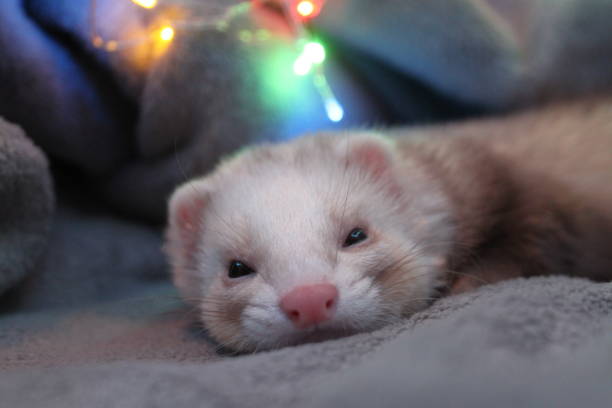
Ferrets (Mustela putorius furo) are highly susceptible to several viral diseases, particularly distemper and rabies. Unlike cats or dogs, ferrets do not have a wide range of licensed vaccines, making the two approved vaccinations—distemper and rabies—absolutely non-negotiable for their survival. Vaccination is the cornerstone of preventive care and is the only effective method to protect ferrets from these fatal diseases.
Without proper immunization, ferrets face a near 100% mortality rate from distemper and a uniformly fatal outcome once clinical signs of rabies appear. Public health regulations in many countries also mandate rabies vaccination for ferrets due to their ability—however rare—to transmit the virus to humans.
2. Canine Distemper in Ferrets
a. Causes and Transmission
Canine distemper virus (CDV) is a paramyxovirus that primarily affects dogs, but it can infect a wide range of species, including ferrets, raccoons, and skunks. Despite the name “canine,” CDV is not limited to dogs. Ferrets are extremely vulnerable to the virus, and infection can occur through:
- Direct contact with infected animals (dogs, raccoons, ferrets)
- Inhalation of aerosolized virus particles from coughing or sneezing
- Indirect exposure via contaminated objects such as clothing, bedding, food bowls, or hands of handlers
- Airborne transmission over short distances (especially in enclosed spaces)
The virus is highly contagious and can survive in the environment for several hours under ideal conditions. The ferret’s keen sense of smell and exploratory behavior make them more likely to come into contact with contaminated environments.
b. Signs and Symptoms of Distemper in Ferrets
The clinical signs of distemper in ferrets progress rapidly and are often fatal within 12–21 days after exposure. Symptoms typically appear 7–21 days post-infection and progress in stages:
Early Stage (Days 1–7):
- Lethargy and depression
- Loss of appetite (anorexia)
- Mild conjunctivitis (red, watery eyes)
- Fever (up to 104°F)
- Sneezing and nasal discharge
Intermediate Stage (Days 7–14):
- Thick, yellow-green nasal and ocular discharge
- Crusting around the eyes, nose, and chin
- Hair loss and skin rash, especially on the chin and lips
- Coughing and labored breathing
- Vomiting and diarrhea
Terminal Stage (Days 14–21):
- Severe neurological signs: seizures, muscle twitching, ataxia (loss of coordination), circling, head tilt
- Paralysis
- Coma
- Death
Ferrets may also develop footpad hyperkeratosis (thickened, hard footpads), a classic sign also seen in dogs, though it is less common in ferrets.
c. Diagnosis of Distemper
Diagnosing distemper in ferrets is challenging due to the rapid progression of the disease and the lack of specific early signs. Veterinarians use a combination of clinical signs, history of potential exposure, and laboratory testing.
Common diagnostic methods include:
- PCR (Polymerase Chain Reaction) testing of blood, conjunctival swabs, or tissue samples to detect viral DNA.
- Immunofluorescent antibody (IFA) testing on conjunctival or skin scrapings.
- Serology (antibody titer testing), though less reliable in acutely infected ferrets.
- Post-mortem examination—histopathology of tissues (e.g., lung, brain, lymph nodes) often confirms infection after death.
Due to the high fatality rate, clinical signs are often sufficient for a presumptive diagnosis, especially in unvaccinated ferrets.
d. Treatment and Prognosis
There is no effective treatment for distemper in ferrets. Once clinical signs appear, the disease is almost invariably fatal. Supportive care may be attempted, including:
- Intravenous or subcutaneous fluids to combat dehydration
- Antibiotics to prevent secondary bacterial infections
- Anti-inflammatory medications
- Nutritional support via feeding tubes
- Anticonvulsants for seizures
However, these measures rarely alter the outcome. The prognosis is extremely poor, with mortality approaching 100%. Euthanasia is often recommended to prevent prolonged suffering.
e. Complications
Even if a ferret survives the initial phase (extremely rare), long-term complications may include:
- Permanent neurological damage
- Chronic respiratory issues
- Immune suppression
- Secondary infections
Moreover, infected ferrets can act as virus reservoirs, potentially spreading CDV to other pets and wildlife.
3. Rabies in Ferrets
a. Causes and Transmission
Rabies is caused by the Lyssavirus, a neurotropic RNA virus that attacks the central nervous system. While rare in domestic ferrets, rabies is a serious zoonotic disease with fatal consequences. Ferrets can contract rabies through:
- Bite wounds from infected animals (raccoons, bats, foxes, skunks)
- Exposure of mucous membranes to infected saliva
- Rarely, from aerosol transmission in bat caves
Rabies is not commonly reported in ferrets, but documented cases exist, especially in unvaccinated animals exposed to wildlife.
b. Signs and Symptoms
The incubation period for rabies in ferrets ranges from 2 to 8 weeks, depending on the site of the bite and viral load. Once symptoms appear, the disease progresses rapidly and is always fatal. Clinical signs are similar to other mammals and include:
Furious Form (most common in ferrets):
- Behavioral changes (aggression, restlessness, unprovoked biting)
- Disorientation and confusion
- Excessive vocalization
- Paralysis of the throat and jaw muscles leading to drooling and difficulty swallowing (hydrophobia is less evident in ferrets than in dogs)
- Seizures and death within days
Paralytic (Dumb) Form:
- Lethargy and weakness
- Progressive paralysis, starting in the hind limbs
- Muscular atrophy
- Coma and death
Due to their small size, ferrets may not survive long enough for full symptom development.
c. Diagnosis of Rabies
Rabies cannot be definitively diagnosed in a living animal. The only confirmatory test is direct fluorescent antibody (DFA) testing of brain tissue after death. Suspected cases are quarantined, and in many jurisdictions, animals showing neurological signs must be euthanized for testing if rabies exposure is possible.
Veterinarians may consider history, clinical signs, vaccination status, and exposure risk before recommending euthanasia and testing.
d. Treatment and Prognosis
There is no treatment for rabies once clinical signs appear. The disease is 100% fatal. Post-exposure prophylaxis (PEP) in humans is effective, but no such treatment exists for ferrets.
If a vaccinated ferret is exposed to a possibly rabid animal, it should receive a booster shot immediately and be observed for 45 days per CDC guidelines. Unvaccinated ferrets exposed to rabies are typically either euthanized or placed under strict 6-month quarantine—often impractical due to risk and cost.
e. Complications and Public Health Concerns
Rabies is a zoonotic disease, meaning it can be transmitted from animals to humans through saliva (usually via bites). While ferret-to-human rabies transmission is exceptionally rare, it is theoretically possible. Public health regulations require rabies vaccination in many areas, and unvaccinated ferrets involved in biting incidents may be confiscated or euthanized for testing.
4. Essential Ferret Vaccination Schedule
Vaccination is the most effective way to prevent distemper and rabies in ferrets. Follow this science-based schedule recommended by the American Veterinary Medical Association (AVMA) and the American Ferret Association (AFA):
Canine Distemper Vaccine
- First dose: At 6–8 weeks of age
- Second dose: At 10–12 weeks of age
- Third dose: At 14–16 weeks of age
- Booster: Annually for life
Note: The killed (inactivated) canine distemper vaccine (e.g., PureVax Ferret Distemper by Boehringer Ingelheim) is the only FDA-approved vaccine for ferrets and is safe and effective. Do not use modified-live vaccines, which can cause fatal distemper in ferrets.
Rabies Vaccine
- First dose: At 12 weeks of age
- Booster: Annually thereafter
Use only killed rabies vaccines labeled for ferrets, such as Imrab-3 (Merial) or Defensor-3 (Zoetis).
Vaccination Tips
- Always use ferret-specific or ferret-approved vaccines.
- Avoid vaccinating sick or immunocompromised ferrets.
- Administer vaccines subcutaneously (under the skin), typically in the scruff of the neck.
- Monitor for adverse reactions (swelling, lethargy, vomiting, anaphylaxis) for 24–48 hours post-vaccination.
- Keep detailed vaccination records—essential for travel, boarding, and legal compliance.
5. Prevention of Distemper and Rabies
Prevention is key—once a ferret contracts either disease, treatment options are nonexistent or futile. Preventive strategies include:
a. Vaccination
Strict adherence to the distemper and rabies vaccination protocol is the most important step.
b. Quarantine and Hygiene
- Quarantine new ferrets for 2–4 weeks before introducing them to resident pets.
- Disinfect cages, toys, and bedding regularly using bleach (1:32 dilution) or veterinary-grade disinfectants effective against paramyxoviruses.
- Wash hands before and after handling ferrets, especially if you’ve interacted with other animals.
c. Limiting Exposure
- Keep ferrets indoors and away from wild animals.
- Avoid taking ferrets to public parks or pet stores unless necessary.
- Never allow ferrets to roam freely outdoors unsupervised.
d. Education and Awareness
Educate family members and caretakers about the risks of distemper and rabies. Ensure that anyone handling your ferret understands vaccination importance and recognizes early warning signs.
6. Diet and Nutrition for a Healthy Immune System
While diet does not prevent distemper or rabies directly, a nutrient-rich, species-appropriate diet strengthens the immune system, improving vaccine response and overall health.
Ferrets are obligate carnivores, meaning their bodies require animal-based proteins and fats.
a. Ideal Diet Components
- High protein (30–40%): From meat sources like chicken, turkey, or lamb.
- Moderate fat (15–20%): Essential for energy and skin/coat health.
- Low carbohydrates and fiber: Ferrets cannot digest plant matter efficiently.
- Taurine: An essential amino acid for heart and eye health (found in muscle meat).
b. Recommended Foods
- High-quality ferret-specific kibble (e.g., Marshall Premium, Totally Ferret)
- Raw diets (BARF-based): Raw meat, bones, and organs (must be handled carefully to avoid bacterial contamination)
- Cooked meat: Boiled chicken or turkey (no seasoning)
- Occasional treats: Small pieces of egg, mealworms, or ferret-safe supplements
c. Foods to Avoid
- Dairy products (lactose intolerant)
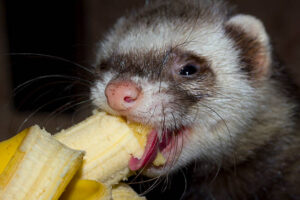
- Fruits and vegetables (poor digestion, may cause blockage)
- Sugary or starchy treats (can lead to insulinoma)
- Dog food (too low in protein and fat, may contain harmful fillers)
d. Hydration
Always provide fresh, clean water. Use water bottles or heavy ceramic bowls to prevent spillage.
A well-fed ferret is better equipped to respond to vaccinations and resist opportunistic infections.
7. Zoonotic Risks: Can Ferrets Transmit Diseases to Humans?
Zoonotic diseases are those that can be transmitted from animals to humans. While ferrets are generally safe pets, there are notable risks:
a. Rabies
As previously discussed, rabies is the primary zoonotic concern. Although rare, any bite from a ferret—especially one with unknown vaccination status—should be taken seriously. Post-exposure prophylaxis (PEP) may be recommended for humans if the ferret cannot be observed or tested.
b. Other Zoonotic Conditions (Less Common but Possible)
- Influenza: Ferrets can catch human flu strains and transmit them back. Avoid close contact when sick.
- Salmonella and Campylobacter: From contaminated raw meat diets. Practice strict hygiene when handling raw food.
- Ringworm (dermatophytosis): Fungal skin infection spread by direct contact.
- Giardia and Cryptosporidium: Intestinal parasites (rare in ferrets but possible).
Immunocompromised individuals (e.g., elderly, young children, those with HIV or cancer) should exercise caution when handling ferrets.
8. Adverse Vaccine Reactions and When to Seek Help
While vaccines are generally safe, adverse reactions can occur. Most are mild and self-limiting, but some are emergencies.
Common Reactions
- Mild lethargy
- Slight swelling at injection site
- Temporary loss of appetite
- Low-grade fever
These typically resolve within 24–48 hours.
Serious Reactions (Seek Immediate Veterinary Care)
- Anaphylaxis: Difficulty breathing, facial swelling, vomiting, collapse
- Vaccine-associated sarcomas: Rare, but persistent lumps at injection sites beyond 3 weeks
- Hypersensitivity reactions: Hives, itching, drooling
Keep your veterinarian’s number on hand and monitor your ferret closely after vaccination.
9. Special Considerations for Senior Ferrets and Breeding Animals
Senior Ferrets (Age 4+)
- Continue annual vaccinations unless medically contraindicated.
- Older ferrets may have weakened immune systems, making vaccination critical.
- Monitor for age-related diseases like insulinoma, adrenal disease, or lymphoma, which can interact with vaccine schedules.
Breeding Ferrets
- Ensure both male and female are fully vaccinated before breeding.
- Avoid vaccinating pregnant or nursing jills, as stress and immune activation may affect kits.
- Kits should begin their distemper vaccination series at 6 weeks.
10. Legal and Ethical Responsibilities of Ferret Ownership
Many states and municipalities require rabies vaccination for ferrets. Failure to vaccinate can result in:
- Fines
- Confiscation of the animal
- Legal liability if the ferret bites someone
- Inability to travel or board the ferret
Ethically, owners have a duty to protect not only their pet but also their family, community, and other animals from preventable diseases.
11. Booster Importance and Immunity Duration
Research shows that immunity to distemper in ferrets may wane after one year, making annual boosters essential. Similarly, rabies immunity declines over time. Skipping boosters leaves your ferret vulnerable.
Titer testing (measuring antibody levels) is not routinely recommended for ferrets due to lack of standardized thresholds and the high risk of disease.
12. Traveling with Vaccinated Ferrets
When traveling domestically or internationally:
- Carry a vaccination certificate signed by your vet.
- Some airlines and destinations require proof of rabies vaccination.
- Microchip your ferret for identification.
- Check local laws—some countries ban ferrets or require quarantine.
13. Conclusion: Protecting Your Ferret and Community
Distemper and rabies are devastating diseases that can be entirely prevented through timely and appropriate vaccination. As a ferret owner, you hold the power to save your pet’s life and protect public health.
Key takeaways:
- Vaccinate against distemper starting at 6 weeks and rabies at 12 weeks.
- Follow annual booster schedules without fail.
- Practice good hygiene and limit exposure to wildlife.
- Feed a high-protein, low-carbohydrate diet to support immunity.
- Be vigilant for early signs of illness.
- Understand zoonotic risks and act responsibly.
By prioritizing preventive healthcare, you ensure your ferret enjoys a long, happy, and healthy life. The small time and financial investment in vaccinations yield invaluable peace of mind and protection.
#FerretCare, #FerretHealth, #VaccinateYourFerret, #DistemperInFerrets, #RabiesInFerrets, #FerretVaccination, #FerretOwnerTips, #FerretLife, #FerretNutrition, #PetVaccines, #FerretSafety, #ZoonoticDiseases, #SmallPets, #FerretMom, #FerretDad, #PreventFerretDiseases, #FerretVetVisit, #FerretDiet, #HappyFerret, #FerretLover, #FerretCommunity, #KeepFerretsSafe, #AnnualVaccines, #FerretsOfInstagram, #FerretTube, #FerretEducation, #FerretOwnership, #FerretWellness, #ProtectYourPets, #FerretAwareness

Add comment