
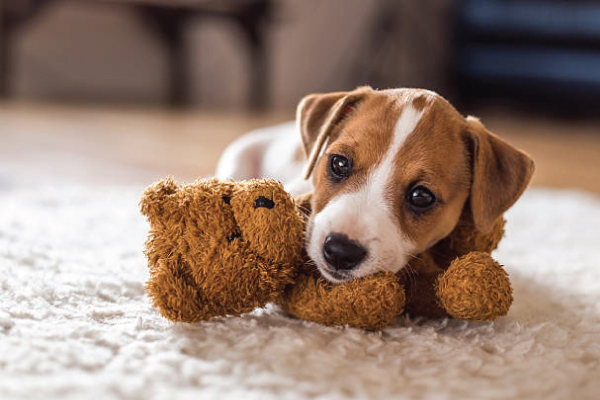
Bathing your dog isn’t just about making them smell good; it’s a crucial part of their overall health and hygiene. A regular bath can help prevent skin infections, remove parasites, and keep their coat healthy and shiny. However, washing a dog can sometimes feel like a chaotic battle. Fear not! This comprehensive guide will equip you with the knowledge and techniques to make bath time a safe, effective, and even enjoyable experience for both you and your furry friend.
I. Preparation: Setting the Stage for Success
Proper preparation is key to a smooth and stress-free bath. Gathering your supplies beforehand will prevent frantic searches mid-wash and minimize your dog’s anxiety.
A. Essential Supplies:
- Dog-Specific Shampoo: Crucially, never use human shampoo. Human shampoo has a different pH level and can strip natural oils from your dog’s skin, leading to dryness, irritation, and even skin infections. Look for shampoos formulated for dogs, considering their breed, coat type, and any specific skin conditions they might have (e.g., sensitive skin, anti-itch, flea and tick).
- Conditioner (Optional but Recommended): Especially for dogs with long or thick coats, conditioner helps to detangle, moisturize, and make brushing easier. Again, use a dog-specific formula.
- Towels: Have several absorbent towels ready. Microfiber towels are particularly effective at soaking up water.
- Brushes/Combs: A good brush for pre-bath de-shedding and a comb for detangling during and after the bath are essential.
- Non-Slip Mat: Place this on the bottom of the tub or shower to prevent your dog from slipping and feeling insecure.
- Cotton Balls (Optional): Gently place a cotton ball in each of your dog’s ears before the bath to help prevent water from entering the ear canal, reducing the risk of ear infections. Ensure they are easily removable.
- Eye Lubricant (Optional): A few drops of an ophthalmic lubricant can protect your dog’s eyes from shampoo irritation.
- Treats: High-value treats are your secret weapon for positive reinforcement.
- Dog-Specific Toothbrush and Toothpaste (Optional but Recommended): If you plan on brushing your dog’s teeth, have these readily available.
B. Choosing the Right Location:
- Bathtub or Shower: This is the most common and practical option for most dogs.
- Washing Station/Grooming Tub: If you have a larger breed or a dog that dislikes confined spaces, an outdoor washing station or a dedicated grooming tub can be more comfortable.
- Sink (for small dogs): A clean kitchen or bathroom sink can work for very small breeds, but ensure it’s secure and comfortable.
C. Pre-Bath Grooming:
- Brushing: Thoroughly brush your dog’s coat before the bath. This removes loose hair, dirt, and mats. Mats are extremely difficult to remove when wet and can tighten, causing discomfort and skin irritation.
- Trimming Nails (Optional): If your dog’s nails are long, consider trimming them before the bath. This reduces the risk of them scratching the tub or you, and some dogs are more cooperative with nail trims when they’re relaxed before a bath.
D. Preparing Your Dog:
- Calm Environment: Ensure the bathing area is quiet and free from distractions.
- Positive Reinforcement: Start introducing your dog to the bathing area and supplies in a positive way before bath time. Offer treats and praise to associate it with good things.
- Leash (Optional): For anxious dogs, a leash attached to a secure hook in the shower can provide a sense of security and prevent them from bolting.
II. The Bathing Process: Step-by-Step
Now that you’re prepared, it’s time to get down to business. Remember to stay calm and reassuring throughout the process.
A. Getting Your Dog Wet:
- Water Temperature: Use lukewarm water. Too hot can scald their skin, and too cold can be uncomfortable and shocking. Test the water temperature on your inner wrist.
- Gentle Saturation: Using a handheld showerhead or a cup, gently wet your dog’s entire coat, starting from the neck down to the tail. Avoid spraying water directly into their face, ears, or eyes.
- Massage: Gently massage the water into their coat to ensure it reaches the skin.
B. Shampooing:
- Dilute (Optional but Recommended): Some shampoos benefit from being diluted with a small amount of water in a separate container. This helps them spread more evenly and rinse out more easily.
- Apply Shampoo: Apply a generous amount of dog-specific shampoo to your dog’s coat. Avoid the face, eyes, and ears.
- Lather and Massage: Gently lather the shampoo into your dog’s coat, working from neck to tail. Pay attention to areas that tend to get dirtier, like paws, belly, and hindquarters.
- Facial Area: For the face, use a damp washcloth with a tiny amount of shampoo (or just water) and gently wipe around the muzzle, chin, and forehead, being extremely careful to avoid the eyes and inside of the ears.
C. Rinsing:
- Thorough Rinsing is Crucial: This is one of the most important steps. Inadequate rinsing can leave shampoo residue, leading to skin irritation, itching, and a dull coat.
- Rinse, Rinse, Rinse! Continue rinsing until the water runs clear and you can no longer feel any slickness from the shampoo. Work the water through their coat to ensure all residue is removed.
- Pay Attention to Undercarriage: Don’t forget the belly, legs, and tail.
D. Conditioning (If Using):
- Apply Conditioner: Apply a small amount of dog-specific conditioner to your dog’s wet coat, focusing on the tips of the hair and areas prone to tangles.
- Let it Sit: Allow the conditioner to sit for a few minutes as per the product instructions for maximum benefit.
- Rinse Thoroughly: Rinse the conditioner out completely, ensuring no residue remains.
E. Cleaning the Face and Ears:
- Eyes: Gently wipe around your dog’s eyes with a clean, damp washcloth.
- Ears: Crucially, do not pour water into your dog’s ears. If you have placed cotton balls, remove them now. Use a veterinary-approved ear cleaner if recommended by your vet, or a clean, damp cloth to gently wipe the outer ear flap. Never insert anything into the ear canal.
III. Post-Bath Care: Drying and Finishing Touches
The bath is over, but your work isn’t quite done. Proper drying is essential to prevent chills and skin issues.
A. Drying:
- Initial Towel Dry: Gently squeeze excess water from your dog’s coat with your hands. Then, use your absorbent towels to pat and gently rub their coat. Avoid vigorous rubbing, which can cause tangles.
- Shake It Off: Most dogs will naturally shake off excess water. Stand back and let them!
- Towel Drying Continued: Continue to towel dry, working through their fur.
- Hair Dryer (Optional and with Caution): If your dog tolerates a hair dryer, use it on a low heat and low speed setting. Hold it at a distance from their skin to avoid burns. Keep the dryer moving constantly. Your dog might prefer a pet-specific dryer, which is quieter and cooler.
- Air Drying: In warm weather, you can allow your dog to air dry in a safe, enclosed area. However, avoid leaving them in drafts or damp environments.
B. Brushing After Drying:
- Detangle: Once your dog is mostly dry, use a comb to gently detangle any remaining knots or mats. Start from the ends of the hair and work your way up towards the skin.
C. Final Touches:
- Treats and Praise: Shower your dog with praise and high-value treats for their good behavior!
- Inspect: Take a final look for any missed spots, parasites, or skin irritations.
- Clean Up: Tidy up the bathing area and wash your towels.
IV. Safety Precautions and Special Considerations
Your dog’s safety and comfort should always be your top priority.
- Never Leave Unattended: Always supervise your dog during the entire bathing process.
- Avoid Eyes and Ears: Be extremely careful to keep shampoo and water out of your dog’s eyes and ear canals. This can lead to painful infections and irritation.
- Non-Slip Surface: Always ensure a non-slip surface in the tub or shower to prevent falls.
- Water Temperature: Always test water temperature on your inner wrist.
- Calm and Reassuring: Speak in a calm, soothing voice. Avoid sudden movements or loud noises.
- Positive Reinforcement: Use treats and praise to create positive associations with bath time.
- Know Your Dog: Some dogs are naturally more anxious about baths. Start slowly, keep sessions short, and gradually increase the duration as they become more comfortable.
- Medical Conditions: If your dog has any skin conditions, allergies, or is recovering from surgery, consult your veterinarian before bathing them. They may recommend specific shampoos or bathing protocols.
- Flea and Tick Treatment: Be aware of the timing of your flea and tick treatments. Some treatments can be washed off by bathing, while others are water-resistant. Consult your veterinarian or the product instructions.
- Elderly or Injured Dogs: For dogs with mobility issues, consider using a grooming sling or a walk-in tub to make bathing easier and safer.
V. Bathing Frequency: How Often is Too Often?
The frequency of bathing depends on several factors:
- Breed and Coat Type: Dogs with oily coats (e.g., Basset Hounds) may need more frequent baths than those with dry coats. Long-haired breeds may need more frequent brushing and occasional baths to prevent matting.
- Activity Level and Environment: A dog that loves rolling in mud will need baths more often than a pampered indoor dog.
- Skin Conditions: Dogs with allergies or skin infections may require medicated baths as prescribed by a veterinarian.
- Odor: If your dog starts to smell, it’s probably time for a bath!
General Guidelines:
- Most dogs: Once every 1-3 months is usually sufficient.
- Oily coats: May need bathing every few weeks.
- Active dogs who get dirty: May need more frequent baths.
Over-bathing can strip natural oils, leading to dry, itchy skin. It’s better to brush regularly to maintain coat health between baths.
VI. Troubleshooting Common Bath Time Challenges
- The “Houdini” Dog: For escape artists, consider a secure leash, a helper, or a specialized bathing restraint system. Positive reinforcement and gradual introductions are key.
- The Anxious Dog: Start with just getting them used to the bathroom and the sound of running water. Offer treats. Gradually introduce the tub and water, keeping sessions very short and always ending on a positive note.
- The “Hater” Dog: Some dogs simply despise baths. Focus on making it as quick and efficient as possible. Ensure all preparations are done beforehand. Consider professional grooming if it’s too stressful for you both.
- Matting: If you encounter significant matting, do not try to force a brush through it when wet. It’s best to carefully cut out mats while the fur is dry or seek professional grooming assistance.
Conclusion
Washing your dog can be a rewarding bonding experience when approached with knowledge and patience. By following these guidelines, prioritizing safety, and using the right products, you can ensure your dog stays clean, healthy, and happy. Remember to always observe your dog’s reactions and adjust your approach accordingly. With practice, bath time will transition from a chore to a routine that both you and your canine companion can manage with confidence.
======================
#DogWashing #DogBath #PetGrooming #DogCare #SafeBathing #DogHygiene #PetCareTips #DogShampoo #HowToWashADog #DogLovers #PetParents #DogGrooming #BathingYourDog #DogHealth #PuppyCare





Add comment