
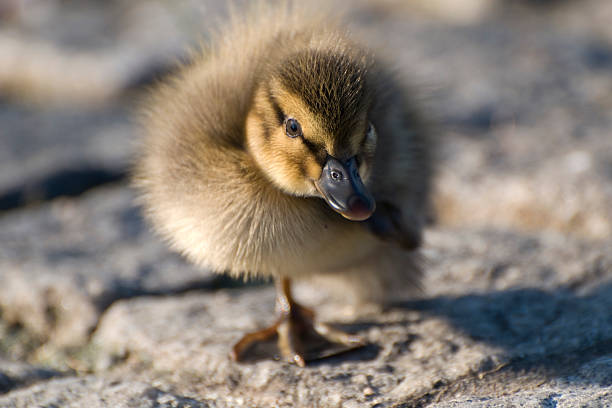
Ducks (family Anatidae) have accompanied humans for millennia, serving as sources of food, feather, and cultural symbolism. Yet, beyond their economic value, ducks occupy a unique niche in ecosystems: they control aquatic vegetation, disperse seeds, and act as bio‑indicators of wetland health. The surge in specialized duck breeding—where particular phenotypes are accentuated for meat, egg production, ornamental purposes, or even as “designer pets”—has sparked an ethical debate that touches on animal welfare, genetic stewardship, environmental stewardship, and cultural heritage.
This guide aims to dissect those ethical layers, providing readers with a rigorous, evidence‑based framework that can inform decisions from the backyard hobbyist to the multinational agribusiness.
2. Historical Context of Duck Domestication
The domestication of ducks traces back to ~4000 BCE in Southeast Asia, where the Muscovy (Cairina moschata) and mallard (Anas platyrhynchos) were first captured and kept for their meat and eggs. Over centuries, trade routes carried these early stock to the Middle East, Europe, and the Americas, each region developing distinct breeds tuned to local climates, culinary preferences, and aesthetic ideals.
Key milestones include:
| Era | Milestone | Resulting Breed(s) |
|---|---|---|
| 5th century BC | Chinese selective breeding for white plumage | Early ancestors of the modern Pekin |
| 12th century | European monasteries develop Rouen for exhibition and table use | Emphasis on size, coloration |
| 19th century | Industrial farms demand rapid growth → Pekin becomes global meat standard | Shift toward intensive production |
| 20th century | Heritage movements encourage preservation of Aylesbury and Swedish Blue | Focus on genetic diversity and cultural identity |
Understanding this lineage is essential: many modern ethical concerns stem from the cumulative effects of centuries of selective pressure, often driven by profit rather than welfare.
3. Defining “Specialized” Duck Breeds
“Specialized” refers to breeds or lines intentionally selected for a narrow set of traits that exceed the functional requirements of a generalist duck. These traits may include:
- Extreme body size (e.g., giant Pekin, “Mega‑Muscovy”)
- Hyper‑plumage coloration (e.g., albino, “rainbow” hybrids)
- Enhanced egg yield (e.g., “Golden Laying” lines)
- Behavioral quirks (e.g., “docile pet ducks” with reduced flight instinct)
Specialization can be phenotypic (observable characteristics) or genotypic (specific DNA markers). The deeper the specialization, the higher the potential for unintended ethical pitfalls such as compromised health, reduced adaptability, and welfare violations.
4. Core Ethical Frameworks
A thorough ethical analysis demands a multi‑lens approach. Below are the most pertinent philosophical models applied to duck breeding.
4.1 Utilitarianism
Principle: Maximize overall happiness (or minimize suffering).
- Application: Compare the net welfare outcomes of specialized breeds versus heritage or wild‑type ducks. If a breed’s productivity yields more food for humans but causes chronic pain (e.g., leg deformities), a utilitarian would weigh the aggregated human benefit against the animal’s suffering.
- Critique: Utilitarian calculations can be murky when quantifying animal sentience or long‑term ecological costs.
4.2 Deontological Ethics
Principle: Actions are right or wrong independent of consequences, based on duties or rights.
- Application: Breeders have a duty to respect the intrinsic value of ducks, refraining from manipulations that violate their “right to a natural life.”
- Critique: Rigid duties may ignore nuanced trade‑offs where some welfare compromises could be justified under broader societal obligations (e.g., feeding the hungry).
4.3 Virtue Ethics & Care‑Based Approaches
Principle: Focus on the moral character of the agent (the breeder) and relationships of care.
- Application: Encourages breeders to cultivate virtues such as compassion, responsibility, and humility, recognizing ducks as sentient partners rather than mere production units.
4.4 Eco‑centric and Biocentric Views
Principle: Ecosystems and non‑human life possess intrinsic value.
- Application: A breed that jeopardizes wetland integrity or leads to invasive gene flow into wild populations would be ethically impermissible, regardless of human benefit.
Integrative Ethics: For a pragmatic guide, we recommend blending these models—using utilitarian calculus for immediate welfare, deontological duty to avoid cruelty, virtue ethics for long‑term stewardship, and eco‑centric caution for environmental impacts.
5. Animal Welfare Considerations
5.1 The Five Freedoms & Five Domains
| Five Freedoms | Interpretation for Ducks |
|---|---|
| Freedom from hunger & thirst | Adequate access to species‑appropriate water (including for bathing) and nutritionally balanced feed |
| Freedom from discomfort | Proper housing (dry litter, appropriate brooders, perches, water depth) |
| Freedom from pain, injury, disease | Health monitoring, avoidance of breeding for traits that cause anatomical problems |
| Freedom to express normal behavior | Access to water bodies for diving, grazing, foraging |
| Freedom from fear & distress | Low‑stress handling, minimal isolation, social flock structure |
The Five Domains model expands on the Freedoms by adding mental state assessments (e.g., boredom, frustration). Specialized breeding often narrows behavioral repertoires, making the mental‑state domain critical.
5.2 Physical Health
- Skeletal Deformities: Rapid growth in oversized Pekins can cause osteochondrosis and leg weakness.
- Cardiovascular Strain: Oversized bodies demand higher cardiac output, leading to early heart failure.
- Respiratory Issues: Breeds with dense plumage (e.g., “fluffier” ornamental ducks) may experience heat stress, impeding respiration.
Mitigation: Implement regular veterinary checks, selective breeding for structural integrity, and growth‑rate moderation (e.g., feeding regimes that avoid “boom‑and‑bust” cycles).
5.3 Behavioral Needs
- Water Access: Ducks are puddle‑loving; lack of water leads to foot dermatitis and stress.
- Foraging: Even commercial ducklings benefit from ground‑based foraging to satisfy pecking behavior.
- Social Structure: Ducks are hierarchical; enforced isolation can provoke chronic fear.
Best Practice: Provide minimum 0.5 m² of water per bird, rotating foraging zones, and maintain stable flock composition.
5.4 Pain, Suffering, and “Hidden” Costs
Selective breeding for extreme traits (e.g., ultra‑white plumage lacking melanin) can increase susceptibility to UV damage, eye disorders, and skin cancers. Moreover, “docile pet” lines that suppress flight instincts may compromise the duck’s innate escape response, potentially causing chronic anxiety when faced with perceived threats.
6. Genetic Diversity & Conservation Genetics
6.1 Inbreeding Depression
- Symptoms: Reduced hatchability, lower immune competence, increased susceptibility to parasites.
- Case: Inbred “Ornamental Blue” lines have shown a 30 % decline in fledgling survival over three generations.
6.2 Genetic Drift & Bottlenecks
- Highly specialized breeding populations often start from founder groups of ≤10 individuals, creating a genetic bottleneck. Drift may fix deleterious alleles that remain hidden until expression under stress (e.g., heat, disease).
6.3 Maintaining “Genetic Reservoirs”
- Conservation Breeding: Establish ex‑situ gene banks and in‑situ heritage farms.
- Cross‑breeding Programs: Introduce controlled gene flow from heritage breeds to restore heterozygosity while preserving core specialized traits.
Ethical Imperative: Breeders should view themselves as custodians of a living genetic library—the loss of a line is irreversible and diminishes global biodiversity.
7. Environmental Impacts
7.1 Habitat Modification
- Specialized duck farms often require artificial ponds and intensive water management, altering local hydrology.
- Runoff from high‑protein feeds can cause eutrophication in adjacent water bodies, affecting wild aquatic fauna.
7.2 Resource Consumption
| Resource | Average Use per 1,000 kg duck meat | Environmental Cost |
|---|---|---|
| Feed (corn/soy) | 2,500 kg | Land‑use change, fertilizer runoff |
| Water (drinking + bathing) | 10,000 L | Energy for pumping & filtration |
| Energy (heating, lighting) | 3,500 kWh | CO₂ emissions (if fossil‑fuel based) |
Specialized breeds that grow faster may reduce feed conversion ratios, but this gain can be offset by increased waste management demands.
7.3 Disease Ecology
High‑density breeding of genetically similar ducks amplifies pathogen transmission. Moreover, selective breeding that suppresses immune diversity can create “super‑susceptible” populations, raising the risk of zoonotic spill‑over (e.g., avian influenza).
Mitigation: Biosecurity protocols, vaccination programs, and maintaining genetic heterogeneity within flocks.
8. Cultural, Economic, and Social Dimensions
8.1 Heritage Breeds and Cultural Identity
- Many regions (e.g., France’s Rouen, Italy’s Ancona) tie duck breeds to culinary heritage and festivals.
- Loss of these breeds equates to erosion of cultural memory.
8.2 Market Demand
- Luxury markets: “Silk‑plumed” ornamental ducks command premium prices for aviculturists.
- Pet industry: “Mini‑duck” lines marketed as indoor companions often lack welfare‑centric design.
Ethical Note: Consumer demand drives breeding priorities. Transparent labeling (e.g., “Welfare‑Certified”) can shift market forces toward humane practices.
8.3 Rural Livelihoods
Specialized duck farming can provide income diversification for smallholder farmers in flood‑prone regions, but only if it does not displace traditional crops or compromise local ecosystems.
9. Legal & Regulatory Landscape
9.1 International Treaties
- CITES (Convention on International Trade in Endangered Species): Regulates trade of wild‑type duck species and certain hybrid lines that may pose invasive risks.
- CBD (Convention on Biological Diversity): Obligates signatories to conserve genetic resources, influencing national breeding policies.
9.2 National Animal Welfare Acts
- EU Directive 2010/63/EU (Animal Research) includes provisions for farmed animals encompassing ducks.
- U.S. Animal Welfare Act (AWA): Does not explicitly cover poultry; however, state-level statutes (e.g., California’s “Farm Animal Welfare Act”) impose standards for space, enrichment, and handling.
9.3 Breed Registries & IP
- American Poultry Association (APA) and European Federation of Poultry Breeders (EFPA) maintain breed standards and register lineages.
- Intellectual Property: Some commercial entities patent specific genetic markers, raising ethical concerns about biopiracy and access rights for small growers.
10. Best‑Practice Ethical Breeding Guidelines
Below is a practical checklist that integrates the ethical frameworks and scientific evidence discussed earlier.
| Step | Action | Rationale |
|---|---|---|
| 1. Define Purpose | Articulate whether the breed is for food, ornament, research, or conservation. | Clarifies acceptable trade‑offs; prevents “mission creep.” |
| 2. Conduct a Welfare Impact Assessment | Use a standardized tool (e.g., Welfare Quality® protocol for poultry) to evaluate expected pain, stress, and behavioral restriction. | Quantifies potential welfare costs before breeding. |
| 3. Establish a Genetic Management Plan | Include pedigree analysis, coefficients of inbreeding, and genomic screening for deleterious alleles. | Minimizes inbreeding depression and health issues. |
| 4. Choose Breeding Stock with Proven Health | Prefer individuals with no history of skeletal or metabolic disorders. | Reduces propagation of harmful traits. |
| 5. Implement Controlled Selection Intensity | Limit generation‑to‑generation phenotypic change to <10 % to avoid rapid physiological stress. | Balances improvement with animal health. |
| 6. Provide Species‑Specific Enrichment | Ensure water bodies, substrate for foraging, and social groups of at least 10 birds. | Satisfies behavioral domain needs. |
| 7. Monitor Health & Performance | Record growth rates, mortality, hatchability, and behavioral observations monthly. | Early detection of welfare breaches. |
| 8. Conduct Environmental Audits | Measure feed conversion, water use, and waste output; aim for ≤15 % reduction per production cycle. | Aligns with sustainability goals. |
| 9. Transparent Documentation | Publish breed sheets, welfare scores, and traceability data for consumers and regulators. | Builds trust and market accountability. |
| 10. Continuous Review & Stakeholder Engagement | Involve veterinarians, ethicists, farmers, and local communities in annual review panels. | Ensures adaptive management and social license. |
11. Case Studies
11.1 The Pekin Duck – From Commercial Giant to Welfare Controversy
- Background: Originated in China, imported to Europe (late 1800s). Its rapid growth rate (up to 3 kg in 8 weeks) made it the cornerstone of industrial duck meat production.
- Ethical Issues: High incidence of leg deformities, cardiovascular disease, and shelf‑life stress due to cramped housing.
- Response: EU and Canada have introduced minimum space standards (≥0.5 m² per bird) and mandatory health checks for commercial flocks. Some producers are shifting to heritage Pekin lines with slower growth, reducing welfare concerns but increasing production costs.
11.2 The Muscovy Duck – Balancing Meat Production and Genetic Integrity
- Background: Native to Central and South America; valued for lean meat and low‑fat egg production.
- Specialization Trend: “Super‑Muscovy” lines bred for extra‑large carcasses (>5 kg) have shown reproductive failure and immune suppression.
- Ethical Intervention: A consortium of South‑American farms initiated a cross‑breeding program with wild‑type Muscovy to re‑introduce genetic diversity, resulting in a 15 % increase in hatchability while maintaining acceptable market weight.
11.3 The Baikal (Siberian) Duck – A Conservation Success Story
- Background: Indigenous to the Lake Baikal region; adapted to cold climates and deep diving.
- Threat: Habitat loss and hybridization with introduced Pekin ducks.
- Conservation Action: Russian wildlife agencies established protected breeding reserves, employing genomic monitoring to maintain pure Baikal lineages.
- Outcome: Population rose from ≈2,000 individuals (1990) to ≈7,800 (2023), illustrating how ethical breeding paired with habitat protection can reverse declines.
12. Future Scenarios & Emerging Technologies
12.1 Gene Editing (CRISPR) – Promise and Peril
- Potential Benefits: Eliminate heritable diseases, improve feed efficiency, and create disease‑resistant lines without compromising welfare.
- Ethical Concerns: Off‑target effects, loss of natural genetic diversity, and the moral question of “playing God” with sentient beings.
Guideline: Any CRISPR application should undergo a rigorous, multi‑stakeholder risk‑benefit analysis, adhere to the Precautionary Principle, and be accompanied by transparent public reporting.
12.2 Precision Breeding & Genomic Selection
- Description: Using high‑throughput DNA sequencing to predict desirable traits early in life, reducing the number of experimental matings.
- Ethical Edge: Reduces the number of animals subjected to failed breeding attempts, but may accelerate genetic homogenization if selection criteria are narrow.
12.3 Alternative Proteins
- The rise of plant‑based and cell‑cultured duck meat alternatives could decrease demand for specialized duck production, potentially easing welfare and environmental pressures. However, a premature transition could threaten heritage breed viability and associated cultural practices.
- Balanced Approach: Support dual pathways—promote humane duck production while encouraging research into sustainable alternatives.
13. Conclusion: Toward a Compassionate, Sustainable Duck‑Breeding Paradigm
Specialized duck breeding sits at the crossroads of human ambition and animal welfare. When guided by a holistic ethical framework, informed by scientific evidence, and anchored in cultural respect, breeding can:
- Preserve Genetic Resources – Safeguarding both commercial and heritage lines for future generations.
- Enhance Animal Welfare – Designing breeds that thrive physically and mentally in modern production systems.
- Protect the Environment – Minimizing ecological footprints through efficient resource use and responsible land management.
- Empower Communities – Providing economic opportunities while honoring culinary and cultural traditions.
The path forward demands transparent dialogue, rigorous monitoring, and a willingness to re‑evaluate practices as new knowledge emerges. By embedding compassion into the core of breeding decisions, we honor the duck’s place in our ecosystems, kitchens, and hearts.
#DuckBreedingEthics, #AnimalWelfare, #HeritageDucks, #SustainableFarming, #ConservationGenetics, #ResponsibleBreeding, #EcoFriendlyAgriculture, #DuckConservation, #WelfareCertified, #FutureOfFood
Add comment