
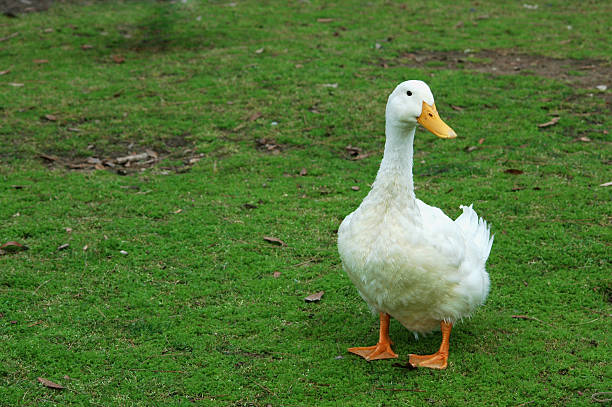
Ducks are among the most versatile and adaptable waterfowl, thriving in a wide range of environments and fulfilling various roles across cultures and ecosystems. With over 100 recognized duck breeds worldwide, each has unique characteristics suited to specific climates, dietary needs, and purposes. Some breeds, such as the mallard, are naturally occurring and form the basis of many domestic duck varieties, while others, like the Pekin and Muscovy, have been selectively bred for specific traits such as meat production, egg-laying, or ornamental appeal. Understanding these variations is essential for breeders, farmers, and conservationists, as it enables the proper care and utilization of different duck species for agricultural, ecological, and recreational purposes.
Ducking has a long history of domestication, with ancient civilizations in China and Egypt cultivating ducks for food and cultural significance. Today, ducks play a dual role as both agricultural animals and backyard pets, with some breeds valued for their egg production, others for meat, and many for their striking appearance. For example, the Khaki Campbell is renowned for its prolific egg-laying, while the Rouen duck, with its elegant appearance, is often kept for ornamental purposes. Beyond their practical uses, ducks contribute to ecological balance by controlling insect populations, serving as indicators of environmental health, and enriching wetland ecosystems. This guide explores the fascinating diversity of duck breeds, their characteristics, and how these differences influence their function in human society. By examining the traits that define each breed, we can gain a deeper appreciation for the role ducks play in agriculture, conservation, and our daily lives.
The Unique Characteristics of Major Duck Breeds
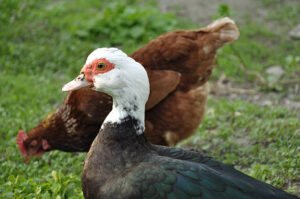
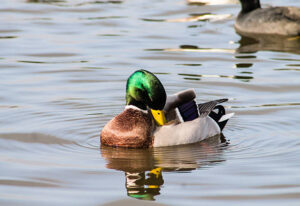
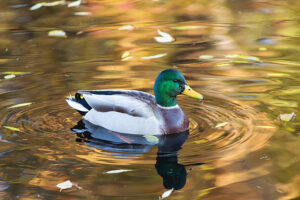
Among the many duck breeds, each possesses distinct traits that influence their roles in agriculture, conservation, and domestic life. The mallard, a naturally occurring wild duck, is the ancestor of most domestic breeds and is valued for its adaptability and strong flying ability. It thrives in a wide range of environments and is often seen in wetlands, parks, and coastal regions. In contrast, the Muscovy duck is neither a wild nor a typical domestic breed but an American waterfowl that has been selectively bred for its unique features. It is known for its plumage, which varies between males and females, and its ability to thrive in warmer climates. Unlike most ducks, the Muscovy does not require a water source to survive, making it an excellent choice for backyard flocks in suburban or arid regions. It is also highly efficient at pest control, as its diet includes a wide variety of insects and small invertebrates.
For meat production, the Pekin duck is one of the most widely raised breeds due to its large, plump frame and rapid growth rate. Its white plumage and broad, round body give it a distinctive appearance, while its tender meat and high yield make it a popular choice for commercial farming. The Pekin is also known for its calm and docile nature, making it suitable for both small-scale and large-scale operations. Conversely, the Khaki Campbell duck is renowned for its exceptional egg-laying capabilities. This small, active breed can produce up to 300 eggs annually, making it ideal for backyard keepers and small farms that prioritize egg production. Its slender body, slate-gray plumage, and high energy levels give it a unique appearance and a self-sufficient nature, allowing it to thrive in a variety of environments.
Other notable duck breeds, such as the Rouen and the Aylesbury, are primarily raised for ornamental or show purposes due to their striking physical features. The Rouen duck, with its long neck and elegant coloration, resembles the mallard but is significantly larger and more domesticated. Its majestic appearance makes it a popular choice for bird shows and decorative flocks. The Aylesbury, known for its white plumage and broad, rounded body, is also bred for exhibition and ornamental purposes. Understanding the unique characteristics of each breed is essential for making informed decisions about duckkeeping, whether for food production, aesthetics, or conservation efforts.
At-Risk Duck Breeds and the Impact of Human Activities
Despite their adaptability, certain duck breeds are facing significant declines due to habitat loss, environmental changes, and human interventions. The Khaki Campbell, a highly productive egg-laying breed, is among the breeds at greater risk due to shifting agricultural practices and the rising demand for commercial duck products. As large-scale farming operations favor breeds with faster growth rates and higher meat yields, the Khaki Campbell’s niche in small-scale and backyard farming has been steadily decreasing. Additionally, crossbreeding with other duck varieties can lead to the loss of genetic purity, further threatening the breed’s distinct characteristics. Conservation efforts, such as dedicated breeding programs and education on the importance of preserving heritage breeds, are crucial for ensuring the survival of the Khaki Campbell and similar breeds.
The mallard, although a naturally occurring and highly adaptable species, also faces challenges due to human impact. While mallards are widely distributed, their populations are affected by habitat destruction, pollution, and the introduction of invasive species. In urban and suburban areas, the overpopulation of domesticated mallard hybrids has led to concerns about genetic dilution. The interbreeding between wild mallards and domestic duck populations has the potential to disrupt the genetic makeup of wild populations, altering their traits and reducing biodiversity. Furthermore, the widespread feeding of domestic ducks in public parks has introduced health risks and imbalances in natural feeding behaviors. Conservationists warn that without responsible management and habitat protection, these genetic changes could threaten the long-term survival of the mallard’s wild populations. Human activities, including urban development and the introduction of non-native species, continue to shape the future of these duck breeds, underscoring the need for awareness and proactive conservation measures.
Identifying Health Issues in Ducks
Like all animals, ducks can suffer from a range of health problems that may manifest through distinct physical, behavioral, or physiological signs. One of the most common indicators of ill health in ducks is weight loss, which can be attributed to parasites, poor nutrition, or chronic diseases such as liver failure or respiratory infections. A duck that appears thin despite regular feeding may be suffering from an underlying health issue requiring veterinary attention. Feather conditions are also a key sign of a duck’s well-being; abnormal feather loss, ruffled or disheveled plumage, and the presence of mites or lice can signal external parasite infestations or nutritional deficiencies. In particular, mites and lice can cause severe irritation, leading to self-inflicted feather damage and reduced mobility.
In addition to physical signs, changes in behavior can serve as early warnings of illness in ducks. A normally active duck that suddenly becomes lethargic or disinterested in food may be experiencing discomfort or illness. Respiratory issues, such as sneezing, coughing, or labored breathing, can indicate the presence of infectious diseases like duck viral enteritis or avian influenza. Other symptoms, including swollen joints, limping, or decreased egg production, may signal chronic conditions or infectious agents such as bacterial or viral infections. Recognizing these signs is essential for early intervention and maintaining the health of domestic and backyard duck flocks.
The Long-Term Effects of Health Issues on Different Lifecycle Stages
The impact of health issues in ducks varies significantly across different lifecycle stages, from early development to adulthood and old age. In the early stages of life, young ducks are particularly vulnerable to infectious diseases, nutritional deficiencies, and environmental stressors. Poor nutrition or parasitic infestations during this phase can lead to stunted growth, weakened immune systems, and long-term developmental issues. For example, a Pekin duckling suffering from a vitamin or mineral deficiency may experience improper skeletal development, resulting in lameness or reduced mobility later in life. Additionally, early exposure to diseases such as duck viral enteritis or avian influenza can have lasting consequences, including weakened reproductive systems and reduced laying potential in adult females.
As ducks progress into their adult phase, chronic health issues can manifest in various ways, affecting their overall productivity and quality of life. Poultry such as Muscovy ducks, which play a significant role in pest control, may experience a gradual decline in their ability to maintain mobility if they suffer from long-term joint conditions or weight-related health problems. Egg-laying breeds, such as the Khaki Campbell, are especially sensitive to health deterioration, as prolonged infections or chronic stress can significantly reduce egg production and increase the risk of reproductive diseases like oviduct infections. In severe cases, ducks that are not treated for chronic conditions may become less fertile or stop laying altogether.
In their later years, ducks may face age-related health challenges that further impact their survival. As their immune systems weaken with age, older ducks are more susceptible to infections and diseases. Long-term exposure to stress or poor living conditions can lead to organ failure or chronic conditions such as kidney disease. The impact of untreated health issues during earlier stages of life becomes more pronounced in older ducks, as past injuries or infections may contribute to long-term mobility issues or organ deterioration. Maintaining the well-being of ducks at every stage of their lifecycle is essential for ensuring their productivity, longevity, and overall health.
Diagnosing Health Issues in Ducks
Accurately diagnosing health problems in ducks requires a combination of observational techniques, physical examinations, and diagnostic tests to ensure timely and effective treatment. The first step in the diagnostic process is a thorough physical examination, during which the duck’s overall appearance, behavior, and bodily functions are assessed. A veterinarian or experienced duck keeper will examine the duck for visible signs of illness, such as weight loss, ruffled feathers, swollen joints, or respiratory distress. The duck’s hydration levels, beak condition, and gait are also important indicators of its health, as abnormalities in these areas can point to nutritional deficiencies or systemic issues.
In addition to physical assessments, blood tests are essential for identifying internal health concerns. Blood work can detect anemia, infections, organ dysfunction, and hormonal imbalances that may not be apparent through visual inspection alone. For example, elevated levels of certain enzymes in a blood sample may indicate liver or kidney disease, while abnormal white blood cell counts can signal viral or bacterial infections. Furthermore, blood tests can help measure protein levels, electrolyte balance, and glucose concentration, providing insight into the duck’s metabolic health.
Fecal analysis is another diagnostic tool commonly used in duck health assessments. A fecal sample can reveal the presence of parasites, such as mites, lice, or internal worms, which can cause significant discomfort and health complications. By identifying寄生虫 eggs or larvae in the sample, veterinary professionals can determine the most effective deworming or treatment strategy. In more complex cases, additional diagnostic techniques such as radiography or endoscopy may be employed to examine internal organs and detect abnormalities such as tumors or blockages. These diagnostic methods collectively enable a comprehensive understanding of a duck’s health, ensuring appropriate intervention and treatment strategies.
Effective Treatment Methods for Common Duck Health Issues
Once a health issue has been properly diagnosed, treating ducks effectively requires a combination of targeted interventions, including dietary adjustments, medical treatments, and environmental modifications. One of the first steps in addressing any ill health is to assess and improve the duck’s diet if nutritional deficiencies are suspected. Ducks, especially those raised in backyard or small-scale farms, may suffer from vitamin, mineral, or protein imbalances that can weaken their immune systems and lead to chronic health problems. For example, ducks exhibiting signs of poor feather development or stunted growth may benefit from a balanced diet that includes high-quality waterfowl feed, supplemented with leafy greens, legumes, and commercial waterfowl vitamins. Ensuring a consistent source of calcium, phosphorus, and biotin is especially important for laying ducks to prevent conditions like calcium deficiency and soft-shelled eggs.
In cases of parasitic infestations, medical treatments such as antiparasitic medications are essential. For external parasites like mites or lice, treatment often involves the use of poultry-safe insecticides or herbal remedies such as neem oil or diatomaceous earth. Regular application of these treatments is necessary to fully eliminate the infestation and prevent recurrence. In contrast, internal parasites such as worms or coccidia require deworming medications like fenbendazole or albendazole, which must be administered according to the prescribed dosage and frequency. It is important to rotate deworming agents periodically to prevent the development of resistance in parasitic species.
For bacterial or viral infections, antibiotics or antiviral medications may be prescribed depending on the diagnosis. Common bacterial infections such as avian pasteurellosis or colibacillosis can be treated with broad-spectrum antibiotics like enrofloxacin or tylosin, while viral conditions such as duck viral enteritis (DVE) may require supportive care and antiviral compounds. In cases of respiratory distress, veterinary intervention is crucial, as ducks with severe infections may need oxygen therapy or nebulization treatments. Additionally, ensuring a clean and stress-free environment with proper ventilation, clean water, and appropriate temperatures is vital for aiding recovery and preventing the spread of disease among the flock. Combined with early detection and proper management techniques, these treatment methods significantly improve the health and longevity of ducks.
The Prognosis and Potential Complications of Duck Health Issues
The prognosis for ducks suffering from health issues depends on the severity of the condition, the timeliness of intervention, and the overall health of the individual duck. In many cases, early detection and prompt treatment significantly improve recovery chances, especially for treatable conditions such as parasitic infestations, bacterial infections, or nutritional deficiencies. Ducks that receive appropriate veterinary care, including dietary adjustments, medication, and supportive treatment, often regain full health within a short period. However, if health issues are left unaddressed, complications can arise that negatively impact both the individual duck and the broader flock.
One of the most significant complications of untreated health issues in ducks is the development of chronic conditions. For example, a duck suffering from a persistent respiratory infection, such as avian influenza or infectious bronchitis, may experience progressive lung damage, leading to a permanent decline in respiratory function. Similarly, ducks with undiagnosed parasitic infestations may suffer from long-term gastrointestinal or immune system damage, making them more susceptible to other diseases. In laying ducks, chronic infections or hormonal imbalances can result in reduced egg production or reproductive failure, impacting the economic viability of the flock. Additionally, ducks with untreated foot-related issues, such as bumblefoot or lameness, may develop long-term mobility problems, limiting their ability to forage and interact with their environment.
Another major concern is the potential for disease transmission within the duck population and to other bird species. Ducks, especially those in communal or free-range settings, can act as carriers or vectors for various pathogens, including bacteria, viruses, and parasites. If an infected duck is not isolated or treated promptly, it can contribute to the spread of diseases such as avian influenza or salmonellosis, which can have severe consequences for both poultry and human health. Furthermore, improper use of antibiotics or deworming agents can lead to drug resistance, making future treatment more challenging. While effective treatment options and preventive measures are available, the failure to address health issues in ducks can lead to long-term complications that affect individual birds, flocks, and the broader ecosystem.
Preventing Health Issues in Ducks
Preventing health problems in ducks requires a proactive approach that encompasses proper feeding, habitat management, and regular monitoring. A well-balanced diet is essential for maintaining strong immune systems and overall health. Ducks should have access to a diet that includes commercial waterfowl feed formulated for their specific life stage, supplemented with fresh greens, legumes, and grains. Providing clean and fresh water at all times is also crucial, as ducks require more water for digestion and hydration compared to other poultry. Additionally, ensuring adequate calcium and vitamin intake helps prevent issues such as soft-shelled eggs and skeletal abnormalities, particularly in laying ducks.
Creating a suitable living environment is equally important for preventing disease and promoting duck well-being. Ducks should be housed in enclosures that allow for both land and water access, as they have a natural instinct to bathe and forage. The living area must be clean and dry, with regular cleaning of nesting boxes and water sources to prevent the buildup of harmful bacteria and parasites. Ducks are prone to infections from damp and unhygienic conditions, so maintaining a dry, well-draining environment is essential. Additionally, providing a secure shelter that protects ducks from extreme weather, predators, and overexposure to sunlight is important for minimizing stress-related health complications.
Regular observation of duck behavior, appetite, and physical condition is key to early detection of potential health issues. A watchful caretaker can identify signs of illness, such as weight loss, feather loss, or unusual behavior, before they escalate into more serious problems. Routine health checks, including parasite control and vaccination programs, can further reduce the risk of disease outbreaks. Implementing a schedule for deworming, mite control, and vaccination—especially for ducks in high-risk environments—can significantly improve their long-term health. By following these preventive measures, duck keepers can ensure their birds remain healthy, productive, and free from unnecessary suffering.
The Role of Diet and Nutrition in Duck Health
Proper nutrition is a fundamental aspect of maintaining the health and well-being of ducks, as their dietary needs differ significantly from other poultry. Ducks, being primarily aquatic birds, require a diet rich in proteins, fiber, and essential vitamins to support their metabolic functions, growth, and laying capabilities. A well-balanced diet for ducks typically includes a mix of commercial waterfowl feed, grains, leafy greens, and protein-rich foods such as insects or legumes. Unlike chickens, ducks have a more efficient digestive system that allows them to process fibrous plants like grasses, aquatic vegetation, and legumes, making them excellent foragers when provided with a suitable environment. Ensuring a diverse and nutrient-dense diet helps prevent common health issues such as nutritional deficiencies, poor feather development, and metabolic disorders.
Water is another critical component of a duck’s diet, as they require significantly more hydration than terrestrial poultry. Ducks have a specialized bill structure and feeding habits that allow them to filter water and forage for food, but they still need a constant supply of clean, fresh water to maintain proper hydration and digestion. Dehydration can lead to a range of health problems, including digestive complications, reduced egg production, and weakened immune function. Additionally, ducks use water for bathing and grooming, which helps maintain healthy plumage and prevents external parasites. Providing uncontaminated water sources and ensuring that ducks have access to clean, shallow water for bathing and drinking is essential for their long-term health.
Understanding the nutritional requirements of different duck breeds is vital for optimizing their care. For example, high-egg-laying breeds such as the Khaki Campbell require additional calcium to support strong eggshells, while meat-producing breeds like the Pekin benefit from higher protein intake to support rapid growth. By tailoring the diet to each breed’s specific needs and ensuring a well-structured feeding regimen, caretakers can promote optimal health, vitality, and productivity in their duck flocks.
Zoonotic Risks Associated with Ducks and Preventive Measures
Ducks can carry zoonotic diseases, which are illnesses that can be transmitted from animals to humans. One common example is avian influenza, which can be found in wild ducks and may spread to domestic populations. Human infection with avian influenza typically occurs through close contact with infected birds or contaminated surfaces. Additionally, ducks may carry bacteria such as Salmonella and E. coli, which can cause gastrointestinal illness in humans, especially if proper hygiene is not maintained when handling ducks or their eggs.
To minimize the risk of zoonotic transmission, preventive measures should be taken. These include practicing good hygiene, such as washing hands thoroughly after handling ducks or cleaning their living environments. It is also advisable to avoid direct contact with sick birds and to maintain clean coops and water sources to reduce the spread of pathogens. Individuals working closely with ducks should consider using protective clothing and gloves, particularly when dealing with feces or contaminated surfaces. By following these precautions, the risk of zoonotic diseases between ducks and humans can be significantly reduced.
Add comment