
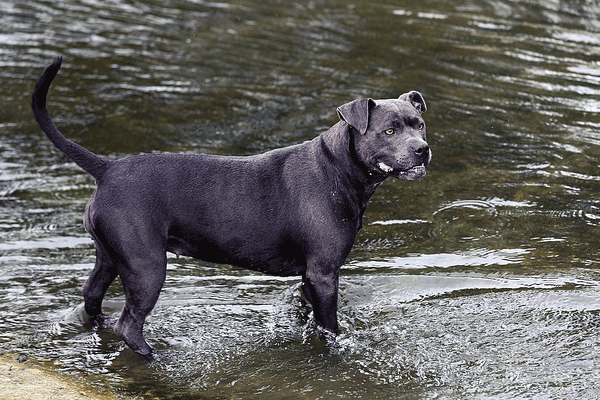
Bringing a new baby into a home with a fearful dog can be a significant challenge, but with careful planning, patience, and gentle approaches, it’s entirely possible to create a harmonious environment for everyone. This comprehensive guide will walk you through the essential steps, focusing on understanding your fearful dog, thorough preparation, and ongoing management to ensure both your pet’s well-being and your baby’s safety.
The Fearful Dog: Gentle Approaches for Anxious Pets and New Babies
Introduction: A New Chapter, A Thoughtful Approach
The arrival of a baby is a monumental life change. For a fearful dog, this change can be overwhelming, triggering anxiety, stress, and potentially unwanted behaviors. A fearful dog might react to new sights, sounds, smells, and routines with anything from hiding and avoidance to growling or snapping if pushed past their comfort zone.
This guide is designed to help you proactively manage this transition, prioritizing your dog’s emotional well-being and your baby’s safety. The key principles are patience, positive reinforcement, gradual introductions, and constant supervision.
Part 1: Understanding Your Fearful Dog
Before you can help your dog adapt, you need to deeply understand their fear.
1.1 What Causes Fear in Dogs?
Fear can stem from various sources:
- Genetics: Some dogs are predisposed to anxiety.
- Lack of Socialization: Insufficient exposure to different people, places, sounds, and objects during critical developmental periods.
- Traumatic Experiences: Past abuse, neglect, or frightening events.
- Pain/Illness: Underlying medical conditions can make a dog irritable or more reactive.
- Changes in Environment: New people, routines, or objects can be highly stressful.
1.2 Recognizing Signs of Fear and Stress
Fearful dogs don’t always growl or bite immediately. They give many subtle signals first. Learning to read these is crucial:
Subtle Signs:
- Lip Licking: Often without food present, a quick flick of the tongue.
- Yawning: Also without being tired, can indicate stress.
- Head Turns/Averting Gaze: Avoiding eye contact.
- Stiff Body Language: Tense muscles, rigid posture.
- Tail Low/Tucked: Even if wagging, if the tail is low, it can indicate apprehension.
- Ears Back/Flat: Pinned against the head.
- Whale Eye: You can see the whites of their eyes when they look at something.
- Panting (without exertion) or Drooling: Can indicate anxiety.
- Holding Breath: Shallow or restricted breathing.
- Freezing: Becoming completely still.
- Shaking/Trembling: Even if not cold.
- Seeking Closeness/Clinging: Some fearful dogs might become excessively clingy.
Overt Signs (Escalation):
- Hiding/Retreating: Trying to escape the situation.
- Growling: A warning sign, never punish a growl. It’s communication.
- Snapping: A quick bite without making contact.
- Biting: Making contact, ranging from inhibited to severe.
Key takeaway: Never punish a dog for displaying fear signals. This suppresses the warning signs, making a bite more likely without prior notice. Instead, identify the trigger and remove the dog from the stressful situation, or remove the stressor from the dog.
Part 2: Phase 1 – Preparation is Key (Before the Baby Arrives)
The more you prepare your dog before the baby comes home, the smoother the transition will be. Start this process months in advance if possible.
2.1 Veterinary Check-up & Behavior Consultation
- Health First: Rule out any underlying medical conditions that could be contributing to anxiety or pain, making your dog more reactive.
- Professional Help: Consult with a Certified Professional Dog Trainer (CPDT-KA), a Certified Dog Behavior Consultant (CDBC), or a Veterinary Behaviorist (Dip. ACVB). They can assess your dog’s specific fears and help you create a tailored plan. If your dog has history of aggression or severe anxiety, do this immediately.
2.2 Training & Confidence Building
- Basic Obedience: Reinforce or teach reliable “sit,” “stay,” “down,” “come,” and “leave it.” These commands will be essential for managing interactions.
- “Place” Command: Teach your dog to go to a designated “place” (e.g., a dog bed, crate) and stay there calmly until released. This provides a safe, quiet space away from the baby and allows you to manage situations.
- Positive Exposure to Baby-Related Stimuli:
- Sounds: Play recordings of baby cries, coos, and gurgles at a very low volume. Gradually increase the volume over weeks/months, pairing the sounds with high-value treats and praise.
- Smells: Introduce baby lotions, powders, and shampoos. Let your dog sniff them from a distance, rewarding calm curiosity.
- Sights: Set up baby furniture (crib, changing table, swing) well in advance. Let your dog explore at their own pace, and reward them for ignoring the items or for calm behavior around them.
- Movement: Practice walking with a stroller around the house and outside.
- Handling: Gently touch your dog’s paws, ears, and tail more frequently (if they tolerate it) to desensitize them to potential accidental pokes from a curious toddler later on. Always keep these sessions positive and short.
- Muzzle Training: For fearful dogs, muzzle training can be a life-saving tool. It’s a safety net, not a punishment. Teach your dog to willingly wear a comfortable basket muzzle (one they can pant, drink, and take treats in) using positive reinforcement. This ensures safety during initial introductions or stressful vet visits.
2.3 Environmental Management
- Create a Safe Haven: Designate a dog-free zone for your dog where they can retreat and feel secure (e.g., a crate in a quiet room, a bed behind a baby gate). This zone should be inaccessible to the baby.
- Baby Gates: Install baby gates to separate spaces. This allows you to contain your dog, or keep the baby out of your dog’s space, ensuring safety for both.
- Secure Possessions: Place dog toys, food bowls, and beds in areas inaccessible to the baby to prevent resource guarding issues.
- Baby-Proofing for the Dog: Make sure no small baby items are left on the floor that your dog could ingest.
2.4 Adjusting Routines
- Simulate Changes in Attention: Your dog will naturally receive less direct attention once the baby arrives. Practice this by spending less active play time and more “concurrent” time (e.g., dog resting near you while you read a book instead of constantly petting). Provide engaging toys (Kongs, puzzle feeders) during these times.
- Schedule Changes: If your dog has a rigid feeding/walking schedule, gradually introduce some flexibility so they are less stressed by inevitable disruptions.
- Prepare for Noise: The household will be louder. Continue with sound desensitization and ensure quiet retreats are available.
2.5 Scent Introductions (Just Before Baby Comes Home)
- Hospital Swaddle: Have a partner or friend take a blanket or article of clothing that the baby has worn in the hospital home before the baby arrives. Let your dog sniff it calmly, associating it with positive reinforcement (high-value treats). Do not force interaction. This helps your dog get used to the baby’s scent in a low-stress way.
- Parent Scent: As the parent who carried the baby, your own scent will change. Let your dog re-familiarize themselves with your scent, associating it with calm greetings and treats.
Part 3: Phase 2 – The Baby Arrives (First Introductions & Weeks)
This is the most delicate phase. Prioritize safety and positive association.
3.1 The First Home-Coming
- Calm Reentry: When you first arrive home with the baby, have one parent greet the dog alone first, without the baby, allowing for an enthusiastic, calm reunion. This helps your dog reconnect with you before the new addition is introduced.
- Controlled Environment: Once your dog is calm, bring the baby into the house, ideally with the dog on a leash for control (but not restraint/tension). The dog should be calm, not over-excited or anxious.
3.2 The First Meeting(s)
- Distance and Observation: The first few meetings should be at a distance, with the baby in a parent’s arms (never on the floor). The dog should be on a leash, but loose, allowing them some freedom of movement.
- Positive Association: Constantly reward your dog with high-value treats for calmly observing the baby. Avoid direct interaction initially. If your dog shows any signs of fear or stress (as listed in Section 1.2), increase the distance.
- Short and Sweet: Keep initial sessions very short (a few minutes). End on a positive note before your dog becomes overwhelmed.
- No Forced Interaction: Never force your dog to approach or sniff the baby. Let them initiate curiosity if they choose, but reward calm observation regardless.
- Supervision 100%: Never, ever leave your dog and baby unattended – not even for a second. This is non-negotiable.
3.3 Managing Interactions in the Early Weeks
- Parallel Play/Presence: Allow your dog and baby to be in the same room, but not necessarily interacting. Reward your dog for calmly lying on their “place” bed while you are with the baby.
- Leash Management: Use a leash for controlled introductions and supervision during critical times, but avoid constantly tethering your dog, which can increase anxiety.
- Maintain Routines (as much as possible): Try to stick to previous feeding and walking schedules. Predictability helps anxious dogs.
- “Dog Time”: Ensure your dog still gets dedicated attention, walks, and mental stimulation. This prevents resentment and boredom. Puzzle toys, training sessions, and walks can be excellent outlets.
- Recognize Overwhelm: If your dog shows signs of stress, remove them from the situation or remove the baby. Give them a break in their safe space.
Part 4: Phase 3 – Ongoing Harmony & Management
As your baby grows, new challenges will arise. Continue your gentle, proactive approach.
4.1 Continued Supervision & Safety
- Always Supervise: Reinforce the “never leave them alone” rule. This applies through toddlerhood and beyond.
- Baby Gates are Your Friends: Continue to use gates to create separate zones until you are absolutely confident in your dog’s reactions.
- Baby’s Milestones: Prepare your dog for new baby behaviors:
- Rolling: Practice having your dog calmly observe you rolling a doll on the floor, rewarding calm behavior.
- Crawling: This is a big one. The baby is now mobile and unpredictable. Keep your dog on a leash during initial crawling phases. Teach your baby “gentle hands” when they are old enough.
- Standing/Walking: The baby is now at dog-face height. Be extra vigilant.
- Educate Visitors: Ensure all visitors understand your rules regarding your dog and the baby. They should not force interaction, get the dog over-excited, or allow the baby to harass the dog.
4.2 Reinforce Positive Associations
- Treats for Calmness: Whenever your dog is calm in the baby’s presence, casually drop a treat, or offer praise.
- Associate Good Things with Baby: Feed your dog their meals, give them special chew toys, or offer praise when the baby is around (but not directly interacting). This helps build a positive emotional response to the baby’s presence.
4.3 Respect Your Dog’s Space
- No Forced Affection: Never force your dog to interact with, sniff, or “love” the baby. Allow them to choose when and how they approach.
- Safe Retreats: Ensure your dog always has an easy escape route and a safe place to go if they feel overwhelmed. Teach your children (when they are old enough) to respect the dog’s space, especially when they are in their bed or crate.
4.4 Continued Training & Enrichment
- Maintain Training: Consistency is key. Routinely practice basic commands and your “place” command.
- Mental Stimulation: Provide puzzle toys, chew items, and short training sessions to keep your dog mentally engaged, especially if physical exercise is sometimes limited due to baby care.
- Exercise: Ensure your dog gets adequate physical exercise. A tired dog is generally a calmer dog.
Part 5: Addressing Specific Challenges & When to Seek Help
Even with the best preparation, issues can arise.
5.1 Common Challenges & How to Respond:
- Hiding/Avoidance: If your dog is consistently hiding, it means they are very stressed. Give them space. Ensure their safe haven is truly safe and quiet. Continue positive associations from a distance. Do not force them out.
- Whining/Pacing: Signs of anxiety. Increase exercise, mental stimulation, and ensure the dog is getting enough quality one-on-one time. Re-evaluate routines.
- Resource Guarding: If your dog growls, snaps, or protects their food, toys, or even you from the baby, this is a serious issue. Immediately separate the dog and baby and seek professional help from a certified behaviorist. This is not something to manage on your own.
- Nervous Licking/Excessive Grooming: Can be a displacement behavior due to stress. Assess the environment for stressors.
- Regression in House Training: Can be a sign of extreme stress or a urinary tract infection. Rule out medical first, then address stress.
- Growling/Snapping at the Baby: This is a severe warning sign. Immediately separate the dog and the baby and contact a veterinary behaviorist or a certified applied animal behaviorist. This requires professional intervention to ensure everyone’s safety. Never punish the growl, as it’s a critical communication from your dog. Instead, manage the environment to prevent the situation from recurring.
5.2 When to Seek Professional Help Immediately:
- Any sign of aggression (growling, snapping, biting) directed at the baby or anyone trying to protect the baby.
- Severe anxiety that is impacting your dog’s quality of life (e.g., constant trembling, self-mutilation, panic attacks).
- Resource guarding behavior towards the baby.
- If you are feeling overwhelmed, unsafe, or unable to manage the situation.
Types of Professionals:
- Veterinary Behaviorist (Dip. ACVB): A veterinarian who has specialized in animal behavior. They can diagnose medical conditions contributing to behavior issues and prescribe medication if necessary.
- Certified Applied Animal Behaviorist (CAAB or ACAAB): Holds a master’s or Ph.D. in animal behavior.
- Certified Professional Dog Trainer (CPDT-KA) or Certified Dog Behavior Consultant (CDBC): Experienced trainers and behavior professionals who use force-free, positive reinforcement methods.
Conclusion: Patience, Love, and Safety
Integrating a fearful dog with a new baby is a marathon, not a sprint. There will be good days and challenging days. Your unwavering commitment to patience, positive reinforcement, and consistent management will be the cornerstones of success.
By understanding your dog’s fears, meticulously preparing, and prioritizing safety above all else, you can help your anxious pet adapt to this significant life change, fostering a loving and harmonious relationship between your cherished dog and your new baby. Remember, a happy, well-adjusted dog contributes to a happy, peaceful home for the entire family.
#FearfulDog, #AnxiousDog, #DogAnxiety, #NewBabyDog, #DogAndBaby, #PetSafety, #GentleDogTraining, #DogBehavior, #PetTips, #FamilyPet, #PositiveReinforcement, #DogTraining, #PetCare, #BabyAndPet, #CalmDog, #PetParents, #ExpectingParents, #DogMom, #DogDad, #DogLife






Add comment