
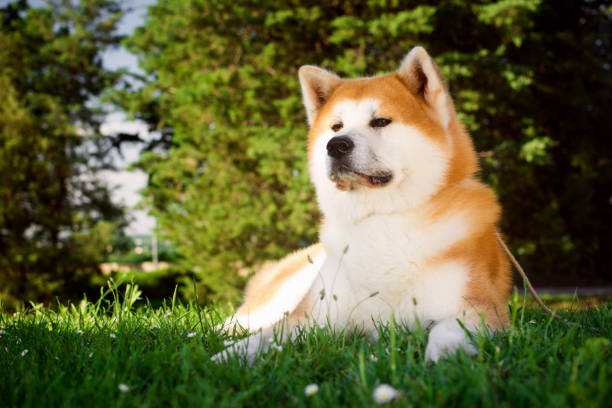
The arrival of a new baby is a monumental occasion for any family, and for dog owners, it brings a unique set of considerations. Integrating a furry family member with a tiny human requires careful planning, patience, and a deep understanding of your dog’s needs and instincts. The “first sniff” – that initial, controlled introduction between dog and baby – is a critical stepping stone in building a safe, harmonious, and loving relationship between them. This comprehensive guide will walk you through every aspect of preparing your dog, managing the introduction, and fostering a positive, lifelong bond.
Chapter 1: Laying the Foundation – Pre-Baby Preparation
The most crucial preparation for the “first sniff” happens before your baby even arrives. This phase is about setting your dog up for success by addressing their needs, establishing clear boundaries, and introducing new experiences gradually.
1. Reinforce Basic Obedience:
- Why it’s crucial: A well-trained dog is a more predictable and manageable dog. Commands like “sit,” “stay,” “down,” “come,” and “leave it” are essential for controlling your dog’s impulses and ensuring their safety around the baby.
- Actionable steps:
- Brush up on existing commands, ensuring they are reliable in various environments and distractions.
- Introduce a “place” or “mat” command, teaching your dog to go to a designated spot and remain there. This will be invaluable for creating a safe distance when needed.
- Focus on impulse control exercises, such as waiting for food or toys, and resisting distractions.
- Consider professional training if your dog has behavioral issues or if you’re a first-time dog owner.
2. Simulate Baby-Related Changes:
- Why it’s crucial: Dogs thrive on routine. Introducing significant changes gradually before the baby arrives will minimize stress and anxiety for your dog.
- Actionable steps:
- Introduce new scents: Bring home a baby blanket or a onesie that has been in the baby’s room. Let your dog sniff it without pressure or overexcitement.
- Alter routines: Gradually shift your dog’s feeding schedule, walk times, and cuddle times to accommodate the potential changes that will occur after the baby’s arrival.
- Practice with baby gear: Introduce the stroller, car seat, and rocking chair. Let your dog explore them at their own pace. Take the stroller for walks before the baby is in it, allowing your dog to get accustomed to it.
- Simulate baby noises: Play recordings of baby cries, gurgles, and coos at low volumes initially, gradually increasing the intensity and duration. Observe your dog’s reactions and reward calm behavior.
- Practice carrying a “baby doll”: Walk around the house holding a weighted doll to get your dog used to you being occupied and potentially less available for immediate attention.
3. Socialization and Positive Associations:
- Why it’s crucial: Ensuring your dog is comfortable around a variety of people, sounds, and situations will make them more adaptable to the new environment.
- Actionable steps:
- Continue positive socialization experiences, ensuring they remain enjoyable and not overwhelming for your dog.
- If your dog has any fear or anxiety around new things, work on desensitization and counter-conditioning in a controlled and humane way.
- Associate positive experiences (treats, praise, gentle petting) with baby-related items and scenarios.
4. Establish and Maintain Boundaries:
- Why it’s crucial: Clear boundaries are essential for both the dog’s and the baby’s safety.
- Actionable steps:
- Designate “dog-free zones,” such as the nursery if you wish. This teaches your dog to respect boundaries and can prevent unwanted access to the baby’s space.
- Teach your dog to get off furniture if they currently sleep on beds or sofas, as this will be a shared space with the baby.
- Discourage jumping on people, as this behavior can become problematic with a fragile infant.
5. Health and Well-being Check:
- Why it’s crucial: A healthy dog is a happy dog, and this can positively impact their behavior.
- Actionable steps:
- Ensure your dog is up-to-date on all vaccinations and parasite prevention.
- Discuss any concerns about your dog’s behavior or potential stress with your veterinarian.
Chapter 2: The Homecoming – Managing the First Sniff
The day you bring your baby home is a whirlwind. Your dog will likely sense the new energy and smells. The “first sniff” should be a controlled, calm, and positive experience, focusing on your dog’s comfort and safety.
1. The Initial Greeting: Separation and Controlled Introduction:
- Why it’s crucial: This prevents your dog from being overwhelmed and allows them to process the new arrival at their own pace.
- Actionable steps:
- Have someone meet your dog first: Ideally, have your partner or another family member greet your dog outside the house for a few minutes before you and the baby enter. This allows your dog to greet the familiar person and get some attention before the newness is overwhelming.
- Calm entry for the baby: Enter the house holding the baby. Avoid directly bringing the baby to the dog immediately. Go through your usual greetings with your dog without the baby.
- Controlled environment: Ensure your dog is on a leash or in a safe, contained area.
- Allow sniffing of the scent carrier: Once you’ve settled in, have the baby’s carrier or a blanket that smells of the baby brought to the dog. Allow them to sniff it calmly, rewarding them with praise and gentle petting for relaxed behavior. *Do not force them to interact with it.
2. The Face-to-Face Introduction:
- Why it’s crucial: This is the true “first sniff,” and it needs to be managed carefully to ensure positive associations.
- Actionable steps:
- Choose the right moment: Wait until things have calmed down slightly. The baby should be in a secure bassinet or held by another adult.
- Leash your dog: Have your dog on a comfortable leash, held by a calm adult.
- Keep it brief and positive: Let your dog approach the baby at their own pace. Allow them to sniff the baby’s feet or hand for a short duration.
- Reward calm behavior: Lavishly praise and offer high-value treats for any sign of calm, relaxed behavior from your dog (e.g., relaxed body, soft eyes, gentle sniffing).
- Watch for warning signs: Be hyper-aware of your dog’s body language. Signs of stress or anxiety include:
- Lip licking
- Yawning (when not tired)
- Stiffening
- Whale eye (showing the whites of their eyes)
- Tucked tail
- Growling
- Excessive panting
- Attempting to flee
- End on a positive note: If your dog remains calm and curious, that’s great! If they show any signs of stress, calmly and gently lead them away. End the interaction before they become overwhelmed. This might mean the “first sniff” is just a few seconds long. It’s better to have a short, positive experience than a long, negative one.
3. Ongoing Management and Supervision:
- Why it’s crucial: The initial introduction is just the beginning. Consistent management and supervision are key to long-term success.
- Actionable steps:
- Never leave them unsupervised: This is the golden rule. Ever. Not even for a second.
- Create safe spaces for the baby: Ensure the baby can be in their crib, bassinet, or playpen without the dog having unsupervised access.
- Create safe spaces for the dog: Ensure your dog has a comfortable bed or crate where they can retreat and feel secure.
- Continue positive reinforcement: Reward your dog generously for calm behavior around the baby.
- Maintain your dog’s routine as much as possible: Try to stick to their feeding, walking, and playtime schedules to provide them with a sense of normalcy.
Chapter 3: Nurturing the Bond – Building a Harmonious Relationship
Once the initial introductions are managed, the focus shifts to fostering a positive and lasting relationship between your dog and your baby. This involves ongoing management, consistent training, and understanding the evolving dynamics.
1. Gradual and Controlled Interactions:
- Why it’s crucial: As your baby grows, their movements and sounds will change. Introductions should continue to be gradual and monitored.
- Actionable steps:
- Let your dog observe: Allow your dog to observe the baby from a safe distance, especially as the baby starts to move, make noise, or be more interactive.
- Controlled petting: When you allow your dog to interact with the baby (e.g., sniff their toes while they’re on a playmat), ensure the interaction is gentle and supervised. Guide your dog’s nose if necessary.
- Teach the baby how to interact: As your baby gets older, teach them gentle petting and to respect the dog’s space. This is a crucial part of preventing future conflicts.
2. Incorporate Your Dog into Baby-Related Activities:
- Why it’s crucial: This helps your dog feel like a valued member of the family and reduces feelings of exclusion.
- Actionable steps:
- Walks with the stroller: Once the baby is older and you’re comfortable, include your dog on walks with the stroller. This requires practice and good leash manners from your dog.
- “Helping” with baby care: Involve your dog in small, positive ways. For example, you could have them “fetch” a diaper or a burp cloth (on command).
- Relaxation time together: Encourage quiet, calm moments where everyone can relax together, with the dog at an appropriate distance.
3. Managing Jealousy and Attention Seeking:
- Why it’s crucial: Dogs can experience jealousy when their routines and attention levels change drastically.
- Actionable steps:
- Dedicate “dog-only” time: Even with a new baby, make an effort to spend dedicated, one-on-one time with your dog each day. This could be a short walk, a training session, or just some quiet cuddle time.
- Reward calm attention-seeking: If your dog gently nudges you for attention while you’re with the baby, acknowledge them with a brief pat and a calm word. Avoid giving them attention only when they are being demanding or disruptive.
- Address resource guarding: If your dog shows any signs of guarding the baby, their toys, or their food, seek professional help immediately.
4. Prioritize Your Dog’s Needs:
- Why it’s crucial: A happy, fulfilled dog is less likely to exhibit problematic behaviors.
- Actionable steps:
- Exercise and mental stimulation: Ensure your dog is getting enough physical exercise and mental enrichment to prevent boredom and pent-up energy.
- Social interaction: Continue to provide opportunities for your dog to interact with other dogs and people in positive ways.
- Veterinary care: Don’t neglect regular vet check-ups and address any health concerns promptly.
5. Recognizing and Respecting Your Dog’s Signals:
- Why it’s crucial: Your dog will communicate their comfort levels through their body language. Learning to read these signals is paramount.
- Actionable steps:
- Educate yourself on dog body language: There are many excellent resources available online and in books.
- Never force interaction: If your dog is showing signs of stress, back off. Give them space and allow them to retreat. Forcing them to interact will only create negative associations.
- Trust your instincts: If something feels off or you’re concerned about your dog’s behavior, err on the side of caution and increase supervision or create distance.
Chapter 4: Troubleshooting Common Challenges
Even with the best preparation, challenges can arise. Understanding common issues and how to address them proactively is essential.
1. Excessive Barking or Whining:
- Cause: Can be due to anxiety, attention-seeking, or excitement.
- Solution:
- Identify the trigger and address it.
- Ignore attention-seeking barking and reward silence.
- Ensure exercise and mental stimulation needs are met.
- For anxiety-based barking, consult a professional trainer or behaviorist.
2. Jumping or Nipping:
- Cause: Excitement, playfulness, or testing boundaries.
- Solution:
- Enforce “no jumping” rule consistently. Turn away or leave the room if your dog jumps.
- Redirect nipping to appropriate chew toys.
- Ensure your dog has learned appropriate greeting manners.
3. Staring or Guarding Behavior:
- Cause: Can indicate resource guarding or anxiety.
- Solution:
- Seek professional help immediately. This is a serious issue that requires expert intervention to ensure safety.
- Avoid direct confrontations. Focus on management and positive reinforcement under professional guidance.
4. Withdrawal or Fear:
- Cause: Overwhelm, anxiety, or past negative experiences.
- Solution:
- Do not force interaction.
- Create a safe, quiet space for your dog.
- Allow them to approach the baby on their own terms.
- Use high-value treats and positive reinforcement to build positive associations.
- Consult a professional if the fear is severe.
Conclusion: Patience, Love, and Vigilance
The journey of integrating your dog and baby is a marathon, not a sprint. The “first sniff” is a crucial initial step, but it’s the ongoing commitment to understanding, training, and supervision that will ultimately build a strong and loving bond. By prioritizing your dog’s needs, managing introductions carefully, and remaining vigilant, you can create a harmonious environment where your furry and human family members can thrive together, enriching each other’s lives for years to come. Remember, every dog is an individual, and their responses will vary. Patience, consistency, and an abundance of love are your most powerful tools in this rewarding endeavor.







Add comment