
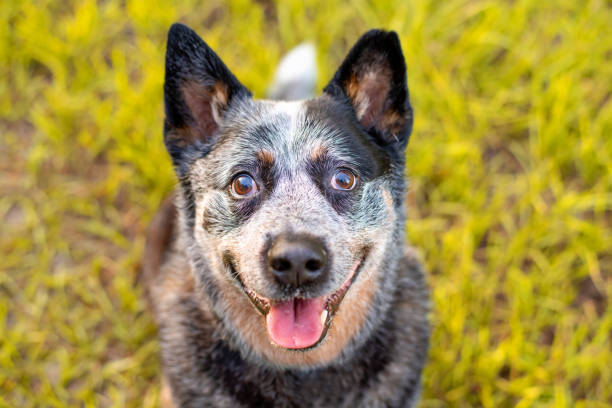
Introduction: The Unspoken Language of Canine Eyes
Dogs, our loyal companions, communicate with us in myriad ways. From the enthusiastic wag of a tail that signals joy, to the low growl that warns of discomfort, their body language is a rich tapestry of signals. Yet, amidst the barks, whines, and body postures, one of the most profound and often overlooked channels of canine communication lies within their eyes – “the windows to the soul.” Understanding your dog’s gaze is not merely about deciphering a single expression; it’s about interpreting a complex interplay of pupil dilation, sclera exposure, eyelid tension, and the direction and intensity of their stare. This subtle language, when accurately understood, unlocks a deeper connection, allowing us to perceive our dog’s inner world – their happiness, fear, anxiety, curiosity, or even pain.
For centuries, humans have coexisted with dogs, evolving alongside them in a unique interspecies partnership. This close bond has led to remarkable adaptations in canine communication, particularly in their ability to engage with and understand human cues. Simultaneously, our ability to interpret their signals has become vital for a harmonious relationship. Modern behavioral science continually reinforces the notion that dogs are highly expressive creatures, and their eyes, in particular, convey a wealth of emotional information. Misinterpreting these ocular cues can lead to misunderstandings, exacerbate behavioral issues, or even inadvertently place a dog in a stressful or threatening situation. Conversely, a keen understanding of their gaze allows us to respond empathetically, provide comfort, prevent conflict, and strengthen the incredible bond we share.
This comprehensive guide will delve deep into the intricate world of canine ocular communication. We will explore the anatomy of the dog’s eye, the fundamental principles of interpretation, and break down each component of the gaze to reveal what it signifies. We will examine common gaze-mood combinations, address prevalent misinterpretations, and provide practical applications for owners to become fluent in this silent, yet incredibly potent, form of dog behavior. Prepare to look into your dog’s eyes and truly see the story they are trying to tell you.
The Anatomy of the Canine Eye: A Brief Overview
Before we can decipher the subtle messages conveyed through the gaze, it’s helpful to understand the basic structure of the canine eye. While sharing many similarities with human eyes, there are key distinctions that influence how dogs see and how their eyes communicate.
- Pupil: The central opening that controls the amount of light entering the eye. Its size changes in response to light intensity and emotional states.
- Iris: The colored part surrounding the pupil, which can be various shades of brown, blue, amber, or even heterochromatic (different colors in each eye or within one eye). While the color itself doesn’t directly convey mood, its contrast with the pupil and sclera can make signals more or less apparent.
- Sclera: The “white” part of the eye. In many dog breeds, particularly those with darker eyes or deeper set eyes, the sclera is much less visible than in humans. Its exposure, therefore, becomes a significant indicator of certain emotional states.
- Nictitating Membrane (Third Eyelid): A protective, semi-transparent membrane located in the inner corner of the eye. While usually retracted and unseen, it can become visible when a dog is ill, very tired, or experiencing significant discomfort or pain. Its persistent appearance can be a red flag.
- Cornea: The transparent outer layer protecting the front of the eye. Its clarity and reflectiveness contribute to the “brightness” or “dullness” of a dog’s gaze.
- Eyelids: The upper and lower folds of skin that protect the eye. Their tension, openness, or closure are crucial indicators of mood.
- Brows/Forehead: While not strictly part of the eye, the muscles around the eyes, particularly those on the forehead, greatly influence the overall eye expression. Furrowed brows, for example, can contribute to a look of confusion or concern.
Understanding these components helps us appreciate how their interplay creates the nuanced expressions we observe. For instance, the limited visibility of the sclera in many dogs means that any significant showing of the whites of the eyes is often a potent signal.
Fundamental Principles of Reading the Dog’s Gaze
Interpreting your dog’s gaze is not an exact science but an art refined through careful observation and contextual understanding. Several core principles must be kept in mind to avoid misinterpretations and gain accurate insights.
- Context is King: No single eye signal should ever be interpreted in isolation. The dog’s gaze must always be considered in conjunction with their entire body language (tail position, ear set, posture, muscle tension, piloerection), vocalizations, environmental factors (who or what is present), and recent events. A dilated pupil might indicate excitement at the sight of a toy in a playful dog, but fear in a dog being approached by an unknown person.
- Breed Variations: Eye shape, size, and the amount of fur around the eyes vary dramatically among breeds, influencing how their gaze appears.
- Brachycephalic Breeds (e.g., Pugs, Bulldogs): Often have prominent, round eyes with more visible sclera even when relaxed. Their “whale eye” might be less pronounced as a signal due to their natural anatomy.
- Breeds with Deep-Set Eyes (e.g., Rottweilers, some Terriers): Their eyes can appear darker and more intense, potentially obscuring subtle sclera changes.
- Breeds with Drop Ears or Heavy Brows (e.g., Basset Hounds, Saint Bernards): The structure around their eyes can create a perpetually “sad” or “furrowed” look that might not reflect their actual mood.
- Breeds with Light-Colored Eyes (e.g., Huskies, some Australian Shepherds): The contrast between the iris and pupil can make pupil dilation more evident.
- Individual Differences: Just like humans, dogs have unique personalities, past experiences, and communication styles. A dog that was poorly socialized might be more prone to fear-based eye signals than a well-adjusted, confident dog. Learn your dog’s baseline expressions when they are relaxed and happy.
- Observer Bias and Anthropomorphism: Avoid projecting human emotions onto your dog’s expressions. A dog looking “guilty” might actually be displaying appeasement behaviors (like averted gaze and lowered head) in response to your angry tone, not an understanding of wrongdoing. Stick to observable behaviors and their established canine interpretations.
These principles form the bedrock of accurate interpretation, preventing hasty conclusions and fostering a more nuanced understanding of your dog’s emotional state.
Components of the Gaze and Their Interpretations
Let’s break down the specific components of the dog’s eye and surrounding facial features, exploring what each element can signify.
1. Pupil Dilation/Constriction
The pupil, the black center of the eye, involuntarily changes size not only in response to light but also to a dog’s emotional state and arousal levels.
- Dilated Pupils (Large):
- Significance: Often indicates arousal, excitement, fear, anxiety, stress, or even pain. In low light conditions, pupils will naturally dilate to let in more light.
- Interpretation: If the environment is well-lit, sudden or consistent pupil dilation is a strong indicator of an internal emotional shift.
- Excitement: A dog seeing their favorite toy or person might have dilated pupils along with a wagging tail, loose body, and playful posture.
- Fear/Anxiety/Stress: In a stressful situation (e.g., vet visit, loud noises, perceived threat), dilated pupils, combined with whale eye, panting, lowered body, or shaking, strongly suggest fear or anxiety. The dog is in an alert, hyper-vigilant state, ready to react.
- Pain: While not always the primary sign, dilated pupils can sometimes occur with pain, especially acute pain, as part of the body’s stress response.
- Nuance: Rapid fluctuations between dilated and normal can indicate high levels of internal conflict or stress.
- Constricted Pupils (Small):
- Significance: Primarily occurs in bright light conditions. Emotionally, it can sometimes suggest intense focus, concentration, or even an aggressive mindset, particularly when combined with a hard stare and stiff body language.
- Interpretation:
- Bright Light: This is the most common and benign reason for constricted pupils.
- Intense Focus/Aggression: If a dog is staring intently at another dog or person with a stiff body, growling, and snarling, constricted pupils can be part of a “hard” look indicating a challenge or offensive threat. The dog is focused, preparing to act.
- Nuance: Constricted pupils are less common as an emotional indicator than dilated pupils. Always consider the lighting.
2. Iris & Sclera (Whites of the Eyes)
The visibility of the iris (the colored part) and especially the sclera (the white part) offers critical insights.
- “Whale Eye” (Half-Moon Eye / Sclera Showing):
- Significance: This is one of the most significant and widely recognized stress signals. It occurs when a dog turns its head away from something but keeps its eyes fixed on it, or when its eyes simply widen out of fear or arousal, revealing the crescent-shaped white of the eye, usually at the inner or outer corner, or sometimes all around the iris.
- Interpretation: Whale eye almost universally indicates stress, anxiety, discomfort, or fear. The dog feels threatened, trapped, or is experiencing conflict. It’s often a precursor to a more assertive or defensive reaction if the perceived threat isn’t removed.
- Example: A child hugging a dog too tightly, and the dog displaying whale eye, is a clear sign the dog is uncomfortable and needs space.
- Context for Breeds: As noted, some brachycephalic breeds naturally show more sclera. For these breeds, look for a change from their baseline, or other accompanying stress signals.
- Nuance: Full, round whale eye (sclera visible all around) is generally a more intense sign of fear/stress than a slight crescent.
- Minimal Sclera Showing (Normal):
- Significance: In most dogs, when relaxed and content, the sclera is barely visible, if at all. The iris fills most of the visible eye.
- Interpretation: This is the baseline for a relaxed, focused, or neutral dog.
- Direct Stare (Fixed Gaze): The intensity and softness of a direct gaze are paramount.
- Hard, Intense, Unblinking Stare:
- Significance: A challenging, dominant, or aggressive signal. It can also be predatory focus. This is a common warning sign in dog-dog interactions and can be a threat when directed at humans.
- Interpretation: The dog is asserting dominance, issuing a challenge, or fixating on prey (real or perceived). Other accompanying signals usually include stiff body posture, tense muscles, often constricted or dilated pupils (depending on the type of aggression), and a low growl or snarl. This type of stare can escalate conflict.
- Action for Humans: Avoid engaging in a staring contest. Break eye contact, turn sideways, or calmly remove yourself from the situation.
- Soft, Relaxed, Intermittent Stare/Gaze:
- Significance: Affection, trust, seeking attention, comfortable engagement, bonding.
- Interpretation: When your dog looks at you with a soft, relaxed gaze, often blinking slowly, perhaps leaning into you, or with a relaxed body, it’s a sign of affection and connection. This is the positive eye contact that releases oxytocin (the “love hormone”) in both dogs and humans. Dogs might use this to “check in” or solicit interaction.
- Hard, Intense, Unblinking Stare:
3. Eyelids
The tension and openness of the eyelids significantly contribute to the overall expression.
- Squinting/Narrowed Eyes:
- Significance: Pain, discomfort, intense relaxation, submission, appeasement.
- Interpretation:
- Pain/Discomfort: If accompanied by lethargy, reluctance to move, or other signs of illness, squinting is a strong indicator of pain or irritation in the eye itself, or systemic discomfort. The dog might try to protect the eye.
- Relaxation/Contentment: If accompanied by a loose body, slow tail wag, soft mouth, and general calmness, slightly narrowed eyes or slow blinks can signify deep contentment, often seen when a dog is being petted or napping.
- Appeasement/Submission: A dog trying to de-escalate a situation or show deference might squint or blink slowly, often combined with an averted gaze and lowered head.
- Nuance: Differentiate between genuine relaxation/appeasement and pain. The context and the rest of the body language are key.
- Wide Open Eyes:
- Significance: Alertness, curiosity, arousal, fear, excitement.
- Interpretation: A dog with wide-open eyes is generally taking in a lot of visual information.
- Alertness/Curiosity: If the body is relaxed but attentive, this suggests curiosity or interest in something new.
- Fear/Arousal: If combined with dilated pupils and whale eye, wide-open eyes signify fear or high arousal, as the dog is attempting to take in as much information as possible to assess a potential threat.
- Hard Eyes (Tight Eyelids):
- Significance: Tension, focus, impending action, aggression.
- Interpretation: The skin around the eyes appears taut, and there’s little to no blinking. This is often seen accompanying a hard stare, indicating intense focus, readiness to react, or an aggressive posture.
- Soft Eyes (Relaxed Eyelids):
- Significance: Contentment, trust, relaxation, affection.
- Interpretation: The eyelids are not tense; they might be slightly drooping or engaged in slow, soft blinks. This is the hallmark of a comfortable, calm, and trusting dog.
- Blinking:
- Rapid Blinking: Usually indicates stress, anxiety, or discomfort. The dog might be trying to “reset” or process information.
- Slow Blinking: Often a sign of relaxation, contentment, or appeasement. It can be a way for a dog to communicate non-threat to another dog or human.
4. Eyebrows/Forehead
The muscles above the eyes also play a role in expressiveness. While dogs don’t have eyebrows in the human sense, the movement of the skin and fur on the forehead creates similar visual cues.
- Lowered/Furrowed Brow:
- Significance: Concentration, confusion, mild concern, sometimes focus.
- Interpretation: When a dog is trying to understand something, they might furrow their brow, making it appear as if their “eyebrows” are drawn together. This is a common look when they hear a new sound or are listening intently.
- Raised Brows (Inner/Outer):
- Significance: Curiosity, alertness, sometimes a more “sad” or “worried” expression (though this can be anthropomorphic).
- Interpretation: Lifting the inner brows (creating a “puppy dog eyes” look) can be an appeasement or attention-seeking gesture. It’s often effective in soliciting human interaction. Lifting the outer brows can indicate alertness or curiosity.
- Smooth Forehead:
- Significance: Relaxation, lack of tension or concentration.
- Interpretation: A smooth, unlined forehead typically accompanies a relaxed and contented general demeanor.
Common Gaze-Mood Combinations and Scenarios
Combining these individual components allows us to interpret more complex emotional states. Here are some common combinations and what they signify:
- Happy/Content:
- Gaze: Soft, relaxed, often slightly narrowed or with slow blinks. Pupils are normal size. Minimal sclera showing. Gaze may be soft and direct towards a trusted human or looking generally around the environment.
- Overall Body Language: Loose, relaxed posture; soft, wagging tail (often a full body wag); relaxed ears; soft mouth, sometimes panting gently; playful bows or rolls.
- Scenario: A dog greeting its owner after work, lying calmly on the couch, or receiving gentle pets.
- Anxious/Stressed:
- Gaze: Whale eye (sclera showing), dilated pupils, darting eyes, averted gaze, rapid blinking, sometimes squinting or a dull, glazed look. Eyelids might be tense or tight.
- Overall Body Language: Tense muscles, low posture, tail tucked or held stiffly, ears flattened or pulled back, panting, lip licking, yawning (out of context), trembling, refusing treats, attempting to escape.
- Scenario: A dog at the vet’s office, exposed to loud fireworks, or being approached by a stranger they are unsure of.
- Fearful:
- Gaze: Wide, dilated pupils, pronounced whale eye, rapid blinking, or a sustained averted gaze. Eyes might appear “frozen” if the dog is in a fear-freeze state.
- Overall Body Language: Trembling, cowering, tucking tail tightly, ears back and flat, lowering body to the ground, trying to hide, sometimes urinating or defecating. Might also show defensive aggression (snapping, growling) if cornered.
- Scenario: A dog being cornered by an unknown person, encountering a frightening object, or being subjected to harsh punishment.
- Aggressive/Threatening:
- Gaze: Hard, fixed stare (either direct or side-eyed with whale eye), constricted or widely dilated pupils (depending on whether it’s offensive or fear-based aggression), tight eyelids, minimal sclera (if direct) or pronounced whale eye (if fear-based).
- Overall Body Language: Stiff, tense body posture; raised hackles (piloerection); tail held high and stiff or tucked; ears forward and tense or flattened back; growling, snarling, lip curling, snapping, lunging.
- Scenario: A dog guarding resources (food, toy, space), defending itself, or challenging another dog or person. This is a clear warning that needs to be taken seriously.
- Submissive/Appeasing:
- Gaze: Averted gaze (looking away), soft eyes, slow blinking, squinting. Pupils typically normal.
- Overall Body Language: Lowered head, lowered body posture, lying down, exposing belly, lip licking, yawning, tail tucked low or gently wagging in a low arc, sometimes submissive urination.
- Scenario: A dog trying to de-escalate a perceived threat, showing deference to a higher-ranking individual (dog or human), or acknowledging a human’s angry tone.
- Playful/Excited:
- Gaze: Wide, bright, alert eyes, sometimes slightly dilated pupils if highly excited. Gaze is often soft and bouncy, inviting interaction.
- Overall Body Language: Loose and bouncy body movements, play bows, wagging tail (often a high, vigorous wag), open mouth with a “dog smile,” playful nips, energetic movements.
- Scenario: A dog initiating a game of fetch, seeing its owner prepare for a walk, or playing with another friendly dog.
- Curious/Alert:
- Gaze: Wide, focused eyes, pupils normal to slightly dilated, often accompanied by a cocked head. Sclera minimal.
- Overall Body Language: Still body, ears perked forward, head tilted, tail held neutral or slightly raised and still.
- Scenario: A dog hearing an unfamiliar sound, noticing a new object, or watching something with interest.
- Pain/Discomfort:
- Gaze: Squinting, dull or glazed appearance, averted gaze, frequent or slow blinking, pupils might be dilated. The ‘brightness’ often leaves their eyes. The nictitating membrane (third eyelid) might be persistently visible.
- Overall Body Language: Lethargy, reluctance to move, hunched posture, panting (without exertion), guarding a body part, trembling, changes in appetite or mood (e.g., usually friendly dog becomes grumpy).
- Scenario: A dog suffering from an injury, illness, or chronic pain. This warrants a veterinary visit.
Misinterpretations and Nuances
Even with a detailed understanding, certain common misinterpretations can arise.
- The “Guilty Look”: This is perhaps the most famous misinterpretation. When a dog has chewed up your shoes and greets you with a lowered head, averted gaze, and flattened ears, it’s not “guilt” in the human sense. Dogs don’t typically experience complex emotions like guilt over past actions. Instead, they are reacting to your body language, tone of voice, and the tense atmosphere you’ve created. They are displaying appeasement and stress signals to de-escalate your anger, not acknowledging wrongdoing. They’ve learned that your arrival combined with that mess often leads to your upset reaction, and they’re trying to prevent it.
- The “Staring Match”: While humans often make direct eye contact as a sign of respect or engagement, for dogs, a prolonged, intense direct stare is often a challenge or a threat. In dog-dog interactions, it’s a common precursor to conflict. When interacting with an unfamiliar or nervous dog, it’s best to avoid direct, prolonged eye contact. A soft gaze, intermittent eye contact, or a slight turn of the head is more polite in canine terms. Teaching a dog to hold eye contact with you within a positive training context is different – it’s about building focus and a positive association, not a challenge.
- Breed-Specific Challenges: Reiterate that breeds with naturally prominent eyes (e.g., Pugs, French Bulldogs) will show more sclera as their baseline. Owners of these breeds must pay extra attention to changes in sclera visibility from their dog’s normal, or look for other accompanying stress indicators to confirm whale eye. Similarly, breeds with heavy brow wrinkles might always appear to have a “furrowed” brow – their owners must learn their individual normal expressions.
- Training Eye Contact: Positive reinforcement training can teach dogs that looking at their owner’s eyes is rewarding. This creates a positive association with eye contact, turning it into a tool for communication and focus (e.g., a “watch me” command). This trained, soft, intermittent eye contact for connection is vastly different from an aggressive, hard stare.
Practical Application for Owners
Becoming proficient in reading your dog’s gaze is a journey of continuous observation and learning. Here’s how to put this knowledge into practice:
- Cultivate Observational Skills:
- Observe Your Dog’s Baseline: Spend time watching your dog when they are completely relaxed and happy. What do their eyes look like? How much sclera is visible? What’s the typical pupil size? What do their eyelids look like?
- Watch in Various Situations: Observe their eyes when they are excited, anxious, meeting new people, around other dogs, etc. Pay attention to the subtle shifts.
- Use Video: Sometimes, filming your dog in different scenarios can help you slow down and notice details you might miss in real-time.
- Respond Appropriately to Gaze Signals:
- Recognizing Stress/Fear (Whale Eye, Dilated Pupils, Averted Gaze):
- Action: Immediately create space for your dog. Remove them from the stressful situation or remove the stressor. Avoid direct staring, hovering, or forcing interaction. Speak in a calm, soothing voice. Do not punish stress signals, as this will suppress communication and potentially lead to sudden, unannounced reactions.
- Goal: Alleviate discomfort and build trust.
- Recognizing Aggression/Threat (Hard Stare, Tight Eyelids, Intense Focus):
- Action: De-escalate the situation cautiously. Avoid direct eye contact. Calmly and slowly move away or create distance. Do not challenge the dog. If this behavior is persistent or escalating, seek immediate help from a certified professional dog trainer or veterinary behaviorist.
- Goal: Prevent escalation and ensure safety.
- Recognizing Happiness/Playfulness (Soft Eyes, Relaxed Blinks, Bright Gaze):
- Action: Engage positively! Return affection, initiate play, or simply enjoy their contented presence.
- Goal: Strengthen your bond and reinforce positive emotions.
- Recognizing Pain/Discomfort (Squinting, Dull Glaze, Visible Nictitating Membrane):
- Action: Observe for other physical symptoms. Schedule a veterinary check-up promptly. Never ignore signs of pain.
- Goal: Address underlying health issues.
- Recognizing Stress/Fear (Whale Eye, Dilated Pupils, Averted Gaze):
- When to Seek Professional Help:
- If your dog consistently exhibits signs of extreme stress, fear, or aggression that you cannot manage.
- If you notice any physical changes to the eyes (discharge, redness, cloudiness, persistent third eyelid visibility), always consult your veterinarian first to rule out medical conditions.
- A qualified professional (like a certified applied animal behaviorist or a veterinary behaviorist) can provide tailored guidance and intervention plans for severe behavioral issues related to fear or aggression.
Conclusion: The Eye as a Window to the Dog’s Soul
The gaze of a dog is far more than just a means of sight; it is a profound and intricate communication system, a direct window into their emotional landscape. From the subtle softening of an eyelid that whispers of contentment, to the dramatic showing of the sclera that screams of distress, every nuance tells a story. By dedicating ourselves to understanding this silent language, we move beyond merely owning a pet to truly connecting with a sentient being.
Becoming fluent in “the gaze” requires patience, diligent observation, and a commitment to seeing the world from your dog’s perspective. It demands that we shed our anthropocentric biases and embrace the unique ways in which canines express themselves. In doing so, we not only deepen the incredible bond we share but also become more effective advocates for their well-being, preventing misunderstandings, and fostering an environment of trust, respect, and mutual understanding.
So, the next time your dog looks at you, pause. Look back, not just at their beautiful eyes, but into them. Observe the pupils, the sclera, the tension in their eyelids, the direction of their gaze. Listen to what they are silently telling you. In that moment of shared gaze, you will find a richer, more profound connection, strengthening the extraordinary bond that makes life with a dog truly unparalleled. The journey of understanding your dog’s eyes is an ongoing one, but it is one of the most rewarding paths an owner can embark upon.
#DogBehavior #CanineCommunication #DogEyes #DogMood #ReadYourDog #DogBodyLanguage #WhaleEye #DogStress #DogFear #DogHappiness #DogAnxiety #PetCommunication #DogWelfare #DogTrainingTips #CaninePsychology #HappyDog #UnderstandingDogs #DogLove #DogTips #PetOwner #DogMom #DogDad #DogLife #FurryFriends #AnimalBehavior #DogHealth #CommunicationIsKey #SilentLanguage #DogSignals #LoyalCompanion





Add comment