
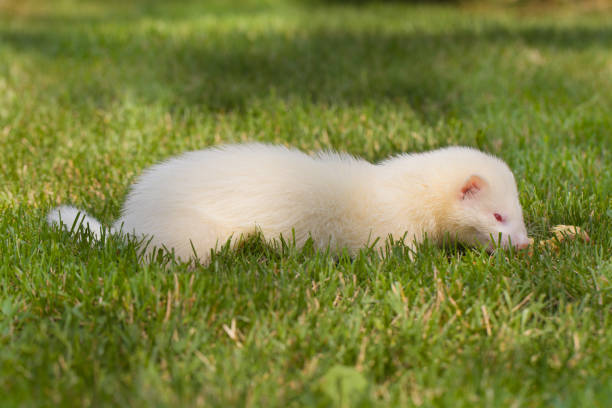
The Obligate Carnivore’s Dilemma
Ferrets (Mustela putorius furo) are unique and demanding companions. As members of the Mustelidae family, their physiology is finely tuned for a diet consisting almost exclusively of fresh, whole prey. They are classified as obligate carnivores, meaning their bodies are incapable of synthesizing certain essential nutrients (like Taurine) and are poorly equipped to process plant matter or high levels of carbohydrates.
This critical biological fact is the core of “The Great Debate.” Modern ferret ownership necessitates striking a balance between convenience, cost, and biological necessity. The debate centers on two radically different feeding philosophies: the meticulously engineered consistency of Commercial Kibble and the evolutionary adherence of the Raw/Whole Prey Diet.
This exhaustive guide will analyze the nutritional science underlying ferret needs, weigh the pros and cons of both major dietary approaches, explore safety protocols, and provide practical advice for informed decision-making.
II. The Ferret Nutritional Blueprint: Understanding the Obligate Carnivore
Before evaluating any specific diet, we must establish the biological baseline. A ferret’s digestive tract is short, rapid, and lacks the cecum necessary for breaking down fiber or complex carbohydrates. Food transit time is typically 3–4 hours, requiring nutrient density and high digestibility.
A. Essential Nutritional Requirements
A high-quality ferret diet, regardless of source (kibble or raw), must adhere to the following ratios:
- Protein: Must be highly bioavailable and derived from animal sources (muscle, organs).
- Ideal Range: 30–40% (Dry Matter Basis – DMB).
- Note: Plant proteins (corn gluten, soy) are poorly utilized and can lead to kidney and pancreatic stress over time.
- Fat: Essential for energy, coat health, and absorption of fat-soluble vitamins (A, D, E, K).
- Ideal Range: 18–30% (DMB). Animal fat is critical.
- Taurine: An essential amino acid found exclusively in animal tissue. Deficiencies lead to critical health issues, particularly heart disease (Dilated Cardiomyopathy) and retinal degeneration.
- Fiber: Minimal requirement (<3% DMB). High fiber content slows digestion and reduces nutrient absorption.
- Carbohydrates and Sugars: Should be minimized (<15% DMB). High sugar/starch intake is a primary contributor to Insulinoma (pancreatic cancer) in middle-aged and senior ferrets.
- Calcium and Phosphorus (Ca:P) Ratio: Crucial for skeletal health.
- Ideal Ratio: 1.2:1 to 1.5:1. Imbalances (especially excessive phosphorus from all-meat diets without bone/calcium) can cause neurological and skeletal issues.
III. The Kibble Approach: Commercial Convenience and Consistency
Kibble (dry commercial food) represents the majority feeding method for pet ferrets worldwide. The industry emerged in the mid-20th century, offering a shelf-stable, easy-to-measure solution.
A. The Reality of Commercial Ferret Food
While there are dedicated “ferret foods,” many fall short of the ideal nutritional profile. Historically, manufacturers have bulked up kibble content with cheap, plant-based proteins and grains to reduce production costs. This has led many veterinarians and experienced owners to often recommend high-quality, grain-free kitten or cat foods that meet the stringent protein and fat requirements ferrets need, often surpassing the quality of dedicated ferret brands.
B. Advantages of Commercial Kibble
| Advantage | Elaboration |
|---|---|
| Convenience & Storage | Kibble is shelf-stable, requiring no refrigeration. It can be left out all day for free-feeding, which aligns well with a ferret’s frequent, small-meal schedule. |
| Cost Effectiveness | Generally, high-quality kibble is cheaper per pound than ethically sourced whole prey or raw meats. |
| Nutritional Consistency | Manufactured kibble is fortified and balanced according to AAFCO or Fediaf guidelines. Every scoop provides a mathematically consistent Ca:P ratio and guaranteed minimums of essential vitamins (e.g., Taurine). |
| Reduced Pathogen Risk | The extrusion process (high heat and pressure cooking) sterilizes the ingredients, eliminating the risk of |
| Salmonella, E. coli, and parasitic transmission associated with raw feeding. | |
| Veterinary Familiarity | Most traditional veterinarians are trained on commercial diets and are comfortable monitoring an animal’s health based on standardized kibble inputs. |
C. Disadvantages and Health Concerns
- Processing and Digestibility: The high-heat process (extrusion) required to make kibble reduces the bioavailability of some natural nutrients. While manufacturers re-add synthetic vitamins, some argue these are not absorbed as efficiently as naturally occurring nutrients.
- Carbohydrate Load: Even highly rated kibble often contains binding agents (potatoes, peas, minimal grains) which elevate the carbohydrate percentage above the ferret’s safe threshold. Prolonged exposure to these starches contributes significantly to pancreatic stress and Insulinoma.
- Dental Health (Plaque): While kibble is often touted as “cleaning teeth,” dry kibble contributes significantly to plaque and tartar buildup because it shatters rather than requiring the abrasive tearing and shearing action vital for cleaning.
- Dehydration: A dry diet inherently requires the ferret to drink more water. While they usually compensate, a kibble-fed ferret is often less hydrated than a raw-fed ferret.
D. Criteria for Choosing Superior Kibble (The Ferret Kibble Checklist)
Because many poor options exist, selecting kibble requires forensic label reading.
- Top 3 Ingredients: Must be named animal proteins (chicken meal, turkey, lamb, eggs). Avoid generic terms like “meat byproducts” or reliance on plant derivatives.
- Protein Percentage: Minimum 35% DMB.
- Fat Percentage: Minimum 18% DMB.
- Fiber: Maximum 3% DMB.
- Avoid the “Big Three” Fillers: Corn, Wheat, and Soy (especially corn gluten meal and soy meal, which are cheap protein boosters that ferrets cannot utilize).
- Look for Species-Appropriate Additives: High levels of Taurine.
IV. The Raw Approach: Evolutionary Adherence and Whole Prey Model
Raw feeding is designed to replicate the diet ferrets evolved to eat in the wild—whole portions of muscle, bone, and organ from small mammals and birds. This approach emphasizes biological appropriateness (B.A.R.F. – Biologically Appropriate Raw Food, or the Whole Prey Model – WPM).
A. The Philosophy of Raw Feeding
Proponents argue that raw feeding provides nutrients in their most natural, bioavailable form. They contend that the high water content, coupled with the natural enzymes and amino acids, leads to superior health outcomes, particularly regarding dental integrity, coat quality, and minimizing the risk factors associated with processed starches.
B. Advantages of Raw Diets
- Exceptional Dental Health: Chewing, crushing, and tearing meat and raw bone provides mechanical abrasion that strips tartar away. This is the single most significant health benefit of raw feeding, often eliminating the need for expensive veterinary dental cleanings.
- Optimal Nutrient Utilization: Raw muscle and organ meat contain naturally high levels of Taurine and fat in a form optimally digested by the ferret’s short tract.
- Hydration: Raw meat is approximately 70–75% water, significantly increasing the ferret’s natural moisture intake, supporting kidney function.
- Reduced Odor: Many owners report that the feces of raw-fed ferrets are smaller, drier, and significantly less odorous due to the high utilization rate of the food (less waste).
- Averting Insulinoma Risk: By eliminating processed starches and carbohydrates, raw feeding removes the primary dietary trigger for Insulinoma.
C. Disadvantages and Major Health Concerns
- Pathogen Risk (Bacterial Contamination): Handling raw meat carries the risk of infection from Salmonella, E. coli, Clostridium, and other pathogens, not only to the ferret but to the owner through cross-contamination.
- Mitigation: Strict food safety practices (detailed below) are non-negotiable.
- Nutritional Imbalance: This is the most serious risk. Feeding an unbalanced raw diet (e.g., only ground meat without bone, or only chicken breast) leads to severe Ca:P imbalances, metabolic bone disease, and organ failure. Raw feeding demands meticulous planning.
- Cost and Time Commitment: Raw feeding is substantially more expensive, especially when sourcing high-quality, ethically raised meats. It also requires significant time for preparation, weighing, sourcing, and dedicated freezer space.
- Finicky Eaters (Imprinting): Ferrets imprint on their early diet. A ferret raised exclusively on kibble can be notoriously difficult, if not impossible, to transition to raw food later in life.
D. Raw Feeding Models Explained (The Essential Formulas)
Successful raw feeding requires meeting the evolutionary ratio of a whole animal:
| Component | Target Percentage of Total Diet | Source/Function |
|---|---|---|
| Muscle Meat | 80% (including heart as muscle) | Primary source of protein, fat, and Taurine. Must be varied (beef, chicken, turkey, rabbit, game). |
| Edible Bone | 10% | Essential source of Calcium to balance the high Phosphorus content of muscle meat. Must be digestible (chicken necks, poultry wing tips, small bones). |
| Organ Meat | 10% (5% Liver, 5% Other Secreting Organ) | Provides essential fat-soluble vitamins (A, D, E, K). Liver is mandatory; other organs include kidney, spleen, brain. |
1. The Whole Prey Model (WPM)
This is the most biologically accurate model, involving feeding entire, frozen-then-thawed rodents (mice, rats) or chicks.
- Pros: Perfectly balanced, requires minimal preparation, mimics hunting behavior, and provides optimal dental cleaning.
- Cons: High cost, can be challenging for owners who are squeamish, and sourcing consistent, high-quality prey can be difficult.
2. The Ground/Chunk Model
This involves purchasing muscle meat, bones, and organs separately and chopping or grinding them into portions that meet the 80/10/10 ratio.
- Pros: Easier to source, allows for high variation in protein types, and can be easier to transition kibble-addicted ferrets onto.
- Cons: Requires meticulous tracking of ratios, bone content must be carefully measured (often ground bone must be used), and provides less dental benefit than WPM.
E. Essential Raw Safety Protocols
The risk of bacterial contamination is real and manageable through strict HACCP-like controls in the home:
- Sourcing: Purchase meat suitable for human consumption (not discounted “pet grade” meat).
- Handling: Use dedicated cutting boards, knives, and storage containers for raw meat. Wash hands thoroughly with soap and warm water immediately after preparation.
- Storage: Meat should be frozen for at least three weeks (the “Deep Freeze Protocol”) to kill many common parasites. Thaw meals in the refrigerator, never on the counter.
- Hygiene: Do not leave raw meat out for more than 30–60 minutes. Remove and discard uneaten food promptly. Clean feeding dishes with high heat or soap/bleach solutions regularly.
- Owner Awareness: Owners who are immunocompromised, elderly, or have young children must exercise extreme caution.
V. The Hybrid Approach: Seeking a Middle Ground
Given the inherent limitations of both extremes (pathogen risk in raw, carbohydrate load in kibble), many experienced ferret owners advocate for a hybrid or combination diet. This approach attempts to reap the dental and nutritional benefits of raw, while retaining the consistency and safety of high-quality kibble.
A. Model 1: Kibble Staple with Raw Supplements
The ferret is free-fed high-quality kibble (meeting the 35% protein, low carb criteria) as the primary nutritional bedrock.
- Supplementation: 2–3 raw, meaty meals (e.g., chicken wings, turkey necks, chunks of muscle meat) are offered per week purely for dental exercise and psychological enrichment.
- Caveat: The raw portions must still be balanced over time, or the excess phosphorus/low calcium can disrupt the balance provided by the kibble.
B. Model 2: The Raw Primary with Kibble Backup
The ferret is primarily fed a balanced, rotational raw diet (80/10/10).
- Backup: A separate dish of high-quality kibble is available 24/7. This serves two purposes:
- It ensures the ferret never goes hungry if the raw meal is rejected or if the owner is delayed.
- It prevents the ferret from imprinting solely on raw, making it easier for future sitters or caretakers to manage their diet in an emergency.
The Hybrid approach is generally more accepted by general veterinarians, as it minimizes the risk of nutritional deficiency while offering significant dental benefits.
VI. Addressing Common Myths, Misconceptions, and Practicalities
The kibble vs. raw debate is rife with misinformation. Here we address practical concerns.
Myth 1: Raw Meat Causes Aggression or Blood Lust
This is an archaic myth stemming from misunderstanding canine behavior. Ferrets are hunters by instinct, not learned aggression. Feeding raw meat does not alter their personality or temper; it simply satisfies their biological drive.
Myth 2: Raw Feeding is Too Expensive
While raw food can be more expensive than cheap kibble, the cost difference often evens out when factoring in long-term veterinary bills. Kibble-fed ferrets often incur significant costs for dental cleanings, insulinoma management, and specialized prescription diets later in life. Raw feeding is an investment in preventative health.
Myth 3: Ferrets Can Be Vegetarian
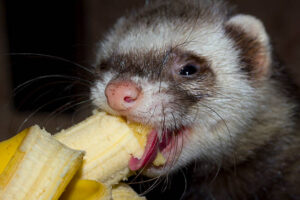
Absolutely not. Due to their rapid digestive system and inability to process plant proteins, feeding a ferret a diet high in vegetables, fruits, or grains will lead to malnutrition, wasting syndrome, and potentially fatal bladder stones. They cannot thrive without animal tissue.
Myth 4: “Ferret Food” is Always the Best Option
The term “ferret food” is often a marketing label, not a guaranteed stamp of quality. Many commercial ferret formulas rely heavily on corn derivatives and poultry byproducts that are unsuitable. Owners must judge the food based purely on the nutritional analysis (protein source, percentages, and carb load), not the name on the bag.
A. The Veterinary Perspective
The veterinary community is divided. Many older practitioners, trained decades ago, advocate strongly against raw food due to the documented risks of pathogen transmission and the high incidence of diet-related metabolic imbalances seen in poorly planned home diets.
However, a growing body of exotic and holistic veterinarians supports or even recommends balanced raw feeding, recognizing its benefits for dental and pancreatic health, provided the owner adheres to the strict 80/10/10 ratios and safety protocols. Owners pursuing a raw diet must be prepared to educate their vets or seek out exotic specialists familiar with the feeding model.
VII. The Challenging Art of Dietary Transition
Moving a ferret from one diet to another, especially from commercial kibble to raw, requires patience, creativity, and commitment. Ferrets are notoriously stubborn due to dietary imprinting.
Stage 1: Assessment and Commitment (Weeks 1–2)
Before starting, the owner must fully commit to the time and safety protocols required for the new diet. Ensure the new kibble meets the highest standards or that the raw ratio is perfectly calculated.
Stage 2: The Grinding Phase (Kibble to Raw)
If transitioning to raw, the goal is to disguise the raw food as their familiar kibble.
- Slurry Introduction: Soak the familiar kibble in water or low-sodium chicken broth until it forms a soft mush (slurry).
- Introducing Raw: Begin adding a few drops of ground, thawed, raw meat (chicken or turkey) to the slurry. Mix thoroughly.
- Increasing Ratio: Over 1–2 weeks, slowly increase the percentage of raw ground meat in the slurry while reducing the amount of kibble.
- Flavoring: If the ferret refuses, try adding tempting, healthy oils (like salmon oil) or meat-based baby food (avoiding vegetables or rice) to entice them.
Stage 3: Texture and Chunk Introduction (Raw)
Once the ferret is accepting 100% ground raw meat, the focus shifts to texture. This is vital for dental health.
- Chunk Integration: Start adding small, soft chunks of muscle meat (e.g., small, soft chicken hearts or liver slivers) to the ground mix.
- Bone Introduction: Once they accept chunks, introduce small, soft, edible bones (chicken wing tips or necks) that are still partially coated or wrapped in muscle meat to encourage crushing.
- Monitoring: Monitor droppings closely. If the stool becomes consistently soft, the bone ratio might be too low. If the stool is white and powdery, the bone ratio is too high.
Stage 4: The “Cold Turkey” Method (Rarely Necessary, Highly Debated)
If a ferret is refusing to eat their new diet (or mixture) and is showing signs of weight loss, this method is sometimes used: removing the old diet entirely and offering only the new, balanced food.
CRITICAL WARNING: Ferrets cannot safely fast for more than a few hours due to their fast metabolism. If a ferret refuses to eat the new food for more than 4–6 hours, the old food must be reintroduced immediately. Never starve a ferret into eating.
VIII. Conclusion: The Informed Choice
The debate between kibble and raw is not about moral superiority, but about balancing risk against benefit and convenience against biology.
High-Quality Kibble is the safer choice for novice owners, those on a strict budget, or those who cannot commit to the stringent safety and ratio requirements of raw feeding. However, it necessitates rigorous label reading and accepts the long-term, inherent risk of pancreas-stressing carbohydrates.
Balanced Raw/Whole Prey is the diet most aligned with the ferret’s biology, offering supreme dental and pancreatic health benefits. However, it requires a significant time commitment, higher cost, intense attention to nutritional balance (80/10/10), and strict adherence to human-grade hygiene protocols.
Ultimately, the best diet for a ferret is the one that the committed owner can maintain consistently and safely, ensuring it meets the animal’s non-negotiable status as a true, demanding obligate carnivore. The goal is always health and longevity, achieved through informed, responsible feeding.
#FerretDiet #KibbleVsRaw #FerretNutrition #ObligateCarnivore #RawFeedingFerrets #FerretHealth #FerretsOfInstagram #Mustelid #PetNutrition #FerretTips #Ferrets #HolisticPetCare #RawDiet #InsulinomaPrevention #FerretLife #ExoticPetCare #WPM #DIYFerretFood

Add comment