
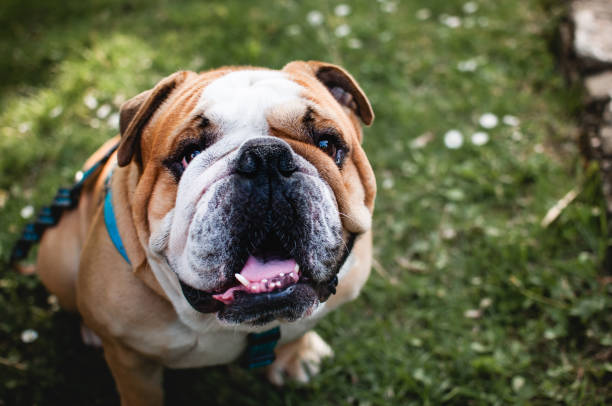
I. Introduction: The Mouth as the Dog’s Primary Communicator
The dog’s lexicon is vast, expressed through the subtle shifts of the ear, the carriage of the tail, and the tension in the body. Yet, perhaps the most multifaceted and often misunderstood communication tool a dog possesses is its mouth. Far beyond mere ingestion, the canine mouth—encompassing the lips, tongue, teeth, and associated respiratory functions—acts as a primary sensory organ, a complex emotional barometer, and a sophisticated social signaling device.
For the untrained eye, a lick is simply affection, and panting is just an indication of heat. However, a deeper understanding of canine ethology reveals that these actions are rarely singular in meaning. They are interwoven with context, instinct, and a deep evolutionary history reaching back to the wolf. To truly converse with our dogs, we must learn to decipher the intricate language hidden within a subtle lip curl, a rapid flutter of the tongue, or the specific rhythm of a pant.
This comprehensive guide delves into the hidden meanings behind the diverse functions of the dog’s mouth, providing a detailed framework for interpreting canine behavior, improving interspecies communication, and strengthening the human-animal bond.
II. Evolutionary and Anatomical Foundations
To appreciate the communicative role of the mouth, we must first understand its significance in the dog’s evolutionary toolkit.
1. Sensory Superiority: The Olfactory Anchor
The mouth and nose are intrinsically linked. While often credited solely to the nose, the dog’s unparalleled sense of smell—up to 100,000 times greater than a human’s—is constantly analyzed through the environment the dog intakes via air and physical contact. The tongue facilitates the transfer of chemical information (pheromones, scent molecules) to the Vomeronasal Organ (VNO), or Jacobson’s organ, located on the roof of the mouth. This is why dogs often lick surfaces or perform the characteristic “Flehmen response” (a curled lip exposure usually seen when analyzing complex reproductive pheromones); they are actively sampling the chemical world. Thus, licking is often not just a social gesture, but a data-gathering process.
2. Thermoregulation: The Necessity of Panting
Unlike humans, dogs possess very few functional sweat glands (primarily concentrated on their paw pads). Their primary mechanism for dissipating heat is evaporative cooling through the mouth and respiratory tract. Panting (rapid, shallow breathing) accelerates the evaporation of moisture from the tongue, pharynx, and respiratory surfaces. The mouth, therefore, is essential for survival, and the rhythm and quality of a dog’s respiration offer immediate clues about its physical state, stress level, and environment.
3. The Tool of the Wild
In their ancestral history, the mouth served three vital roles: hunting and defense (teeth), nursing and juvenile solicitation (lick/muzzle), and grooming (tongue). These functions have been repurposed in domesticated life. For example, the ancestral imperative for a puppy to lick the face of a returning wolf to solicit regurgitated food has evolved into the modern dog’s tendency to lick a human owner’s face—a persistent, biologically programmed appeasement and solicitation behavior.
III. The Spectrum of Licking Behaviors (Licks)
Licking (or ‘allogrooming’ when directed at another social group member) is perhaps the most nuanced and frequently misinterpreted oral behavior. Its meaning is entirely dependent on context, frequency, and the accompanying body language.
1. Social Bonding and Affection (Allogrooming)
- The Classic “Kiss”: When a dog offers slow, relaxed licks, often accompanied by soft eyes, a loose body, and a slight tail wag, it is usually a genuine expression of affiliation, a ritualized greeting, or a form of bonding similar to mutual grooming in primate species. This behavior reinforces social cohesion.
- Maternal Licking: Mothers intensely lick their pups to stimulate elimination, clean them, and provide comfort. This early association of licking with safety and care forms the foundation for the dog’s later use of licking toward human caregivers.
2. Appeasement and Submission (Contextual Licks)
Often mistaken for simple affection, this category of licking is vital for conflict resolution and communication of social hierarchy.
- Mouth Licking (Muzzle Punching): A dog, particularly a submissive or anxious one, may rapidly flick its tongue out and back, often licking the air or the corner of its own mouth. This is a classic calming signal or displacement behavior. It communicates, “I mean no harm” or “I am stressed by this interaction, please stop or slow down.” It is frequently observed when a dog feels cornered, is being reprimanded, or is meeting a new, intimidating dog.
- Licking the Face/Muzzle of a Higher-Status Individual: As noted previously, this is often a juvenile solicitation ritual adapted for human interaction. By licking the human face or hands, the dog is positioning itself submissively, requesting resources (attention, food), and ensuring the interaction remains non-threatening.
3. Attention Seeking and Resource Solicitation
Licking can quickly become a learned behavior, performed consciously by the dog to elicit a desired response from the owner.
- The “Nuisance” Lick: If an owner rewards a dog’s licking (even unintendedly, by laughing, pushing the dog away, or giving attention), the frequency of the behavior will increase. The dog learns that LICK = RESPONSE. This is operant conditioning at work and often explains excessive licking of hands, feet, or surfaces when the dog is bored or seeking engagement.
4. Pathological or Excessive Licking (Medical/OCD)
Licking that is intense, repetitive, and focused on specific areas (either the dog’s self or fixed objects) may signal underlying issues.
- Acral Lick Dermatitis (ALD): Licking focused intensely on a specific spot on the dog’s limb, which often creates a self-inflicted wound. While it can start due to allergies (dermatitis), the repetitive action releases endorphins, making it addictive and obsessive, requiring both medical and behavioral intervention.
- Nausea, Pain, or Discomfort: Excessive licking of lips, or licking floors and carpets, can indicate gastric distress, nausea, or reflux. Licking joints or paws may signal localized pain (arthritis, injury). Owners must differentiate between nervous/social licks and repetitive, fixated licking, which usually requires veterinary assessment.
IV. Panting and Respiration: A Window into Internal State
While essential for cooling, the rate, depth, and context of panting reveal far more than just temperature.
1. Standard Thermoregulatory Panting
- Characteristics: Usually open-mouthed, tongue hanging out (often curled at the edges), steady rhythm, and a generally relaxed body posture. The dog’s breathing is shallow, maximizing air flow over the moist surfaces of the tongue and mouth. This is normal and expected after exertion or in warm conditions.
2. Stress and Anxiety Panting (Behavioral Panting)
When a dog is anxious, fearful, or highly aroused (even positively aroused, like anticipation), its adrenaline levels rise, causing an increase in heart rate and respiration—even if the dog is not physically hot.
- Characteristics: Often rapid, shallow panting that may lack the deep, rhythmic quality of heat panting. The body posture is typically taut, the eyes may be wide (“whale eye”), and the lips may be pulled back slightly, creating a tight expression. This occurs commonly at the vet’s office, during thunderstorms, or when anticipating a walk (excessive excitement). This form of panting is a key component of the Fight, Flight, Freeze, or Appease response.
3. Medical Panting (Pain and Illness)
A sudden, unexplained change in panting quality, especially when accompanied by other symptoms, is a serious medical indicator.
- Signs of Distress: Loud, labored panting; panting that occurs without exertion or heat; panting accompanied by heavy salivation or foam. Conditions like heatstroke, cardiac failure, Cushing’s disease, respiratory disease, or severe pain can manifest as excessive or difficult panting. Loud, stertorous breathing or inability to slow down panting in a cool environment is a veterinary emergency.
4. Sighing and Yawning: Low-Intensity Respiration Cues
- The Sigh: A deep exhalation, often accompanied by the dog dropping its head or resting it on the floor. While occasionally a displacement behavior, a sigh when settled is generally an indicator of contentment or relaxation, communicating, “I am settled and comfortable.”
- The Yawn: While contagious yawning (in response to a human yawn) can indicate social bonding, spontaneous yawning in dogs is often a calming signal used to diffuse anxiety or communicate confusion/discomfort. It is frequently seen when a dog is waiting for a command, is being scolded, or is confronted with an unfamiliar situation—it is a low-level stress indicator.
V. Lip and Teeth Displays: Warning, Tension, and Defense
The exposure and movement of the lips and teeth are critical components of a dog’s threat display, but they also communicate intense focus or anxiety.
1. The Snarl and Lip Lift (Threat Communication)
The display of teeth is often the dog’s last resort before a bite, intended as a maximal deterrent. However, these displays exist on a spectrum:
- Subtle Lip Lift: The dog pulls back only one corner of the lip slightly. This is often the first, most polite warning, frequently missed by humans. It indicates rising discomfort and the desire to increase distance.
- The Overt Snarl: The lips are dramatically pulled back, exposing the canine teeth and often the incisors. The gums are wrinkled, and the mouth is generally open in an aggressive posture. This is an explicit threat: “Do not approach further.”
- Note on Context: A defensive snarl is often accompanied by the body leaning away, ears pinned back, and tail tucked (fear-based). An offensive snarl involves the body leaning forward, hackles raised, and tail rigid (confidence and aggression).
2. Tight Lips and Closed Mouth (Focus and Anxiety)
When a dog is highly focused or experiencing internal turmoil, the muscles around the mouth often become visibly rigid.
- Focus/Arousal: A tight, closed mouth often accompanies intense concentration, such as during training maneuvers, hunting, or retrieving. It suggests the dog is holding its breath slightly in anticipation or high drive.
- Tension/Anxiety: A mouth held tightly closed in a social setting, particularly if it hides the teeth, can be a major stress indicator. If the dog is also showing “whale eye” and has its body weight shifted back, the tight mouth communicates extreme restraint and discomfort, suggesting the dog is suppressing a stronger reaction.
3. The Click and Clack (Excitement and Drive)
Sometimes, in moments of high predatory drive or intense anticipation (e.g., watching a squirrel across the room), the dog’s jaws may rapidly click or clack together as the dog prepares for action. This is often a manifestation of high arousal and predatory focus, a mild version of “air snapping.”
VI. Oral Fixations and Object Interaction
The mouth is the primary tool through which dogs explore and interact with their environment, leading to various chewing and mouthing behaviors, some appropriate, others pathological.
1. Chewing: Development, Boredom, and Anxiety
Chewing relieves stress, strengthens jaws, and is a vital natural behavior.
- Developmental Chewing (Puppies): Puppies use their mouths as humans use their hands. Chewing alleviates discomfort during teething and helps them explore textures. This stage requires careful redirection and training to inhibit hard biting.
- Boredom/Stress Chewing: Destructive chewing in adult dogs (on furniture, drywall, etc.) is almost always rooted in insufficient mental and physical stimulation or is a manifestation of separation anxiety. The repetitive action provides comfort and a means to cope with stress.
2. Mouthing and Nipping (Social Context)
- Inhibited Bite (Play Biting): During play, dogs learn bite inhibition—to control the force of their jaws. Play mouthing should be soft and harmless. If play becomes too rough (hard nipping), the dog needs immediate feedback (e.g., a yelp or brief cessation of play) to relearn this inhibition.
- Mouth Holding (Affiliative): Some dogs, particularly certain breeds (like Rottweilers or working dogs), will gently take a human hand in their mouth without applying any pressure. This is a highly ritualized, affiliative display, signifying bonding, trust, and a desire for passive interaction, often observed when the dog is seeking comfort.
3. Pica and Foreign Object Ingestion
Pica (the ingestion of non-food items) is an extreme form of oral fixation rooted either in medical deficiency (anemia, nutrient deficiencies) or severe behavioral pathology (anxiety, compulsive disorder). The mouth becomes the instrument for this destructive coping mechanism, requiring exhaustive investigation into diet, environment, and psychology.
4. The Soft Mouth (Retrieving Instinct)
Breeds selectively bred for retrieving (Labradors, Golden Retrievers) exhibit a phenomenon known as the “soft mouth.” This means they can carry delicate objects (like a bird’s egg or a raw egg) without damaging them. This specialized oral control demonstrates the incredible fine motor skills achievable by the dog’s mouth, translating to a much gentler interaction style in these breeds.
VII. Misinterpretations and The Importance of Context
The most common error in interpreting the dog’s mouth is reading the behavior in isolation. A dog’s mouth behavior must always be cross-referenced with the rest of its body language.
| Oral Behavior | Relaxed Context | Tense/Stress Context |
|---|---|---|
| Panting | Body loose, tail relaxed, eyes soft (Heat dissipation). | Body rigid, eyes wide, ears pinned (Anxiety/Pain). |
| Licking | Slow, deliberate licks toward a familiar person (Affiliation/Grooming). | Rapid, air-licking (Muzzle Punching) when cornered or reprimanded (Appeasement/Stress). |
| Closed Mouth | Relaxed face, eyes scanning (Focus/Resting). | Lips rigid and pulled back, tense jaw muscles (Suppression of aggression/Intense stress). |
| Yawn | Waking up, stretching; general lack of interest (Normal transition). | During a training session when confused; when reprimanded (Calming Signal/Displacement). |
1. Displacement Behaviors
Many mouth-related actions—such as excessive lip-licking, sudden grooming, or yawning—are displacement behaviors. These are normal actions performed out of context when a dog is conflicted between two impulses (e.g., wanting to approach a visitor but feeling anxious). These behaviors serve to relieve internal pressure and communicate the dog’s internal stress level to observers.
2. The Danger of Anthropomorphism
Assigning purely human motivations to dog behaviors leads to severe misinterpretation. For example, assuming a dog is “smiling” when it is actually showing the teeth in a stress grimace (a submissive display often involving pulled-back lips and a wrinkled nose) can lead an owner to inadvertently reward or ignore high levels of anxiety. Careful observation of the entire facial structure is paramount.
VIII. Conclusion: Mastering the Canine Dialogue
The dog’s mouth is a dynamic, multi-functional organ that governs sensory analysis, physiological balance, and social communication. From the subtle, rapid flick of the tongue used to defuse inter-dog tension, to the life-saving rhythm of thermoregulatory panting, every movement carries significant weight.
By moving beyond the surface assumption that licks equal affection or that bared teeth always signify immediate aggression, owners can begin to decode the richness of their dog’s internal life. A commitment to reading the mouth in conjunction with the whole body—the tail, the ears, the stance—transforms the human-dog relationship from a unilateral command structure into a true, nuanced dialogue. Understanding the hidden meanings of the canine mouth empowers us to address stress before it escalates, meet needs before they turn into problems, and ultimately, honor the complex intelligence of our canine companions.
#CanineBehavior #DogCommunication #DogBodyLanguage #DecodingDogs #DogLicks #Panting #DogTrainingTips #CanineEthology #DogStressSignals #DogAnxiety #UnderstandingDogs #PetParenting #DogBehaviorist #DogHealth #PuppyTips #HiddenMeaningsOfPanting #DogLover #HappyDogHappyLife #AnimalBehavior #LickLanguage





Add comment