
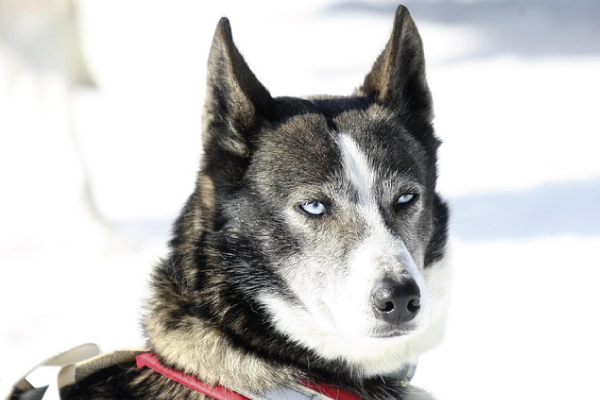
Known for their stunning beauty, piercing eyes, and majestic double coats, Siberian Huskies and Alaskan Malamutes are among the most beloved canine companions. However, the very feature that makes them so captivating – their dense, luxurious fur – also presents a significant grooming challenge. This isn’t just about aesthetics; proper grooming of a massive double coat is crucial for the health, comfort, and well-being of these incredible breeds.
This comprehensive guide will delve into the “dilemma” of managing their impressive coats, providing elaborate tips and strategies to keep your Husky or Malamute healthy, happy, and shedding as minimally as possible.
I. Understanding the Massive Double Coat: The Foundation of Grooming
Before you pick up a brush, it’s vital to understand what makes these coats so unique and why they require specific care.
A. Structure of the Double Coat
Both Huskies and Malamutes possess a magnificent double coat, ingeniously designed by nature for life in harsh, cold climates.
- The Undercoat: This is the soft, dense, woolly layer closest to the skin. Its primary function is insulation – trapping air to keep the dog warm in winter and cool in summer. This is the layer that “blows out” in massive quantities during shedding seasons.
- The Outer Coat (Guard Coat): This layer consists of longer, coarser, and somewhat stiffer hairs. It’s water-repellent, dirt-resistant, and provides protection from sun, wind, and physical abrasions. The guard hairs lie over the undercoat, protecting it and allowing air circulation to the skin.
B. The Function and Why You NEVER Shave
The double coat is a marvel of natural engineering:
- Temperature Regulation: It keeps them warm in extreme cold and, counter-intuitively, helps keep them cool in summer by providing insulation against heat and allowing air to circulate.
- Skin Protection: It shields the skin from sunburn, insect bites, environmental irritants, and minor injuries.
- Water and Dirt Repellency: The guard hairs prevent moisture and dirt from penetrating to the skin.
The Golden Rule: NEVER SHAVE a Husky or Malamute! Shaving compromises their natural heating and cooling system, leaving them vulnerable to heatstroke, sunburn, and skin irritations. It can also permanently damage the coat, causing it to grow back patchy, coarser, and without its proper insulating qualities (known as “coat funk” or “post-clipping alopecia”).
C. The Shedding Cycle: “Blowing Coat”
Huskies and Malamutes are prolific, year-round shedder, but their shedding intensifies dramatically twice a year – typically in spring and fall – a phenomenon known as “blowing coat.” During these periods, they shed large chunks of their undercoat to adapt to seasonal temperature changes. This is where the real “dilemma” begins for owners.
II. Essential Grooming Tools for Double Coats
Investing in the right tools is paramount. Skimping on quality here will only make the job harder and less effective.
- Undercoat Rake:
- Description: Features long, blunt teeth designed to reach through the topcoat and pull out loose undercoat without damaging guard hairs. Available in various tooth lengths and densities.
- Why it’s essential: The primary tool for deshedding and preventing mats deep within the coat.
- Pin Brush:
- Description: Oval-shaped brush with widely spaced metal pins, often with rounded tips.
- Why it’s essential: Good for general daily brushing, gentle detangling, and working through the topcoat. Not effective for deep undercoat removal.
- Slicker Brush (Use with Extreme Caution!):
- Description: Features fine, short wires packed closely together on a flat or curved surface.
- Why it’s essential: Can be used very lightly on smaller mats, but can easily scratch the skin or damage guard hairs if used improperly or with too much pressure. Generally, an undercoat rake is safer for these breeds.
- Steel Comb (Wide and Fine-Toothed):
- Description: A sturdy metal comb with teeth of varying widths.
- Why it’s essential: For checking for knots after brushing, working small tangles, and grooming sensitive areas like behind the ears and feathering on legs and tail. The fine-toothed side helps remove stubborn loose hair.
- Deshedding Tool (e.g., Furminator – Use Sparingly!):
- Description: A tool with a specialized blade designed to grab and remove loose undercoat.
- Why it’s essential: Effective for heavy shedding periods, but must be used sparingly and correctly. Overuse can cut the guard coat, damage the healthy undercoat, and irritate the skin. Limit use to once a week or less during heavy shedding, for short durations.
- High-Velocity Dryer (Force Dryer):
- Description: A powerful, motor-driven dryer designed to blast water off the coat. It does not use heat (or very minimal heat).
- Why it’s essential: A game-changer! Not only significantly reduces drying time after baths, but its powerful airflow also “blows out” huge amounts of loose undercoat, making it an invaluable deshedding tool.
- Dog-Specific Shampoo and Conditioner:
- Description: Formulated for canine pH levels. Look for deshedding, gentle, or hypoallergenic options.
- Why it’s essential: Human products can dry out skin and coat. Conditioner helps loosen undercoat and makes brushing easier.
- Absorbent Towels & Microfiber Towels: For initial drying post-bath.
- Nail Clippers (Guillotine or Scissor-style) or Grinder: For nail maintenance.
- Ear Cleaner: Dog-specific solution for routine ear hygiene.
III. The Comprehensive Grooming Routine: Step-by-Step
Consistency is key. A regular routine will make grooming less daunting and more effective.
A. Brushing: The Foundation of Coat Health
This is your most frequent and important grooming activity.
- Frequency:
- Regular Maintenance: 2-3 times a week, a thorough 15-30 minute session.
- During Shedding (Blowing Coat): Daily! Expect to spend 45-60 minutes or more per session during these intense periods.
- Technique: Line Brushing
- This is the most effective method for double-coated breeds.
- Step 1: Sectioning: Start at the bottom of a leg or flank. Use one hand to hold up the topcoat, exposing a small “line” of undercoat.
- Step 2: Brush from Skin Out: Use your undercoat rake to brush this exposed section, working in small strokes, always ensuring you’re reaching down to the skin. Work through the entire section until no more loose hair comes out.
- Step 3: Move Up: Drop a little more of the topcoat, creating a new “line” just above the section you just brushed. Repeat the brushing process.
- Step 4: Continue Systematically: Work your way up the body, section by section, until the entire dog has been brushed from head to tail, paw to spine. Pay extra attention to high-friction areas like the “pants” (back of the hind legs), armpits, behind the ears, and the tail, as these are prone to matting.
- Step 5: Finishing Touch: Follow up with a pin brush or steel comb over the entire coat to smooth it out and catch any missed tangles.
- Mat Prevention: Regular and thorough brushing is your best defense. If you encounter small mats, try to gently work them out with your fingers and a steel comb. Never pull forcefully. If mats are large or tight, consider professional help to avoid pain and skin damage.
B. The Bath: Strategic and Thorough
Bathing a Husky or Malamute is a significant undertaking due to their dense coats. Don’t over-bathe, as it strips natural oils. Generally, a bath every 1-3 months, or when visibly dirty, is sufficient.
- Pre-Bath Brush: CRITICAL! Brush your dog thoroughly before bathing to remove as much loose hair and as many tangles as possible. Water will tighten mats, making them nearly impossible to remove post-bath.
- Wetting Down: This takes time. Use lukewarm water and a strong showerhead or hose. Work the water deep into the coat, ensuring the skin is completely saturated. This can take 5-10 minutes alone.
- Shampooing:
- Dilute Shampoo: Always dilute dog shampoo according to package directions. It helps it penetrate better and rinse more easily.
- Work In: Apply diluted shampoo and gently massage it deep into the coat, ensuring it reaches the skin. Don’t scrub too vigorously, as it can cause tangles. You may need to do two shampoo cycles for heavily soiled dogs.
- Rinsing: THE MOST IMPORTANT STEP!
- Rinse, Rinse, Rinse: This is where many owners fail. Residual shampoo can cause skin irritation, dryness, and hot spots.
- Check for Squeaky Clean: Rinse until the water runs completely clear and you can’t feel any slickness on the coat. It will feel “squeaky clean.” This can take even longer than the shampooing itself.
- Conditioning:
- Apply a dog-specific conditioner, again ensuring it penetrates deep. It helps loosen remaining undercoat, moisturize the skin, and make drying/brushing easier.
- Rinse thoroughly after the recommended time, just like with shampoo.
C. Drying: Crucial for Skin Health
Never air-dry a double-coated dog, especially in humid conditions. The dense undercoat traps moisture, creating a perfect breeding ground for bacteria, yeast, and fungal infections (hot spots).
- Towel Dry: After bathing, squeeze out as much excess water as possible with your hands, then vigorously towel dry with absorbent and microfiber towels.
- High-Velocity Dryer (Force Dryer):
- Setup: Use in a well-ventilated area. Start on a lower setting to acclimate your dog. Wear ear protection for yourself if it’s loud.
- Technique: Point the nozzle close to the coat, holding the skin taut with your free hand. Work in lines, blasting water out of the coat. The force of the air also helps to “blow out” immense amounts of loose undercoat, making this an essential deshedding step.
- Ensure Dryness: Continue until the coat, especially the undercoat, is bone dry. Part the hair in various places to check for any dampness near the skin. This can take 30-90 minutes or more, depending on the dog’s size and coat density.
- Brushing While Drying: Use your undercoat rake while drying to help separate the fur and blow out more undercoat.
D. Nail Care
Long nails can cause discomfort, lead to splayed toes, and make walking painful.
- Frequency: Trim or grind every 2-4 weeks.
- Tools: Use sharp guillotine or scissor-style clippers, or a dremel grinder.
- Technique: Trim only the tip, avoiding the “quick” (the pink part containing nerves and blood vessels). If using a grinder, do short bursts to avoid heat buildup. If you accidentally cut the quick, use styptic powder to stop the bleeding.
E. Ear Cleaning
Check ears weekly for redness, odor, or discharge.
- Cleaning: Use a vet-approved ear cleaning solution. Apply a few drops into the ear canal, gently massage the base of the ear, then wipe away discharge with a cotton ball or gauze.
- Avoid Cotton Swabs: Never insert cotton swabs into the ear canal, as this can push debris deeper or damage the eardrum.
F. Dental Care
While not coat-related, dental hygiene is crucial for overall health. Brush teeth daily with dog-specific toothpaste and toothbrush. Dental chews and professional cleanings can supplement.
IV. Seasonal Grooming Strategies (The “Dilemma” Solved)
Adapting your routine to the seasons is key to managing the double coat effectively.
A. Spring & Fall (Heavy Shedding / “Blowing Coat”)
This is the peak of the “dilemma.”
- Increase Brushing Frequency: Go to daily, long brushing sessions.
- Deshedding Baths: Consider a professional deshedding bath from a groomer, or perform one at home. The bath followed immediately by a high-velocity dryer will remove more undercoat than brushing alone.
- Professional Help: If overwhelmed, this is the time to book an appointment with a professional groomer for a full deshedding treatment. They have specialized tools and techniques.
- Patience: Expect to remove bags of hair during these periods. It’s a temporary but intense phase.
B. Summer
- Maintain Regular Brushing: This helps remove any remaining loose undercoat, allowing better airflow to the skin.
- DO NOT SHAVE: Reiterate this. Their coat is their built-in sun protection and cooling system.
- Cooling Strategies: Provide plenty of shade, water, cooling mats, and avoid strenuous exercise during the hottest parts of the day.
C. Winter
- Regular Brushing: Shedding will decrease significantly, but regular brushing is still important to prevent mats and keep the coat healthy.
- Paw Care: In snowy and icy conditions, check paws frequently for ice balls, cracks, or irritation from de-icing salts. Consider paw balm or boots.
V. Common Mistakes to Avoid
- Shaving the Coat: As discussed, this is the most damaging mistake.
- Infrequent Brushing: Leads to massive mats, skin issues, and an uncomfortable dog.
- Poor Rinsing/Drying: Causes skin irritation, hot spots, and potential fungal/bacterial infections.
- Using Human Products: Not formulated for canine pH, can cause dryness and irritation.
- Ignoring Mats: Small mats quickly turn into large, painful, skin-tight mats that require professional removal and can lead to serious skin infections.
- Overuse of Deshedding Tools: Tools like the Furminator can damage the guard coat if used too frequently or aggressively.
- Yanking on Tangles: Painful for the dog and can damage the coat. Work them out slowly and gently.
- Not Starting Early: Acclimating a puppy to grooming makes adult sessions much easier.
VI. When to Call a Professional Groomer
While DIY grooming is rewarding and budget-friendly, there are times when professional help is invaluable:
- During Heavy “Coat Blowing”: A professional deshedding treatment can save you hours of work and remove more hair efficiently.
- Severe Matting: If mats are extensive or tight to the skin, a professional can remove them safely without injuring your dog.
- Lack of Proper Tools: If you don’t have a high-velocity dryer, a groomer can ensure your dog is completely dry.
- Behavioral Challenges: If your dog is anxious or aggressive during grooming, a professional might have better success and specialized handling techniques.
- Regular Health Checks: Groomers can often spot skin issues, lumps, or other concerns you might miss.
VII. Training & Behavioral Considerations
Grooming should be a positive experience for your Husky or Malamute.
- Start Early: Begin grooming sessions when your dog is a puppy to get them accustomed to the process.
- Positive Reinforcement: Use treats, praise, and a calm voice.
- Short Sessions: Especially initially, keep sessions short and sweet. Gradually increase duration.
- Handle Often: Touch paws, ears, and mouth regularly, even when not grooming, to desensitize them.
- Patience is Key: Never scold or punish during grooming. If your dog gets stressed, take a break and try again later.
Conclusion
Managing the massive double coat of a Husky or Malamute is undoubtedly a commitment, but it’s a labor of love that directly impacts their health and happiness. By understanding their unique coat, investing in the right tools, and committing to a consistent, thorough grooming routine, you can conquer the “Husky/Malamute Dilemma.” Your reward will be a comfortable, healthy, beautiful companion and a stronger bond forged through dedicated care. Embrace the brushing, master the bathing, and enjoy the majestic beauty of your well-groomed canine friend!
====================
#Husky, #Malamute, #DogGrooming, #GroomingTips, #DoubleCoat, #Shedding, #Deshedding, #HuskyGrooming, #MalamuteGrooming, #PetGrooming, #GroomingHacks





Add comment