
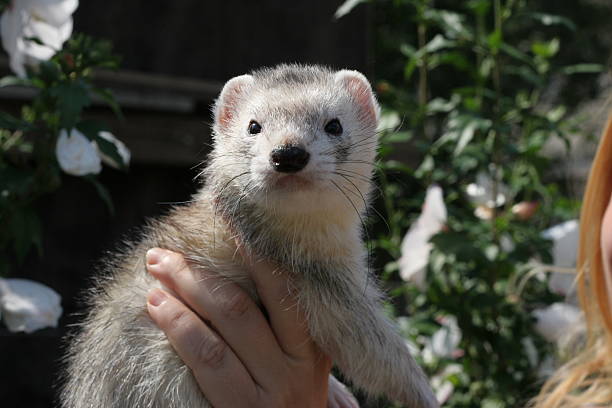
Bringing a new ferret kit into your life is an exciting prospect, promising years of playful antics, curious exploration, and unique companionship. However, like any pet adoption, timing is crucial. The age at which you bring home your ferret kit can significantly impact their adjustment, socialization, and long-term well-being. This comprehensive guide delves into the ideal age for welcoming a ferret kit, exploring the developmental milestones, behavioral implications, and practical considerations involved.
Understanding Ferret Development: Key Milestones
Ferrets, like many young mammals, undergo rapid developmental stages in their first few months of life. Understanding these milestones is paramount to determining the optimal adoption age.
Weeks 1-3: The Neonatal Period
During these initial weeks, ferret kits are entirely dependent on their mother.
- Sensory Development: Kits are born blind and deaf, their eyes and ear canals are sealed. They rely solely on their mother’s warmth, milk, and scent for survival.
- Physical Growth: They are tiny, hairless, and underdeveloped. Their primary activity is nursing and sleeping.
- Socialization: Any interaction with humans during this period is limited and generally not recommended. The mother’s presence is vital for their initial bonding and immune system development. Exposing them to external environments or stress can be detrimental.
Weeks 3-6: The Transitional Period
This is a crucial stage where kits begin to explore their surroundings and develop independence.
- Sensory Opening: Their eyes and ear canals begin to open around 3-4 weeks of age. They start to see and hear, becoming more aware of their environment.
- Mobility and Play: Kits become more mobile, attempting to walk, pounce, and engage in clumsy play with their littermates. This is when their natural play instincts begin to surface.
- Weaning Begins: The mother typically starts the weaning process around 4-5 weeks, introducing solid foods. Kits will begin to experiment with solid food, though milk remains a significant part of their diet.
- Early Socialization: Kits start interacting more with their littermates, learning social cues and boundaries through play. This is the very nascent stage of social development.
At this age, kits are becoming more aware and active, but they are still heavily reliant on milk and their mother’s guidance. It’s generally too early to remove them from this environment.
Weeks 6-8: The Juvenile Period
This is a period of rapid growth and significant social learning.
- Independent Eating: Kits are usually fully weaned by 6-7 weeks and are proficiently eating solid food.
- Advanced Play and Socialization: Play becomes more vigorous and complex. They are actively learning ferret social etiquette from their mother and siblings – how to bite appropriately, when to yield, and how to interact within a group.
- Exploration and Curiosity: Their natural curiosity intensifies. They are exploring their environment with greater confidence.
- Immune System Development: Their immune systems are developing, but they are still more susceptible to illnesses than older ferrets.
By 8 weeks of age, kits are physically robust and have had significant exposure to their mother and littermates, which is crucial for their initial socialization.
Weeks 8-12: The Crucial Socialization Window
This period is often considered the sweet spot for bringing a ferret kit home.
- Well-Developed Social Skills: Kits at this age have had ample time to learn essential social behaviors from their mother and siblings. They understand appropriate play biting, are less prone to nipping aggressively, and have a better grasp of social cues.
- Adaptability and Learning: While still young and adaptable, they have moved past the absolute fragility of younger kits. They are keen learners and can adapt well to new environments and routines.
- Weaned and Healthy: They are fully weaned, eating independently, and have generally received initial vaccinations and deworming from responsible breeders or shelters.
- Bonding Potential: This age offers a fantastic opportunity for bonding. They are curious and eager to interact, making it easier to forge a strong connection with their new human family.
Factors to Consider When Choosing an Adoption Age:
While 8-12 weeks is often cited as ideal, several factors can influence this decision:
1. Source of the Ferret:
- Responsible Breeders: Reputable breeders prioritize the well-being of their kits. They will not allow kits to leave their care before they are at least 8 weeks old, and often closer to 10-12 weeks. This ensures proper weaning, socialization, and initial health checks.
- Shelters and Rescues: Ferret shelters will also have their own protocols regarding adoption ages, typically adhering to the 8-12 week guideline. They are focused on ensuring the ferret is healthy and well-socialized before placement.
- Pet Stores: Pet stores can be a mixed bag. Some may adhere to responsible age guidelines, while others might have less stringent practices. It’s crucial to inquire about their sourcing and the age of the kits.
2. Socialization and Temperament:
- Early Socialization: Ferrets are highly social creatures. The period between 4 and 12 weeks is critical for their development of social skills. Kits raised with human interaction during this time tend to be more accustomed to handling and less fearful.
- Littermate Influence: Spending crucial weeks with their littermates teaches them invaluable lessons about play, bite inhibition, and social hierarchy. Removing them too early can hinder this natural learning process.
- Human Interaction: Kits introduced to gentle human handling from a young age (around 4-5 weeks onwards, under the mother’s supervision) will generally be more comfortable with people.
3. Health and Vaccinations:
- Weaning: Ferrets need to be fully weaned before leaving their mother. This typically happens around 7-8 weeks.
- Vaccinations: While not always mandatory at the point of adoption, responsible breeders or shelters may have initiated the vaccination schedule. Early vaccinations (e.g., against distemper) are crucial for protecting young ferrets. Bringing home a ferret younger than 8 weeks might mean missing out on these early veterinary interventions.
- Parasite Control: Deworming and flea treatment are usually administered by breeders or shelters around the 6-week mark.
4. Owner’s Experience Level:
- Beginner Owners: For first-time ferret owners, an 8-12 week old kit is often the best choice. They are more robust than younger kits, have better-developed social skills, and are less likely to have severe behavioral issues stemming from early separation or lack of socialization.
- Experienced Owners: Experienced owners might consider slightly younger ferrets (e.g., 7 weeks) if they are confident in their ability to provide consistent handling and socialization. However, the benefits of waiting until 8-12 weeks generally outweigh any perceived advantages of taking a younger ferret.
Why Bringing Home a Ferret Kit Too Young Can Be Problematic:
- Inadequate Socialization: Kits removed before 8 weeks may not have learned proper bite inhibition from their littermates and mother. This can lead to harder biting, which can be a challenge for new owners to correct. They may also have missed out on crucial social cues learned within a ferret family.
- Health Risks: Younger kits have less developed immune systems and are more vulnerable to illness. Transporting them and exposing them to a new environment before they are ready can be stressful and increase their risk of getting sick.
- Weaning Difficulties: Kits taken too young might still be reliant on milk or have trouble transitioning to solid food, potentially leading to digestive issues or malnutrition if not carefully managed.
- Higher Stress Levels: Younger kits are more sensitive to environmental changes and stress, which can negatively impact their development and bonding with their new family.
Why Waiting Too Long Might Also Have Downsides (Though Less Common):
- Potential for Established Habits: While less of an issue with kits, if a ferret has been in a shelter or pet store environment for an extended period without adequate socialization, they might have developed certain behaviors or anxieties that require more effort to address.
- Missed “Prime” Bonding Window: While ferrets can bond at any age, the early juvenile period (8-12 weeks) is often considered the most opportune time for establishing a deep connection.
The “Why” Behind the 8-12 Week Guideline:
This universally recommended age range is not arbitrary. It represents a delicate balance where the ferret kit is:
- Physically Mature Enough: They can handle the stress of a move and are no longer entirely dependent on their mother’s milk.
- Socially Developed: They have learned essential social behaviors and bite inhibition from their immediate family.
- Mentally Receptive: They are curious, playful, and eager to learn and bond with their new human family.
- Less Prone to Severe Behavioral Issues: The risk of ingrained problem behaviors due to insufficient socialization is significantly reduced.
What to Look for When Choosing a Ferret Kit:
Regardless of age, always observe the kits and their environment:
- Activity Level: Kits should be alert, curious, and playful. They shouldn’t be lethargic or withdrawn.
- Cleanliness: The cage and the kits themselves should be clean. Look for clear eyes, clean ears, and a healthy-looking coat.
- Body Condition: They should have a healthy weight, not appear too thin or overly chubby.
- Behavior: Observe their interactions with littermates. Are they playing together, or is there excessive aggression? Are they fearful of human presence?
- Mother’s Temperament (if applicable): If you can observe the mother, her temperament can be indicative of the kits’ future disposition.
Transitioning Your New Ferret Kit Home:
Once you’ve chosen the ideal age and a healthy kit, the transition is key.
- Prepare Their Space: Have their enclosure, food, water, bedding, and litter box ready before they arrive.
- Gentle Introduction: Allow them time to adjust to their new surroundings. Don’t overwhelm them with too much handling immediately.
- Patience and Consistency: Be patient with the adjustment process. Consistent, gentle handling will build trust.
- Bite Training: Even well-socialized kits may nip. Use positive reinforcement to teach them appropriate play and discourage hard biting.
#ferretkit, #ferretadoption, #ferretlover, #ferretsofinstagram, #ferretgram, #ferretlife, #newferret, #ferretbaby, #ferretcare, #ferrethealth, #ferretlove, #ferretworld, #ferrettraining, #ferretcommunity, #petadoption, #animalrescue, #cuteferret, #ferretfun, #ferretsofinsta, #ferretfacts, #ferretadvice, #ferretowner, #ferretlove, #ferretadvice, #ferretkitage, #idealferretage, #when togetaferret, #ferrets, #mustelid, #petferret.







Add comment